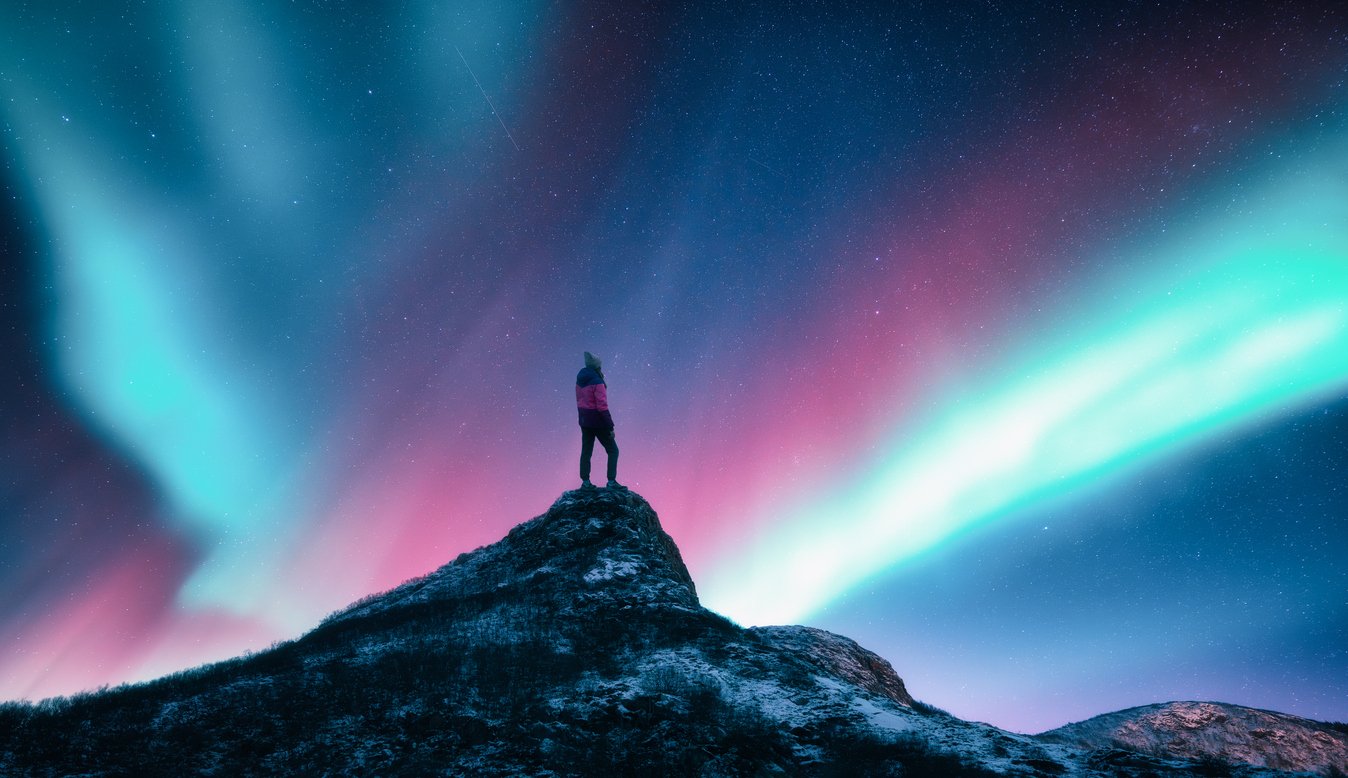
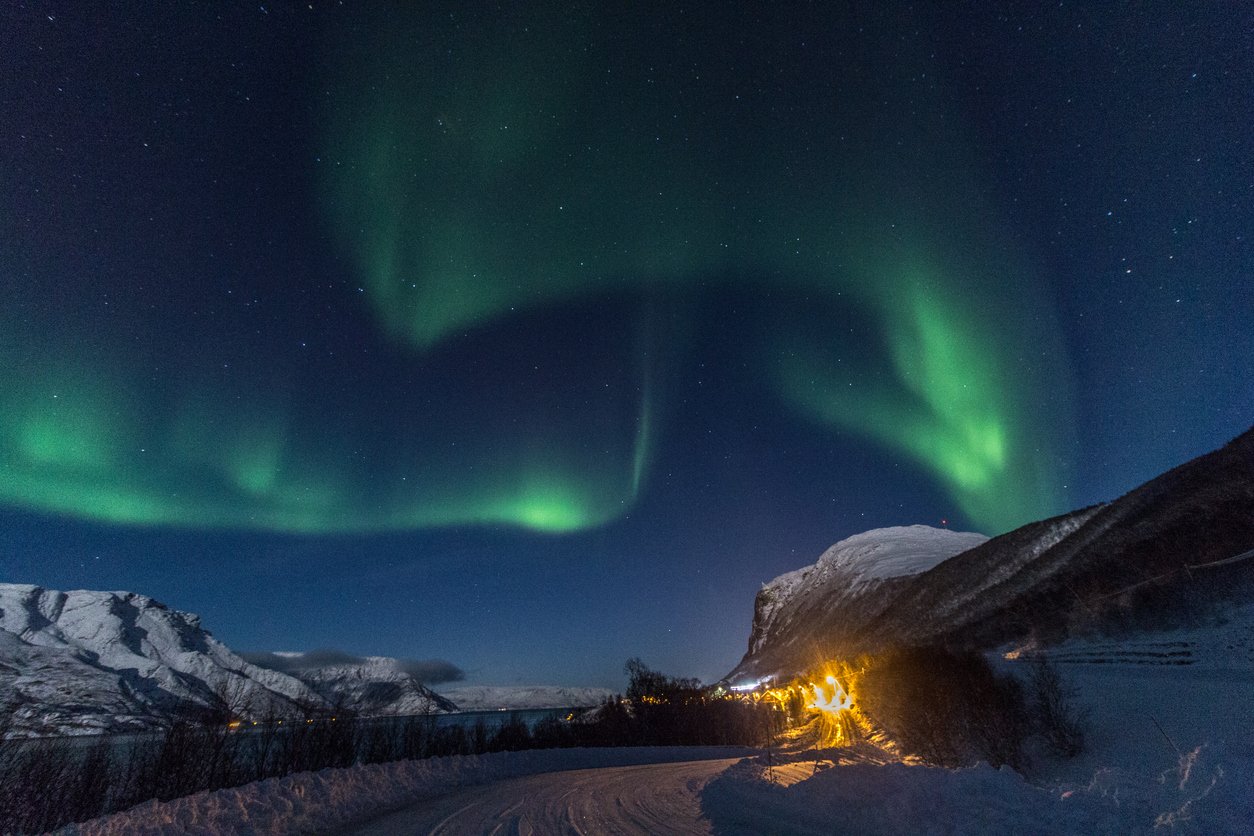
If seeing the Northern Lights is one of the reasons you're travelling to Norway, Alta deserves a place near the top of your bucket list. Sitting at around 70° north, well above the Arctic Circle, Alta combines long, dark winter nights with quick access to the open landscapes of Finnmarksvidda, the fjord and areas with very little artificial light. It's no surprise that Alta calls itself the City of the Northern Lights.
The Alta, Norway Northern Lights season stretches broadly from September to the end of March. This gives you several months in which darkness and Aurora activity can line up. But seeing the lights is never guaranteed: you still need darkness, auroral activity and enough clear sky to see what's happening overhead.
And that's part of what makes Alta particularly interesting. You don't have to spend your entire holiday waiting for the sky to turn green. Dog sledding, snowmobiling, snowshoeing, whale watching and Arctic landscapes make the days memorable too.
Alta Northern Lights at a glance
|
Northern Lights season |
September to late March |
|
Location |
Northern Norway, around 70° north |
|
Above the Arctic Circle? |
Yes |
|
Polar night |
Roughly late November to mid-January |
|
Can you see the Aurora from Alta? |
Yes, when conditions align |
|
Are sightings guaranteed? |
No |
|
Guided tours available? |
Yes |
|
Other winter highlights |
Dog sledding, snowmobiling, snowshoeing, whale watching |
Why Is Alta One of the Best Places to See the Northern Lights in Norway?
Location has a lot to do with it.
Alta sits in Northern Norway at the meeting point between Altafjord and Finnmarksvidda, the enormous plateau extending through Finnmark. At around 70° north, the city lies well above the Arctic Circle and within the part of Northern Scandinavia where the Aurora is regularly visible.
But latitude isn't Alta's only advantage.
Travel only a short distance from the town and the surroundings change quickly. Roads lead away from artificial light and towards forests, valleys, the coast and the wide-open Finnmark plateau. Local Northern Lights guides may head towards the Arctic coast or inland towards Finnmarksvidda depending on conditions that evening.
That flexibility matters because seeing the Aurora isn't simply about finding the darkest possible place and waiting.
Clouds can obscure an otherwise active Aurora. Conditions can differ between the coast, valleys and inland plateau, so being able to move can make a significant difference on a particular evening.
Alta also has a long connection with Aurora research. The world's first permanent Northern Lights observatory was established on Mount Haldde near Alta at the end of the 19th century.
Today, the connection continues everywhere from the city's architecture to the experiences offered throughout the winter. This is why Alta is one of the coolest spots to see the Northern Lights in Norway.
When Can You See the Northern Lights in Alta, Norway?
The Northern Lights in Alta, Norway can generally be seen from September until late March, when the nights are dark enough. Local Northern Lights experiences operate throughout this autumn-to-spring period.
That doesn't mean the Aurora appears every night.
Three things broadly need to cooperate:
1) Darkness. The sky needs to be sufficiently dark.
2) Auroral activity. Charged particles from the sun interact with Earth's upper atmosphere to create the phenomenon.
3) Clear enough sky. A strong Aurora isn't much help if thick cloud sits between you and it.
This is why it's better to think in terms of a Northern Lights season rather than a single perfect date.
Alta Northern Lights: Month-by-Month Guide
|
Month |
What to expect |
|
September |
Dark evenings return and the Northern Lights season begins, while the landscape can still have an autumn feel. |
|
October |
Longer nights and increasingly wintry conditions make October an attractive transition month. |
|
November |
Darkness increases considerably and winter takes hold. The polar night begins towards the end of the month. |
|
December |
Deep Arctic winter and polar-night conditions, with snow and very limited direct sunlight. |
|
January |
One of Alta's deepest winter months. The sun begins returning around the middle of the month. |
|
February |
Dark evenings remain, but daylight has returned, giving you more light for daytime winter activities. |
|
March |
Longer days combined with dark nights can make March an excellent month for combining daytime adventure with Aurora viewing. |
The polar night in Alta runs roughly from late November until the middle of January, but polar night does not mean 24 hours of identical pitch-black darkness. Arctic twilight can bring blue, pink and golden light to the landscape during the daytime.
If timing is the main question behind your trip, our guide to the best time to see the Northern Lights in Norway goes much deeper into seasons, months, darkness and Aurora conditions.
What Is the Best Time of Night to See the Northern Lights in Alta?
There isn't a reliable nightly appointment with the Aurora.
Northern Lights activity can happen at different times whenever it's sufficiently dark. Visit Norway notes that the lights are most frequently observed during the evening and around midnight, broadly between 6 pm and 1 am, but this should be treated as a useful general window rather than a timetable.
If you're spending several nights in Alta, don't write off an evening simply because nothing appeared at 9 pm. Conditions can change.
What Is Alta Like During Northern Lights Winter?
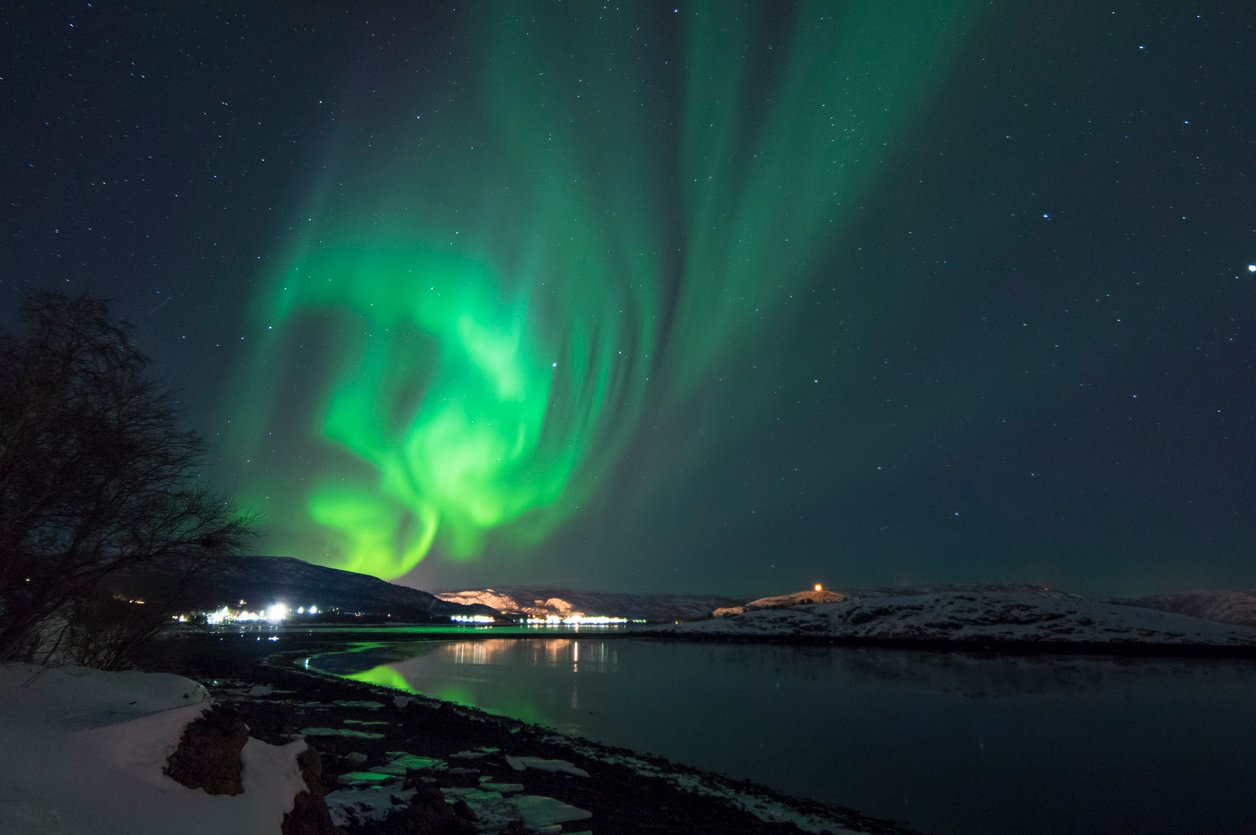
An Alta, Norway Northern Lights winter is not all about darkness.
Snow transforms the surrounding forests, valleys and plateau, while the low Arctic light creates colours you don't experience at lower latitudes. During the polar night, the sun stays below the horizon, but twilight can still illuminate the landscape during part of the day.
It's also cold.
Visit Norway lists January and February as Alta's coldest months, with an average temperature of around -8°C, although conditions can of course be significantly colder on individual days and particularly when travelling farther into exposed terrain.
Rather than shutting down for winter, Alta becomes an outdoor playground.
Dog sledding, snowmobiling, skiing, snowshoeing, fat biking, Northern Lights experiences and seasonal whale safaris are among the activities associated with winter here.
That's important when planning an Aurora holiday.
The Northern Lights should be something you look forward to after dark, not the only reason you have to enjoy your trip.
Where Can You See the Northern Lights in Alta?
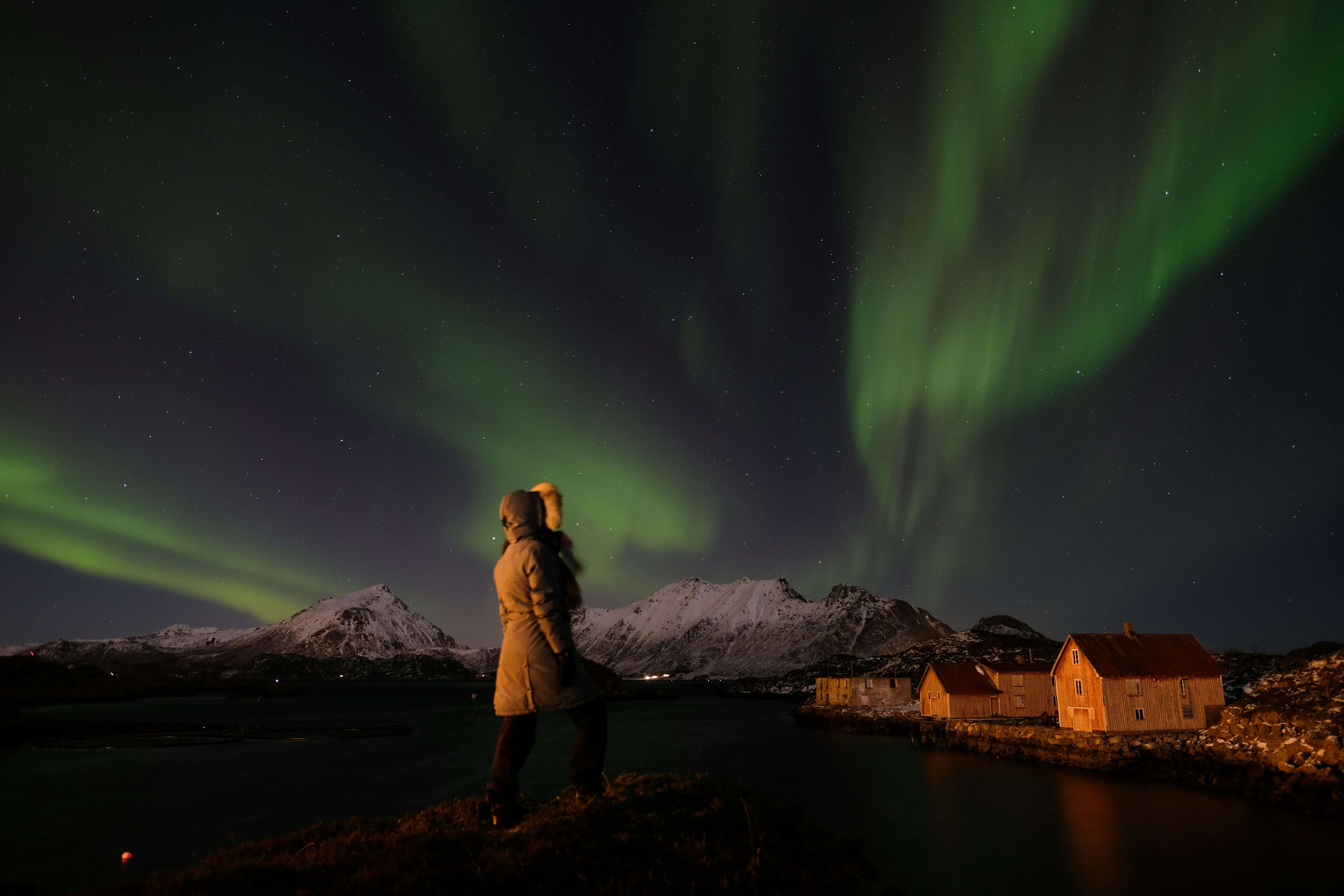
There isn't one magical viewpoint where the Aurora always appears.
The best location on any particular evening depends partly on cloud cover and local conditions.
Can You See the Northern Lights From Alta Town?
When the Aurora is active and the sky is clear, it can be visible from Alta itself.
However, artificial light reduces the darkness around you. Travelling outside the town gives you a darker environment and can also provide greater flexibility if local cloud is getting in the way.
Alta has a major advantage here: you can get from an urban base to much quieter Arctic surroundings surprisingly quickly. Visit Alta describes silence and open nature as being accessible within minutes of the city centre.
Gargia Valley
Head southeast from Alta and the town gives way to forest, valley and increasingly remote landscapes.
Gargia is particularly relevant if you want your Northern Lights experience to feel like an Arctic evening, rather than simply a viewing stop. It's also the starting area for several winter activities heading towards Finnmarksvidda.
This is where experiences such as husky visits, dog sledding, snowshoeing and snowmobiling can be combined with dark winter skies.
Finnmarksvidda
Beyond Gargia lies the vast Finnmark plateau.
Finnmarksvidda gives you something you won’t find in a city viewpoint: an enormous sense of space. Trees thin out, horizons open and artificial light disappears.
Experienced Northern Lights hunters around Alta may travel either towards the coast or onto the Finnmark plateau depending on where conditions look more promising.
And if the Aurora does appear above Finnmarksvidda, the landscape underneath it is part of the experience.
Do You Need to Leave Alta to See the Northern Lights?
Not necessarily. But if the Northern Lights are an important reason for your trip, we'd recommend experiencing at least one evening away from the lights of town.
That might mean joining an active Aurora chase, travelling to Gargia, heading onto Finnmarksvidda, walking into the forest on snowshoes or riding into the darkness by snowmobile.
The location is only half the story. How you experience it matters too.
Do You Need a Northern Lights Tour in Alta, Norway?
.jpg?width=5949&height=3346&name=man-skimobiling-northern-lights-norway%20(1).jpg)
No. It's entirely possible to see the Northern Lights independently.
If the sky is clear and the Aurora is active, you can look up and enjoy it without a guide.
But joining a Northern Lights tour in Alta, Norway offers a different advantage: local knowledge.
A guide can assess cloud and weather conditions, choose where to head that evening, handle winter driving and take you away from artificial light. On active Northern Lights hunts, the route doesn't necessarily stay the same from one evening to the next. Local operators may head towards the coast or inland towards Finnmarksvidda depending on the conditions.
There's also an important difference between seeing the Northern Lights and having an enjoyable Arctic evening while looking for them.
The latter is the philosophy we prefer.
You might travel by snowmobile, walk through a silent forest, sit beside a bonfire or meet a team of huskies while waiting.
If the Aurora arrives, incredible.
If it doesn't, you still experienced something worth leaving the hotel for.
Different Ways to Experience the Northern Lights in Alta
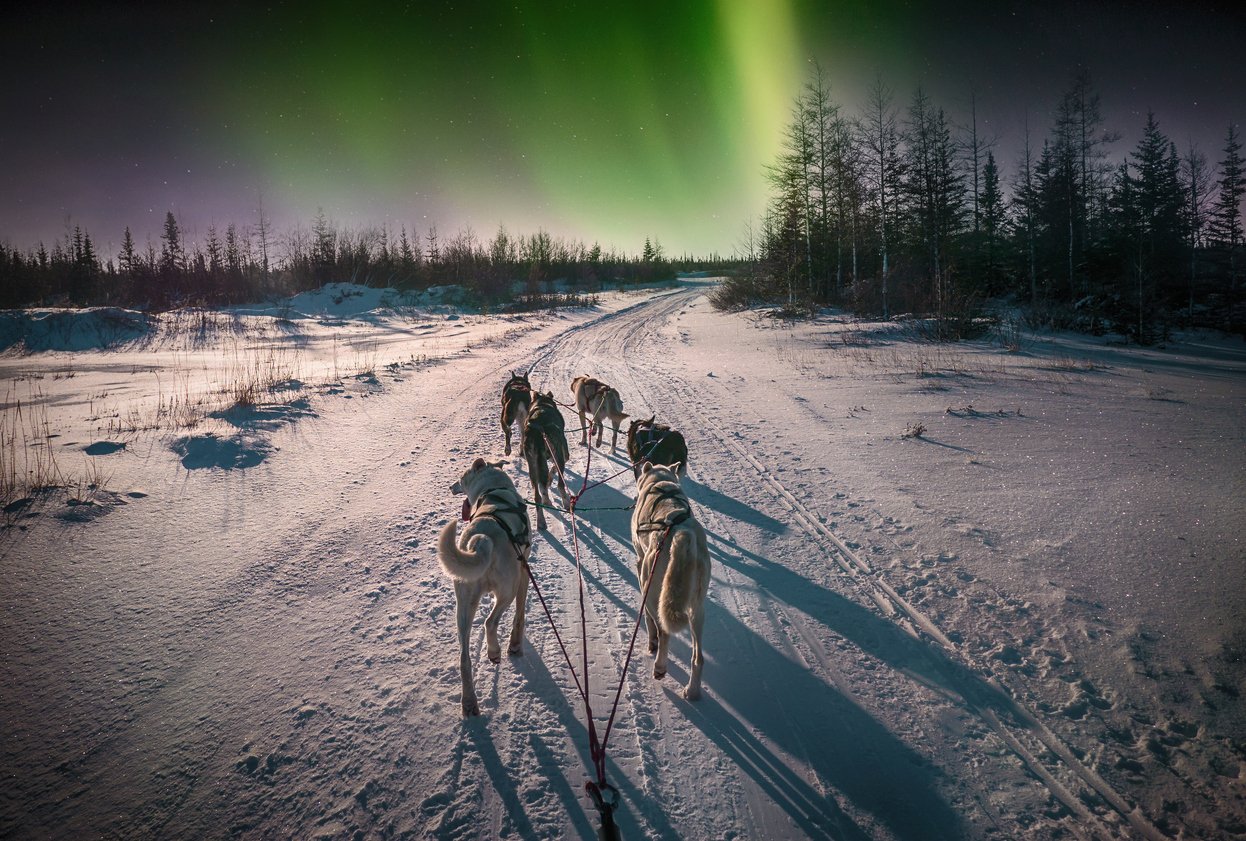
There isn't one correct way to see the Alta Northern Lights, so choose an experience based on what you'd enjoy even before the sky enters the equation.
Chase the Northern Lights by Vehicle
If seeing the Aurora is your main priority, choose a dedicated Northern Lights search.
Rather than travelling to one predetermined viewing point, your guide can read cloud cover and weather conditions and move through the evening in search of clearer skies.
This is the most straightforward option for travellers who essentially want to say:
Tonight, the Northern Lights are the mission.
Search for the Northern Lights by Snowmobile
If you want the journey to be as memorable as the sky, head into the winter wilderness by snowmobile.
From Gargia, snowmobile routes climb through snow-covered forest towards the Beskades range and Finnmarksvidda. Once the trees disappear, you're surrounded by open plateau and sky.
This is an important distinction: a Northern Lights snowmobile trip is a snowmobile adventure first and an Aurora experience second.
The lights aren't guaranteed, but neither is the evening dependent on them.
Walk Into the Arctic Night on Snowshoes
Snowshoeing offers almost the opposite experience.
Instead of covering large distances in search of clearer skies, you slow everything down.
Walk into the forest around Gargia, listen to the snow underfoot and stop beside a bonfire for something warm to drink. If the Northern Lights appear overhead, you're already standing somewhere dark and quiet enough to appreciate them.
For travellers who don't want to spend their Aurora evening sitting in a vehicle, it's a completely different way to experience Alta after dark.
Meet the Huskies Under the Arctic Sky
You can also make the Aurora the backdrop rather than the activity.
An evening at a husky kennel gives you time with the dogs, a warm Arctic meal and an opportunity to step outside beneath the dark sky afterwards.
Again, Mother Nature decides whether the lights appear.
The huskies don't.
Spend Several Nights in Arctic Norway
The biggest limitation of any one-evening Northern Lights experience is obvious:
you get one evening.
Clouds don't care that you've booked Tuesday.
If seeing the Aurora matters to you, a multi-day trip gives you repeated opportunities while letting you spend the daytime experiencing Arctic Norway.
Our longer Northern Lights trips combine Aurora evenings with experiences such as husky sledding, snowmobiling, whale watching and time in the Arctic wilderness.
Explore our Northern Lights tours in Norway if you'd rather make the Aurora part of a complete winter holiday than build your trip around a single evening.
Alta vs Tromsø for the Northern Lights
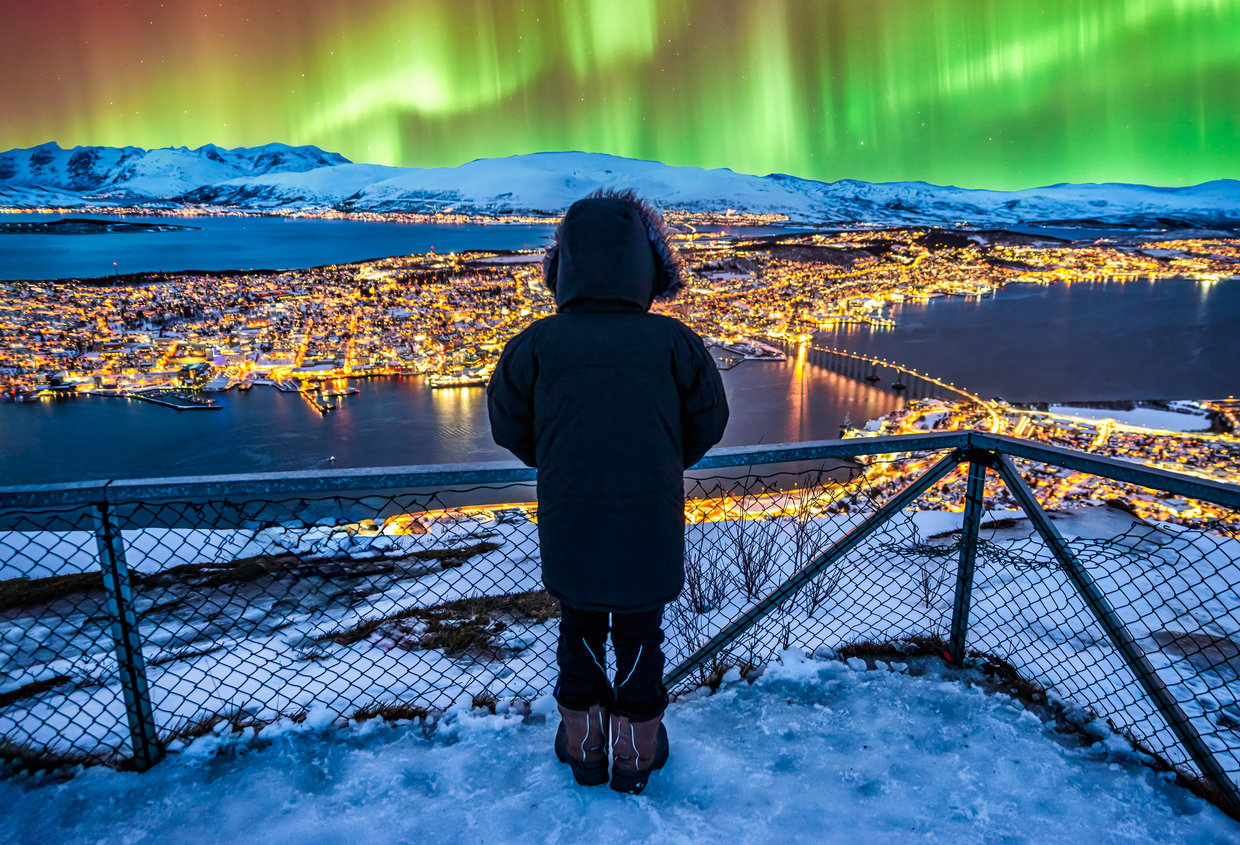
This is one of the biggest questions for anyone planning a Northern Norway holiday.
And there's no universal winner.
Both Alta and Tromsø sit above the Arctic Circle and both offer excellent opportunities to see the Northern Lights when conditions cooperate.
The difference is more about the kind of trip you want.
Tromsø is a larger and much more internationally established Arctic tourism destination. Alta is smaller and puts you remarkably close to forests, valleys, Finnmarksvidda and open wilderness.
If your ideal evening involves restaurants, city life and then heading out on an Aurora chase, Tromsø has obvious appeal.
If you picture a smaller Arctic destination where huskies, snowmobiles, wilderness lodges and the plateau are central to the experience, Alta deserves serious consideration.
And you don't necessarily have to choose.
A longer Norway itinerary can combine different regions and Arctic destinations, which is exactly why some of our Northern Lights packages pair experiences elsewhere in Norway with time farther north.
We'll cover the differences in much greater depth in our Alta vs Tromsø Northern Lights guide.
If you want more information on the best places to see the Northern Lights in Norway, you can check out our guide.
What Else Can You Do in Alta in Winter?
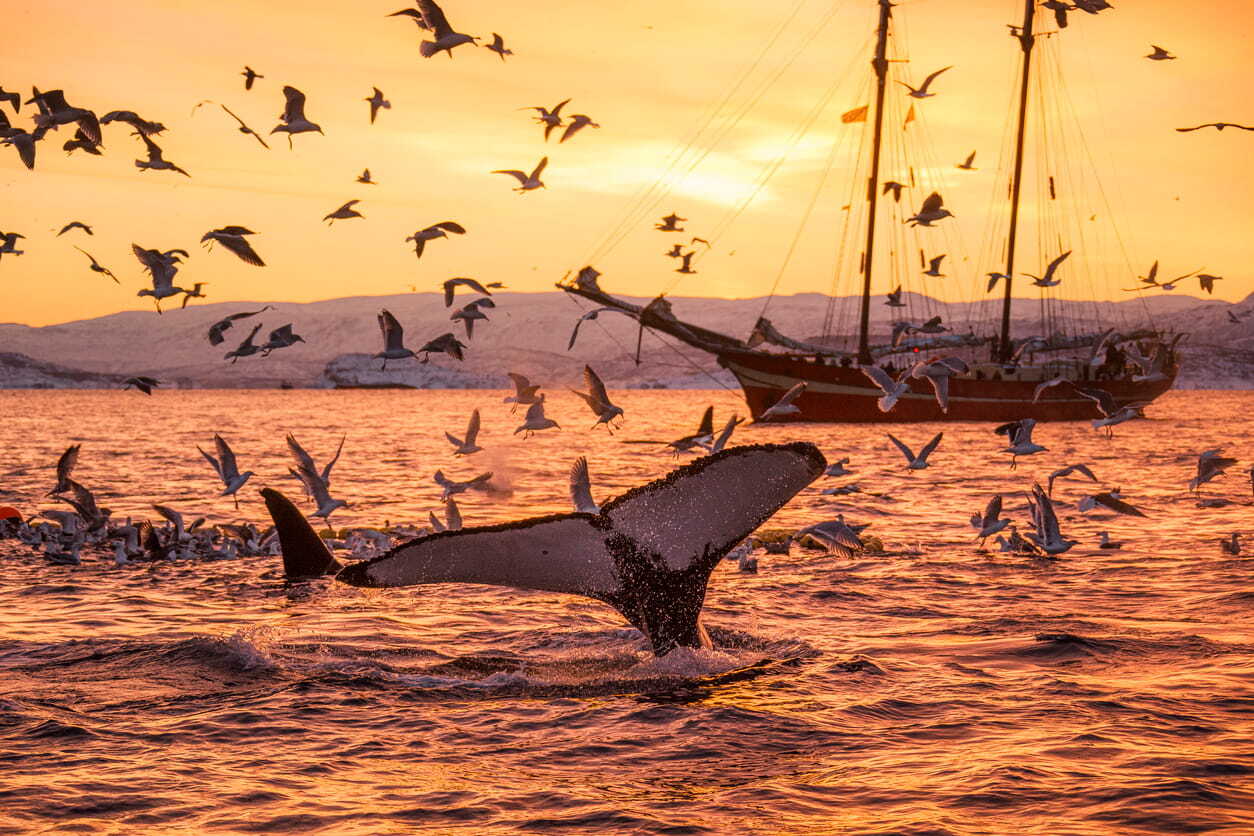
This is one of the strongest arguments for choosing Alta.
A successful winter trip here does not depend on the Northern Lights appearing.
Drive Your Own Husky Team
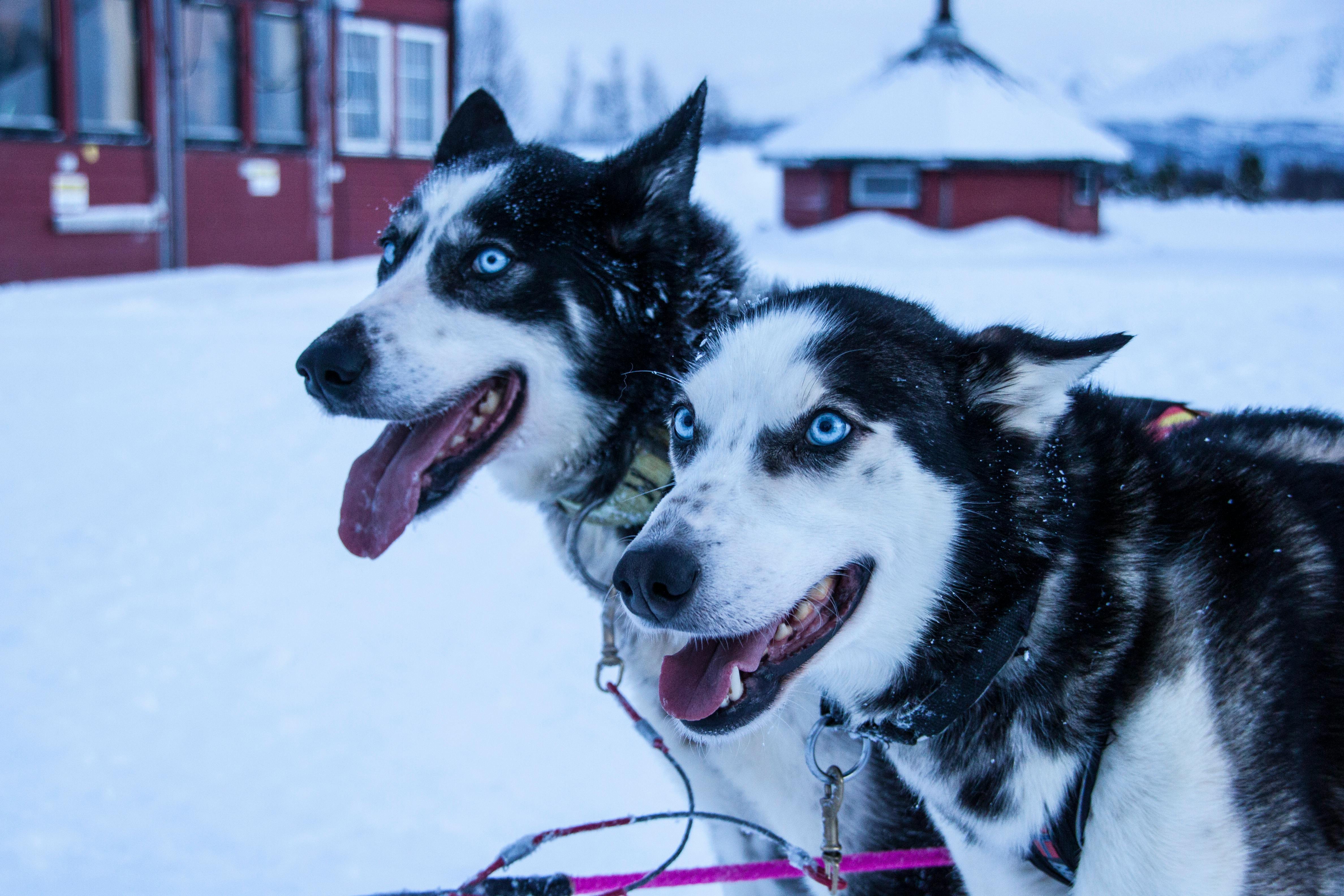
Dog sledding takes you through the forests and frozen landscapes surrounding Gargia behind your own team of huskies.
After learning how to handle the sled, you can take an active role rather than simply sitting as a passenger.
It's about as Arctic as daytime activities get.
Search for Whales in the Fjords
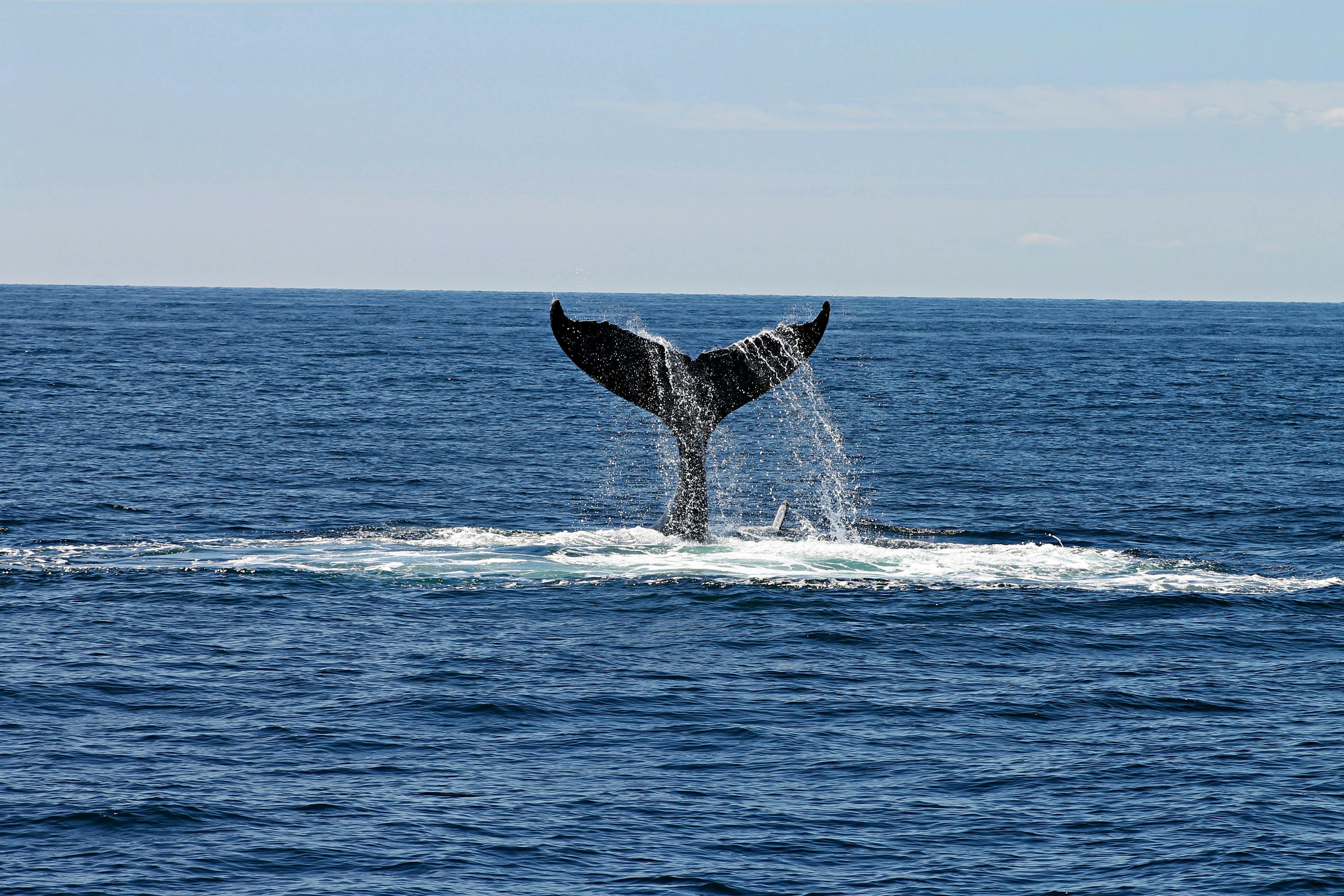
During the seasonal migration period, the waters around Northern Norway offer opportunities to search for whales.
Small-boat experiences take you onto the fjords among mountains and winter light, with humpback whales and orcas among the species that may be encountered depending on where the animals are feeding.
Wildlife sightings, like the Aurora, can never be guaranteed.
Snowmobile Towards Finnmarksvidda
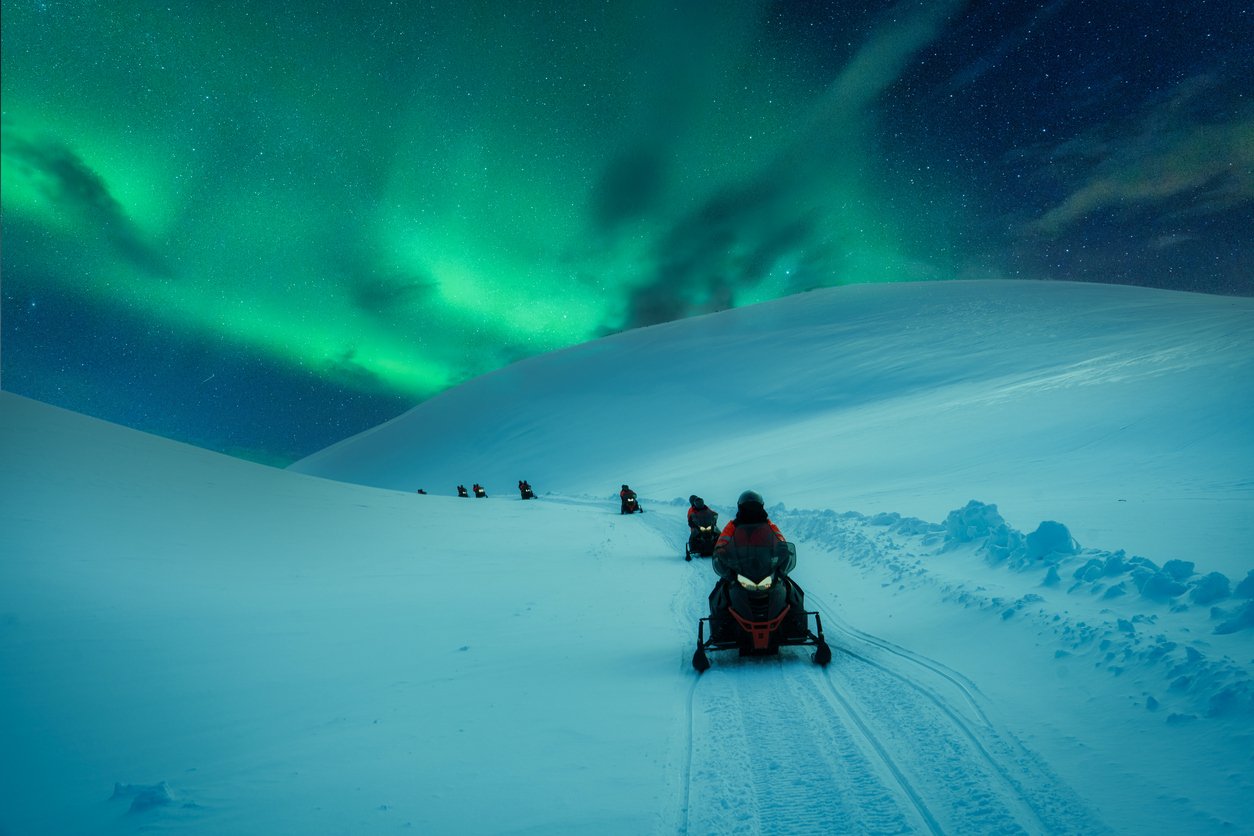
Start among the trees around Gargia and climb towards the open plateau by snowmobile.
It's one of the best ways to appreciate how quickly Alta's landscape changes from forest to enormous expanses of snow, mountains and sky.
Try Snowshoeing
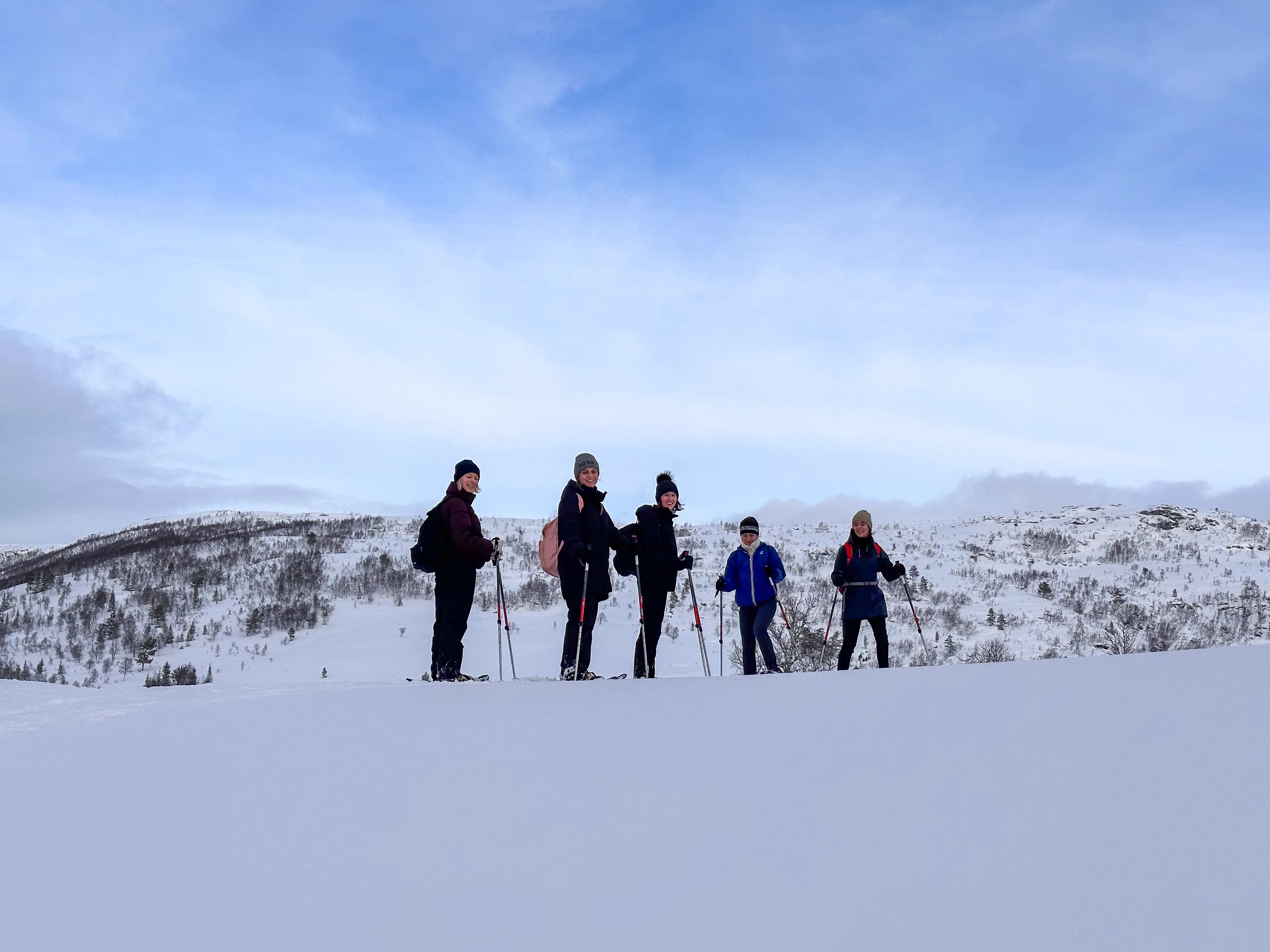
You don't need an engine to explore winter.
Snowshoeing gives first-timers and families a much slower introduction to the landscape, following snowy trails through the forest and towards open viewpoints.
Cross the Winter Landscape by Snowtrain
Don't want to drive a snowmobile?
A snowtrain lets you sit inside a heated sled while being pulled through the winter landscape towards Finnmarksvidda.
It's particularly useful for mixed-ability groups and travellers who want the scenery without needing to operate a machine.
The result is a winter itinerary where the days are every bit as important as the nights.
Come to Alta hoping to see the Northern Lights.
But don't spend the whole trip waiting for them.
What Is the Northern Lights Cathedral in Alta?
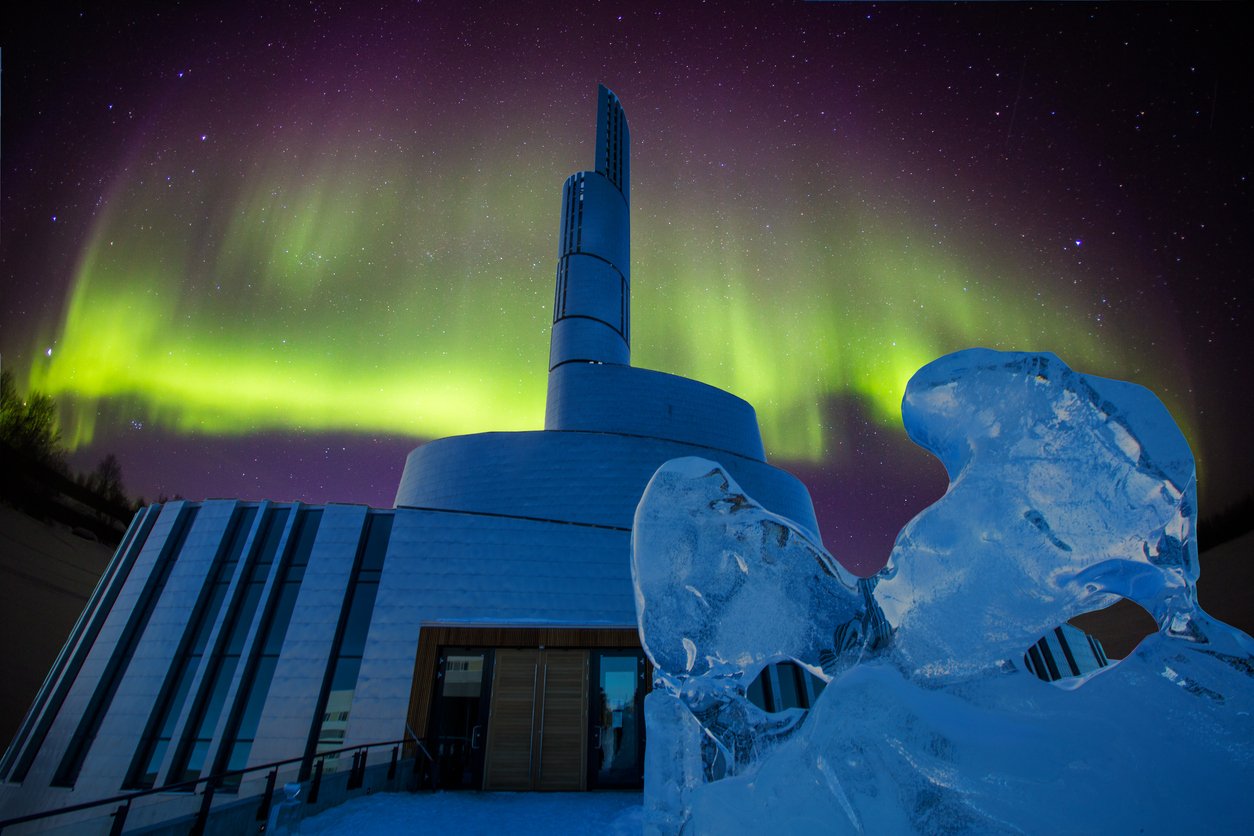
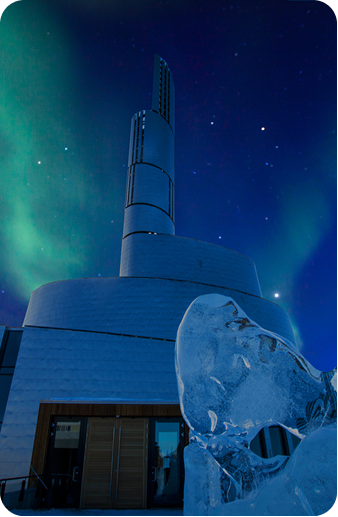
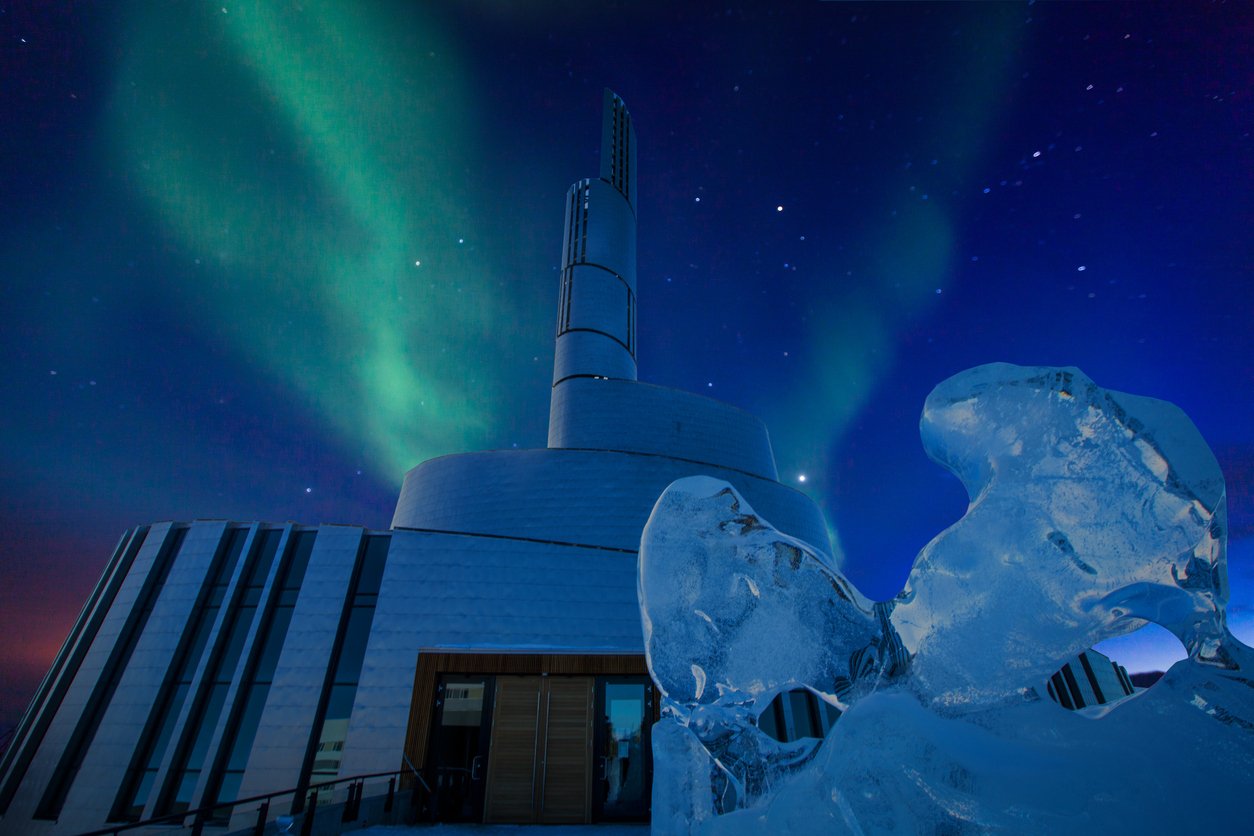
Search for Alta and you'll probably come across photographs of a striking silver building twisting upwards from the centre of town.
That's the Northern Lights Cathedral, one of Alta's best-known architectural landmarks. Visit Norway identifies it as one of the city's notable attractions, while Visit Alta describes it as a landmark in the centre of Alta.
Can You See the Aurora From the Northern Lights Cathedral in Alta?
Potentially, yes. The real Aurora can be visible over Alta when conditions cooperate.
But despite the name, the Northern Lights Cathedral in Alta isn't a dedicated dark-sky viewing location.
It's a city-centre landmark inspired by Alta's strong association with the Aurora.
If your priority is seeing the Northern Lights themselves, darker surroundings outside the centre generally provide a better viewing environment.
Visit the cathedral because you're interested in Alta.
Head into the Arctic landscape because you're interested in the sky.
How to Plan an Alta Northern Lights Trip
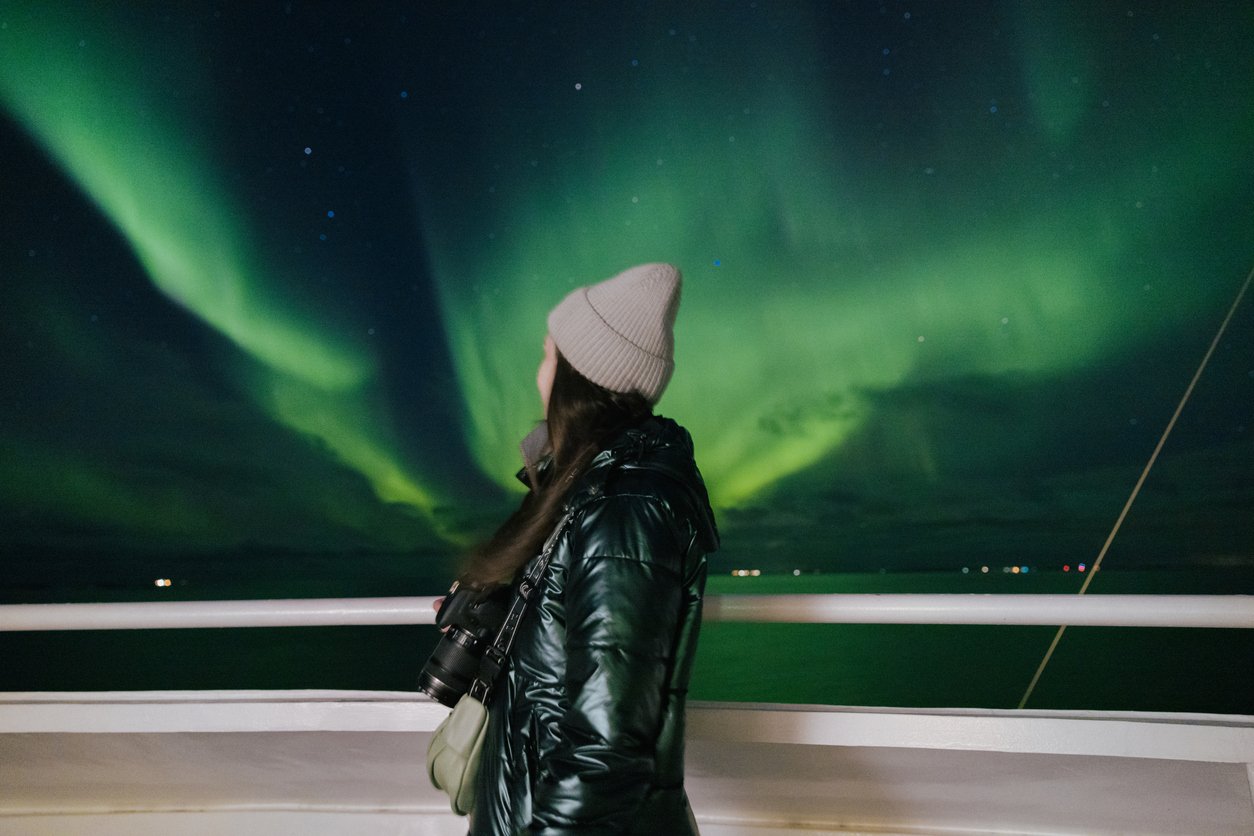
Once you've decided on Alta, a few decisions can make the trip significantly easier.
How Many Days Should You Spend in Alta?
If the Northern Lights are important to you, we wouldn't build an entire trip around a single night.
No destination can guarantee the combination of clear sky and Aurora activity on one specific evening.
Several nights give you more opportunities for conditions to align. They also give you enough time to experience Alta during the day rather than treating it purely as somewhere to sleep between Aurora hunts.
A longer stay means you can combine Northern Lights evenings with dog sledding, snowmobiling, whale watching, snowshoeing and other Arctic experiences.
Where Should You Stay in Alta?
You broadly have two approaches.
Stay in Alta itself if you value easy access to restaurants, shops and other city amenities.
Stay farther into the surrounding landscape if you want the wilderness to be part of the experience.
For example, Gargia is around half an hour from central Alta and places you much closer to the forest, winter activities and routes leading towards Finnmarksvidda.
A multi-day itinerary can also combine the two.
Do You Need a Car in Alta?
Not necessarily.
If your tours include transfers or transport, you can experience a lot without renting one.
If you do intend to drive independently, remember that winter driving this far north can be very different from everyday driving at home. Snow, ice, darkness and rapidly changing conditions need to be taken seriously.
For many visitors, having transportation included with guided activities removes one of the biggest logistical headaches of an Arctic winter trip.
What Should You Wear to See the Northern Lights in Alta?
Dress for standing still, not just for the temperature shown on your weather app.
That's an important distinction.
You might feel perfectly comfortable walking through town at a particular temperature and then become cold quickly after standing outside watching the sky.
Think in layers:
- Warm base layers
- Insulating mid-layers
- Weather-resistant outer layers
- Warm hat
- Gloves or mittens
- Thick socks
- Insulated winter footwear
Some guided experiences provide thermal suits, boots or other winter equipment, but always check the inclusions for your specific tour.
How Much Does an Alta Northern Lights Trip Cost?
There's no useful single figure because Alta trips range from a few nights planned independently to fully organised multi-day packages.
Your main costs are likely to include:
Flights + accommodation + meals + local transportation + winter activities + Northern Lights experiences.
A dedicated evening Northern Lights tour costs considerably less than a multi-day package combining accommodation and several Arctic activities, but they're solving two different problems.
If you're comparing options, look at what is actually included, rather than comparing headline prices alone.
Can You Photograph the Northern Lights in Alta, Norway?
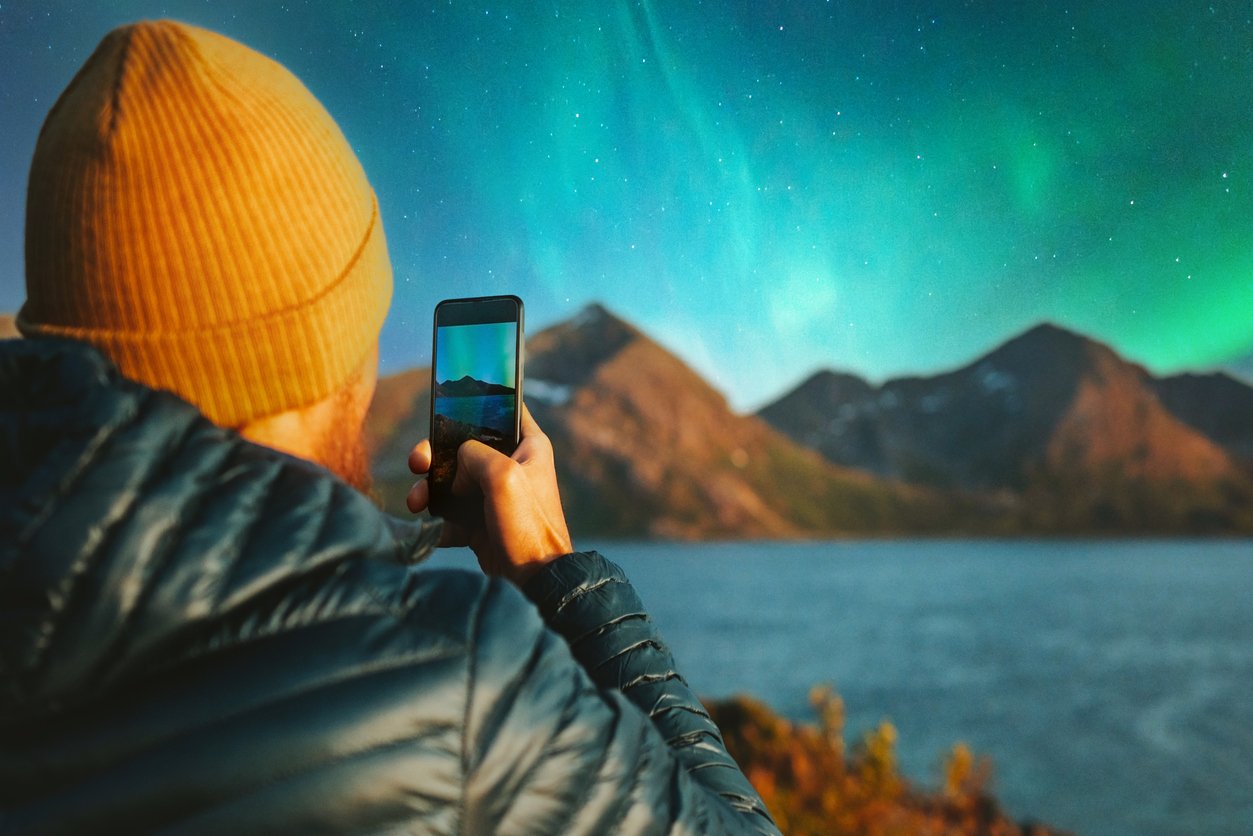
You can take photos of the Northern Lights in Alta, Norway, and modern smartphones have made Aurora photography considerably more accessible.
For a phone, use its night mode where available and keep the device as still as possible.
For a camera, you'll generally want:
- A tripod
- A wide or relatively wide lens
- Manual control
- A relatively wide aperture
- A higher ISO
- A shutter speed appropriate to how quickly the Aurora is moving
- Spare batteries
Cold weather drains batteries faster, so keep spares somewhere warm.
And don't spend the entire display looking at a screen.
Get the photograph.
Then put the camera down.
Responsible Northern Lights Travel in Alta
The best Northern Lights locations are often attractive precisely because they're dark, quiet and relatively undisturbed.
Treat them that way.
Follow your guide's instructions, respect private property and local residents, don't leave rubbish behind and don't disturb wildlife for the sake of a photograph.
Winter also deserves respect.
Don't wander into unfamiliar terrain at night simply because an Aurora app tells you activity is high. Weather, snow, cold and visibility can turn what looks like an easy walk into something much more serious.
A good Northern Lights experience should leave the landscape exactly as you found it.
Frequently Asked Questions About the Alta, Norway Northern Lights
Can you see the Northern Lights in Alta, Norway?
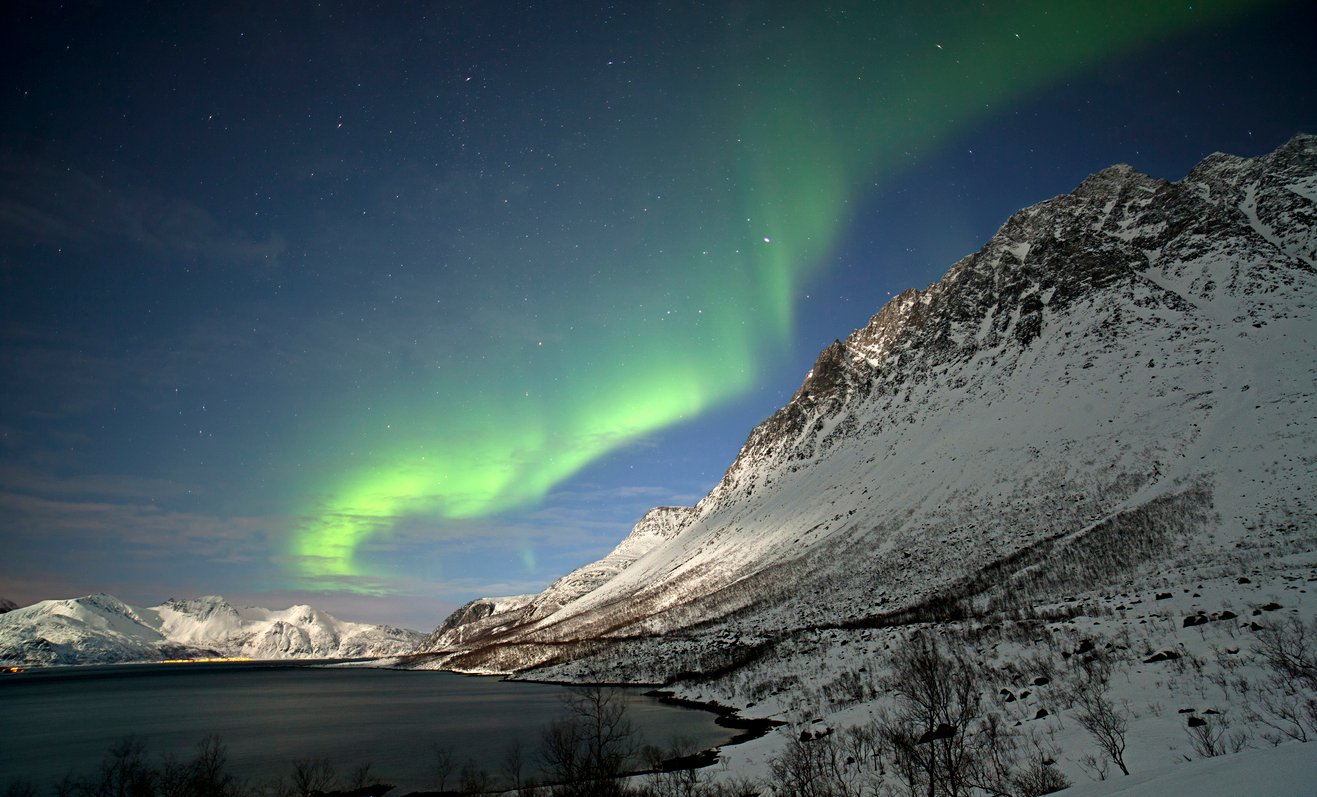
Yes. Alta sits around 70° north, above the Arctic Circle, and the Northern Lights can be seen when the sky is sufficiently dark and clear and auroral activity is present. The local viewing season generally runs from September until late March.
Is Alta good for the Northern Lights?
Yes. Alta's northern location and access to dark areas towards the coast, surrounding valleys and Finnmarksvidda make it a strong Northern Lights destination. Local guides can also change direction according to weather and cloud conditions.
What is the best month to see the Northern Lights in Alta?
There isn't one guaranteed best month. September through March all provide sufficiently dark nights during at least part of the day, while weather and Aurora activity vary from night to night. Choose your month based on the wider Arctic experience you want as well as the Northern Lights.
When is Northern Lights season in Alta?
The main Alta Northern Lights season runs from September through late March. By September, dark evenings have returned, while late March still provides dark enough nights for Aurora viewing.
Can you see the Northern Lights from Alta town?
Yes, a sufficiently strong Aurora can be visible from town. However, travelling away from artificial light provides darker surroundings and gives you more flexibility to find clearer skies.
Are the Northern Lights guaranteed in Alta?
No. No responsible Northern Lights operator can guarantee a sighting. Darkness, clear enough skies and Aurora activity all need to cooperate.
Is Alta or Tromsø better for the Northern Lights?
Both are excellent Northern Norway destinations, and neither can guarantee better Aurora conditions on a particular night. Tromsø offers a larger city and enormous tourism infrastructure, while Alta provides particularly quick access to quieter forests, valleys and Finnmarksvidda. Choose according to the overall winter holiday you want rather than the Northern Lights alone.
How many nights should I spend in Alta for the Northern Lights?
If seeing the Aurora is important to you, spending several nights in Alta is preferable to relying on one evening. More nights mean more opportunities for weather and Aurora conditions to cooperate, while also giving you time for dog sledding, snowmobiling, snowshoeing and other winter activities.
Do I need a Northern Lights tour in Alta?
No, but a guided Northern Lights tour in Alta, Norway can make the experience easier. Local guides understand the surrounding terrain and can use weather and cloud conditions to choose where to search, while also taking care of winter transportation.
What happens if it's cloudy in Alta?
Cloud cover can prevent you from seeing the Aurora even when activity is happening above it. Mobile Northern Lights tours can respond by travelling towards areas where conditions look more promising, sometimes towards the coast and sometimes inland towards Finnmarksvidda.
Can you see the Northern Lights during the polar night in Alta?
Yes. The polar night provides plenty of darkness for Aurora viewing. In Alta, the sun remains below the horizon roughly from late November until mid-January.
Is Alta completely dark all day during the polar night?
No. Polar night means the sun doesn't rise above the horizon, not that every hour is completely black. Alta still experiences Arctic twilight and distinctive blue, pink and golden light during part of the day.
How cold is Alta during Northern Lights season?
Temperatures vary substantially across the season. January and February are typically the coldest months, with Visit Norway reporting an average temperature around -8°C, but individual nights can be considerably colder.
What should I wear to see the Northern Lights in Alta?
Wear warm layers suitable for spending extended periods outside in Arctic conditions. Thermal base layers, insulation, weather-resistant outerwear, warm boots, thick socks, a hat and gloves or mittens are sensible essentials. Some guided tours provide additional thermal equipment.
What is the Northern Lights Cathedral in Alta?
The Northern Lights Cathedral is a distinctive architectural landmark in central Alta associated with the city's identity as a Northern Lights destination. It is an attraction in its own right rather than a dedicated Aurora-viewing station.
What else can you do in Alta besides seeing the Northern Lights?
Winter activities around Alta include dog sledding, snowmobiling, snowshoeing, skiing, fat biking and seasonal whale experiences. This makes Alta particularly attractive if you want a complete Arctic winter holiday rather than a trip dependent entirely on Aurora sightings.
Make the Northern Lights Part of Your Arctic Adventure in Alta, Norway
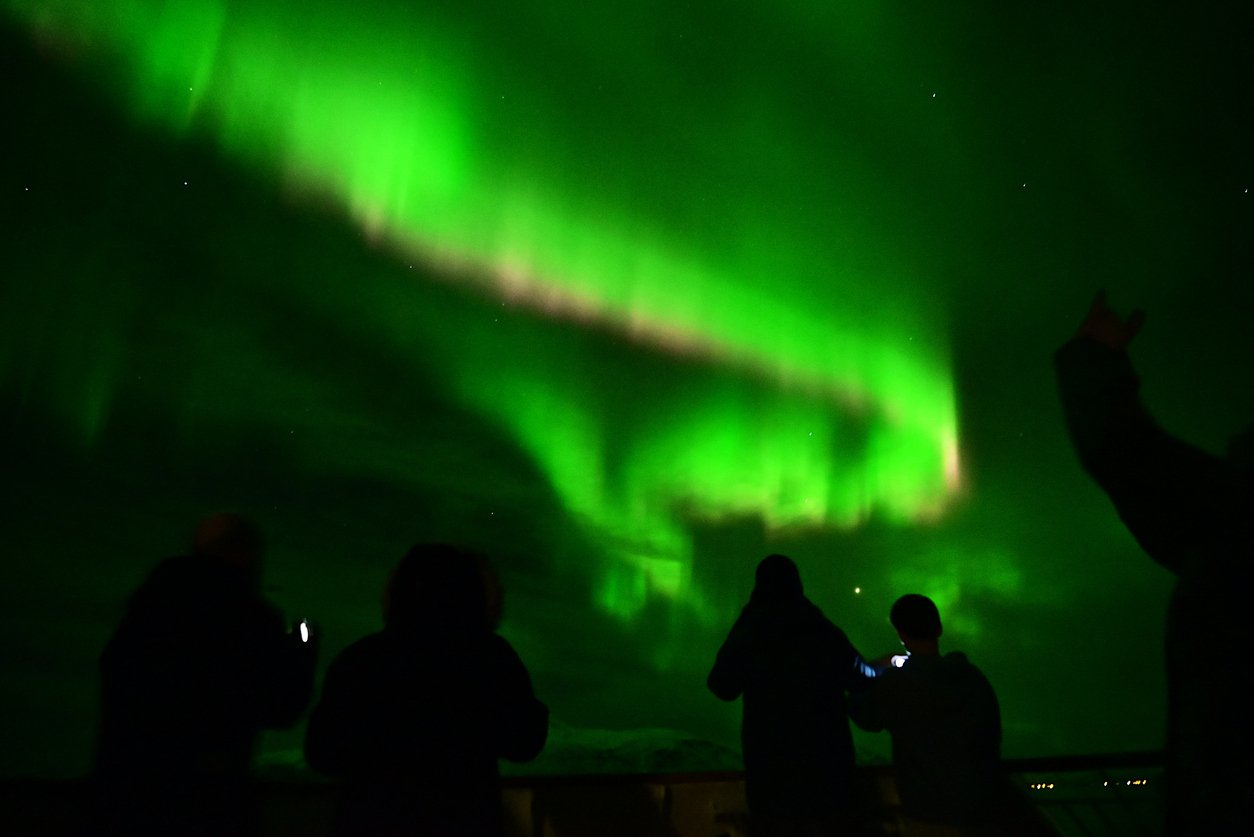
The Alta, Norway Northern Lights may be what first puts the city on your map, but they shouldn't be the only thing you come for.
Alta gives you dark winter skies, but it also gives you Finnmarksvidda, huskies pulling through snowy forest, snowmobiles climbing towards the plateau, Arctic fjords and winter evenings spent far away from city lights.
And that's the best way to plan a Northern Lights holiday.
Give yourself several opportunities to look up. Fill the days with experiences worth travelling north for. Then, when the clouds clear and the Aurora finally starts moving across the sky, you're not watching the only memorable moment of your trip.
You're watching one more.
Ready to experience it for yourself? Explore our Northern Lights tours in Norway, from evening adventures in Alta to complete multi-day Arctic tour packages.