
Yes, there are polar bears in Norway, but not on mainland Norway! Wild polar bears live in Svalbard, the Norwegian Arctic archipelago far north of the mainland.
So if you're visiting places such as Tromsø, Alta, Bergen, Oslo or Voss, you should not expect to see polar bears. To have the possibility of seeing one in the wild in Norwegian territory, you need to travel much further north to Svalbard.
Even there, seeing one is never guaranteed.
Polar bears roam enormous distances across the Arctic, and Svalbard isn't a wildlife park. In fact, there are strict rules designed to prevent people from seeking out or disturbing polar bears.
So before you start worrying about meeting one on your Northern Lights trip to Alta, here's what you actually need to know about polar bears in Norway.
Does Norway Have Polar Bears?
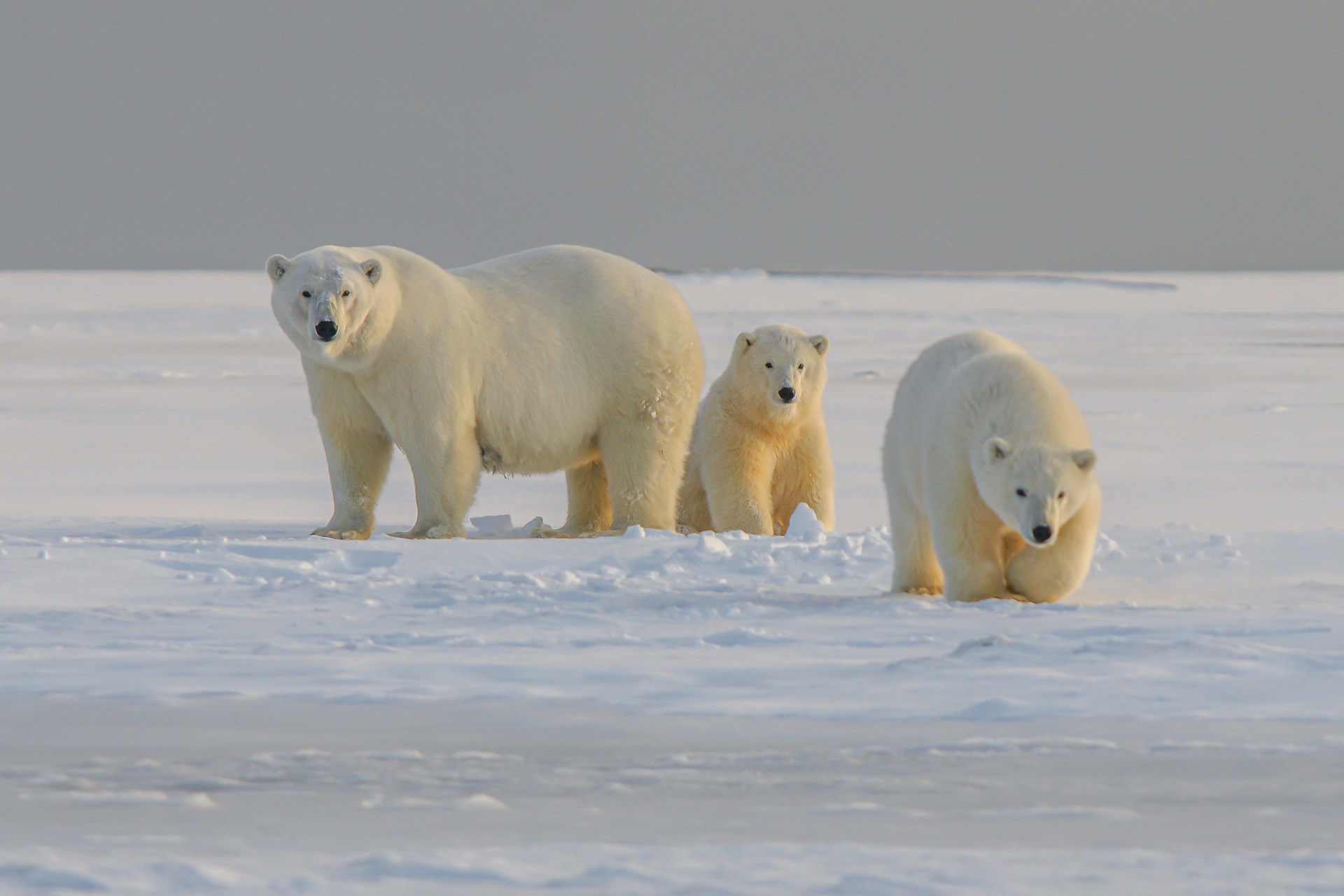
Yes. Norway has wild polar bears, but the important distinction is where they live.
Mainland Norway does not have an established wild polar bear population. Svalbard does.
Svalbard is a Norwegian archipelago in the High Arctic, well north of the Norwegian mainland and much closer to the North Pole than cities such as Oslo and Bergen.
That's why saying "there are polar bears in Norway" can be slightly misleading for travellers.
If you're road-tripping through the fjords, hiking around Voss or visiting Northern Norway, you're not entering polar bear country.
If you're travelling to Svalbard, you’re in the right place.
Polar bears can occur throughout the archipelago, and anyone travelling outside Svalbard's settlements needs to take polar bear safety seriously. The Governor of Svalbard requires people travelling outside settlements to have suitable means of scaring away polar bears.
In short: If you're travelling around mainland Norway, you don't need to plan your trip around polar bears. If you're travelling to Svalbard, polar bear safety becomes a serious consideration.
Where Do Polar Bears Live in Norway?
Norway's polar bears are associated with Svalbard and the surrounding Arctic sea-ice environment.
The Svalbard archipelago consists of several major islands, including Spitsbergen, Nordaustlandet, Edgeøya and Barentsøya, along with many smaller islands.
But don't think of these as individual polar bear destinations where you can simply turn up and wait.
Polar bears are highly mobile.
Some bears remain around Svalbard for much of the year, while others follow the sea ice over large areas. Norwegian Polar Institute research distinguishes between more coastal bears that remain close to Svalbard and more pelagic bears that follow the ice northeast as it retreats during summer.
That movement is closely connected to feeding.
Polar bears are marine mammals, and sea ice gives them access to one of their most important sources of food: seals.
So although everyone asks us where the best polar bear "spot" is in Norway, wildlife doesn't work quite like that here.
Polar bears don't stay neatly within one part of Svalbard waiting for visitors.
And that's going to become important when we get to the question of polar bear safaris.
Are There Polar Bears in Northern Norway?
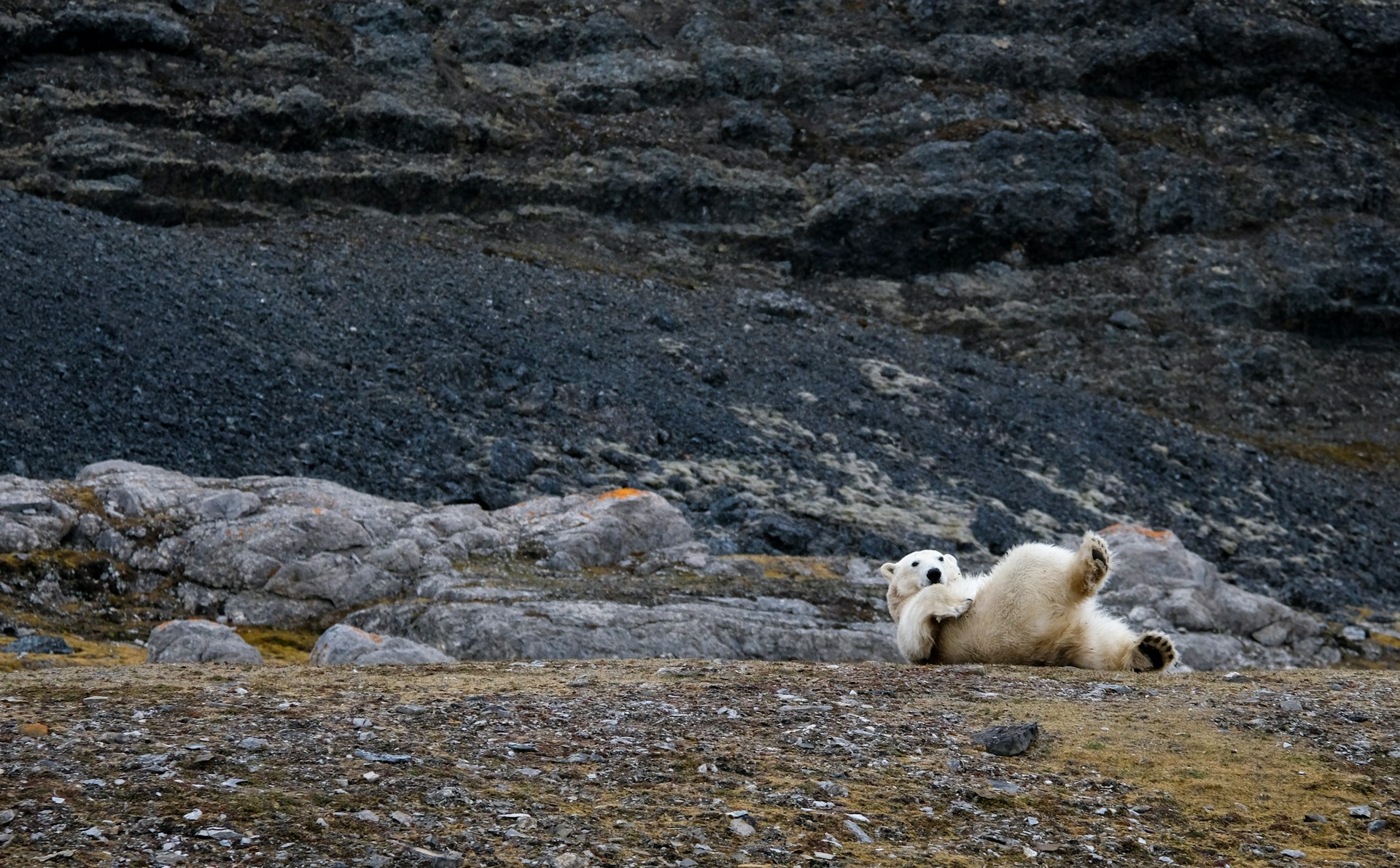
Not in the places most travellers mean when they say Northern Norway!
Alta, Tromsø, Lofoten and the North Cape are all extremely far north by most people's standards. But, believe it or not, they're still part of mainland Norway.
They do not have a resident wild polar bear population.
That's an important distinction because "Arctic Norway" can make it sound as though anywhere sufficiently far north comes with polar bears.
If you're travelling to Alta for the Northern Lights, dog sledding or snowmobiling, polar bears aren't something you should expect to encounter.
That doesn't mean Northern Norway is short of wildlife.
Depending on where you travel and the season, Northern Norway can offer opportunities to encounter reindeer, moose, whales, sea eagles and other Arctic and sub-Arctic wildlife.
But if polar bears are specifically what you're hoping to see, you need to look much further north towards Svalbard.
Why Are There Polar Bears in Svalbard?
For a polar bear, the important question isn't whether somewhere belongs to Norway.
It's whether the habitat provides the sea ice and prey it needs to survive.
Svalbard sits in the High Arctic and forms part of a much larger marine ecosystem extending across the Barents Sea.
Polar bears are remarkably well adapted to this environment.
Although they're perfectly capable of travelling across land, polar bears are classified as marine mammals and depend heavily on the marine environment for food.
Sea ice is particularly important because it provides a platform from which bears can hunt seals.
Ringed seals are among the key prey species in the region, which is why changes to the sea ice affect far more than whether there's ice floating around Svalbard. They influence the entire food web polar bears depend upon.
This is also why polar bears don't simply migrate south into mainland Norway as Arctic sea ice changes.
Snowy mountains alone don't make suitable polar bear habitat. The relationship between ocean, sea ice and prey is fundamental.
How Many Polar Bears Are There in Norway?
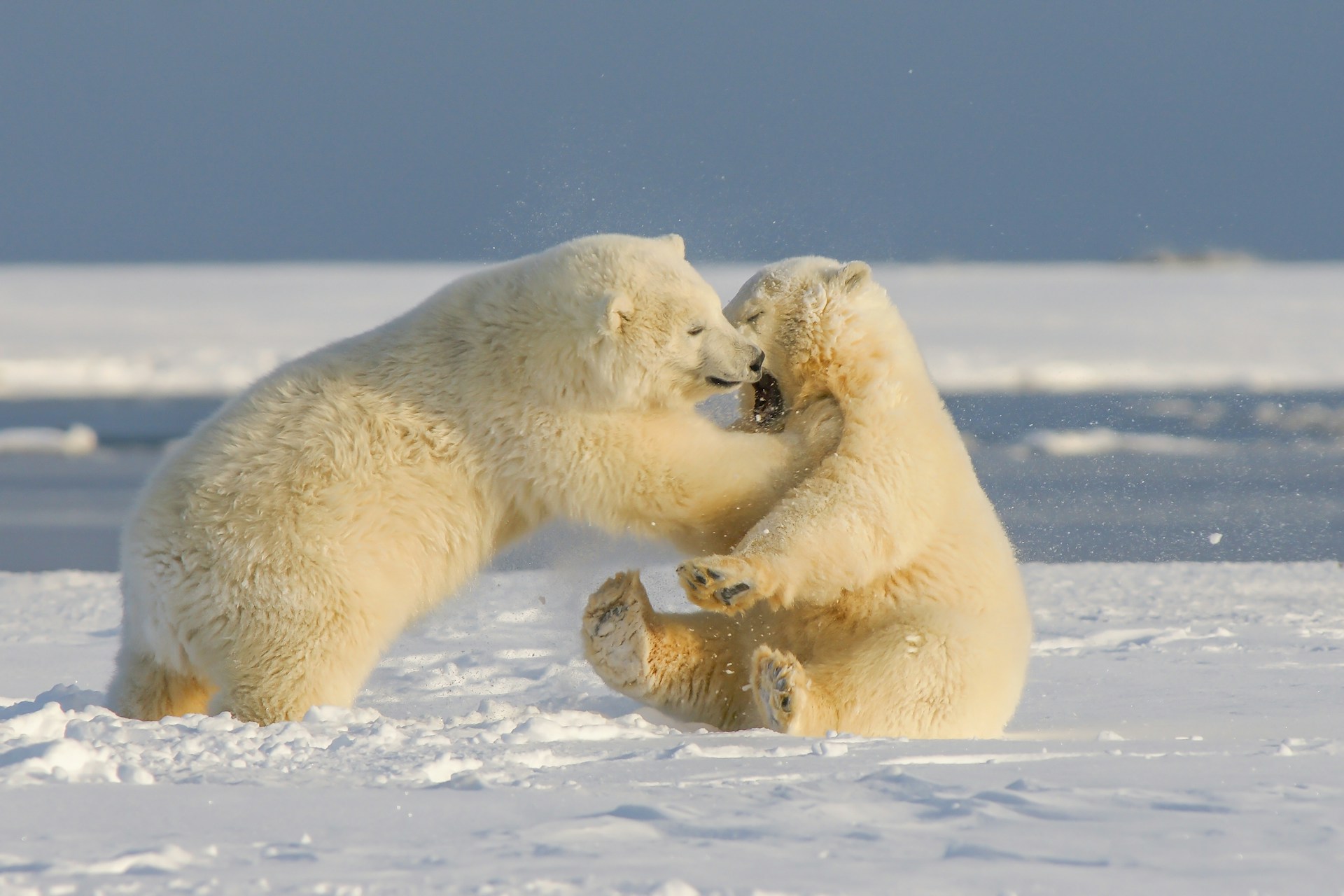
This question is very tough to answer for reasons we discussed above.
You'll sometimes see travel websites state that there are a particular number of polar bears "in Svalbard".
But polar bears don't recognise international borders.
Svalbard's polar bears belong to the Barents Sea population, one of the world's recognised polar bear subpopulations. Bears belonging to this population move through a large Arctic area rather than remaining permanently inside Norwegian territory.
That's why there isn't one simple current number answering how many polar bears there are in Norway.
The Norwegian Polar Institute reports that surveys estimated approximately 685 polar bears in the Norwegian area in 2004 and 975 in 2015, while also stressing that these figures carry considerable uncertainty.
Keep in mind that the 2015 figure is now more than a decade old, it was an estimate, and these animals belong to a population moving across a much larger ecosystem.
So if you come across a suspiciously precise current number for the polar bears "living in Svalbard", which some local tour guides like to offer, take it with a grain of salt.
Can You See Polar Bears in Svalbard?
You can! But you should treat seeing one as a possibility rather than an expectation.
Polar bears can be found around Svalbard throughout the year, but they're wild animals roaming through an enormous and difficult-to-access landscape.
They don't follow tourism schedules.
Weather changes. Sea-ice conditions change. The bears move. And even a polar bear that's relatively nearby can be surprisingly difficult to spot against an Arctic landscape.
Visit Svalbard puts it clearly: there is no predictable time or place where visitors can expect to see one.
Spending longer in Svalbard and travelling through more remote areas may give you more opportunities to encounter Arctic wildlife, but that's very different from guaranteeing a polar bear.
And simply visiting Longyearbyen doesn't mean you'll see one. Svalbard isn't a wildlife park. That's exactly what makes seeing a polar bear there so extraordinary.
If you're lucky enough to observe one safely in the wild, you're watching an animal living on its own terms in one of the most remote environments on Earth.
That's a very different experience from arriving somewhere knowing an animal will be waiting for you.
Can You Go on a Polar Bear Safari in Norway?
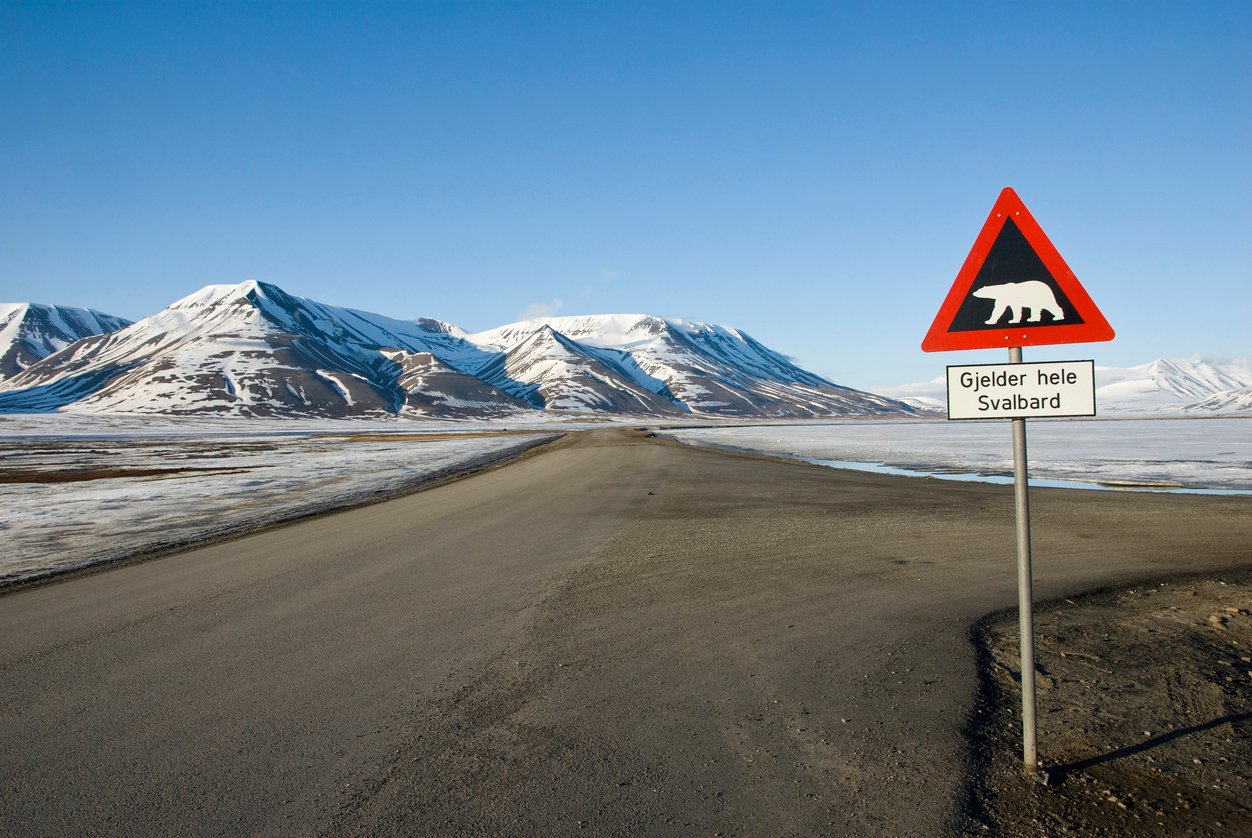
Search for “polar bear safari in Norway" and you might reasonably assume you can book a tour that takes you out looking specifically for polar bears.
In Svalbard, that's not how it works.
There are no organised polar bear safaris where operators set out specifically to find polar bears.
Norwegian regulations prohibit unnecessarily disturbing, attracting or pursuing polar bears, and local sources explicitly state that tours designed to seek them out do not exist.
You can, however, join guided expeditions and other Arctic experiences where wildlife observation is part of the wider journey.
Depending on the season, these might be expedition cruises, boat trips, ski & sail trips or other guided experiences through Svalbard's wilderness.
A polar bear sighting can happen on these, but it's a bonus, not something the guide should be chasing across the landscape.
There are now minimum-distance rules too. Visitors generally need to remain at least 300 metres from a polar bear, increasing to 500 metres between 1 March and 30 June. If you see a bear at close range in applicable circumstances, you are legally required to retreat.
That's how wild polar bear tourism should work.
A responsible polar bear experience is about observing wildlife from a safe distance, and not approaching, feeding or pursuing an animal for a photograph.
When Is the Best Time to See Polar Bears in Svalbard?
There's a difference between the best time to visit Svalbard for wildlife expeditions and a guaranteed best time to see a polar bear.
The latter doesn't really exist.
Polar bears can occur around Svalbard throughout the year, and their movements are affected by factors including sea ice, prey availability and individual behaviour.
If you’re traveling there anyway, summer opens up much more of the archipelago to boat and expedition travel. Svalbard's polar summer runs from roughly mid-May until the end of September, with the Midnight Sun dominating much of that period.
That can make summer particularly attractive for broader Arctic wildlife expeditions.
But don't interpret "better access" as "guaranteed polar bears".
There is no month where a wild bear is scheduled to appear.
If seeing one is important to you, choose a trip because you want to experience Svalbard itself; the glaciers, wildlife, Arctic landscapes and remoteness.
Then consider a polar bear sighting an awesome bonus!
Are Polar Bears Dangerous in Svalbard?
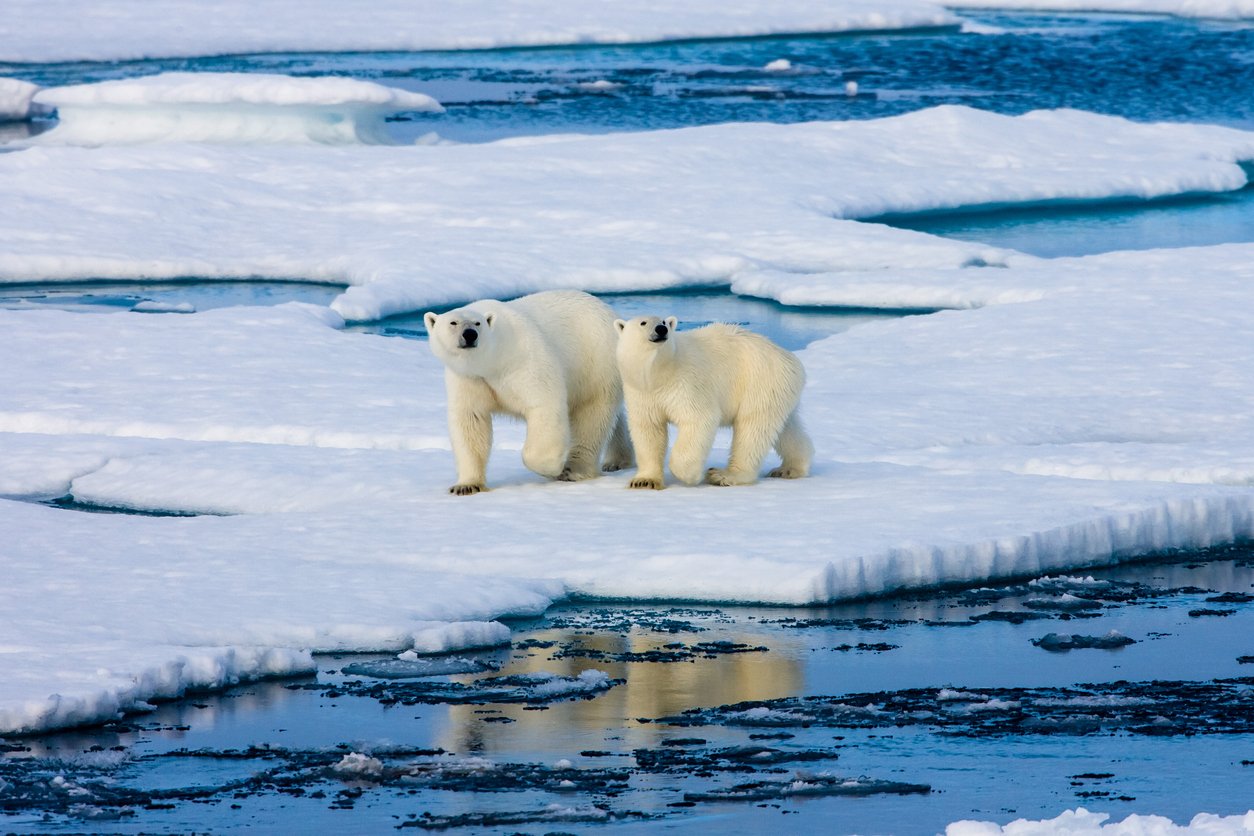
Of course. Polar bears are enormous wild predators, and their presence in Svalbard should be treated seriously.
That doesn't mean visitors need to spend their entire trip worrying about being attacked.
It means you need to respect where you are.
The rules governing travel outside Svalbard's settlements exist for a reason, and visitors are strongly encouraged to use experienced local guides who understand wildlife, weather and field safety.
Current regulations also protect the bears themselves.
Disturbing or pursuing a polar bear isn't just dangerous. It's prohibited.
That's an important part of polar bear safety that sometimes gets forgotten. A bad human-bear encounter can endanger both the person and the animal.
Seeing a polar bear from a safe distance can be one of the great wildlife experiences on Earth. Meeting one unexpectedly on foot is a very different situation, one that often doesn’t go well.
If you're visiting Svalbard and travelling beyond the settlements, follow current local guidance rather than relying on general wildlife advice you read online.
What Is Happening to Svalbard's Polar Bears?
This is where the story becomes more complicated.
Polar bears depend heavily on sea ice, and Arctic sea ice has undergone major changes as the climate has warmed.
The Norwegian Polar Institute identifies declining sea ice as a major threat to ice-dependent Arctic mammals, including polar bears. Reduced ice can affect access to hunting grounds and the distances bears need to travel between feeding and denning areas.
But don’t to reduce that complicated story to "All of Svalbard's polar bears are starving."
Recent research has produced some surprising findings.
In January 2026, the same institute reported research showing that polar bears studied around Svalbard were actually in better body condition than 25 years earlier, despite substantial sea-ice decline and bears spending considerably less time on the ice. Researchers described the result as surprising.
Don’t take that as meaning declining sea ice isn't a problem. It means ecosystems are complicated.
Some bears are changing how they use the landscape and what they eat. Researchers have, for example, been studying polar bears hunting reindeer on land and investigating whether alternative food sources are becoming increasingly important.
Longer term, reduced sea ice is still expected to create serious challenges. Scientists are particularly concerned about access to hunting areas and denning grounds as distances between suitable sea ice and land increase.
So the accurate answer to your question isn't a dramatic one-line headline.
Their Arctic environment is changing rapidly, researchers are observing changes in behaviour and habitat use, and scientists continue to monitor how the Barents Sea population responds.
Polar Bears vs Other Wildlife in Norway
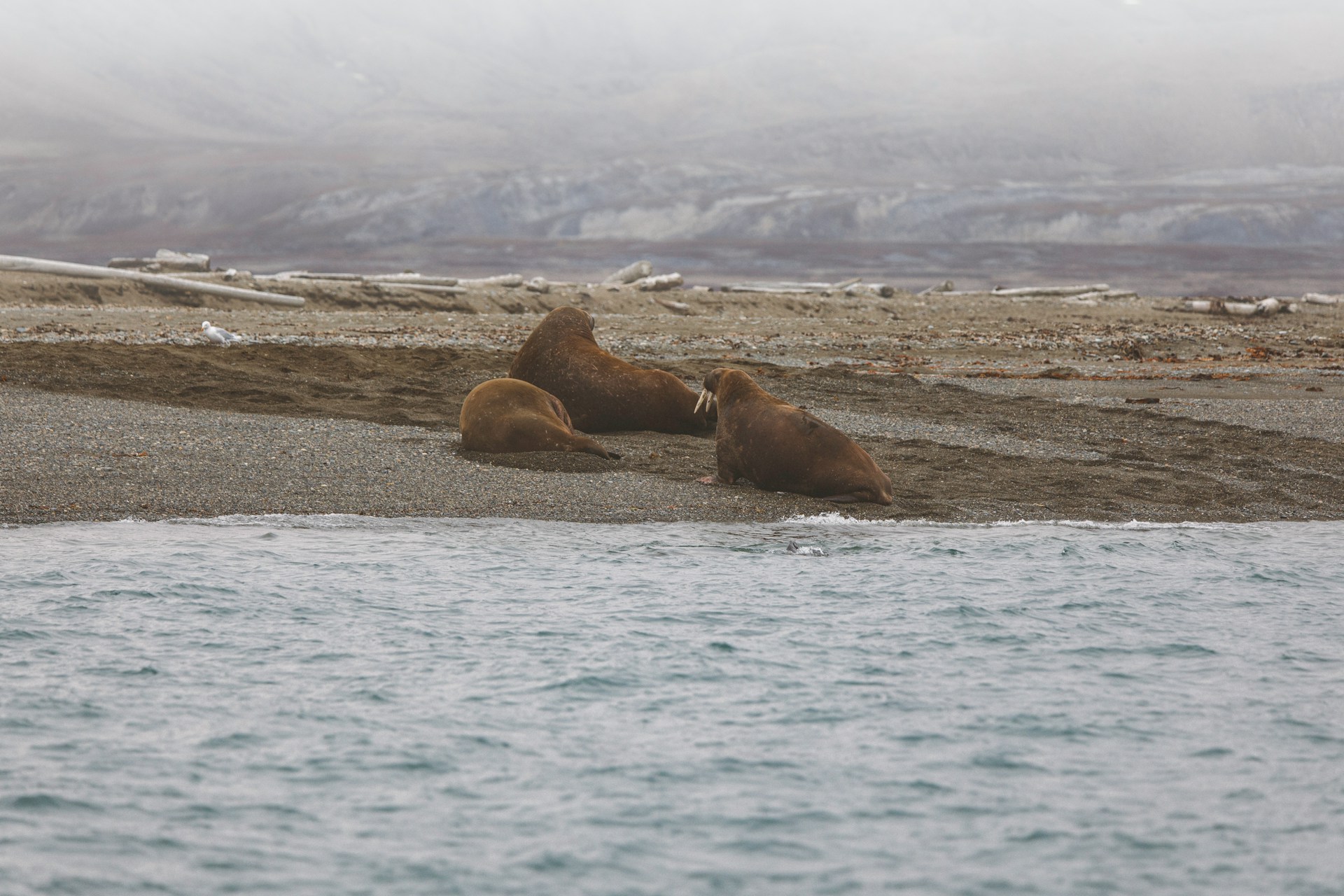
Polar bears might be Norway's most famous Arctic predator, but they're far from the only wildlife you can encounter here.
Where you go makes an enormous difference.
|
Animal |
Where you're more likely to encounter it |
|
Polar bear |
Svalbard |
|
Reindeer |
Northern Norway and Svalbard |
|
Moose |
Mainland Norway |
|
Whales |
Norwegian coast and Northern Norway |
|
Musk ox |
Dovrefjell |
|
Sea eagle |
Coastal Norway |
|
Arctic fox |
Arctic and some alpine environments |
And just like polar bears, none of these animals should be treated as props waiting beside the road for your holiday photos.
Wildlife sightings depend on location, season and a certain amount of luck.
That's part of the point.
Visiting Northern Norway? Here's What You'll Find Instead
If you're planning a trip to Alta or Tromsø for the Northern Lights, you won't be searching the horizon for polar bears.
But Northern Norway isn't exactly short of reasons to go.
Winter brings some of the best-known Arctic experiences in Norway.
You can spend an evening searching for the Northern Lights, travel through snowy landscapes behind a team of huskies, head onto the Finnmarksvidda by snowmobile, explore on snowshoes or take to the fjords in search of whales.
There are reindeer and opportunities to learn more about Sámi culture, enormous Arctic landscapes and winter nights where the sky becomes part of the adventure.
And unlike a polar bear sighting, you can actually build a trip around many of these experiences.
That's an important distinction.
Svalbard is where you go for the possibility of polar bears. Northern Norway is where you can build a much broader Arctic winter adventure.
If you're deciding between them, don't simply ask which one sounds more Arctic.
Ask what you actually want to do once you get there.
Frequently Asked Questions About Polar Bears in Norway
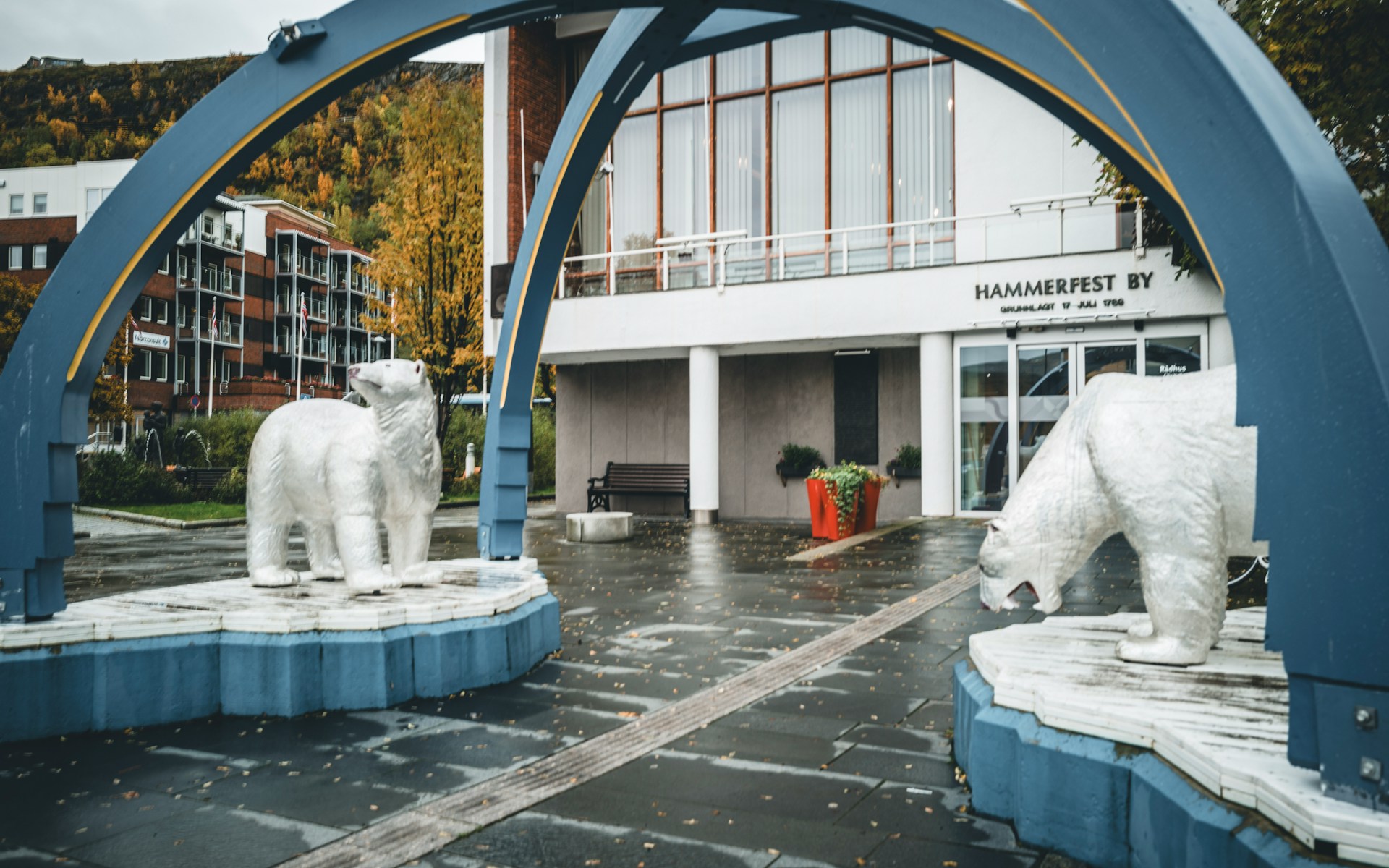
Are there polar bears in Norway?
Yes. Wild polar bears live in Svalbard, which is part of Norway. There is no established wild polar bear population on mainland Norway.
Do polar bears live on mainland Norway?
No. You should not expect to encounter wild polar bears while travelling around mainland Norway, including Northern Norway.
Are there polar bears in Tromsø?
Tromsø does not have a resident wild polar bear population. To enter polar bear habitat in Norwegian territory, you would need to travel much further north to Svalbard.
Are there polar bears in Alta?
No resident wild polar bear population lives around Alta. Visitors to Alta are far more likely to associate their Arctic trip with reindeer, whales, huskies and Northern Lights than polar bears.
Are there polar bears in Svalbard?
Yes. Svalbard is polar bear habitat, and bears can occur throughout the archipelago. Svalbard's bears form part of the wider Barents Sea polar bear population.
How many polar bears are in Svalbard?
There isn't a reliable single current number for bears permanently "living in Svalbard" because polar bears move across the wider Barents Sea region. The Norwegian Polar Institute estimated about 975 animals in the Norwegian area in its 2015 survey, but notes substantial uncertainty around such figures.
Where is the best place to see polar bears in Norway?
Svalbard is the Norwegian territory where wild polar bears live, but there isn't a specific location where sightings can be guaranteed. Polar bears roam widely and their movements depend partly on sea-ice conditions and access to food.
Can you go on a polar bear safari in Norway?
Not in the conventional sense. Svalbard does not permit organised tours whose purpose is to seek out polar bears. Visitors may encounter bears during guided Arctic expeditions, but operators must respect strict wildlife-protection and distance rules.
Are polar bear sightings guaranteed in Svalbard?
No. Even on longer wildlife expeditions, there is no guarantee you'll see a polar bear.
That's wildlife.
Is it safe to visit Svalbard with polar bears?
Yes, people visit Svalbard safely, but polar bear risk must be taken seriously when travelling outside settlements. Follow current regulations and local guidance and use experienced guides for activities in Svalbard's wilderness.
Explore Arctic Norway beyond the polar bears
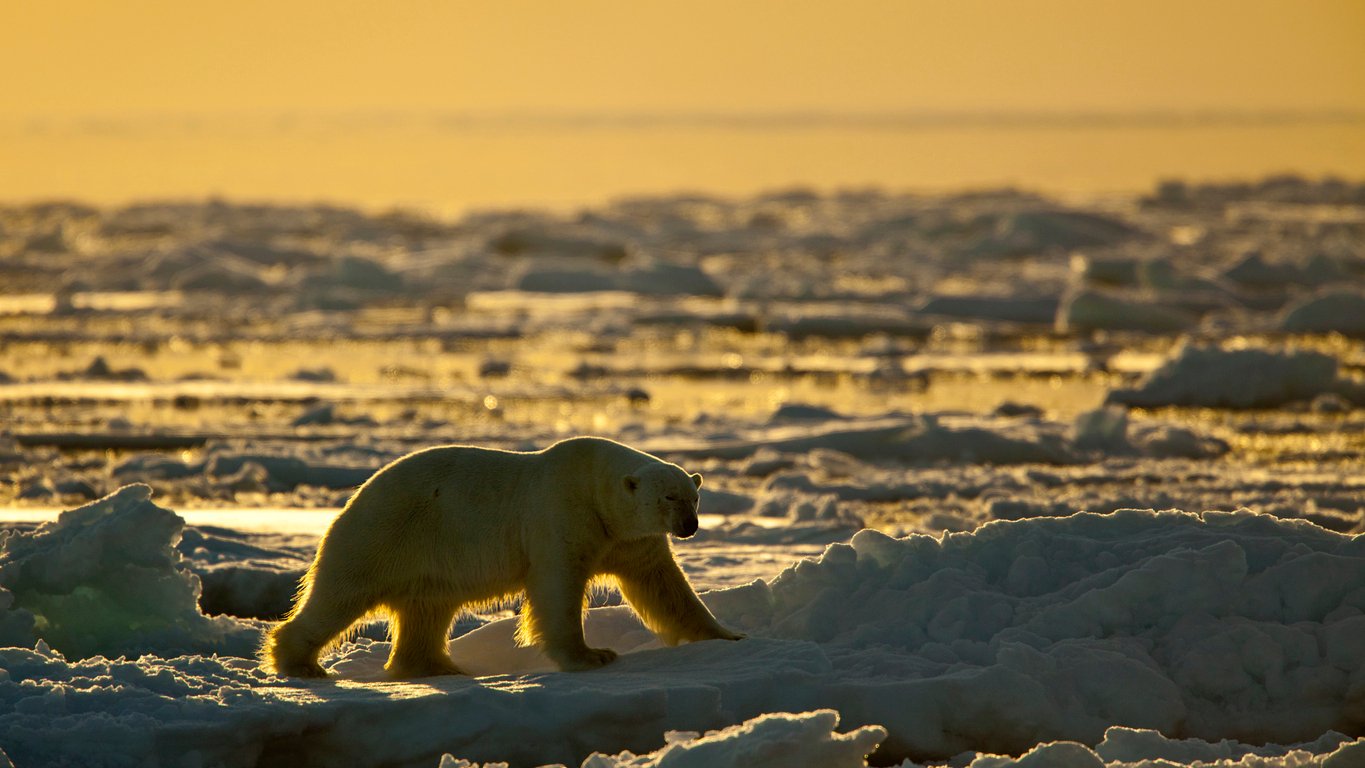
You won't find polar bears roaming around Alta. What you will find are Northern Lights, whales, huskies, snow-covered mountains and an enormous Arctic landscape waiting outside.
If Svalbard is polar bear country, Northern Norway is where you can experience many of the other things that make the Arctic extraordinary.
And you don't have to wait for a polar bear to appear to start the adventure.