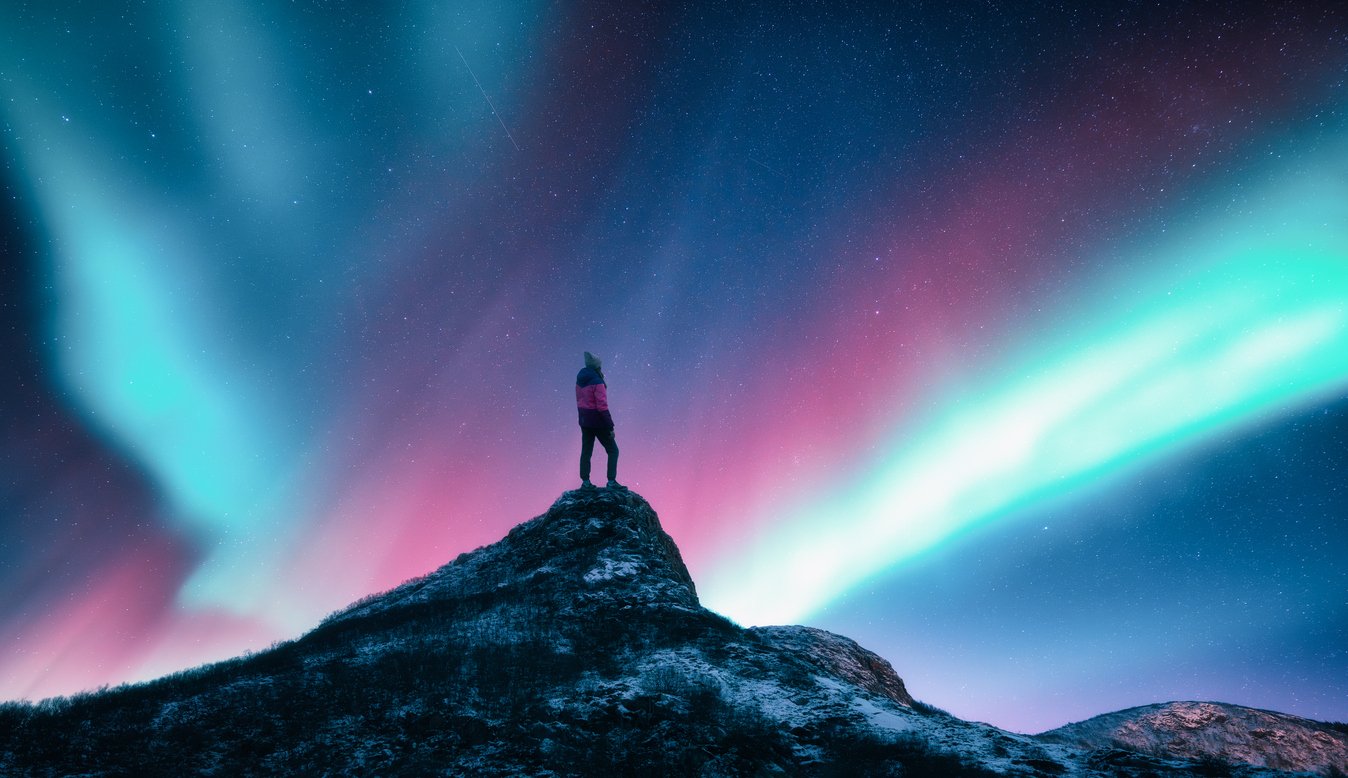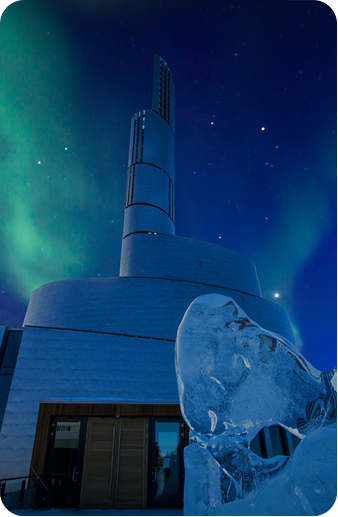
Selecting only 15 of the most beautiful places in Norway is a tough ask, for sure.
The things you can see and do here range from narrow fjords and mountain valleys to fishing villages, white-sand beaches and historic wooden towns. Some reveal themselves from a train window. Others are best experienced with a paddle in your hands or a pair of hiking boots on your feet.
Choosing where to go is the harder part. Norway’s landscapes are varied, and trying to fit everything into one holiday can leave you spending more time travelling than exploring.
This guide brings together 15 places worth building a trip around. It isn’t a definitive ranking: the right destination depends on the scenery you love, the season and how you want to experience it. From our base in Voss, we’re particularly drawn to the rivers, mountains and fjords of western Norway, but there’s plenty to discover further afield.
The Most Beautiful Places in Norway: A Local Cheat Sheet
|
Place |
Region |
Best for |
How to experience it |
|
Nærøyfjord |
Western Norway |
Narrow fjord scenery |
Guided kayaking or a boat trip |
|
Lofoten |
Northern Norway |
Mountains, beaches and fishing villages |
Coastal exploration and walks |
|
Geirangerfjord |
Western Norway |
Waterfalls and dramatic fjord views |
Boat trips and viewpoints |
|
Hardangerfjord |
Western Norway |
Orchards, villages and mountain scenery |
Kayaking and fjordside touring |
|
Bergen |
Western Norway |
Historic waterfronts and city views |
Walking and nearby mountain trails |
|
Voss and Raundalen |
Western Norway |
Rivers, valleys and outdoor adventures |
Rafting, cycling and hiking |
|
Aurlandsfjord and Flåm |
Western Norway |
Scenic journeys and elevated views |
Railway, boat trips and viewpoints |
|
Loen and Olden |
Western Norway |
Lakes and steep mountain landscapes |
Valley exploration and guided activities |
|
Jotunheimen |
Inland Norway |
High mountains and hiking |
Suitable trails and mountain stays |
|
Ålesund and Sunnmøre |
Western Norway |
Coastal architecture and alpine scenery |
City walks and regional excursions |
|
Lysefjord and Preikestolen |
Southwestern Norway |
Cliffs and iconic viewpoints |
Fjord cruises or hiking |
|
Senja |
Northern Norway |
Rugged coastal landscapes |
Scenic drives and coastal stops |
|
Tromsø and Lyngen |
Northern Norway |
Arctic scenery |
Seasonal guided adventures |
|
Helgeland Coast |
Northern Norway |
Islands and coastal mountains |
Island hopping and coastal journeys |
|
Røros |
Trøndelag |
Historic wooden streets |
Walking and cultural exploration |
1. Nærøyfjord: Steep Mountains and Quiet Fjord Waters
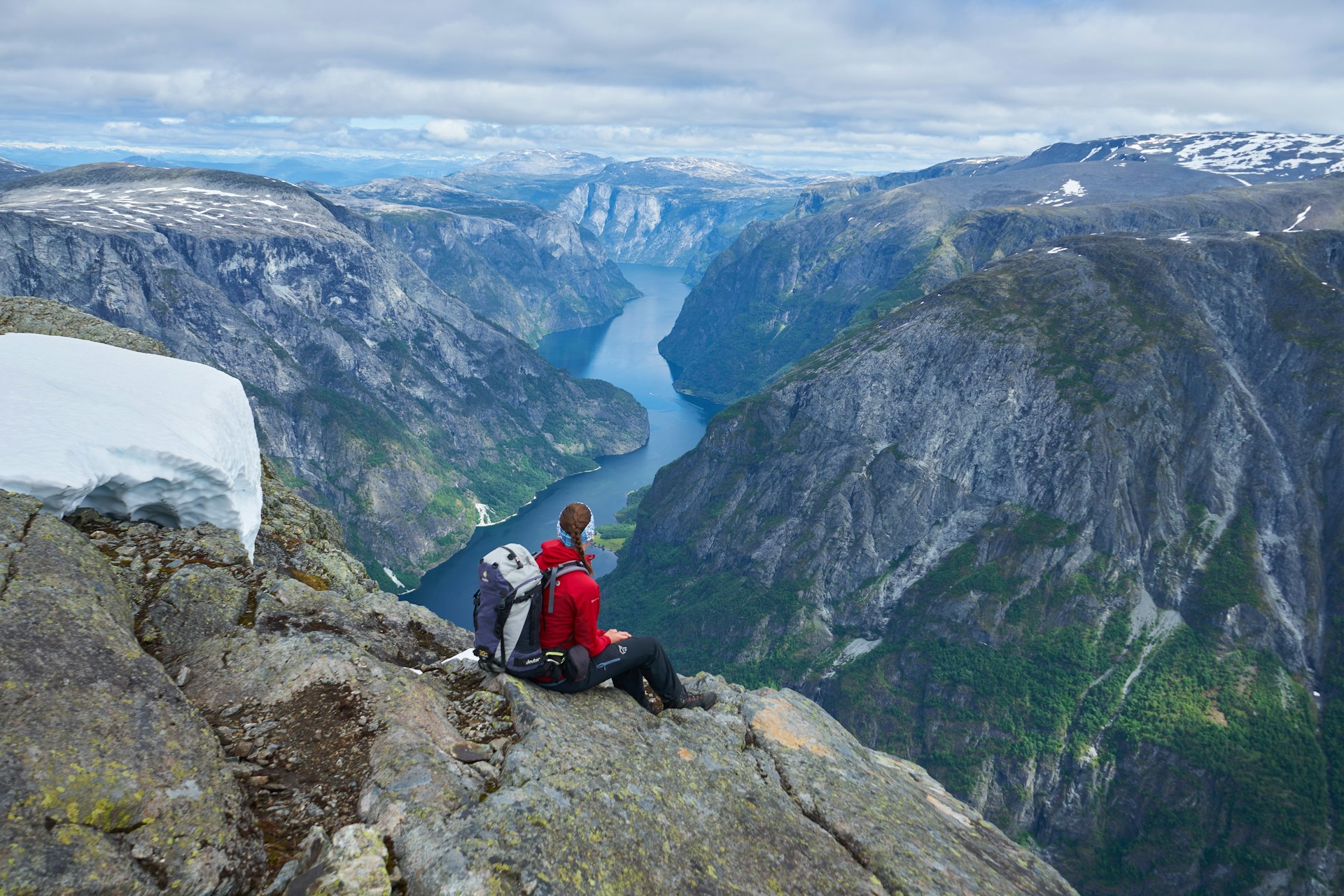
Nærøyfjord makes an impression through its proportions. The water narrows between steep mountains, with waterfalls, small settlements and wooded slopes giving you something different to notice around each bend.
Together with Geirangerfjord, it forms the West Norwegian Fjords UNESCO World Heritage Site. Yet the appeal goes beyond that recognition: being close to the water gives you a powerful sense of the landscape’s scale.
A boat trip offers a broad introduction. Guided kayaking lets you explore at a slower pace, watching the shoreline and looking up at the mountains from water level.
Planning tip: Choose your experience before organising transport. A kayaking departure and a sightseeing cruise can involve different meeting points, timings and equipment requirements.
2. Lofoten: Fishing Villages Beneath Jagged Peaks
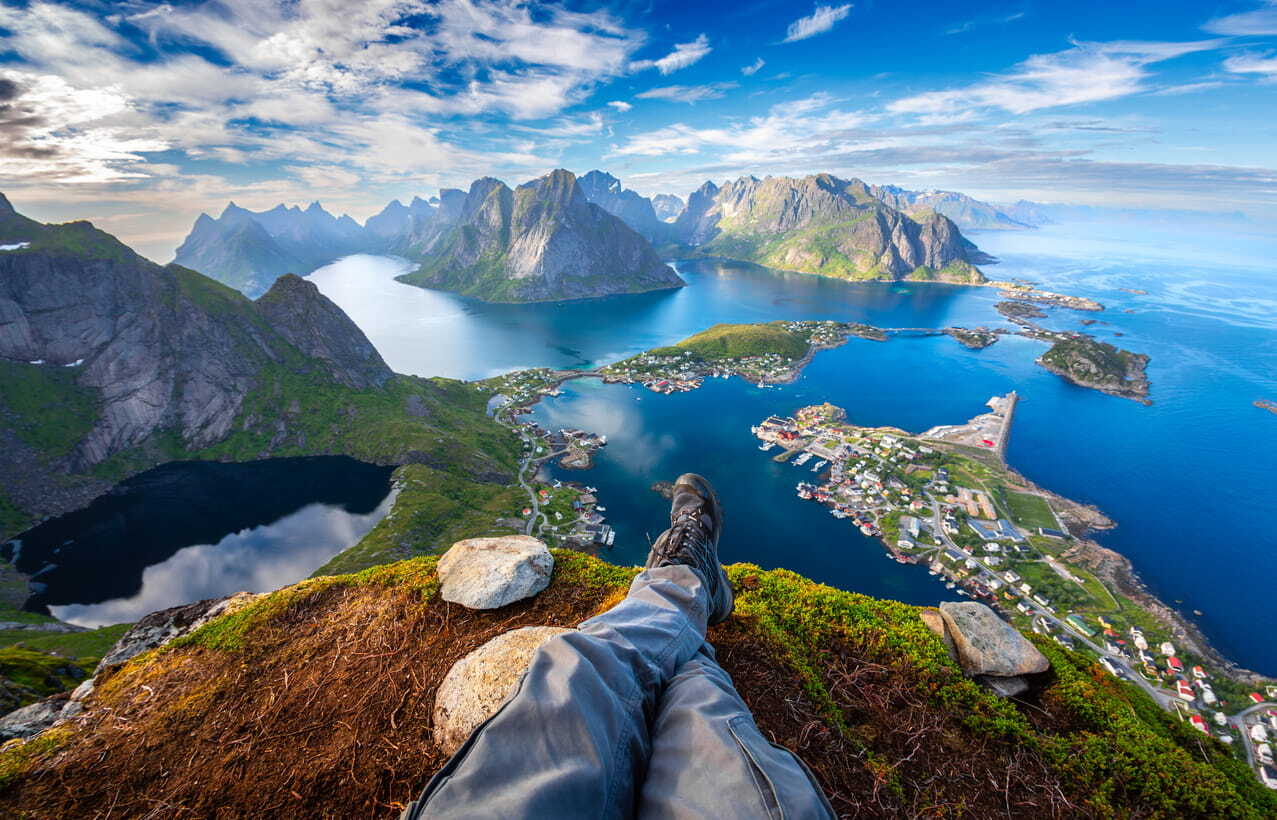
Lofoten combines scenery that seems unlikely to belong together: pointed mountains, sheltered harbours, pale beaches and bright fishing cabins beside the sea.
Reine is a memorable place to see the relationship between village life and the surrounding peaks. Elsewhere, beaches such as Haukland show another side of the islands, where open sand meets mountain-backed bays. Fishing remains an important part of Lofoten’s identity, so there’s depth to the familiar photographs.
Spend time exploring the coast as well as seeking elevated views. You don’t need to climb a demanding summit to appreciate the islands.
Planning tip: Leave flexibility in your itinerary. Wind, rain and low cloud can change which activities make sense on a particular day.
3. Geirangerfjord: Waterfalls and Classic Fjord Views
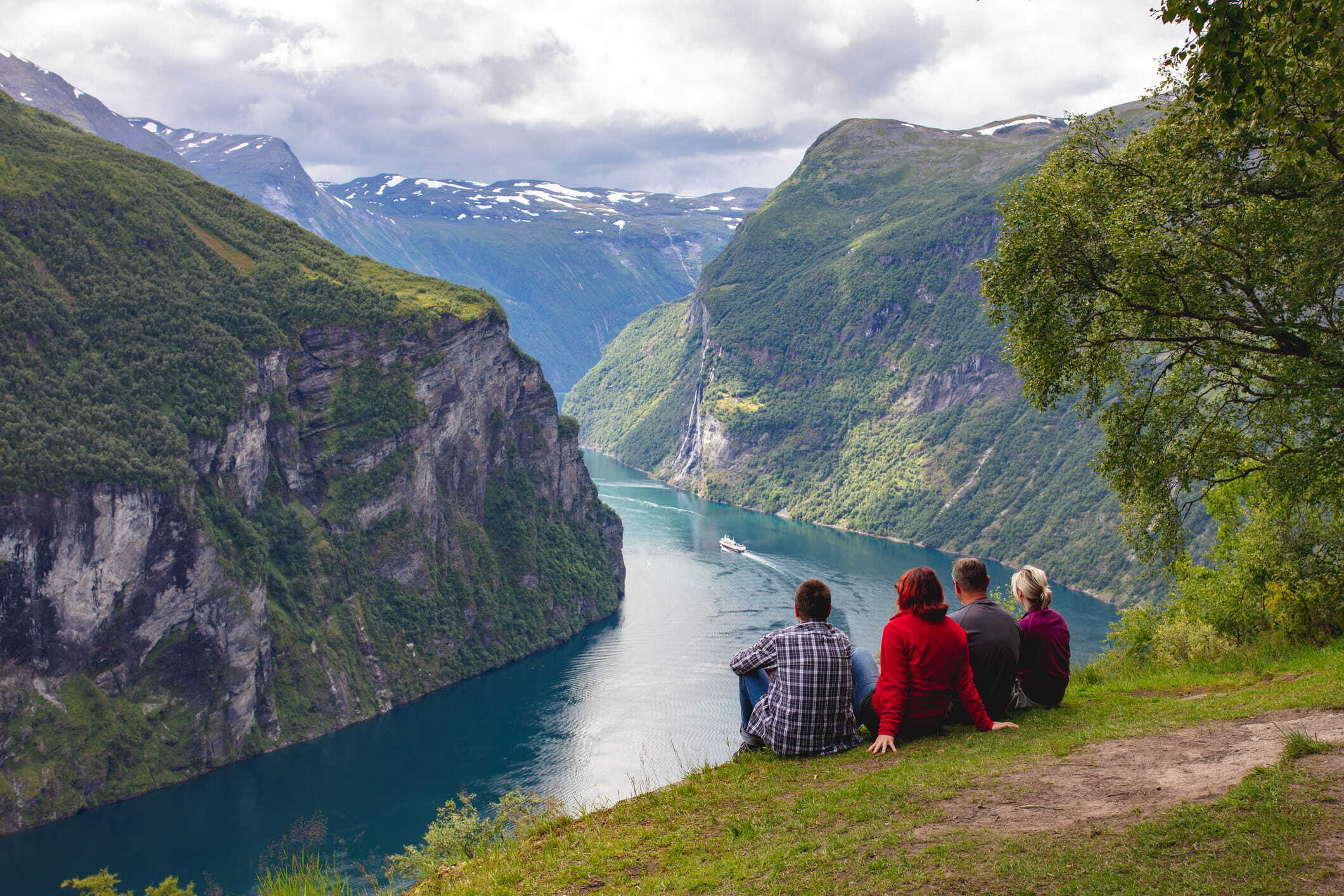
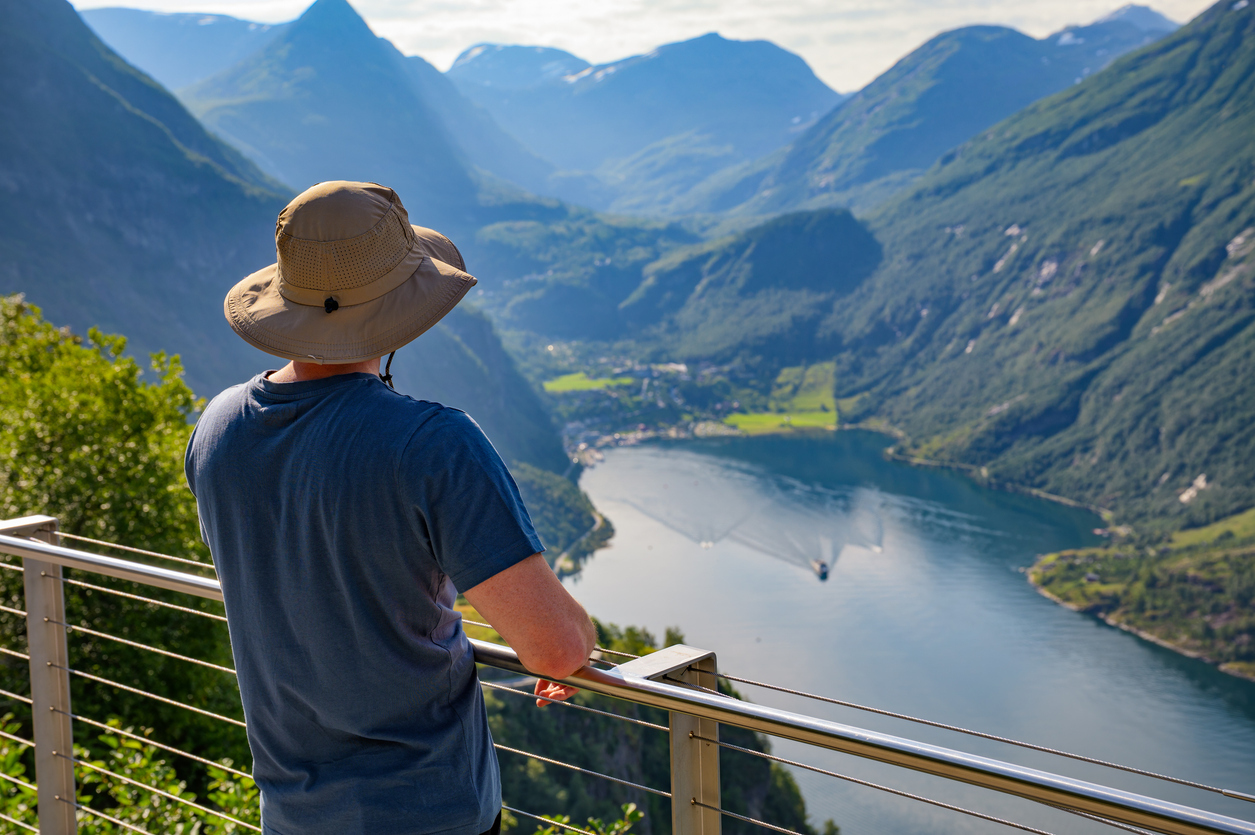
If your image of Norway includes waterfalls falling down sheer mountainsides into a deep fjord, Geirangerfjord belongs on your shortlist.
The scenery works at different scales. Elevated viewpoints reveal the shape of the fjord, while a journey on the water brings its waterfalls and old mountainside farms into closer view. Those farms also offer a reminder of how people once lived and worked in this demanding landscape.
For a fuller experience, combine time on the water with one carefully chosen viewpoint rather than rushing between every stop.
Planning tip: Some mountain roads and viewpoints have seasonal access. Check your intended route before booking accommodation around it.
4. Hardangerfjord: Orchards, Mountains and Fjordside Villages

The beauty of Hardangerfjord, Norway comes from the meeting of cultivated land and steep mountain terrain. Orchards and small farms line parts of the fjord, while higher ground creates a striking backdrop.
Spring brings the possibility of blossom beside the water and snow remaining on the peaks. Later in the year, the landscape offers green hillsides, fruit-growing villages and opportunities to explore on foot or by kayak.
Around Granvin, a guided paddle will give you a much different perspective from the road. You can pay attention to the shoreline, the changing reflections and the mountains above you.
Planning tip: Treat Hardanger as a region to explore. Choose a few stops and allow time for the smaller roads and villages between them.
5. Bergen: Colourful Streets Between Mountains and Sea
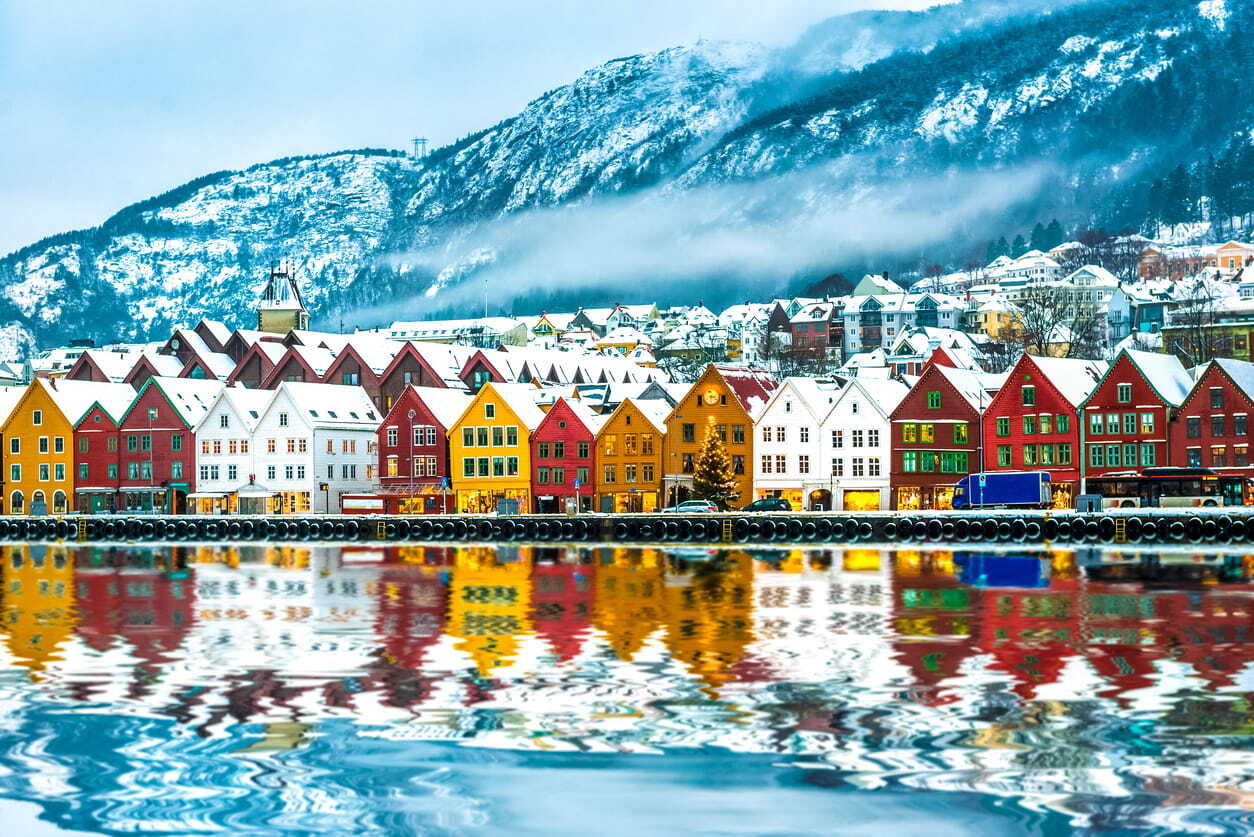
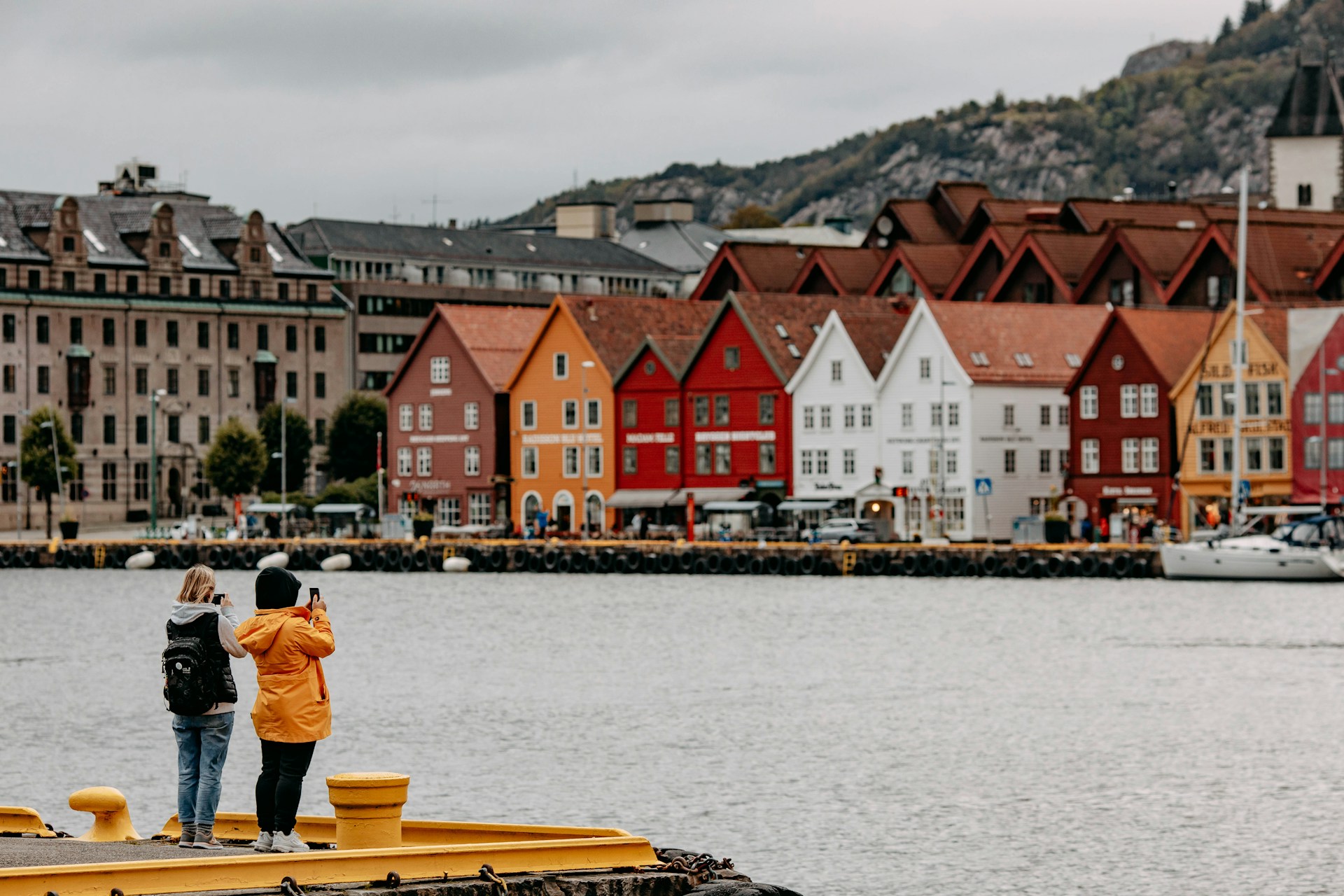
Steeped in culture and surrounded by natural beauty, Bergen offers a different kind of Norwegian scenery. Its waterfront buildings, narrow lanes and mountain backdrop make it a rewarding place to explore before heading further into Norway’s most spectacular fjords.
Walk through the Bryggen area, take time around the harbour and leave room for the streets beyond the busiest waterfront stretches. From higher ground, the city’s relationship with the surrounding water and hills becomes easier to appreciate.
Bergen also works well as the starting point for a wider western Norway journey. You can combine a city stay with time around Voss, Hardangerfjord or the Sognefjord region.
Planning tip: Keep your mountain-view plans flexible. A clear spell can be worth using for higher viewpoints, with museums, cafés and street exploration saved for wetter periods.
6. Voss and Raundalen: Rivers, Valleys and Mountain Scenery

Voss is often introduced as an adventure destination, but the landscape deserves equal attention. The lake beside the town, surrounding mountains and nearby valleys give you several ways to experience western Norway without changing accommodation every night.
Raundalen adds clear river water, wooded slopes and mountain scenery. A rafting tour will bring you into that landscape rather than simply past it: the quieter stretches give you time to look around between the rapids.
Cycling and hiking are cool chances to get other perspectives, from forest trails to higher ground. Voss also sits between Bergen and the wider fjord region, so it’s a useful base for exploring several landscapes during one stay.
Planning tip: Choose activities that suit your experience and energy. A forest ride, a mountain hike and a rafting trip offer very different days outdoors.
7. Aurlandsfjord and Flåm: Fjord Views and Scenic Journeys
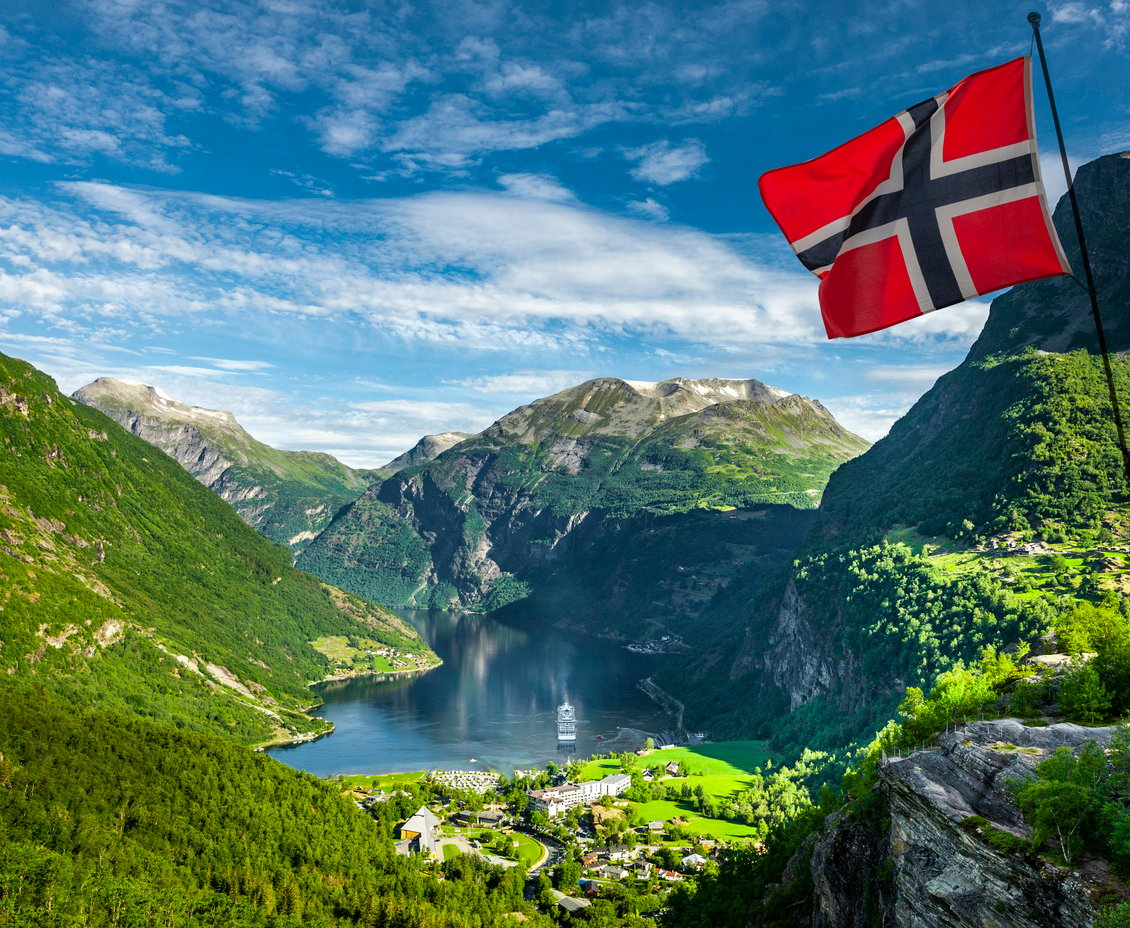
Aurlandsfjord rewards visitors who enjoy the journey as much as the destination. Flåm provides a fjordside base, while the surrounding area offers railway scenery, village stops and views from higher ground.
Although neighbouring Nærøyfjord belongs to the same wider fjord system, the experiences can feel different. Here, you can combine time beside the water with a scenic rail journey or a visit to the Stegastein viewpoint above Aurland.
Aurlandsfjord is itself a branch of Sognefjord, so it fits naturally into a broader trip through this part of western Norway.
Planning tip: Avoid filling the day with tightly connected departures. Allow time to enjoy Flåm or Aurland between organised experiences.
8. Loen and Olden: Lakes Beneath Mountain Walls
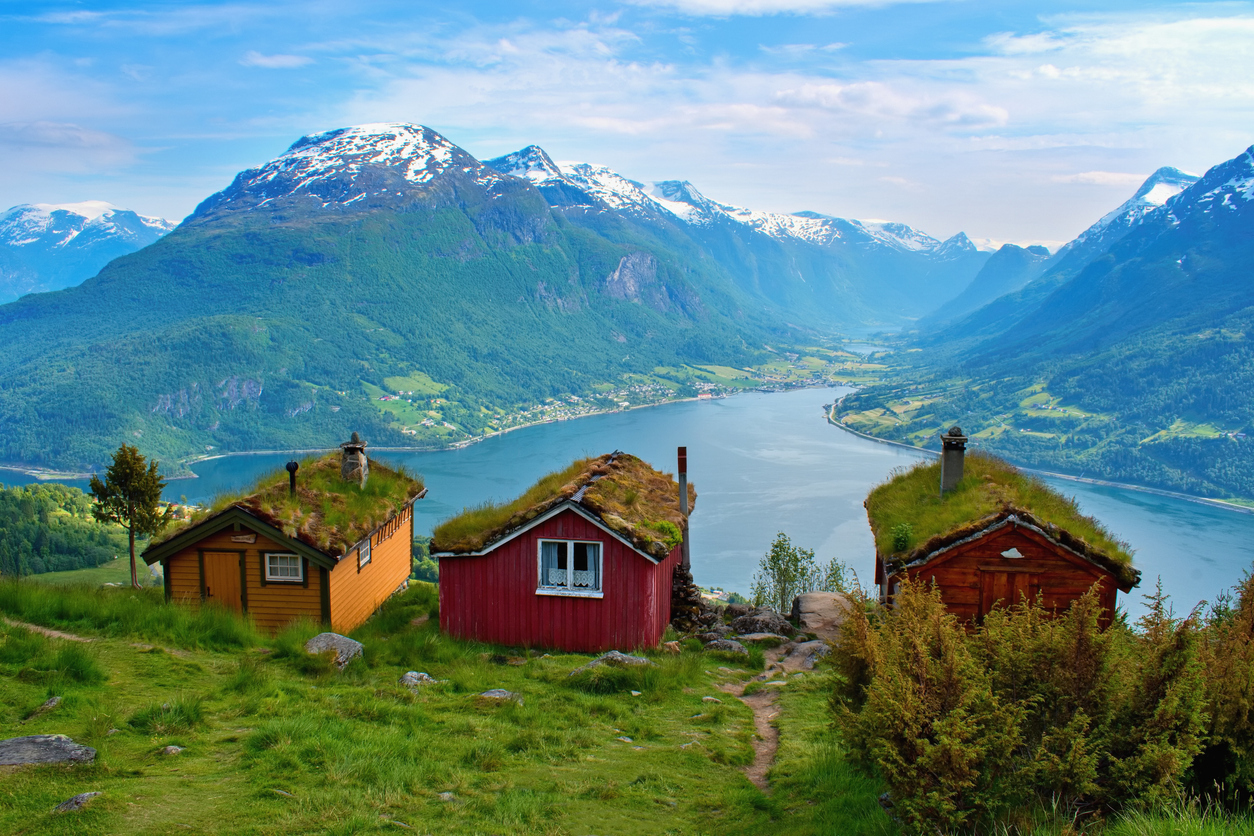
The valleys around Loen and Olden bring together lakes, farmland and steep mountains. The contrast between the water and surrounding rock makes this one of western Norway’s most memorable landscapes.
Explore the shores of Lovatnet or Oldevatnet, explore the highly-Instagrammable Rakssetra hiking area, or head higher for a wider perspective. Loen Skylift, one of the steepest cable cars in the world, is a fantastic way to reach an elevated viewpoint without going on a knee-busting mountain ascent.
There is also value in staying down in the valleys. Small changes in light and cloud can transform the same lake view over the course of a morning.
Planning tip: Fjord and lake water can be very cold. Use suitable equipment and local guidance for activities on the water.
9. Jotunheimen: Norway’s High-Mountain Landscapes
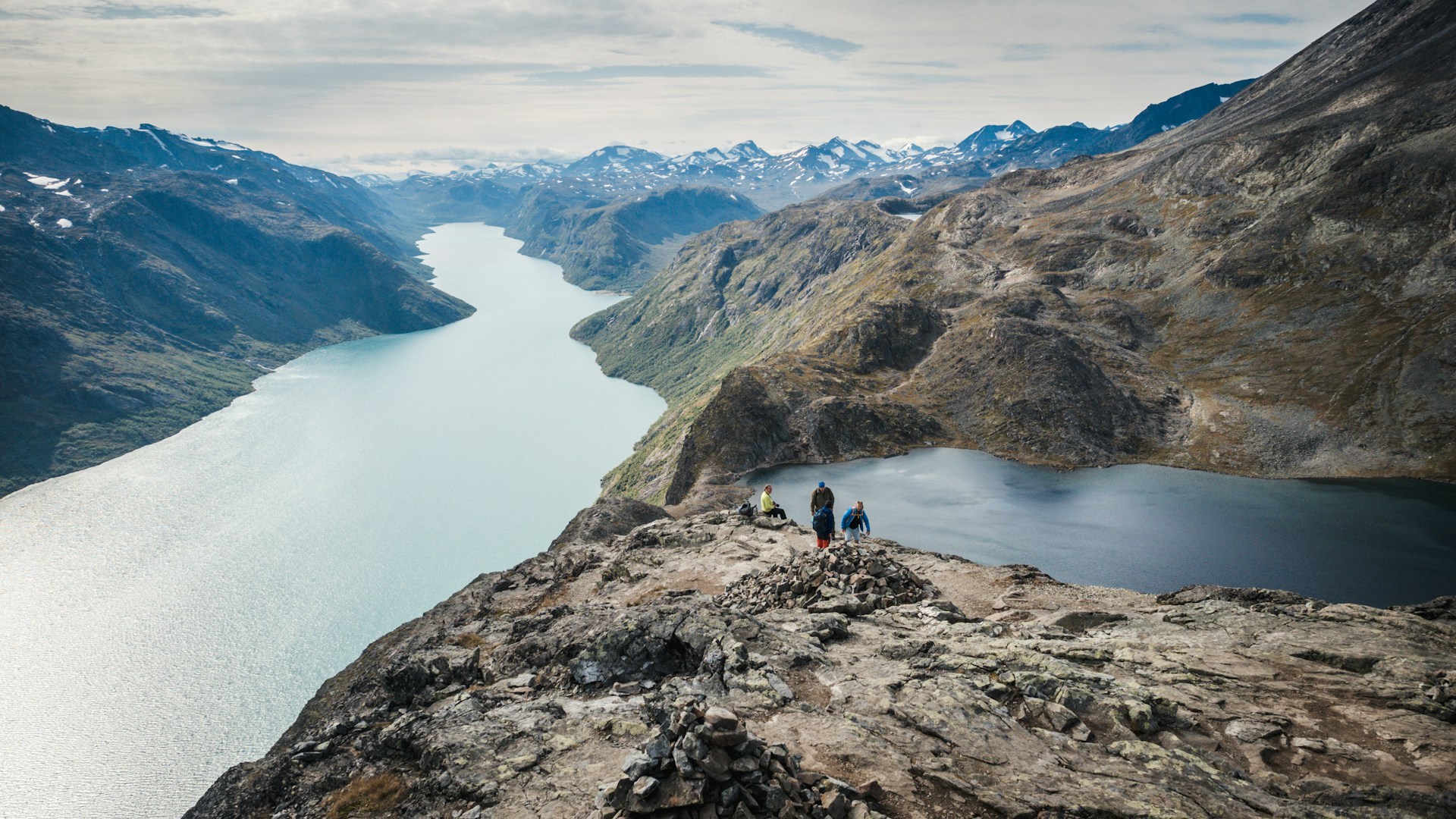
Jotunheimen is a big change from the coast: broad mountain terrain, rocky ridges and lakes surrounded by high peaks.
This is a place to choose your walks carefully and give them time. Some visitors come for demanding routes, but the large majority opt for shorter outings and the experience of staying within a mountain landscape.
You don’t need to attempt a famous ridge or summit to make the visit worthwhile. There are over 50 routes here, so choose one that matches the conditions, your fitness and your confidence with uneven or exposed terrain.
Planning tip: High-mountain conditions can differ significantly from those in nearby valleys. Check local advice and prepare for changing weather, including during summer.
Also, explore our guide to the best hikes in Norway for more walking inspo.
10. Ålesund and Sunnmøre: Coastal Architecture and Alpine Views
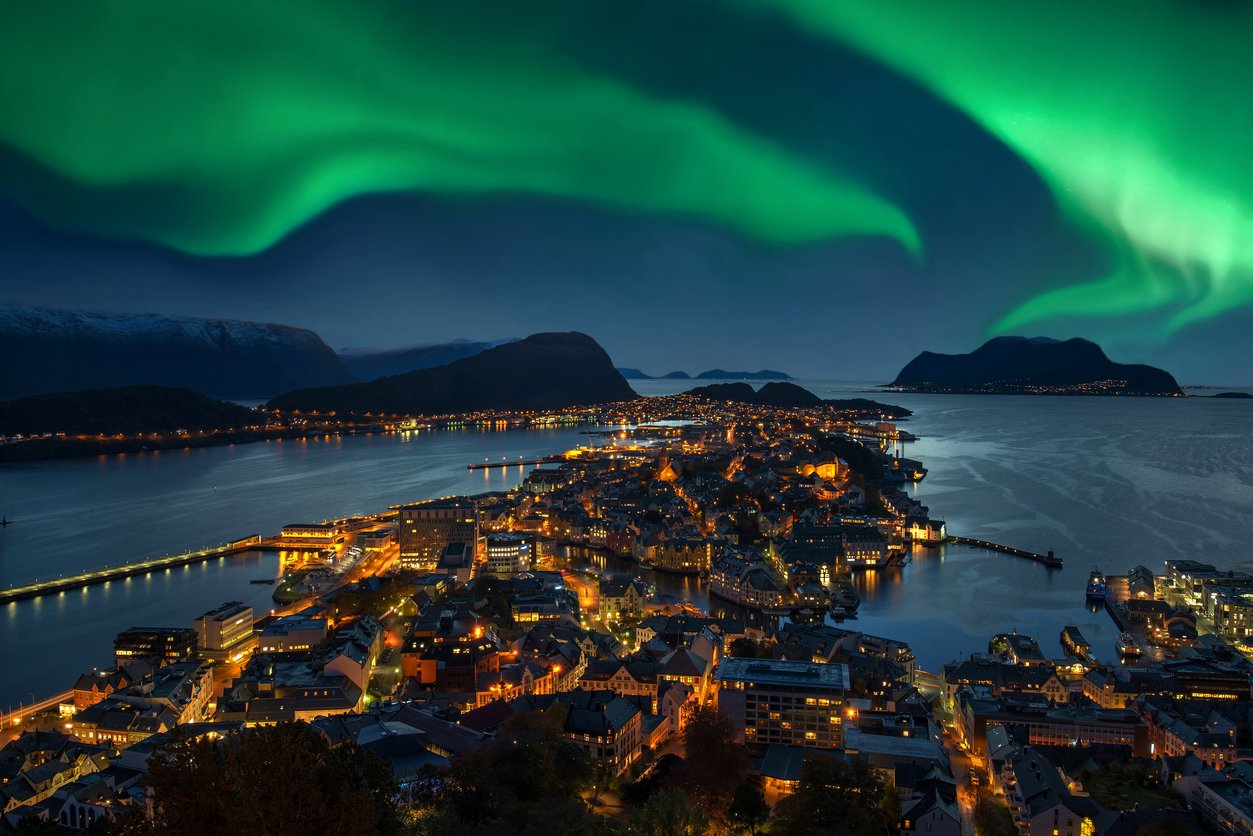
Ålesund is a very distinctive townscape with an island-and-sea setting. The town’s distinctive Art Nouveau architecture gives you plenty to explore at street level, and the elevated viewpoints will enrich the whole experience with great panoramas of the surrounding coastline.
The wider Sunnmøre region brings a different scale of scenery. Around Hjørundfjord and the Sunnmøre Alps, mountains rise above fjord settlements and valleys, creating opportunities for excursions beyond the city.
The contrasts here are incredible. The area is a good choice for you if you want to shove cool architecture, food and outdoor scenery into the same regional trip.
Planning tip: Give the city and surrounding landscapes separate time. A short stop in central Ålesund won’t show you everything the region offers.
11. Lysefjord and Preikestolen: Dramatic Cliffs Above the Water
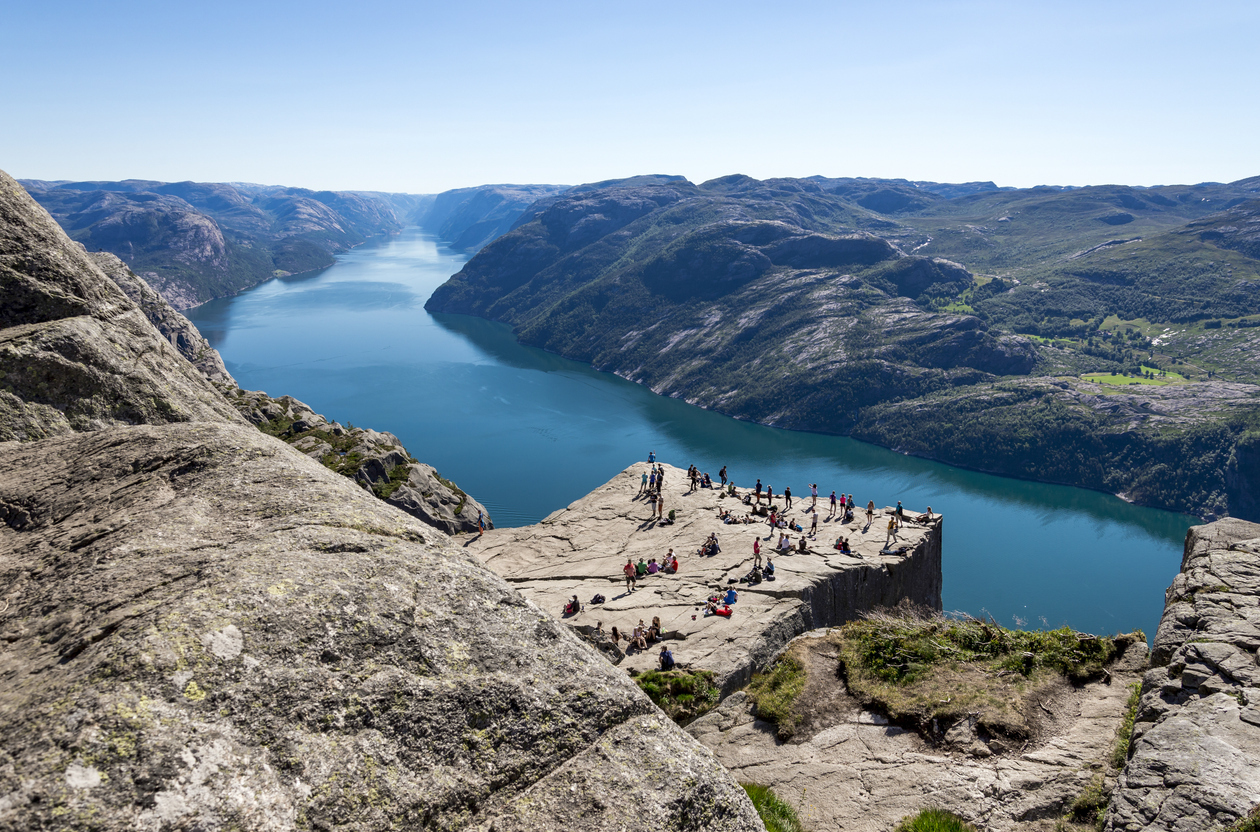
Preikestolen is an unmistakable Norwegian viewpoint: a broad rock platform above Lysefjord, surrounded by steep terrain and open water far below.
The hike, possibly the most iconic in the country, is one way to experience the area, but the fjord itself deserves attention. A boat trip will reward you with a different view of the cliffs and makes sense for visitors who don’t want to undertake the walk.
If you do hike, treat it as a mountain outing rather than a quick visit to a viewing platform. The terrain, weather and your own preparation all matter.
Planning tip: Follow current trail and seasonal advice. Conditions outside the main hiking season can require additional equipment and a guide.
12. Senja: Coastal Roads and Mountains Rising from the Sea
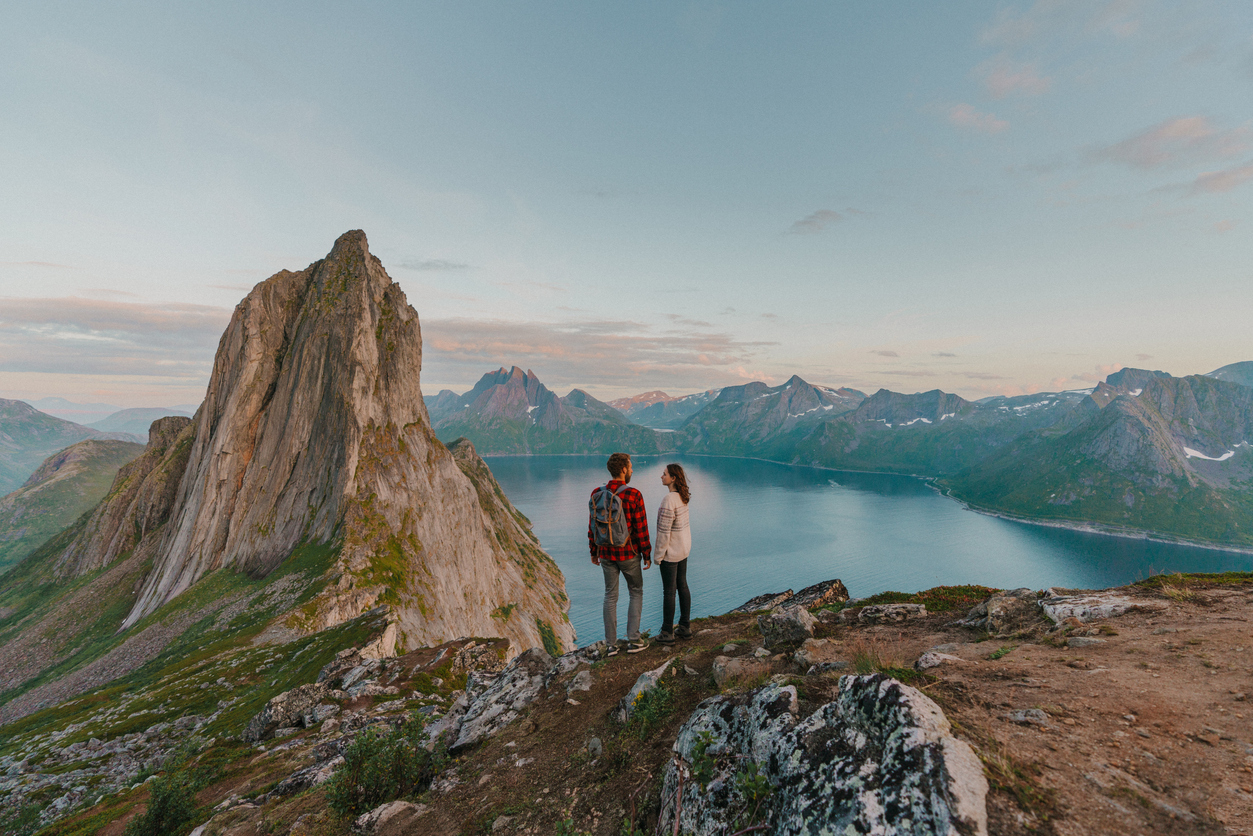
Senja’s outer coast blends jagged mountains, fishing villages and bays where the landscape changes quickly between headlands.
The Norwegian Scenic Route is a popular, and practical, way to explore Senja. Viewpoints such as Bergsbotn and Tungeneset let you appreciate the coastline without committing to a mountain hike.
Spend time at the smaller stops, too. A harbour, a beach or a stretch of rocky shoreline can become as memorable as the viewpoint you originally came to see.
Planning tip: Keep driving days realistic. A route with several scenic stops takes longer than its distance alone suggests.
13. Tromsø and the Lyngen Region: Arctic Landscapes Across the Seasons
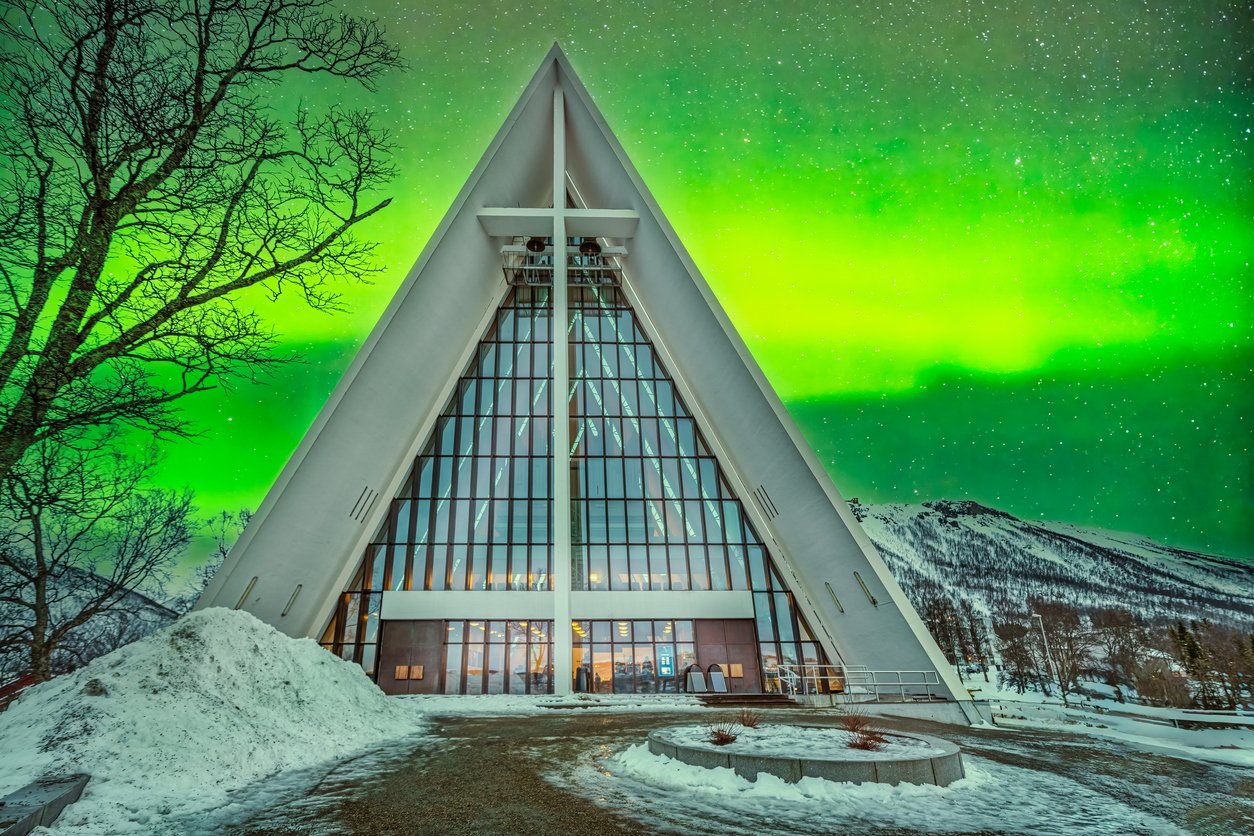
Tromsø offers a city base within an Arctic landscape of islands, fjords and mountains. The wider Lyngen region adds alpine scenery and opportunities for seasonal outdoor experiences.
Winter brings snow-covered terrain and the possibility of Northern lights in Tromsø when darkness, weather and solar activity align. Arrive in Summer, and you’ll get long daylight hours and a very different way to explore.
Choose the trip for its daytime experiences as well as its evening possibilities. A rewarding Arctic holiday shouldn’t depend on an aurora appearance.
Planning tip: Tromsø and Lyngen cover a substantial area. Check the location of accommodation and activities rather than assuming every experience departs from the city.
14. The Helgeland Coast: Islands, Beaches and Coastal Mountains
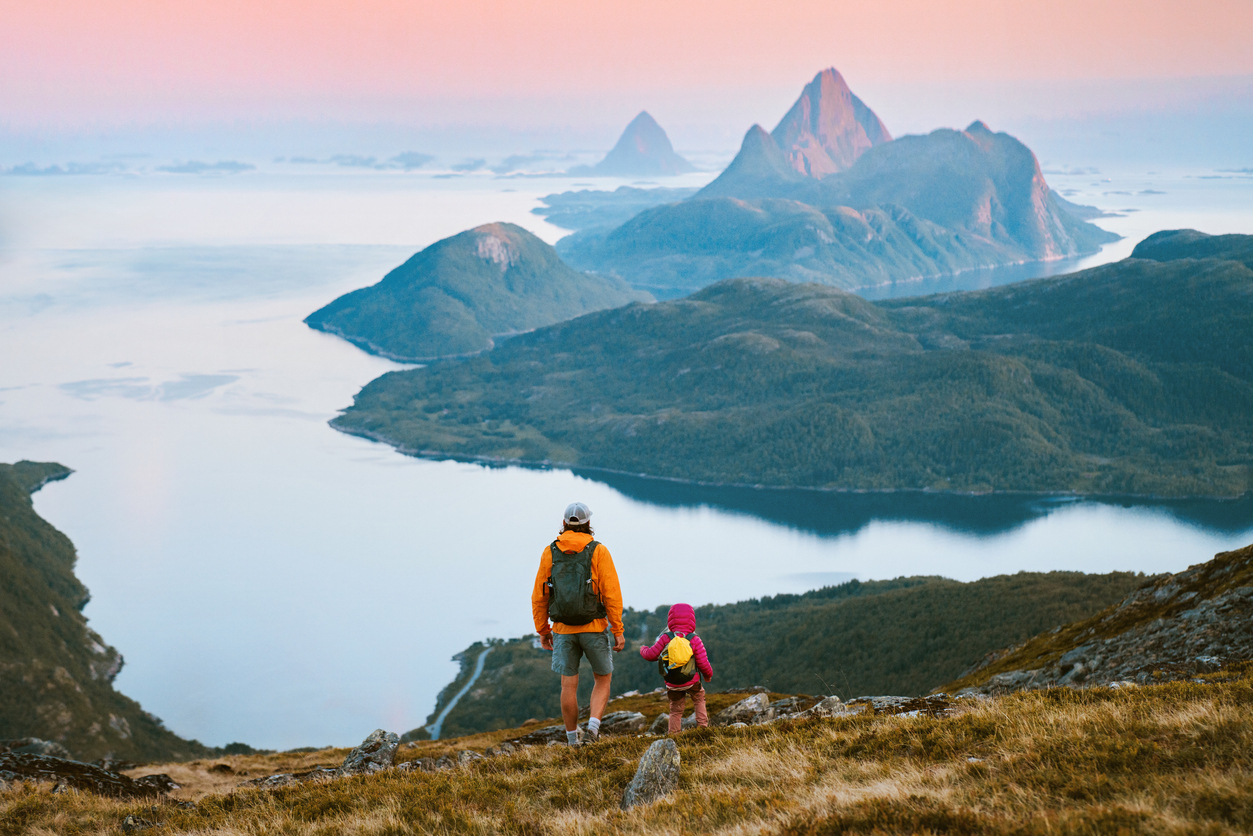
Helgeland offers a more scattered kind of scenery: islands across open water, distinctive mountains and small communities connected by coastal routes.
Its appeal lies partly in the pace of exploration. You might spend time on one island, take a ferry to another or follow the coast with stops along the way. The region includes well-known landscapes such as Torghatten and the Seven Sisters, alongside many smaller places worth discovering.
If you enjoy taking in coastal vistas, Helgeland is worth considering alongside the more familiar northern destinations.
Planning tip: Build your plans around actual ferry and boat connections. Leave enough time to enjoy each stop rather than spending every day moving on.
15. Røros: Historic Wooden Streets and Winter Atmosphere
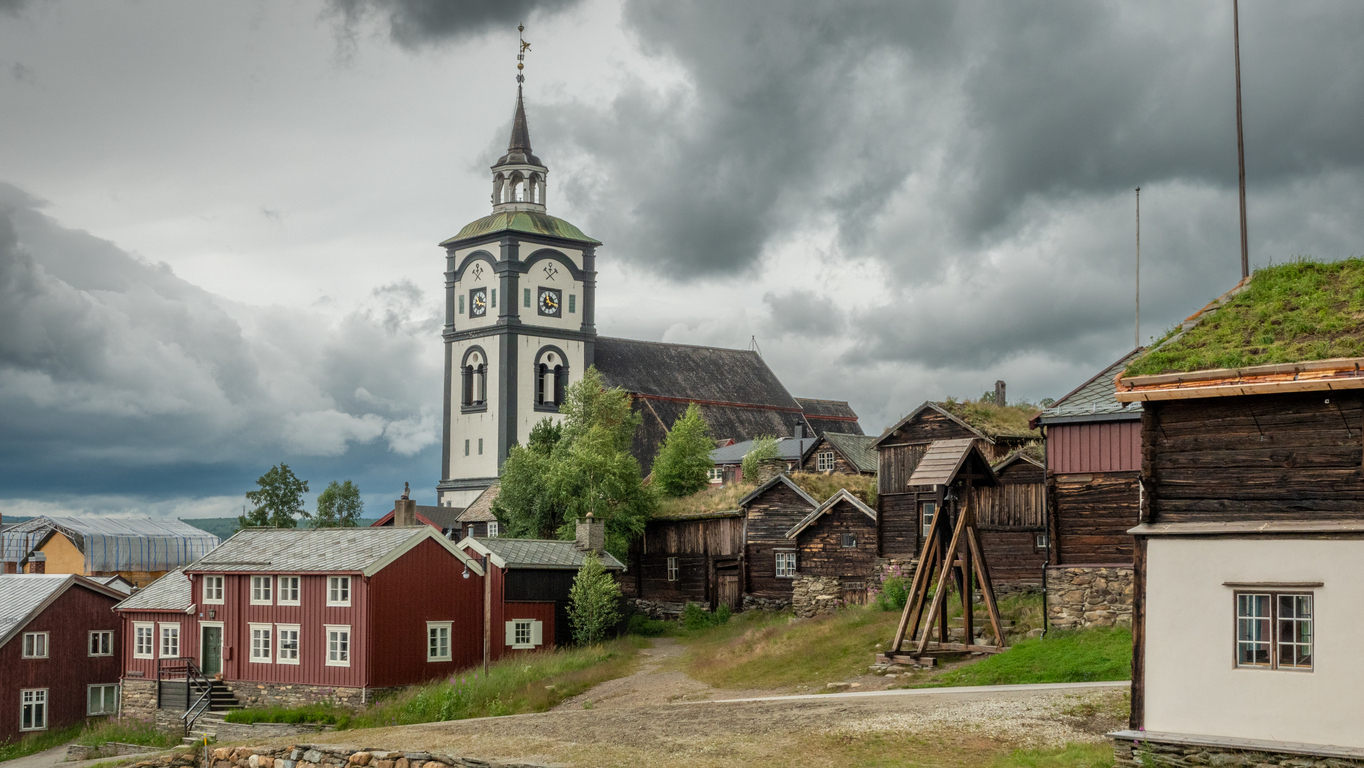
Norway’s beauty isn’t confined to mountains and fjords. In Røros, it is also found in wooden buildings, old streets and the relationship between a town and its surrounding upland landscape.
The former mining town forms part of a UNESCO World Heritage Site. Røros' preserved buildings and street pattern will give you a strong sense of history, but the town still remains a place where people live and work.
Explore on foot, look beyond the main street and make time to learn about the mining history. Snow can give the town a particularly atmospheric winter appearance.
Planning tip: Dress for time spent outdoors at a gentle pace. Walking between shops and historic streets can feel colder than an active excursion.
How to Choose Which Places to Visit
The best itinerary gives you time to experience a region properly.
For a first fjord trip, consider Bergen, Voss, Hardangerfjord and the Aurland–Nærøyfjord area. This combination offers city time, rivers, mountains and fjord experiences without trying to cross the whole country.
For Arctic scenery, choose a more focused itinerary. Lofoten, Senja, Tromsø and Lyngen all deserve time; they shouldn’t be treated as neighbouring stops that can be fitted into a few spare days.
For mountain landscapes, build your holiday around a suitable base in Jotunheimen or a western mountain region. Leave room to change walking plans when conditions require it.
For a shorter holiday, fewer destinations usually work better. An extra day in one place gives you a chance to get out on the water, follow a trail or explore beyond the first viewpoint.
What’s the Best Season to See the Most Beautiful Places in Norway?
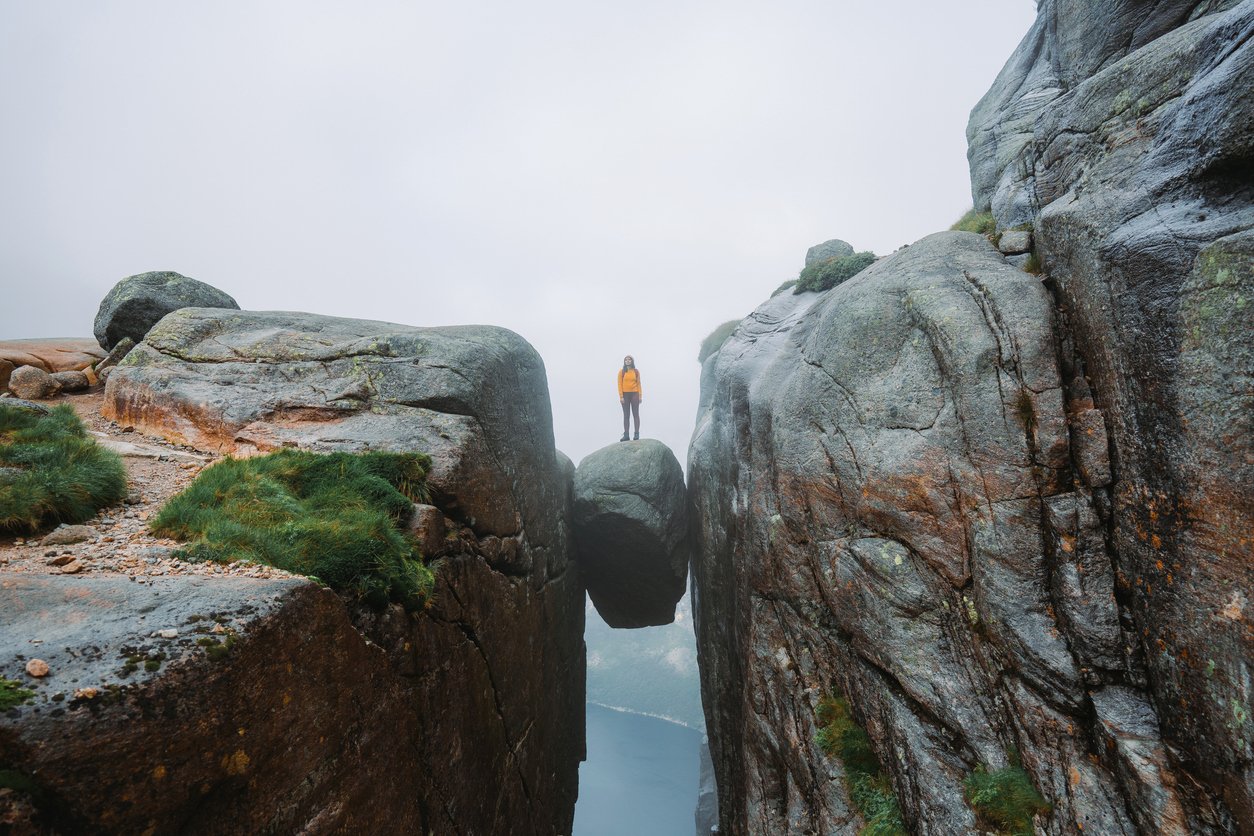
There’s no correct answer here, as every season changes what you see and what you can do.
Spring is all about the flowering orchards, fresh green valleys and snow remaining at higher elevations. Mountain access may still be limited.
In the summer you’ll find long days and broader opportunities for hiking, kayaking, cycling and coastal exploration. Popular destinations can be busy, so allow time for booking and travel.
Autumn is vibrant with changing colours and a different atmosphere to valleys and mountain landscapes. Days shorten, and conditions can change quickly at higher elevations.
Winter suits travellers drawn to snow, seasonal activities and Arctic landscapes. Choose destinations and experiences that work with limited daylight and winter travel conditions.
Let your preferred activities guide the season, and then check local conditions before finalising plans. Our guide to the best time to visit Norway explores the seasonal differences in more detail.
Questions We Always Get About the Most Beautiful Places in Norway
What are the most beautiful places in Norway?
There is no single answer. Western Norway is a strong choice for fjords, waterfalls and mountain valleys. Northern Norway offers Arctic coastlines, islands and dramatic peaks, while inland regions provide high mountains and historic towns.
Which of the most beautiful places in Norway can you visit without a car?
Bergen, Voss and Flåm are useful starting points for trips using public transport and organised excursions. Some fjord and island destinations are also accessible by boat or bus, but connections and seasonal services need checking.
How many days do you need to explore Norway’s scenery?
A week can give you a rewarding introduction to one region. With ten to fourteen days, you can explore more widely or spend longer at a few bases. Your route matters more than the number of places on your list.
Where should you go on your first trip to Norway?
For a combination of city life, fjords and outdoor activities, start with Bergen and western Norway. If Arctic scenery is your main priority, plan a dedicated northern trip around the season and experiences that interest you most.
Experience the Most Beautiful Places in Norway with Us
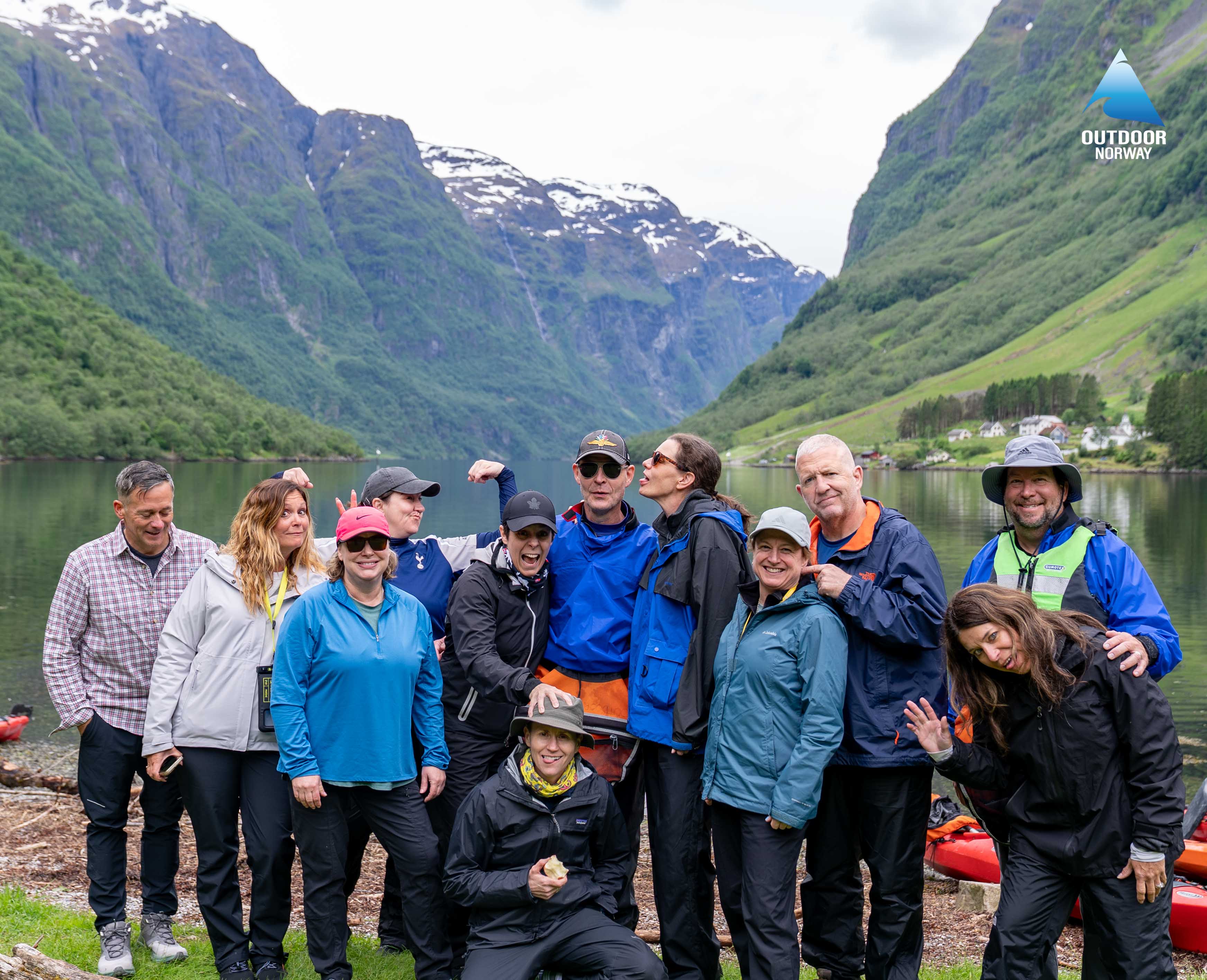
Some of Norway’s finest scenery becomes more memorable when you spend time within it.
From our base in Voss, Outdoor Norway offers guided experiences on rivers, trails and fjord waters. Join a rafting trip, explore by kayak, head out on a bike or discover the landscape on foot.
Choose an experience that suits your interests, and make it part of your journey through western Norway.
Explore Outdoor Norway’s guided adventures and find your next day outdoors.