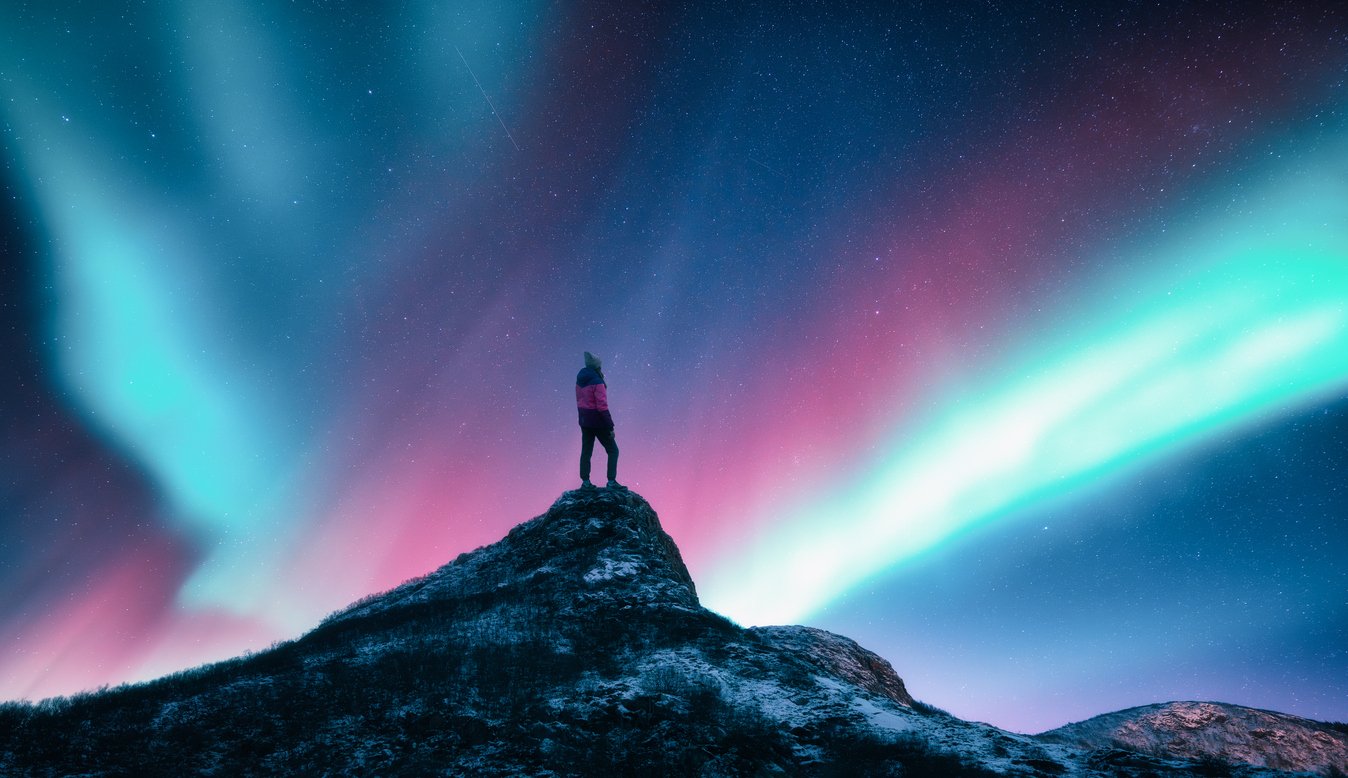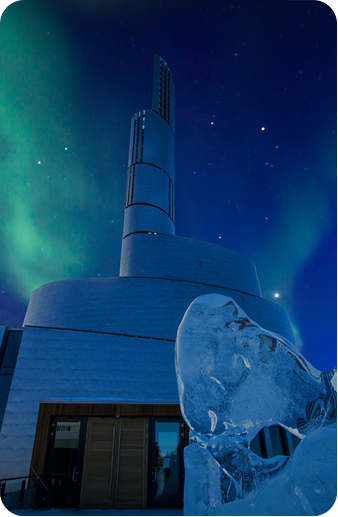
Some of the best things to do in Norway happen far from a ticket office.
Walking beside a fjord before the boats arrive. Stopping at a waterfall you hadn’t planned to visit. Spending an afternoon on a mountain trail and realising you’ve barely checked your phone.
Others take a little more organising: kayaking beneath the fjords, rafting through a river valley, driving a husky team or travelling north for a chance of seeing the Northern Lights.
For our visitors, the biggest challenge is choosing which experiences BELONG on your trip. Norway is a big country that covers a lot of ground. A summer hiking holiday in the western fjords is very different from a winter husky tour in Alta.
At Outdoor Norway, our base is Voss, right in the heart of the fjords. We guide rafting, kayaking, biking, hiking and winter experiences. Our advice is to start with what you want to do, then choose the region and season that make it possible.
This guide brings together 40 worthwhile experiences, from well-known highlights to slower days that deserve a place between them.
Our Things to Do in Norway Shortlist!
If you’re building your first shortlist, start here. The seasons below are just our general planning guidance.
|
Experience |
Where to consider |
When to consider it |
Time to allow |
|
Kayak through a fjord |
Nærøyfjord or Hardangerfjord |
Guided operating season, warmer months offer more options |
Half or full day |
|
Explore a fjord by boat |
Western Norway |
Year-round on selected routes |
A few hours to a full day |
|
Hike above the fjords |
Hardanger, Lysefjord and other mountain areas |
Snow-free conditions appropriate to the route |
Half or full day |
|
Go whitewater rafting |
Voss |
Published rafting season |
Half day |
|
Explore by mountain bike |
Voss and other trail destinations |
Suitable trail conditions |
Half or full day |
|
Search for the Northern Lights |
Alta, Tromsø and Northern Norway |
Dark-season travel |
Several nights in the region |
|
Experience the midnight sun |
Northern Norway |
Location-dependent summer dates |
An evening or longer |
|
Go dog sledding |
Northern Norway and inland winter destinations |
Suitable snow conditions |
Half or full day |
|
Explore Bergen |
Western Norway |
Year-round |
One or two days |
|
Visit Oslo’s museums and waterfront |
Oslo |
Year-round |
One or two days |
|
Take a scenic railway journey |
Oslo–Bergen or Flåm–Myrdal |
Year-round, subject to services |
Half or full day |
|
Ski at a mountain resort |
Voss, Geilo, Hemsedal, Trysil and others |
Resort operating season |
One day or a longer stay |
|
Stay in a cabin |
Across Norway |
Year-round, depending on access |
Two nights or more |
|
Follow a scenic driving route |
Selected regions nationwide |
Route-dependent; mountain roads can close seasonally |
A day or several days |
Keep this mantra with you wherever you go: You don’t need to include everything.
A city, a fjord, a scenic journey and a couple of outdoor experiences is always a much more satisfying holiday than a week spent sprinting between distant attractions!
Explore Norway’s Legendary Fjords and Waterfalls
Fjords are often the reason people first become interested in Norway. Once you arrive, the important question is how you want to experience them.
A viewpoint, a ferry, a kayak and a mountain trail reveal different sides of the same landscape.
(if you want a more in-depth overview, our guide to Norway’s fjords explains the main destinations and how to choose between them)
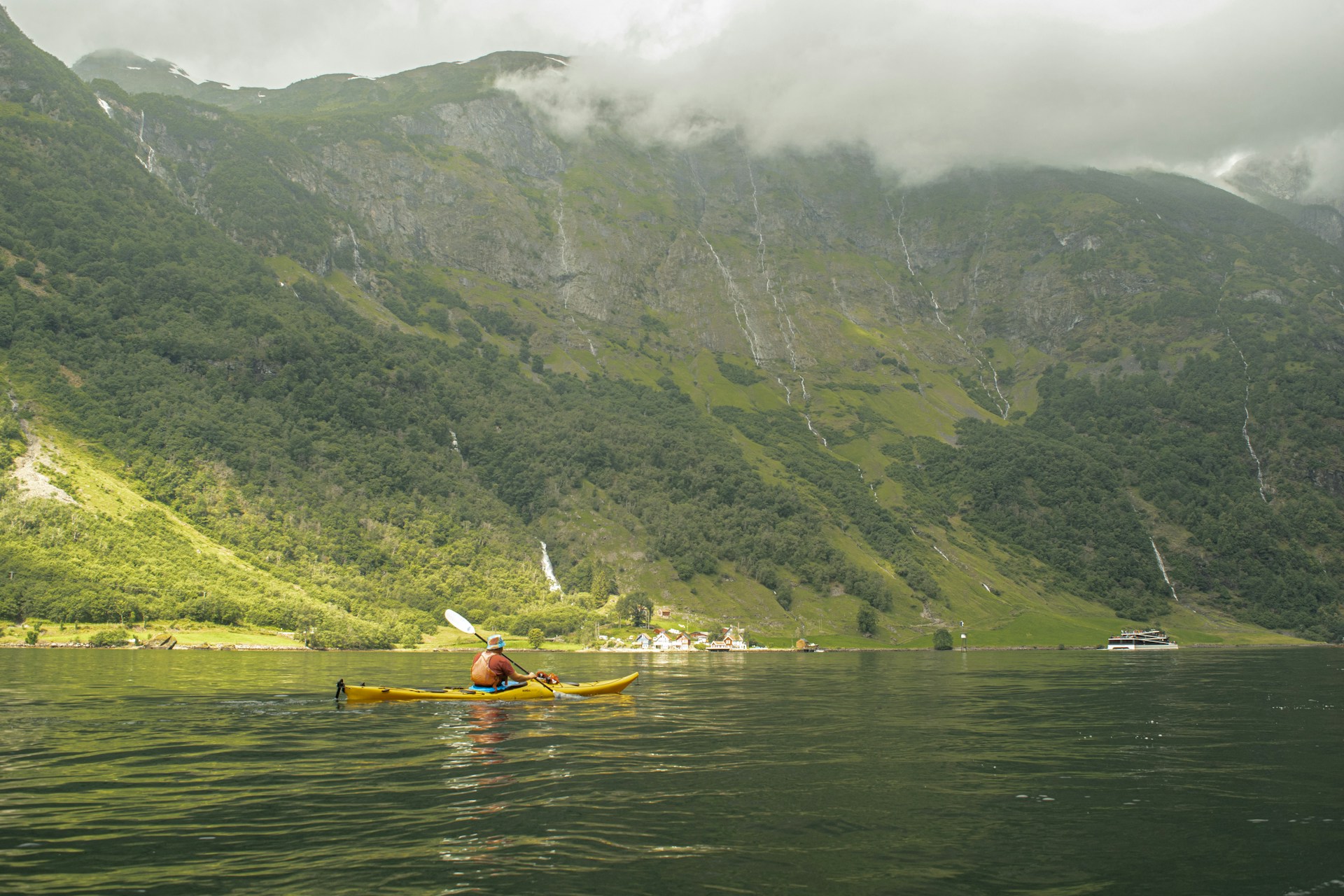
1. Kayak Through Nærøyfjord
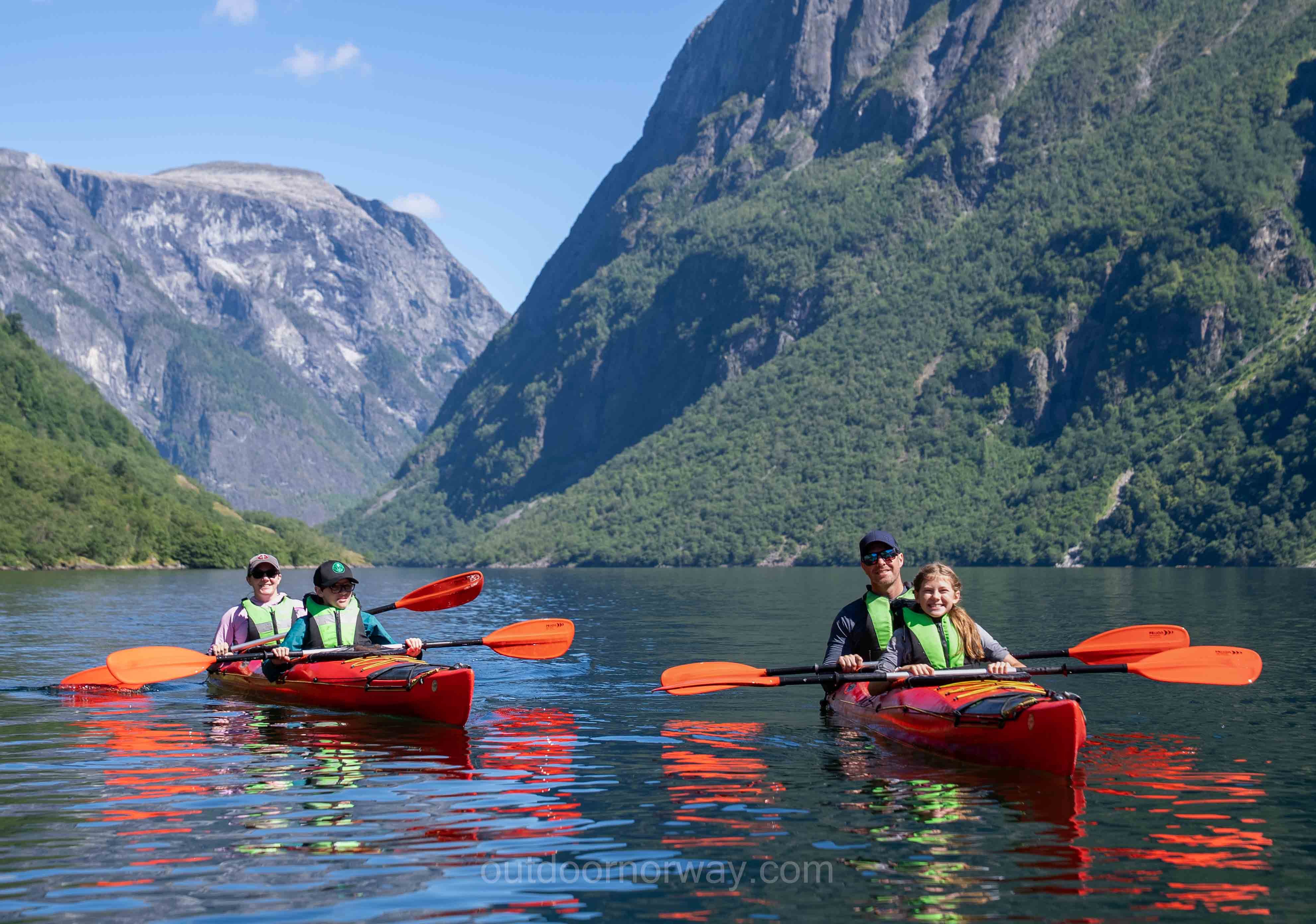
A kayak changes the scale of a fjord. You sit close to the water, looking up at mountains that can feel surprisingly distant from a road or observation deck.
Nærøyfjord is particularly suited to that perspective. The narrow stretches here bring the steep sides of the valley into focus. Waterfalls, shoreline vegetation and small settlements are the beautiful details that stick with you, but are easy to miss in transit.
It forms part of the West Norwegian Fjords World Heritage property, alongside Geirangerfjord.
Give yourself enough time for equipment fitting, instruction and the full excursion rather than treating kayaking as a brief stop between transport connections. Fjord water is cold, really cold, and wind can really affect how tough your trip can be.
We covered what to expect in our guide to kayaking the Norwegian fjords. If you want to paddle with a guide, explore our Nærøyfjord kayaking tour and check its current requirements and inclusions.
2. Explore a Norwegian Fjord by Boat
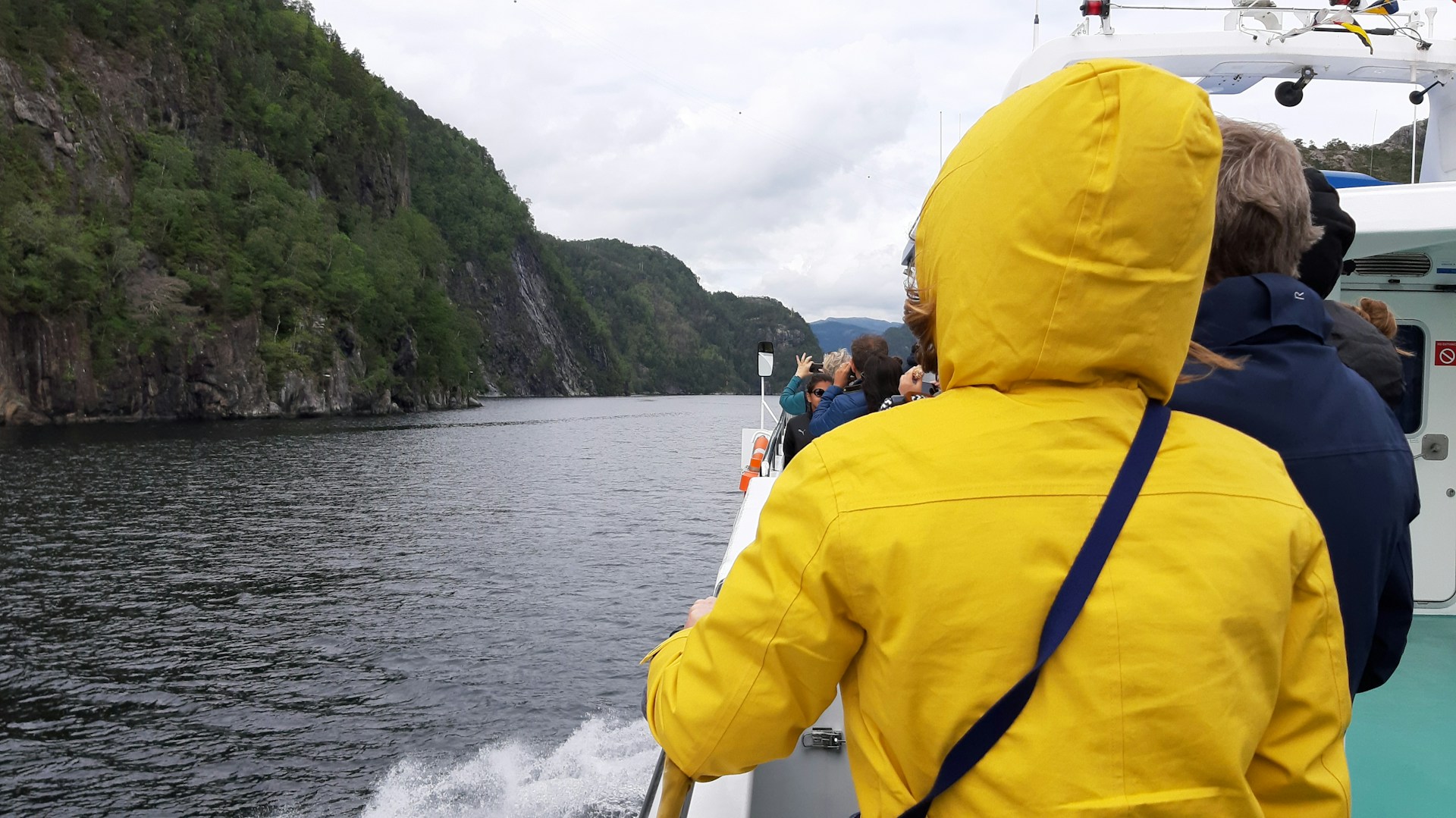
You don’t have to paddle to enjoy being on the water! A boat trip is a prime pick if you want to see the fjords without breaking a sweat.
The experience varies considerably, though. A passenger ferry is just meant to connect places. A sightseeing cruise focuses on the landscape. Smaller guided excursions may give you a more personal introduction to the area, especially if the guide knows what they’re talking about.
Before booking, check where the boat actually travels. “Fjord cruise” can describe very different routes, and a departure from a city doesn’t necessarily reach the particular fjord you have in mind.
Consider whether you want to return to the same place or use the journey as part of your itinerary. A one-way trip can work well, but provided the onward connection is practical.
Mandatory: pack a layer for the outside deck. Even a mild day on land gets cool once the boat gets moving.
3. Spend a Day Exploring Hardangerfjord
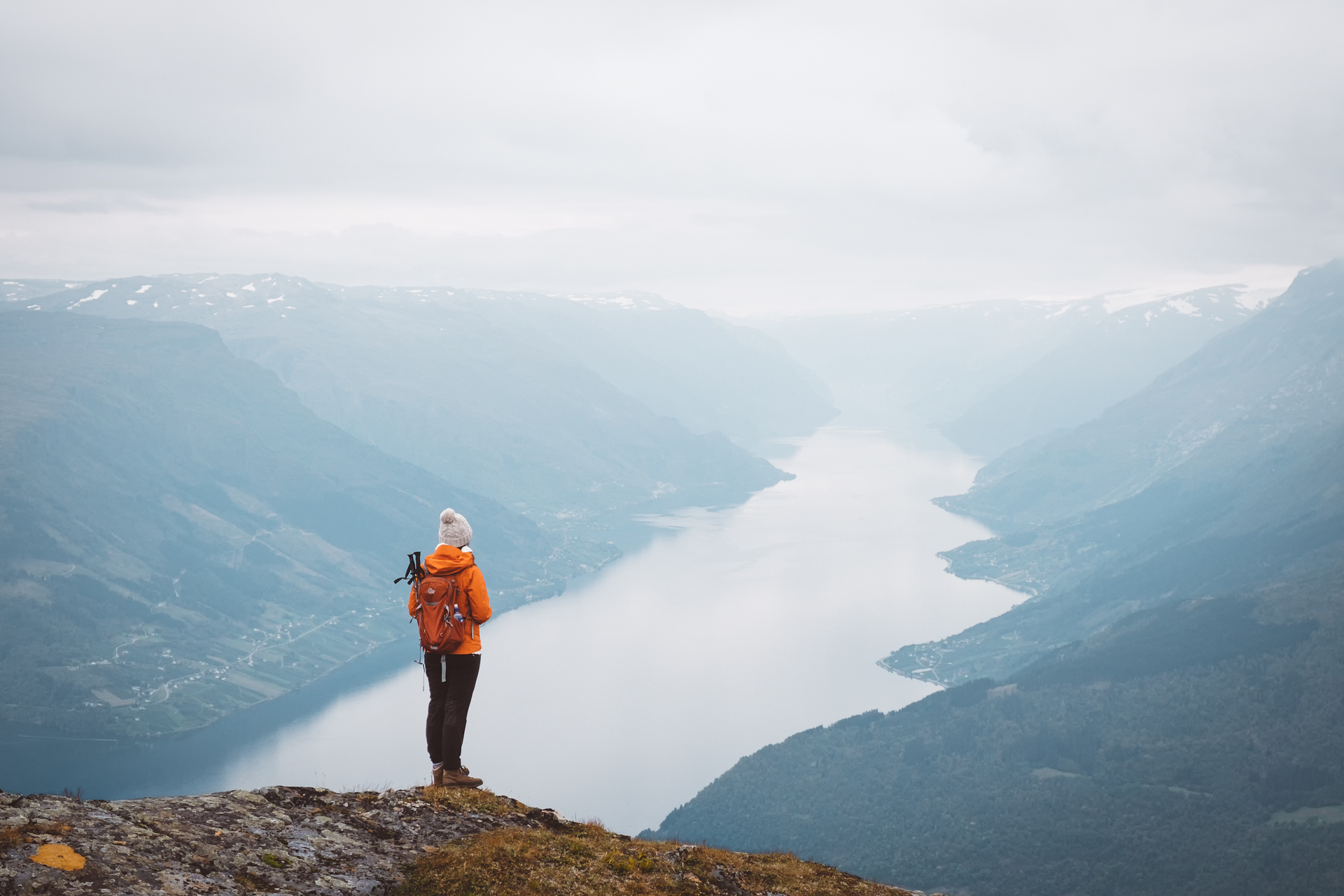
Hardangerfjord is the fjord to go to if you want variety and a longer trip: time beside the water, a village stop, an orchard landscape, a waterfall or a guided activity.
It’s a region rather than a single attraction. Trying to cover every shore in one day usually means spending more time driving than taking it all in!
Choose a manageable area and build around one main activity. You might kayak from the Granvin area, explore around Ulvik or spend time near Eidfjord and its surrounding landscapes.
Our Hardangerfjord travel guide helps you understand the geography and decide where to focus.
For a more active perspective, you can kayak on Hardangerfjord. Check the meeting point and transport arrangements carefully: a fjord can look compact on a map while taking substantial time to travel around.
4. See Geirangerfjord from the Water - and Above!
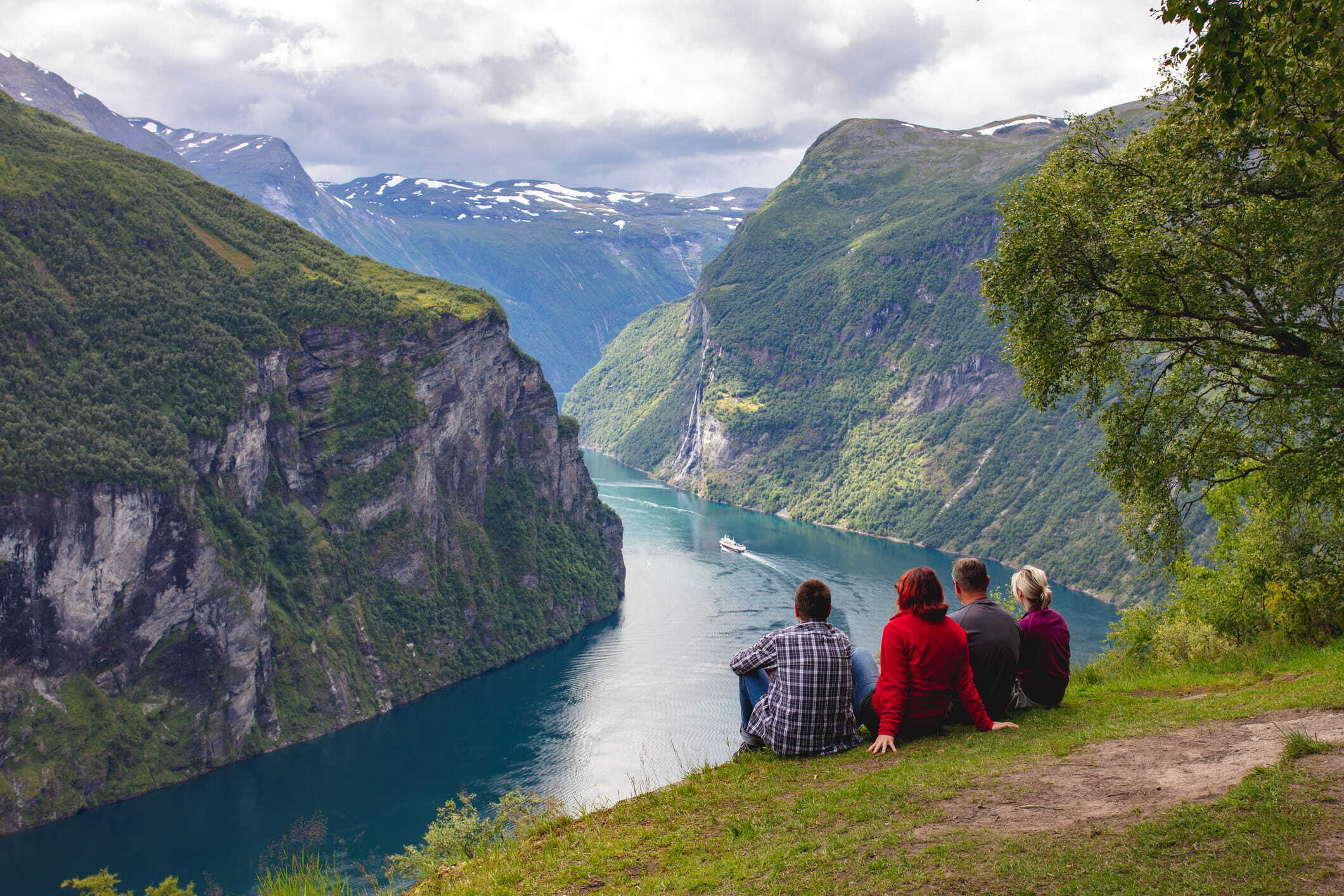
Geirangerfjord is a good example of why different perspectives are worth combining.
From the water, the steep valley sides dominate. From above, you can better understand the bends, the settlement and the way the fjord cuts through the mountains.
Go through all the boat excursions and viewpoints or walks (there’s a lot) and pick the one that suits your time and mobility. You don’t need to turn the visit into a slog to appreciate the setting.
In busy periods, give yourself breathing room around transport and parking. We’ve seen many tightly scheduled visits quickly become a series of queues and departure times.
If you’re driving onwards, check the actual road route and seasonal access before booking accommodation. Mountain roads can make a summer itinerary very different from an off-season one.
5. Visit Norway’s Waterfalls

Waterfalls work particularly well as part of a wider route, not as a focus of the visit.
A short stop can break up a journey and give you a reason to spend time outside the car.
Vøringsfossen, Steinsdalsfossen and Tvindefossen are useful examples to investigate in Western Norway, but each has different access arrangements and walking options.
Manage your expectations, though. Water volume and appearance change with rain, snowmelt and the season. The photograph you saw online may show a different set of conditions from those during your visit.
Always use marked paths and viewing areas, particularly around wet rock and steep edges. A waterfall doesn’t need a long approach to involve serious terrain.
For more ideas, see our guide to waterfalls to visit in Norway. Choose one or two that fit your journey rather than detouring to every famous name.
Go Hiking and Find Your Kind of Outdoor Adventure
Norway’s outdoor experiences range from a gentle forest ride to a long mountain day. The best choice is the one that suits your group, the conditions and the time you have.
6. Hike Above the Fjords
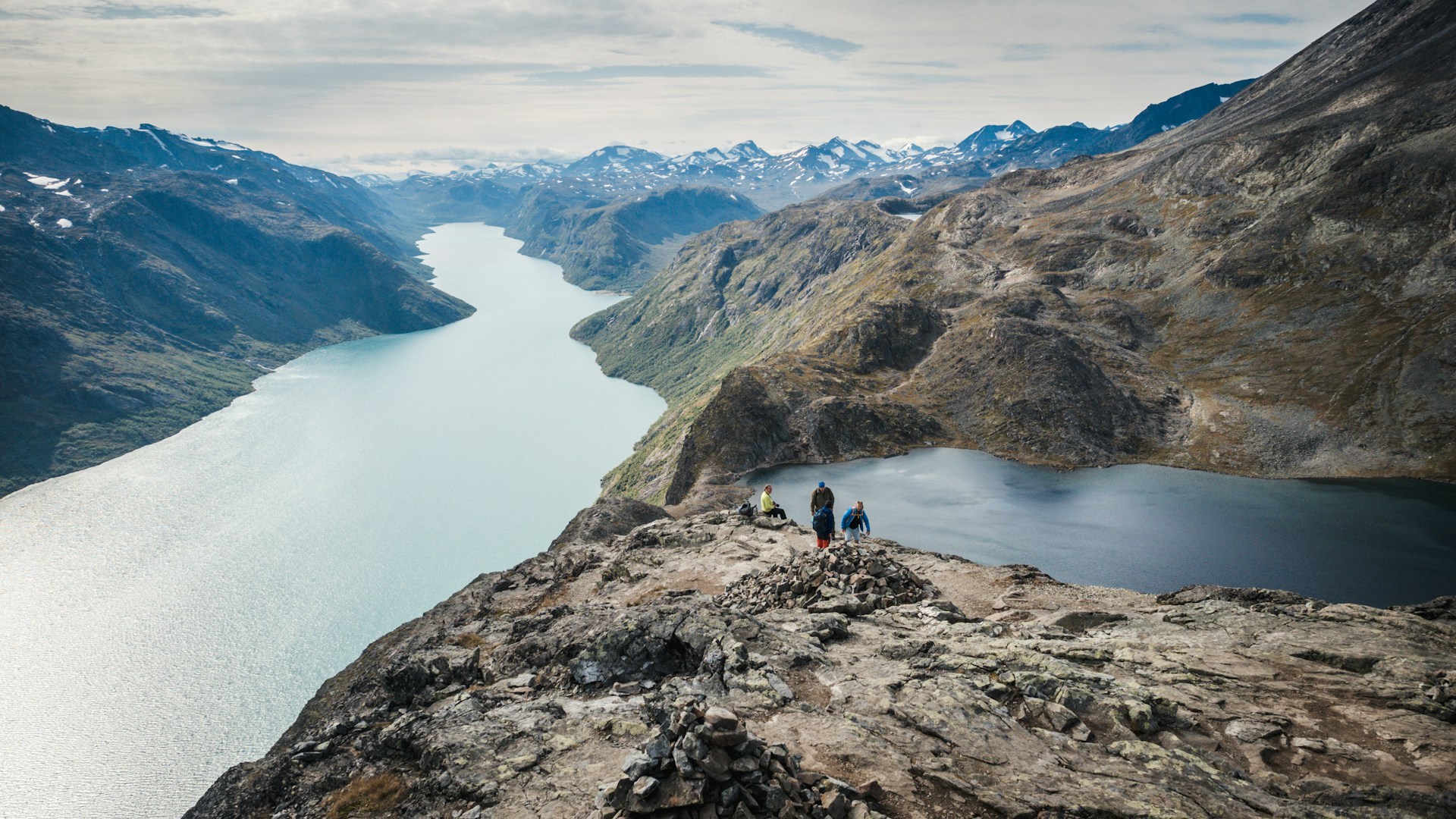
A fjord hike lets you understand the landscape gradually. The view changes as you climb, the water becomes more distant, and neighbouring valleys begin to appear.
Around Hardangerfjord, Mount Oksen is our favorite example. The elevation will give you a completely unique perspective from the shoreline, but reaching that perspective requires a sustained uphill trek.
Never choose a hike solely because the summit photograph looks good. Consider the elevation gain, terrain, weather exposure and whether everyone in your group will enjoy the descent as well as the climb. Resources like Alltrails are really useful here!
Our best hikes in Norway guide is a comprehensive breakdown of all the different options. If Oksen interests you, our guided Mount Oksen hike has the current trip deets.
Before heading into the mountains, read the Norwegian Mountain Code. They emphasize planning, adapting to conditions and turning back when necessary, which applies just as much to a holiday hike as a longer expedition.
7. Choose One of Norway’s Famous Viewpoint Hikes
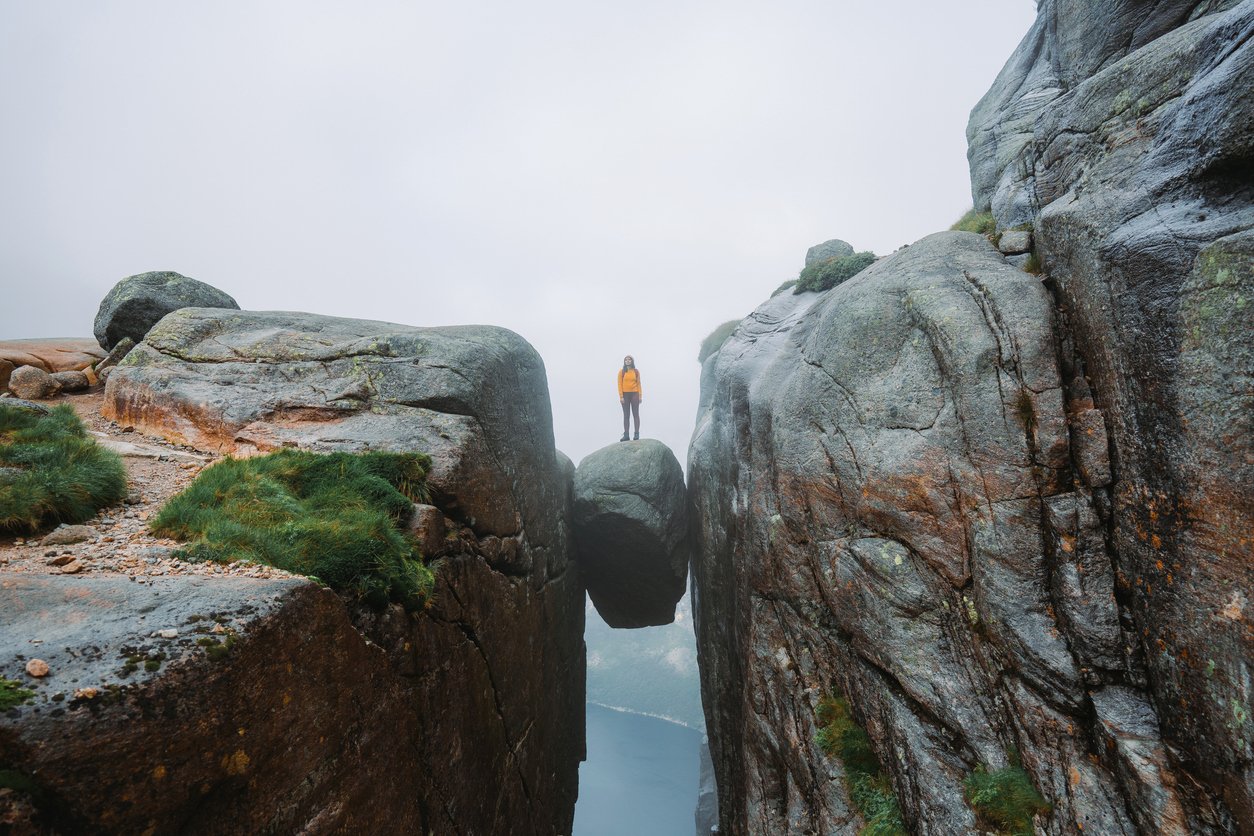
Preikestolen, Trolltunga and Kjerag are among Norway’s best-known hiking objectives. They should not be treated as interchangeable outings.
|
Hike |
What attracts visitors |
Main planning consideration |
|
Preikestolen |
The cliff-top view over Lysefjord |
Uneven terrain, weather and an exposed viewpoint |
|
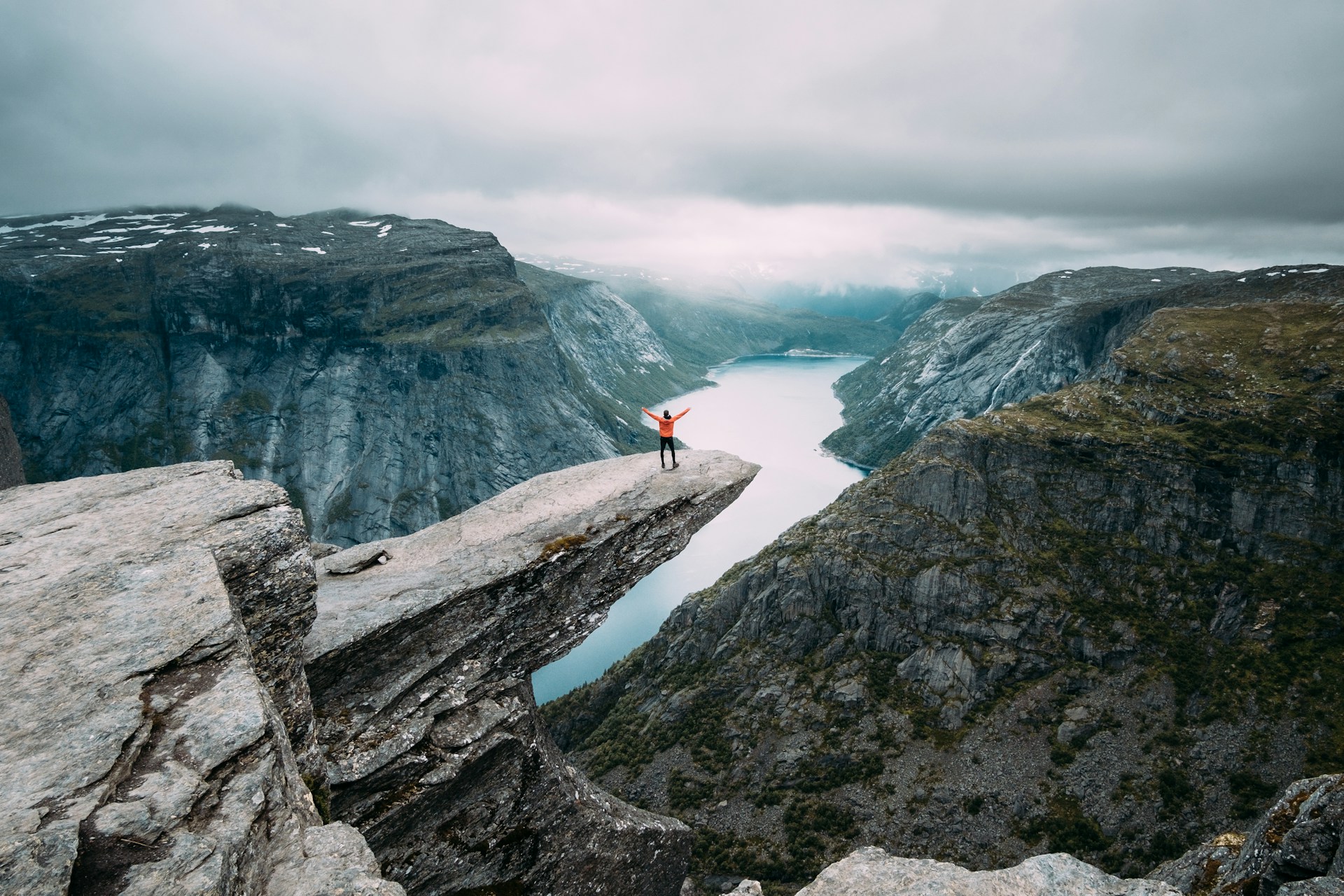
Trolltunga |
The projecting rock above the lake |
A long mountain day, with access and conditions affecting the commitment |
|
Kjerag |
High mountain scenery and the famous suspended boulder |
Steep terrain, exposure and seasonal access |
For many first-time visitors, choosing one that fits the route is more sensible than travelling between all three.
Check the official Preikestolen information and official Trolltunga website for prep, transport and seasonal advice.
Getting onto a famous rock is optional, and walking to the rock is a cool adventure by itself. A rewarding mountain day doesn’t depend on recreating a photograph, and nobody in your group should feel pressured into an exposed position.
8. Go Whitewater Rafting in Voss
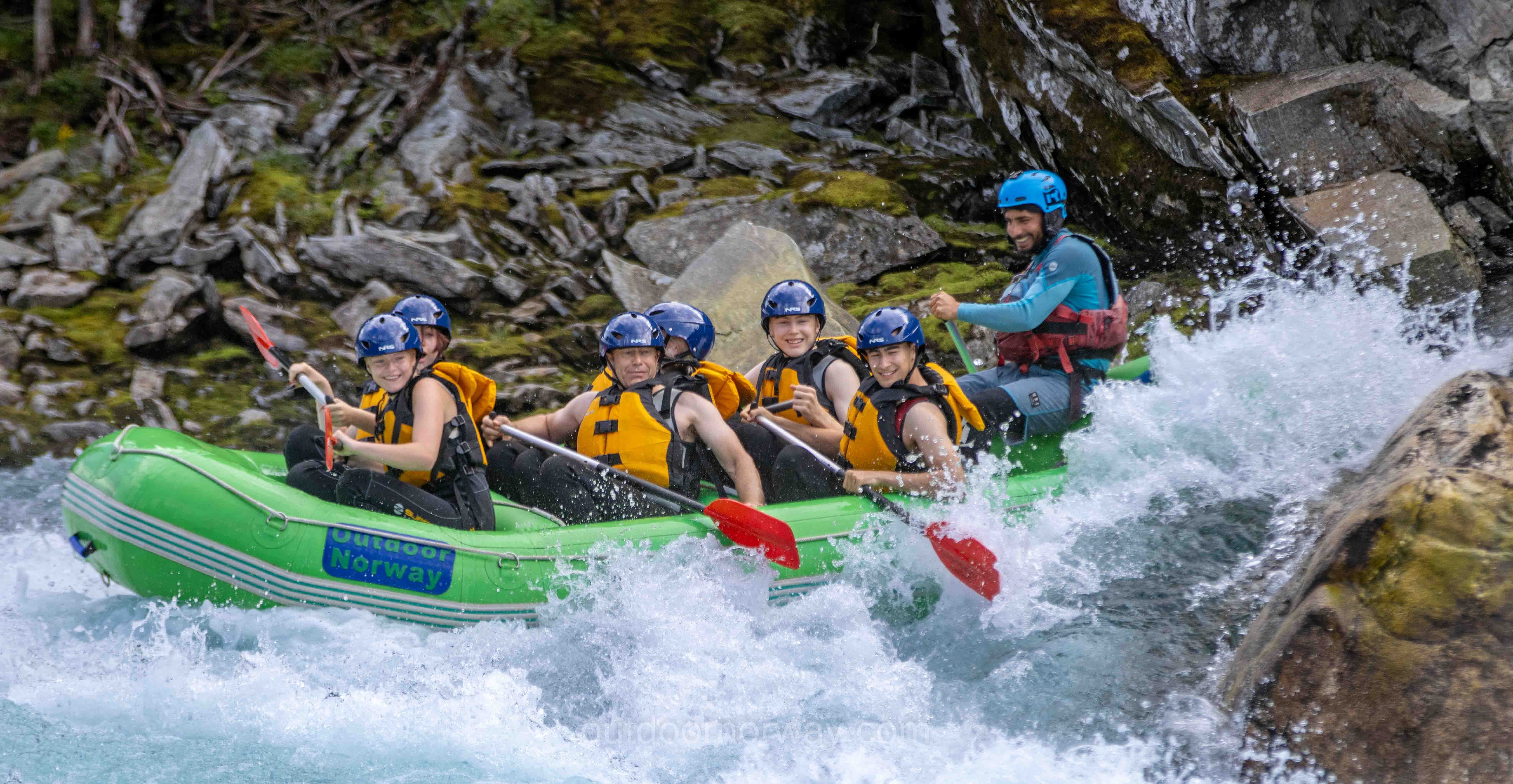
Instead of looking across a valley, why not travel through it at river level?
In Voss, the Raundal River provides the setting for a guided outing built around moving water, teamwork and close attention to the river.
For newcomers, the important questions are practical: what instruction is provided, which equipment is included, what fitness and swimming requirements apply, and how the trip is adapted to conditions.
Our whitewater rafting in Voss page explains the main experience. Make sure to look separately at family rafting in Voss, and never assume every rafting departure is appropriate for children.
Leave time afterwards for changing and a relaxed onward journey. Rafting is more enjoyable when you aren’t immediately rushing to catch a train!
9. Explore Voss by Mountain Bike or E-MTB
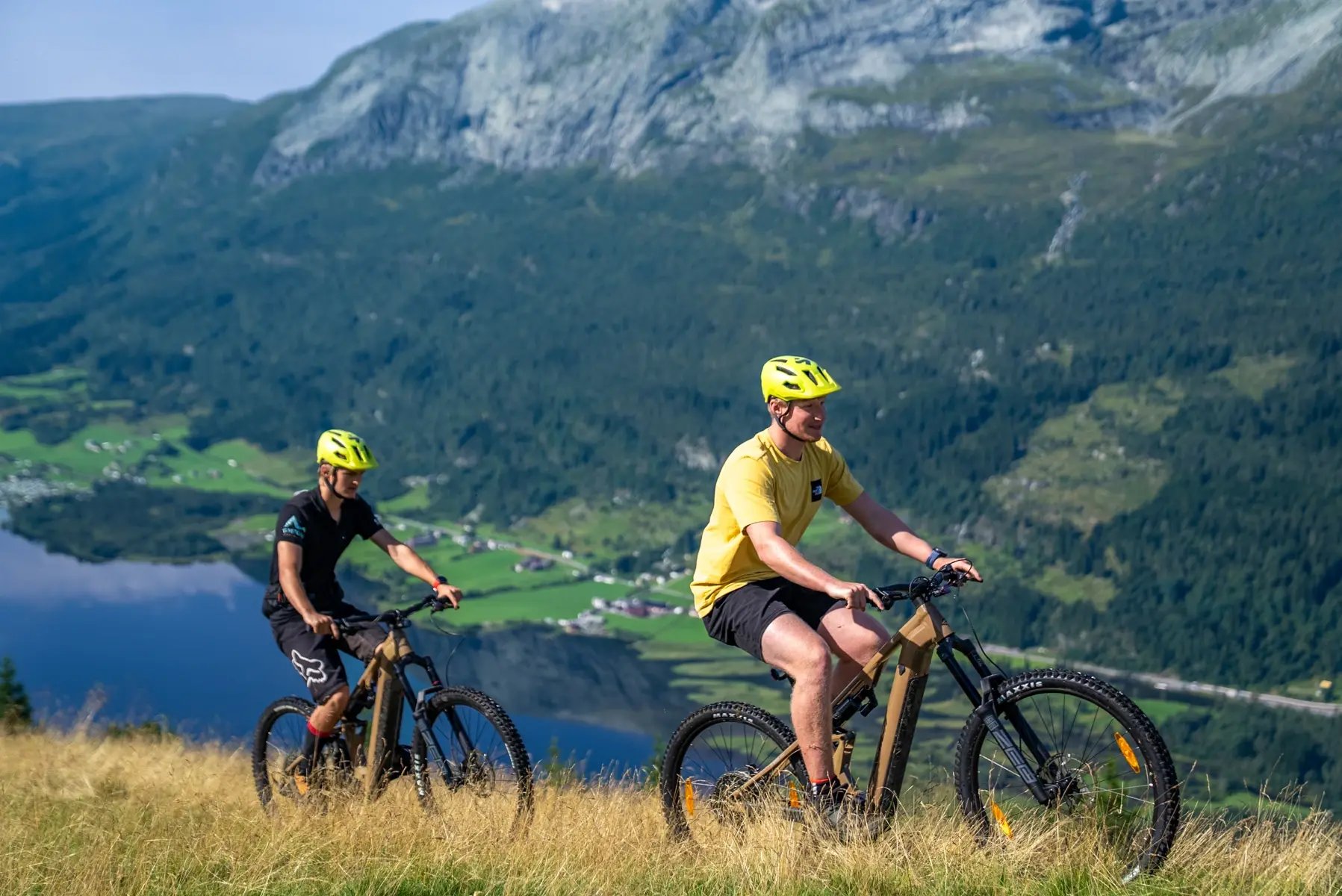
Cycling can take you beyond the places most visitors reach on foot from the town centre. Forest trails, gravel tracks and mountain routes offer very different kinds of riding.
The key is choosing the terrain before choosing the bike.
An e-mountain bike makes climbing more manageable, but it doesn’t remove the need for balance, braking skills or confidence on uneven ground. A forest ride may be a better introduction than a technical mountain route.
Our guide to mountain biking in Norway explains the broader possibilities.
For a guided experience, consider an E-MTB tour in Voss. Tell the team about your riding background honestly, including whether your experience is mainly on paved roads. That makes it easier to recommend a route you’ll enjoy.
10. Walk on a Glacier with a Qualified Guide
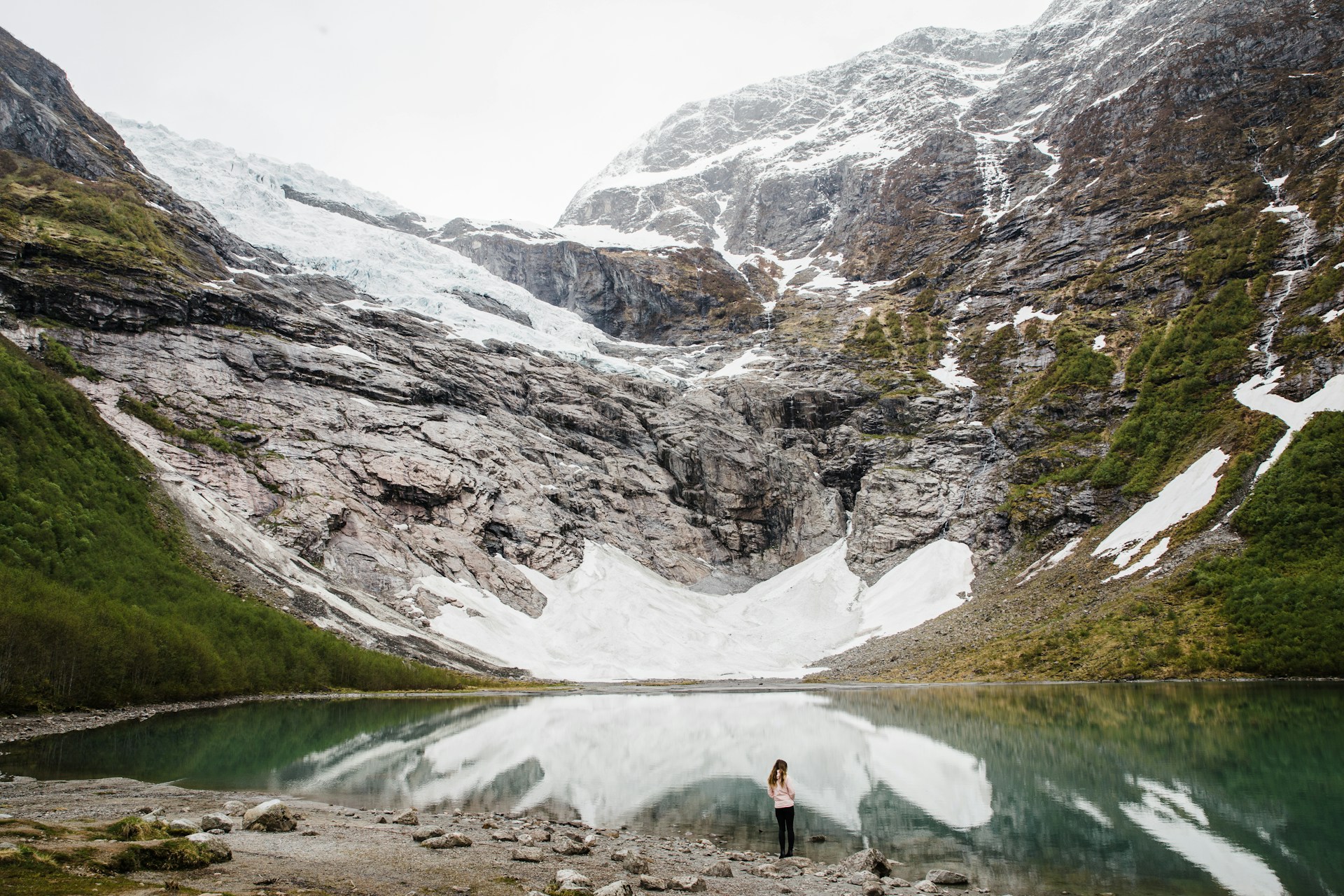
A glacier walk is an opportunity to experience a landscape that looks and behaves much differently from a normal mountain trail.
Ice formations, crevasses and changing surfaces are big hazards, so specialist knowledge and equipment are absolutely essential. Viewing a glacier from an approved trail is a different activity from stepping onto it!
If you want to walk on the ice, book a suitable guided excursion and check the age, fitness and equipment requirements. Don’t follow tracks onto a glacier because other people appear to have gone that way.
Norway’s water and energy authority has great guidance on safety on and near glaciers, including hazards around the ice margin.
Build flexibility into the day. Your guide may change the route or cancel an outing if conditions require it.
11. Try River Canoeing or Stand-Up Paddleboarding
River activities are a closer, more involved encounter with the landscape than watching from a bridge.
This is a different deal from paddling on a sheltered lake. Current will strongly affect your direction and speed, and reading the water is a part of the experience.
A guided session is, for most people, the best possible way to learn those differences with instruction and appropriate equipment. It can also help you choose an activity that suits your confidence.
Our guided river canoeing and river stand-up paddleboarding trips are separate experiences with their own requirements, for example..
If you picture a relaxed paddle with little physical effort, and we can’t emphasize this enough, say so before booking.
The word “paddling” covers a wide range of adventures. Matching expectations matters more than choosing the most adventurous-sounding option.
12. Spend Time in a Norwegian National Park
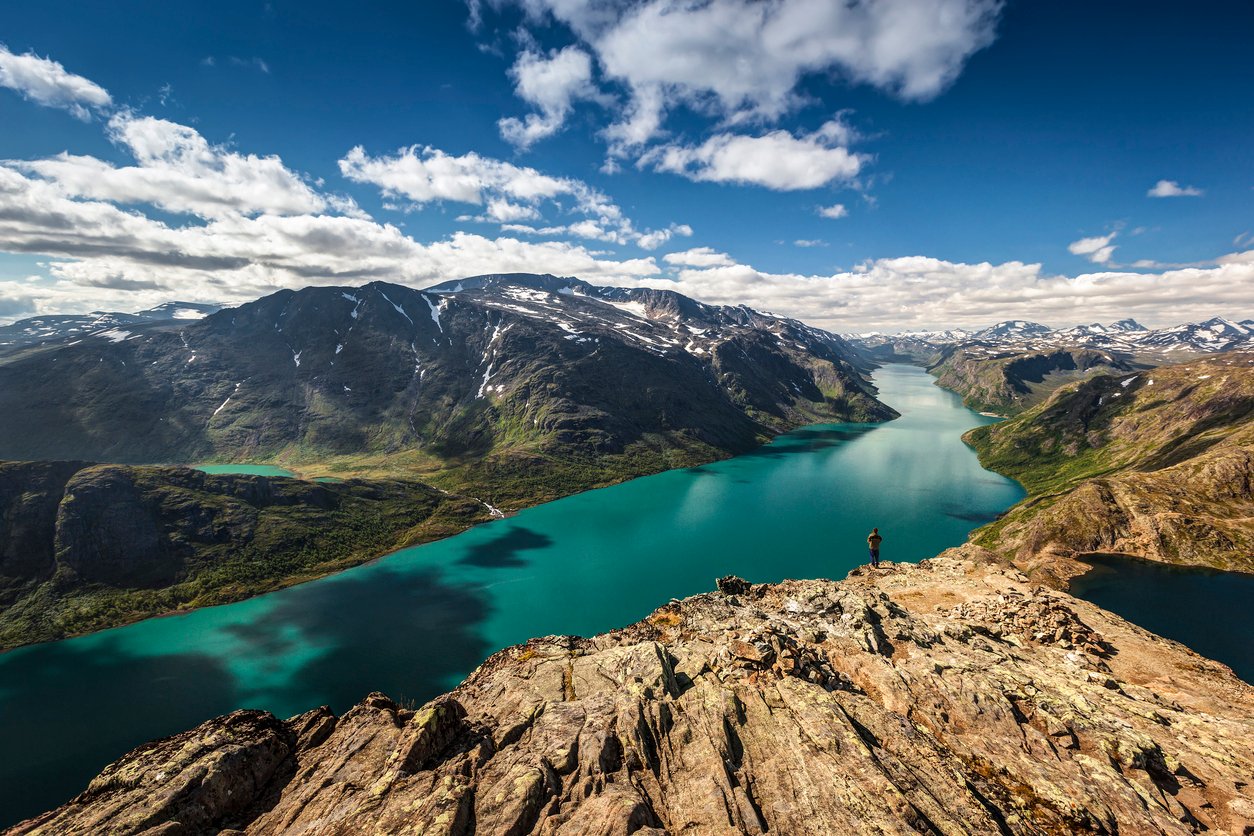
A national park visit doesn’t have to mean a multi-day expedition. We’re not the USA, and the parks aren’t as massive!
You might go for a short intro walk, a visitor centre and nearby trail, or a longer mountain outing with appropriate preparation. Jotunheimen, Hardangervidda and Rondane are the top picks in our book.
Start by choosing an entrance area that fits your route. A park’s name on the map doesn’t tell you where you can park, which trails are suitable or how far away your intended destination lies.
There’s a lot of bad info out there, so use the official Norwegian national parks website to find the relevant park information and local guidance.
If you want a quieter experience, consider spending longer in one accessible area rather than driving between several park boundaries. Time on the trail matters more than the number of parks on your list.
Discover Arctic Norway and Its Seasonal Experiences
Northern Norway demands more planning around the experience you want most. But for us, it’s definitely worth it. The same destination can offer a very different holiday under summer light, autumn skies or winter snow.
13. Search for the Northern Lights
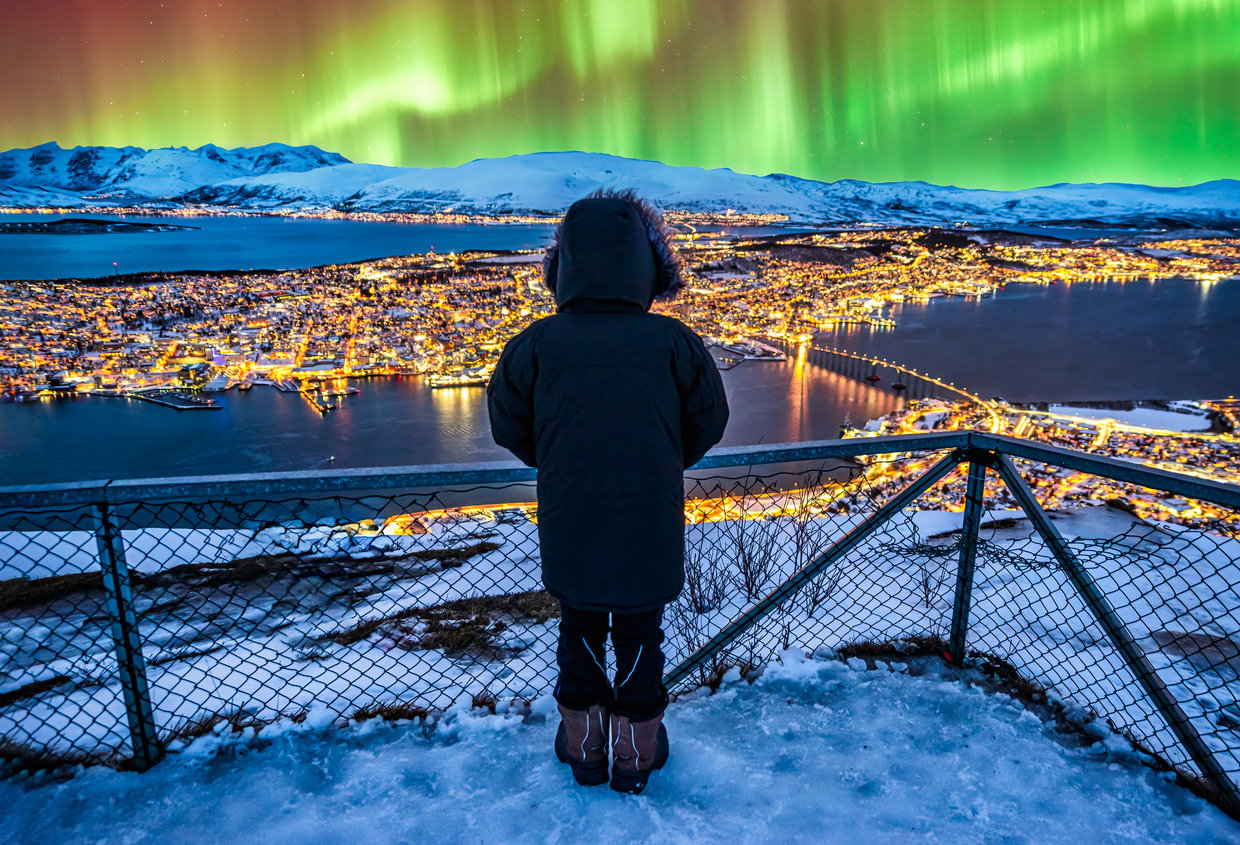
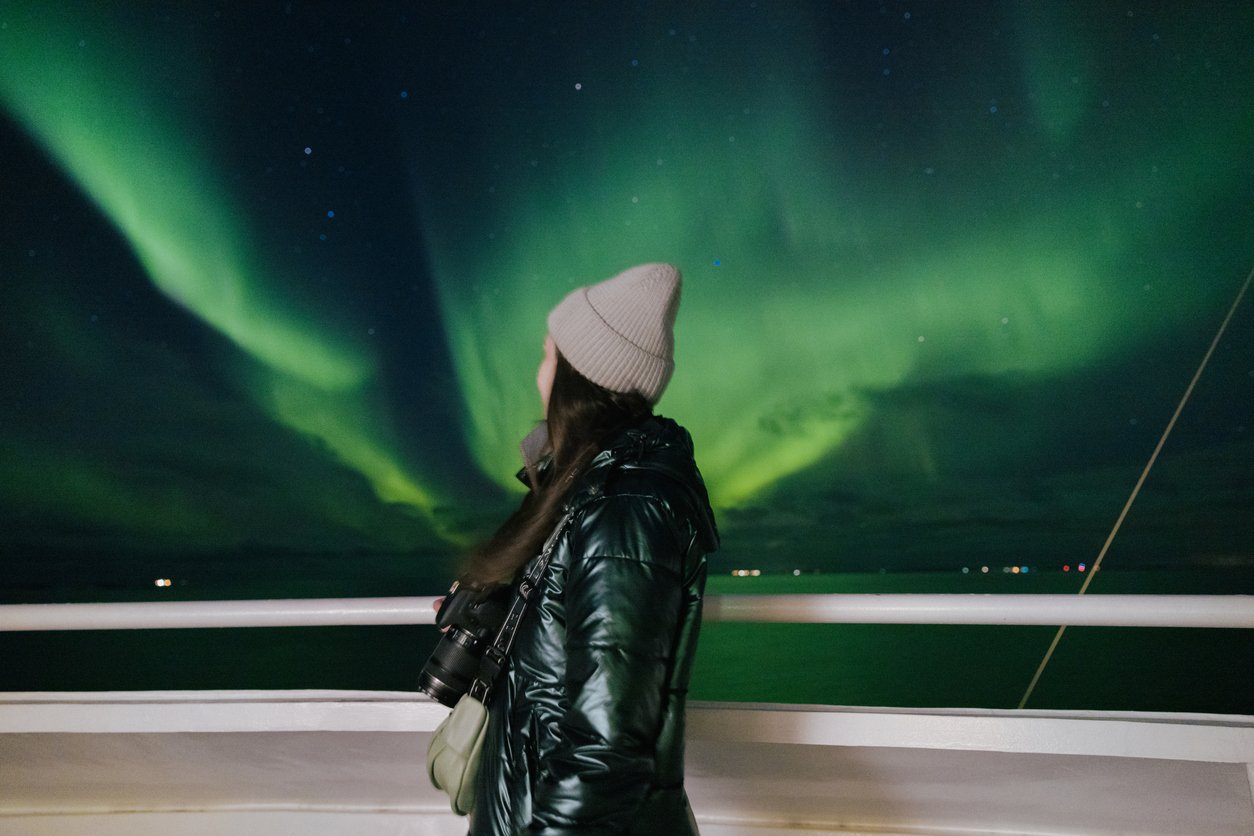
Let’s set the expectations right away: seeing the Northern Lights is a possibility rather than an appointment.
You need sufficiently dark skies, favourable weather and auroral activity. A strong forecast cannot make the lights visible through thick cloud, and a clear night cannot guarantee a display.
Northern Norway is the natural starting point for an aurora-focused holiday. Alta and Tromsø offer different settings and travel styles, so choose the place that suits the rest of your trip too.
Our guide to the best time to see the Northern Lights in Norway should help you compare months and priorities. You can also explore our Northern Lights tours in Norway.
Allow several nights if you can. More evenings provide more opportunities, but the strongest itinerary also includes daytime experiences you’ll enjoy regardless of the sky.
14. Experience the Midnight Sun
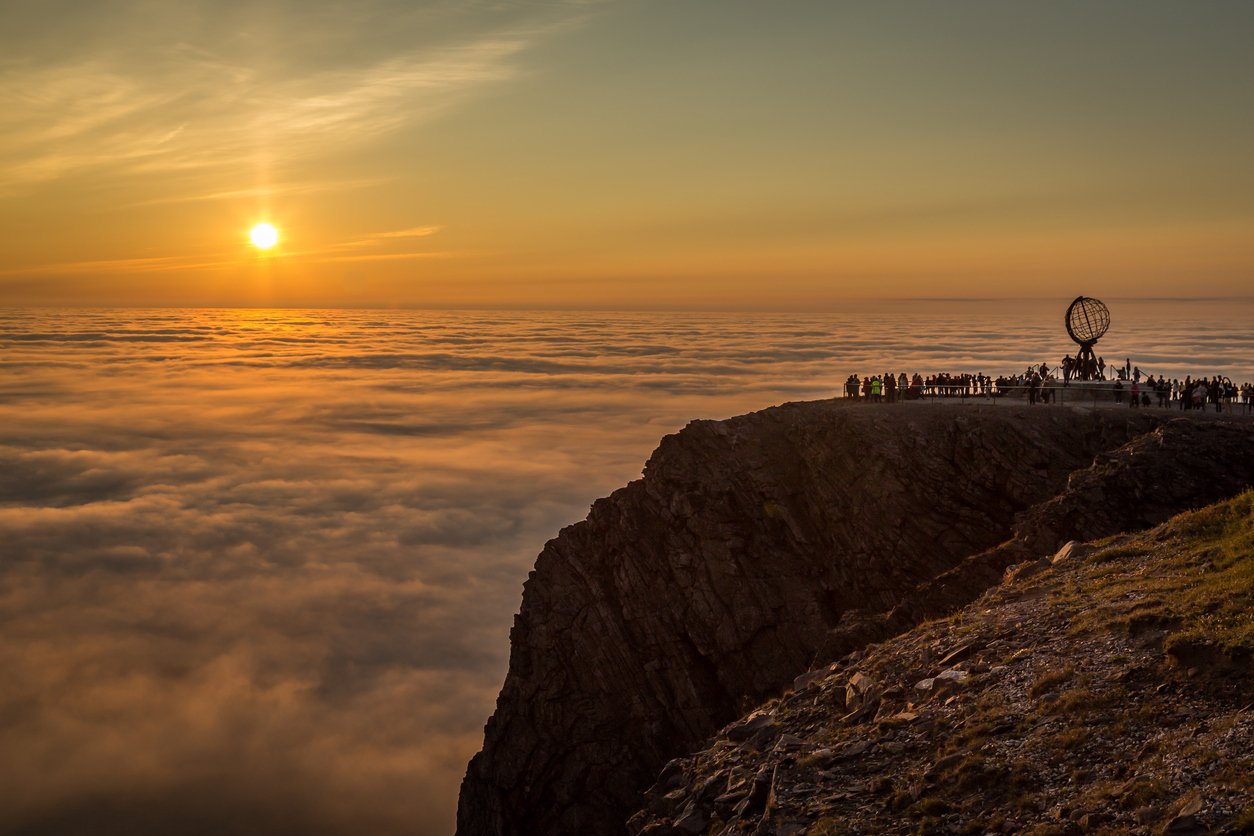
The midnight sun changes how a holiday feels completely!
3 AM walks are completely normal: the landscape stays visible late into the night, and the usual distinction between daytime and bedtime becomes less obvious.
To experience the sun remaining above the horizon, you need to choose 1) a sufficiently northern destination and 2) the right dates. The exact period varies by latitude; bright summer evenings elsewhere in Norway are not the same phenomenon.
Visit Norway’s guidance on the midnight sun is a useful starting point for choosing where and when to travel.
Plan something simple for your first late-night outing: a viewpoint, a short coastal walk or time beside the water.
And protect your sleep. Constant light doesn’t remove the fatigue from a long drive or a demanding hike.
15. Explore Lofoten’s Villages, Beaches and Walking Routes
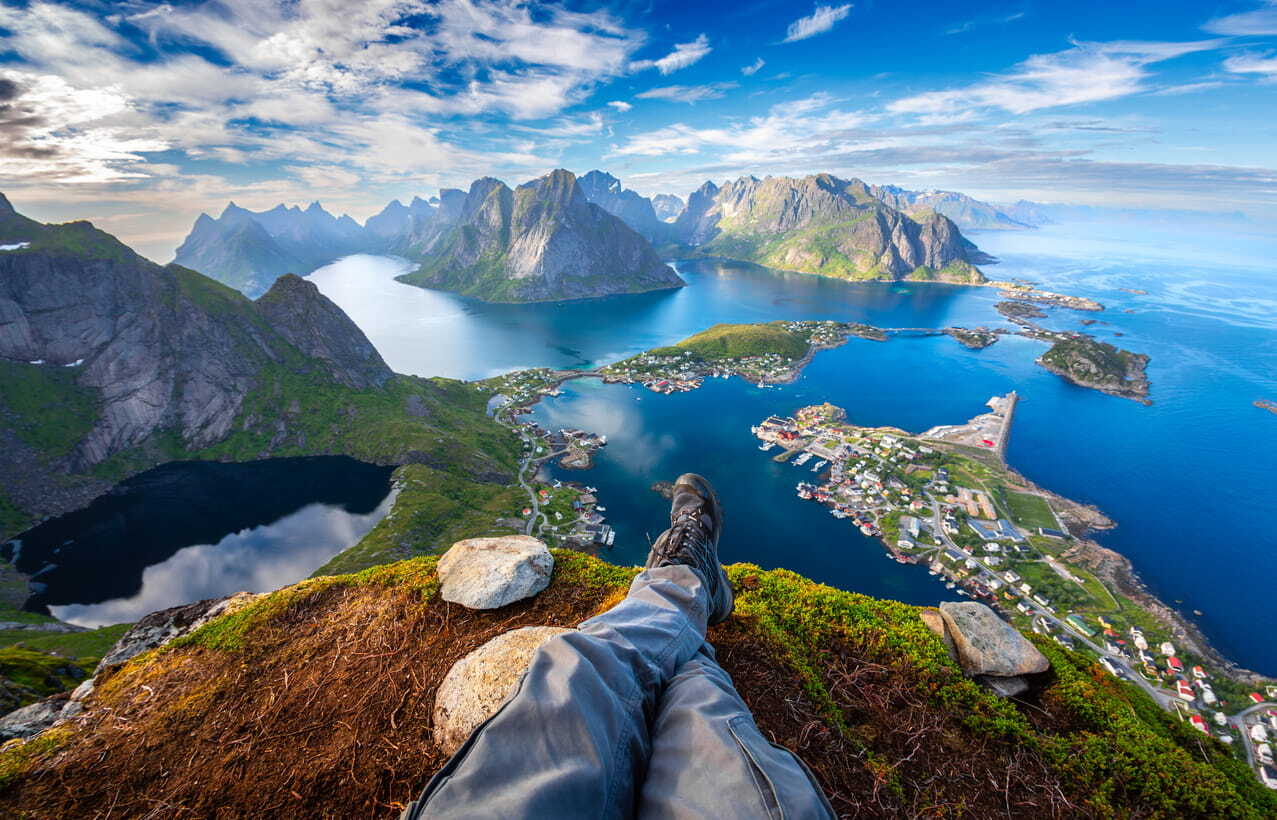
Lofoten is far more than a single viewpoint!
Fishing villages, working harbours, beaches and mountain roads are absolutely packed with ways to spend a day without committing to the big summit. For walkers, the choice of route should depend on conditions and ability (not just where your favorite influencer took the selfie!).
What we’d do is choose a small number of bases or one manageable section of the islands. Repeatedly driving long distances to reach a different photograph can kill the pleasure of being there.
On a good day, you might combine a village, a short walk and time at a beach, with room to change plans if the weather turns.
Remember that these are lived-in communities. Use designated parking, respect private property and avoid blocking roads while stopping for pictures.
16. Go Whale Watching with a Responsible Operator
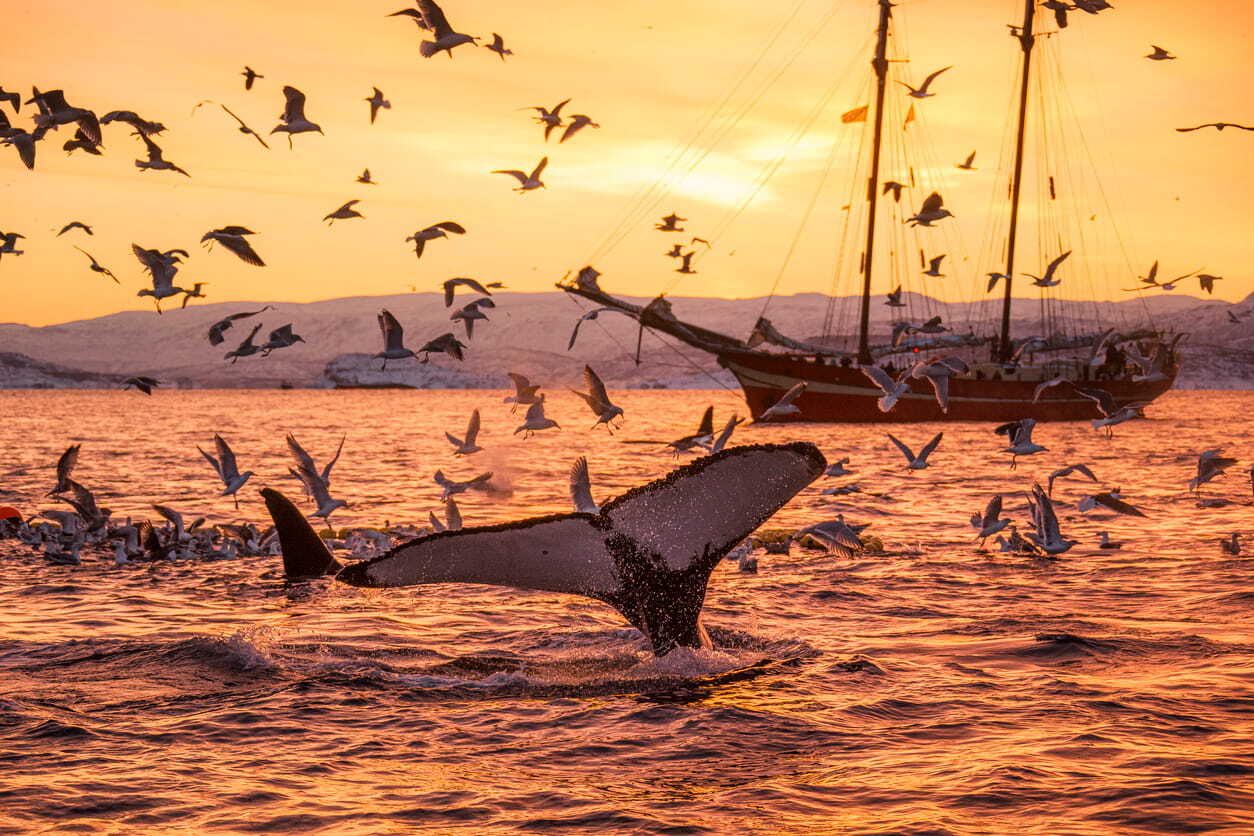
Whale watching can be a highlight of an Arctic trip, but same as with the Northern Lights, you need realistic expectations.
Species, feeding patterns and suitable departure areas vary wildly by season. A tour advertised from one town may involve a transfer to where the boats operate, so check the complete itinerary rather than just the departure label.
We’d always ask about time on the water, vessel type, clothing, cancellation arrangements and the operator’s approach to wildlife encounters.
Our whale watching in Alta page has all the deets for that particular experience.
Choose your travel dates around the wildlife you most want to see, then confirm those dates with the operator. Don’t assume that every Northern Lights month also offers the same whale-watching opportunities.
Wild animals determine the encounter. A responsible trip gives them space rather than promising a particular distance or photograph.
17. Experience Dog Sledding
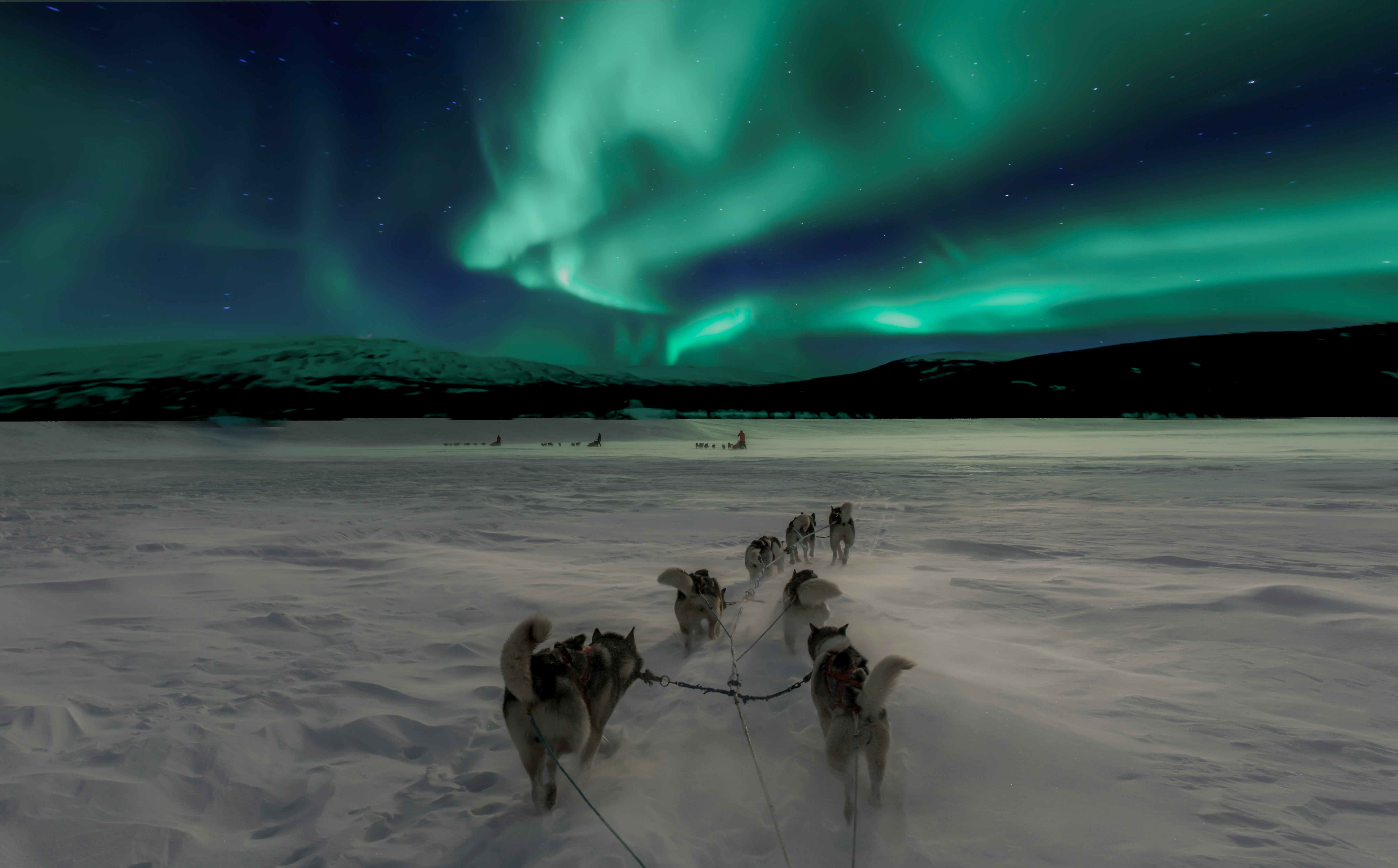
Dog sledding is one of the coolest things you can do in the far North: an outdoor journey with the energy of a working husky team!
As always, the experience depends on the product. Some departures let suitable guests take turns driving a team after instruction; others are passenger experiences. Kennel visits and husky evenings are different again.
Check exactly what you are booking, especially if driving is a priority. Snow conditions, age limits and physical requirements also matter.
Our dog sledding in Alta page explains the current arrangements for that trip.
Look beyond the sled ride when assessing an operator. Clear information about dog care, group sizes and guest preparation helps you understand how the experience is run.
Warm clothing is essential, but ask what is supplied before buying specialist items you may not need.
18. Learn About Sámi Culture Through Sámi-Led Experiences
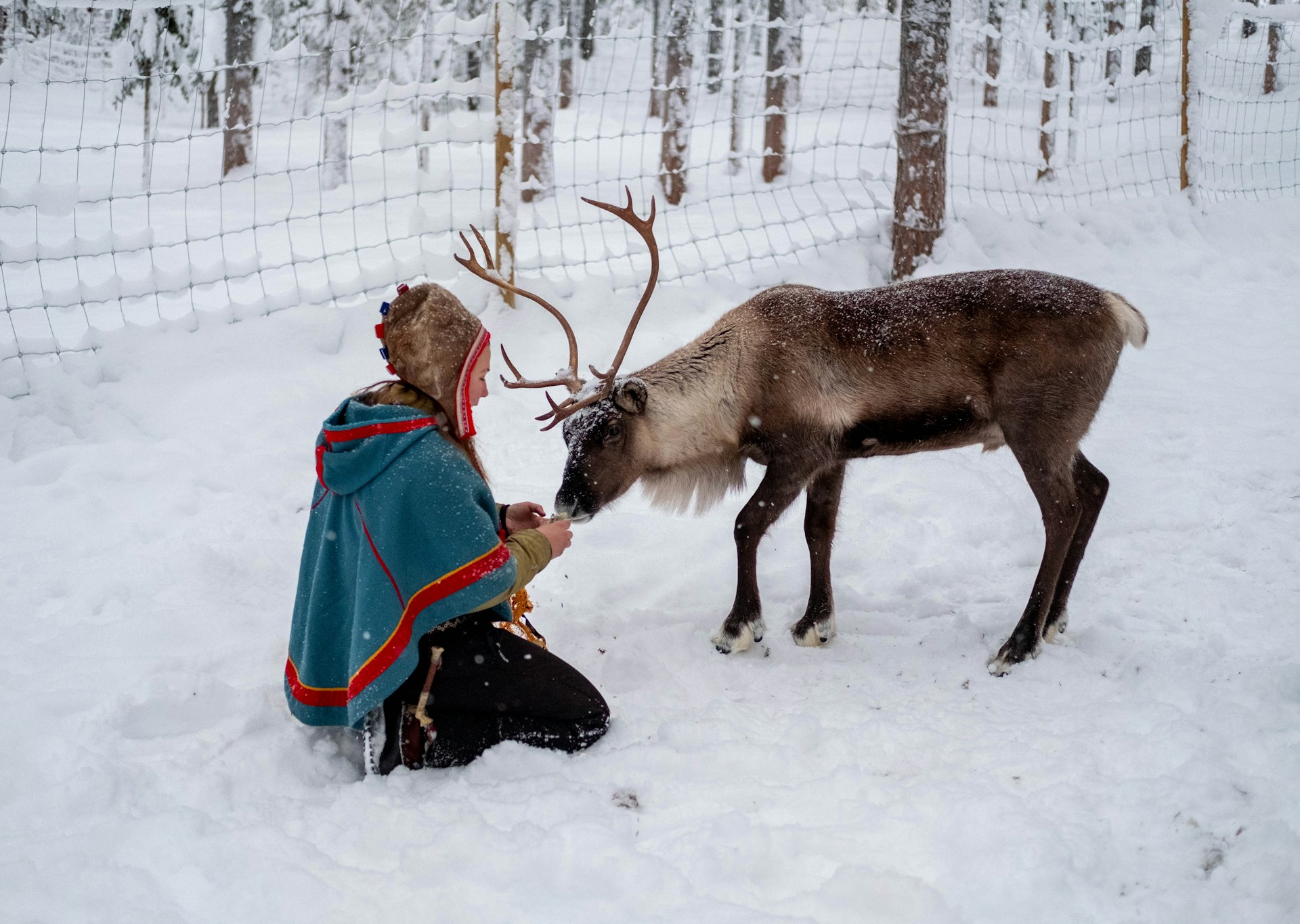
Sámi culture is part of contemporary life in Norway, with distinct languages, histories, livelihoods and creative traditions.
A worthwhile introduction gives people space to tell their own stories. Depending on the host and location, a well-crafted Sámi experience might involve food, storytelling, craft, reindeer husbandry or an exhibition.
Choose Sámi-led experiences where possible and read what is actually included. No single visit can represent every community or the full diversity of Sámi life.
Visit Norway’s introduction to Sámi culture can help you identify destinations and experiences to investigate further.
Give this its own place in the itinerary. It deserves more attention than being treated as a short addition to a wildlife excursion.
19. Consider a Specialist Trip to Svalbard
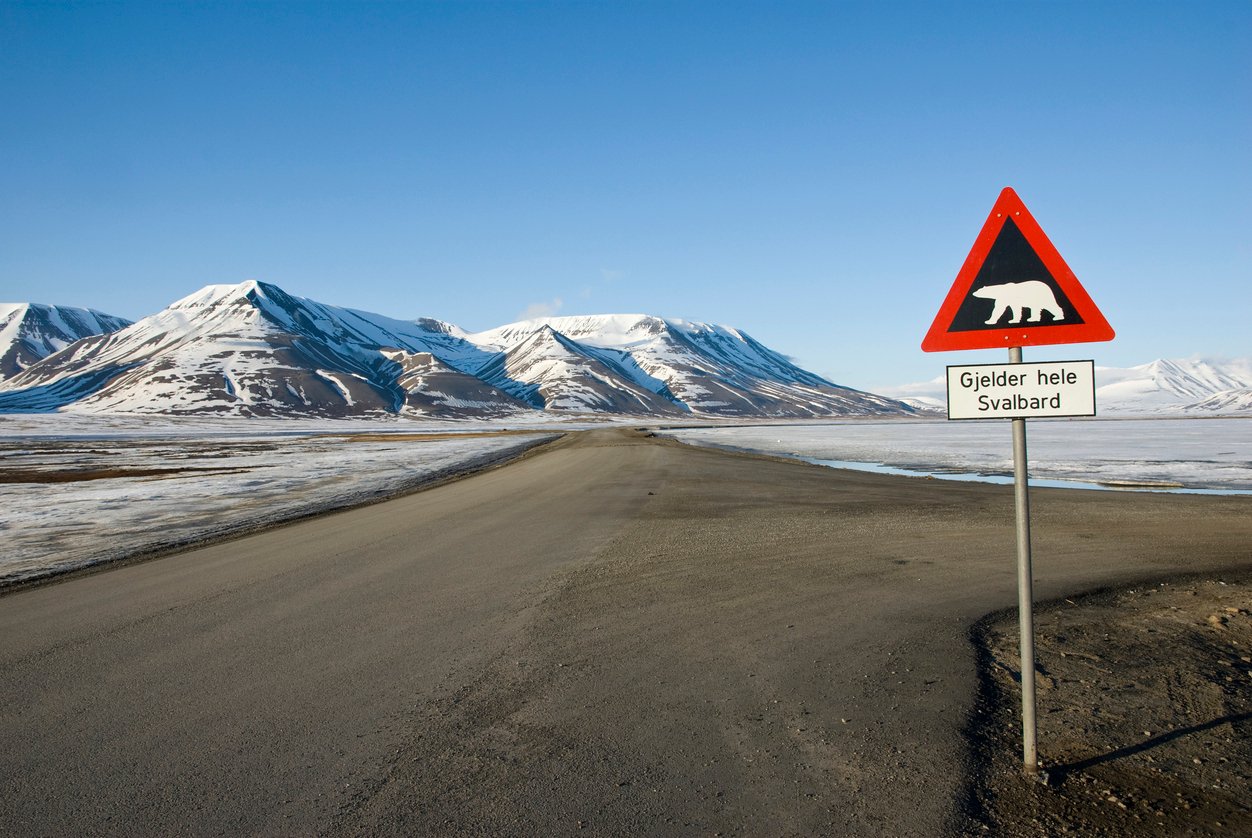
Svalbard is a distinct Arctic destination, and for sure not a quick extra stop on a mainland road trip.
The appeal here lies in its mind-blowing remoteness, landscapes, seasonal light, history and specialist guided experiences. The planning requirements are also different, including the approach to wildlife, travel outside settlements and environmental protection.
Build a separate itinerary around the season and activities you want. A summer boat journey, a winter snowmobile outing and a dark-season town stay are very different holidays.
Read the Governor of Svalbard’s current travel guidance before making plans. Local rules and safety requirements should shape your arrangements from the beginning.
If your main holiday is only a week, you may get more from choosing either mainland Norway or Svalbard and giving it proper time.
Explore Norway’s Cities, History and Culture
Outdoor experiences are only part of a Norway holiday. Cities and cultural stops add context, variety and good alternatives when the weather changes.
20. Explore Bryggen and Bergen’s Historic Streets
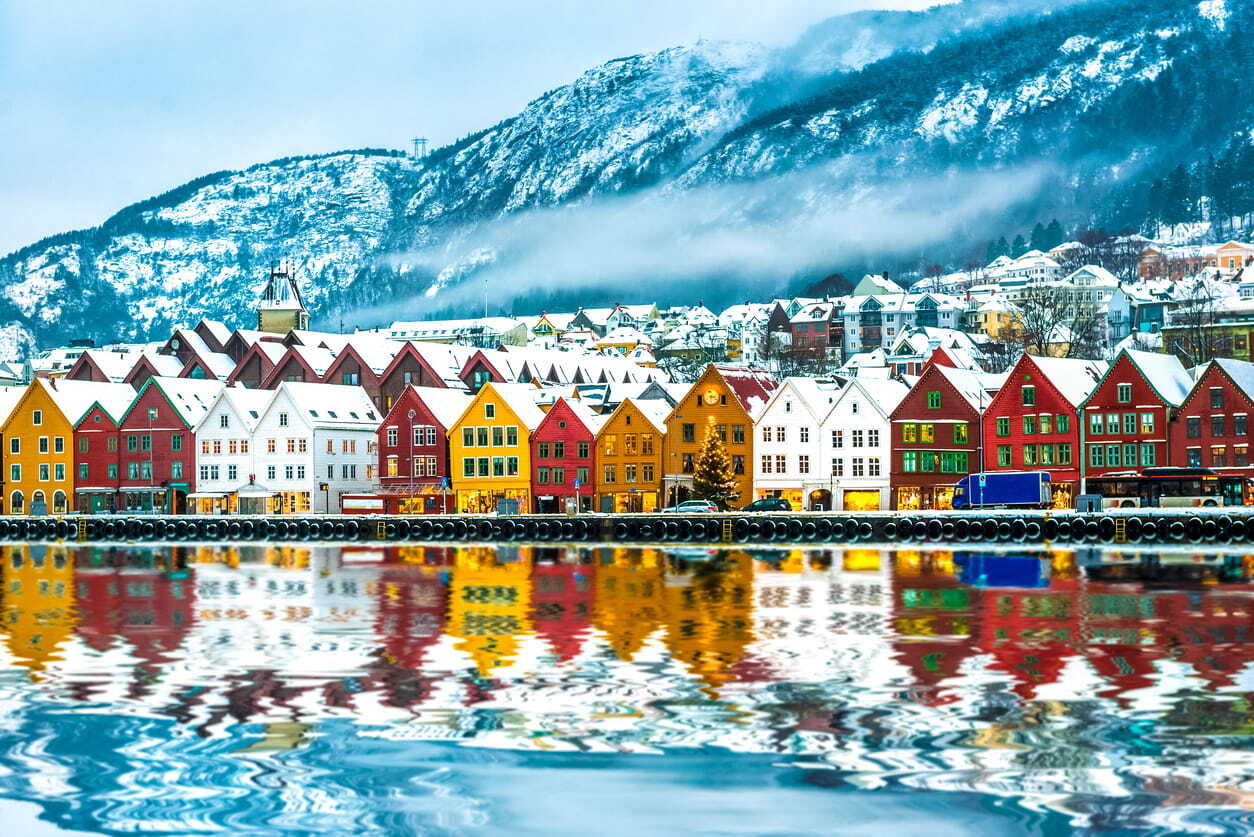
Bergen works very well on foot. Particularly if you leave time to wander beyond the waterfront photo!
We’d start around Bryggen, then dive into the passages, nearby streets and neighbourhoods at a slower pace. A guided history walk (there are some free ones out there) can really add meaning to buildings that might otherwise be a (cool and colorful) backdrop.
Try to balance sightseeing with ordinary city time: a bakery stop, a harbour walk or a museum that matches your interests.
Our guide to things to do in Bergen is just the thing you need to build a fuller stay.
Bergen is also the best starting point for travel into the wider region. If you have several days, compare the best day trips from Bergen rather than assuming you need to change hotels every night!
21. See Bergen from Fløyen or Ulriken
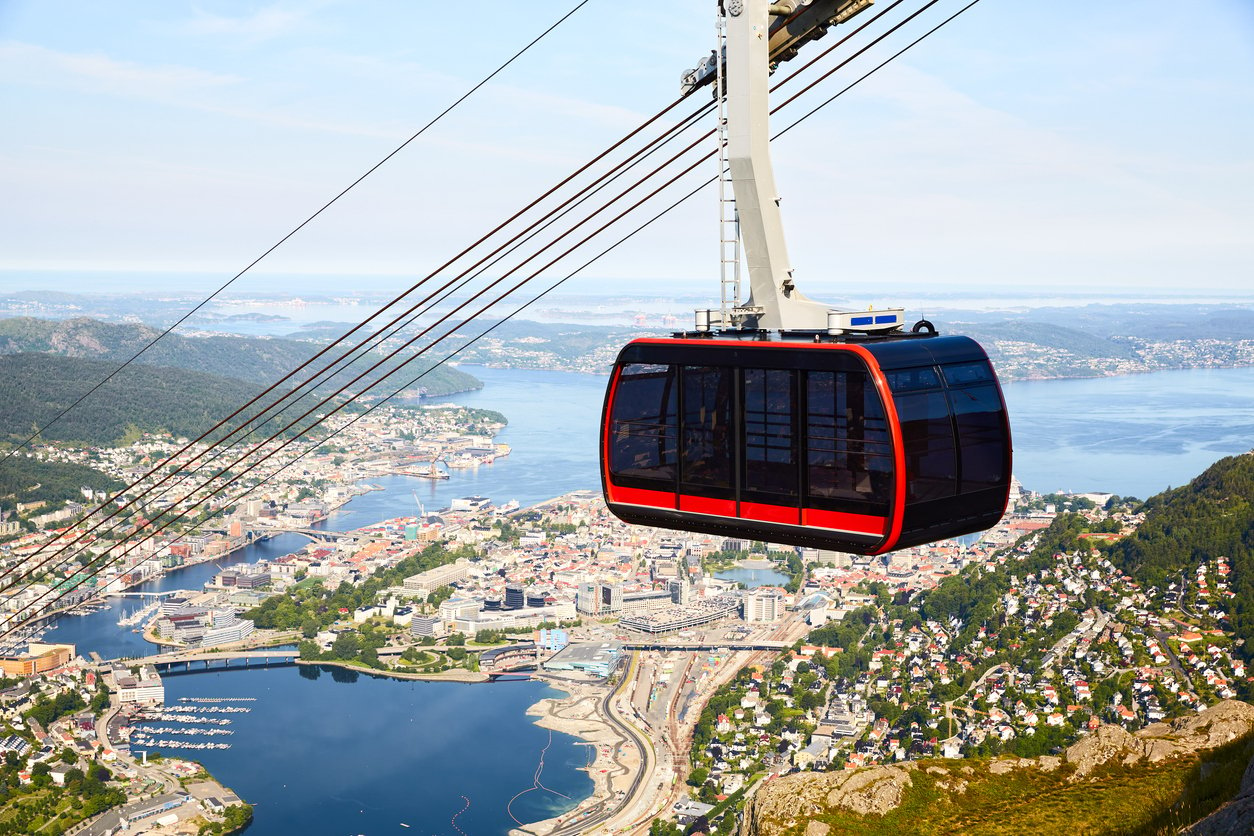
Getting above Bergen helps you understand the city’s unique setting between hills, islands and water.
Fløyen is an easy addition to a central sightseeing day. You can even take a funicular fully to the upper area. Ulriken is another option, with a cable car and plenty of trails leading to the top.
Choose according to the weather, available time and the kind of outing you want. Riding up for a view is different from planning a longer mountain walk.
The official Fløyen website provides information on tickets, opening hours and activities.
If the upper slopes are covered in clouds, consider postponing the viewpoint and enjoying the city first. There is little value in building your whole day around a panorama you cannot see!
22. Explore Oslo’s Waterfront, Architecture and Art
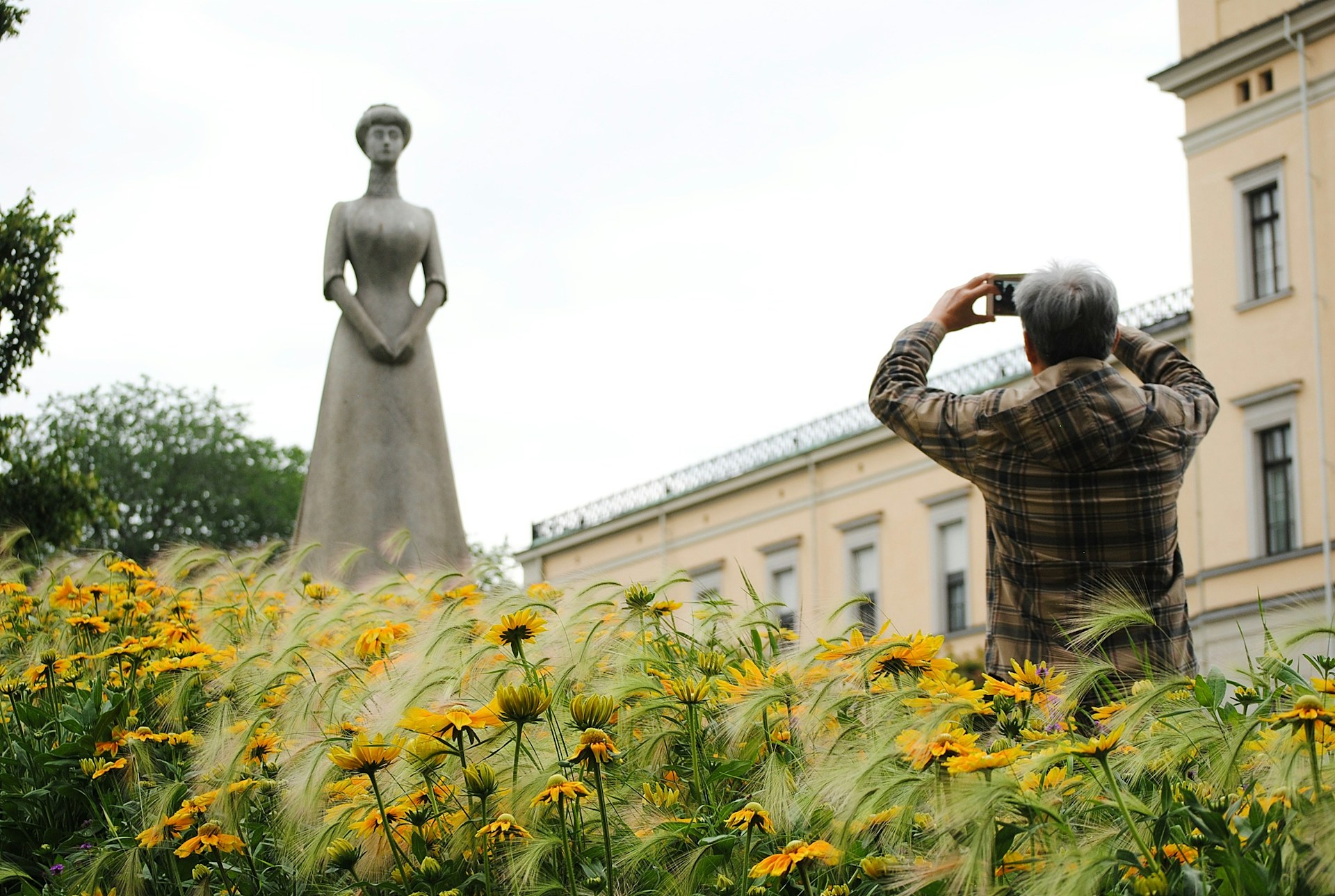
The capital of Norway best serves travellers who enjoy walking days with museums, architecture and food.
The waterfront is the classic starting point to every good Oslo tour. You can explore around the iconic Opera House and Bjørvika waterfront district, then choose a museum rather than attempting to visit every major collection in one day.
MUNCH and the National Museum are some of the most interesting museums in Scandinavia. Check current exhibitions and choose according to your interests.
If you’re up for a performance, consult the Norwegian Opera & Ballet programme before travelling.
Don’t make the mistake of not leaving gaps between bookings. Oslo is more rewarding when you have time for its public spaces, cafés and neighbourhoods instead of moving directly from one timed ticket to another.
23. Walk Through Vigeland Sculpture Park
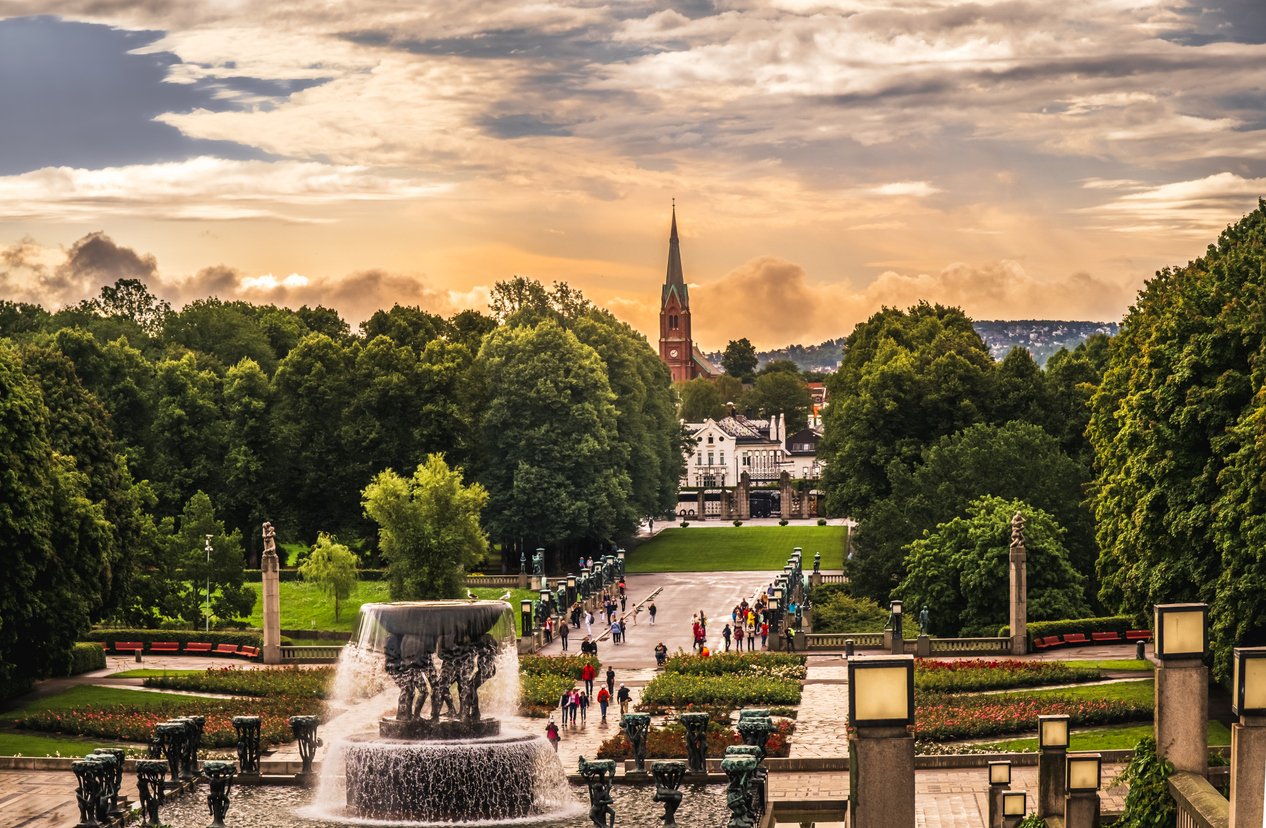
Vigeland Sculpture Park offers a different pace from a museum visit.
The fascinating sculptures invite you to walk, pause and notice details rather than follow a strict route. Vigeland works well as part of a wider outing in Frogner Park, especially if you want some outdoor time between indoor attractions.
Because of the open-air setting, the experience changes so much with the season. Summer greenery, autumn colour and winter conditions are completely different vibes in the park.
Use the Vigeland Museum and Park website for background and visitor information.
You don’t need to know much about sculpture before arriving. Give yourself time to look closely, rather than treating the park as a quick stop to locate its most photographed works.
24. Discover Stavanger’s Old Town and Waterfront
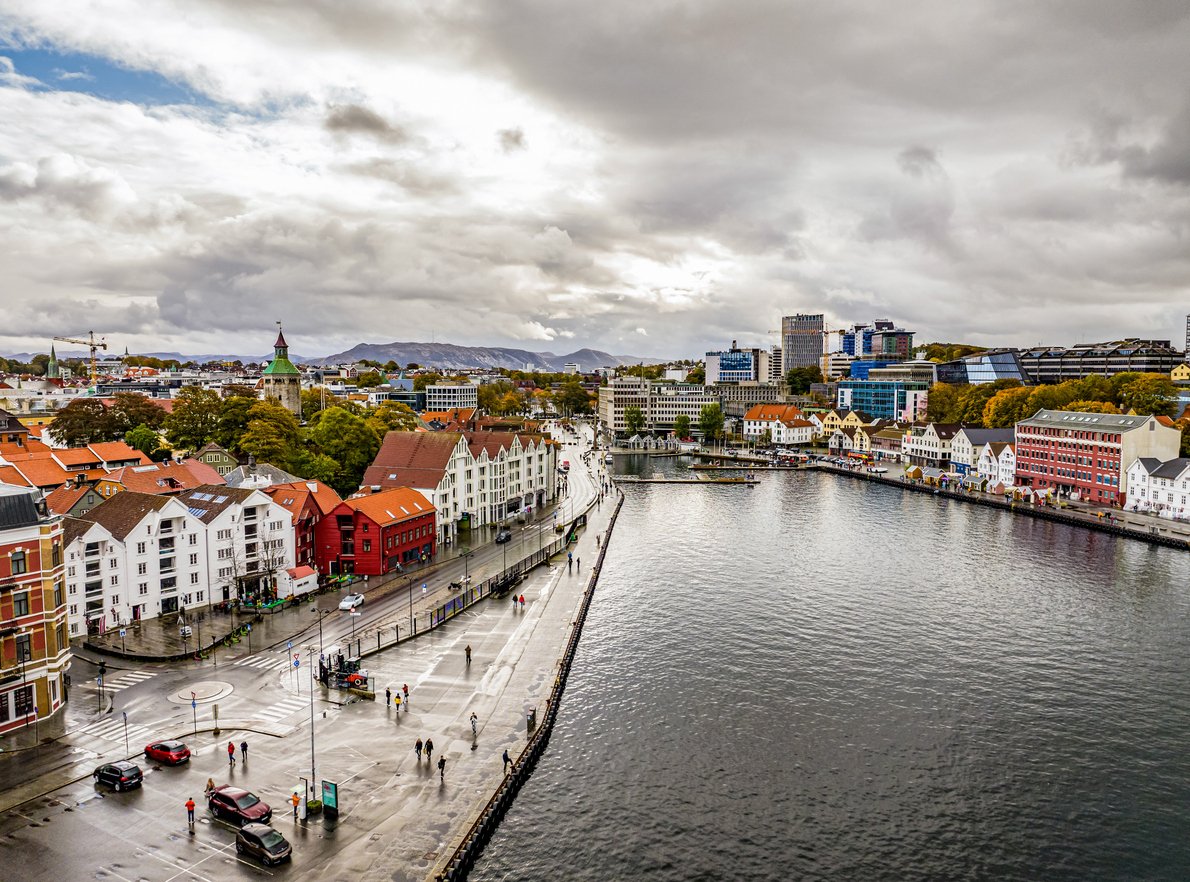
Stavanger is much more than a departure point for hikes.
A few ideas: you can walk through the old town’s wooden-house streets, explore the harbour area and choose a museum or food stop that adds another dimension to your stay.
Stavanger is THE cozy city base before or after outdoor days around Lysefjord. That balance is particularly useful if your group has mixed interests or wants an easier day between hikes.
Keep travel logistics in mind. Being based in Stavanger doesn’t mean every trailhead is just outside the centre.
25. Explore Trondheim and Nidaros Cathedral
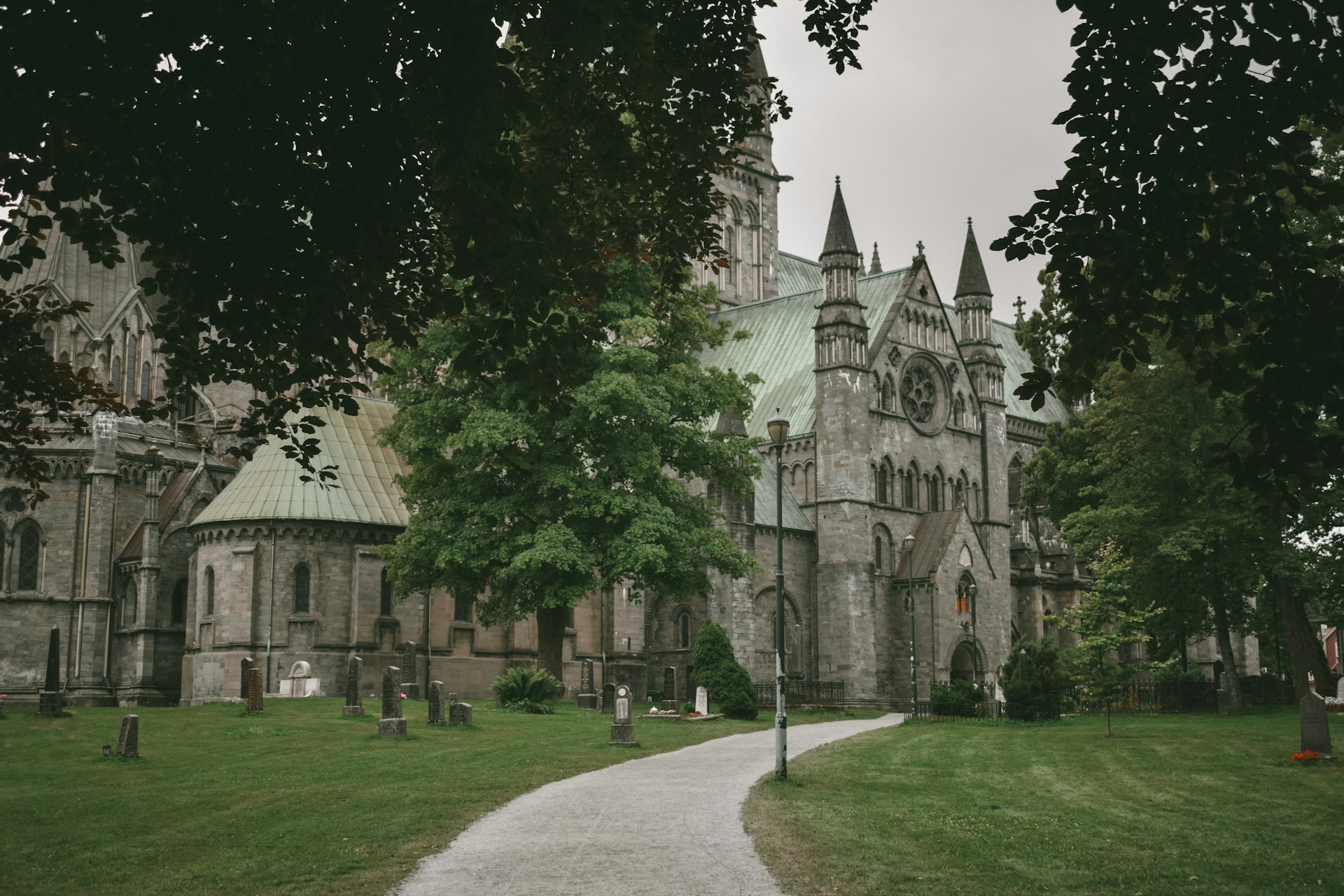
Trondheim has a uniquely Norwegian combination of historic architecture & waterside neighbourhoods. The atmosphere here is tough to describe, but it’s distinct from Bergen or Oslo.
Nidaros Cathedral is a natural starting point, particularly if you’re interested in medieval history, religious heritage or architecture. Then leave time for Bakklandet and a walk beside the river. Check the official website for admission, tours and events.
A guided visit can help you understand details that are easy to overlook, while a slower afternoon in the surrounding city keeps the day from feeling entirely organised around one attraction.
Trondheim also makes sense within a longer regional or coastal journey. For a short Western Norway holiday, however, consider whether adding it would leave enough time in either place.
26. Visit a Stave Church
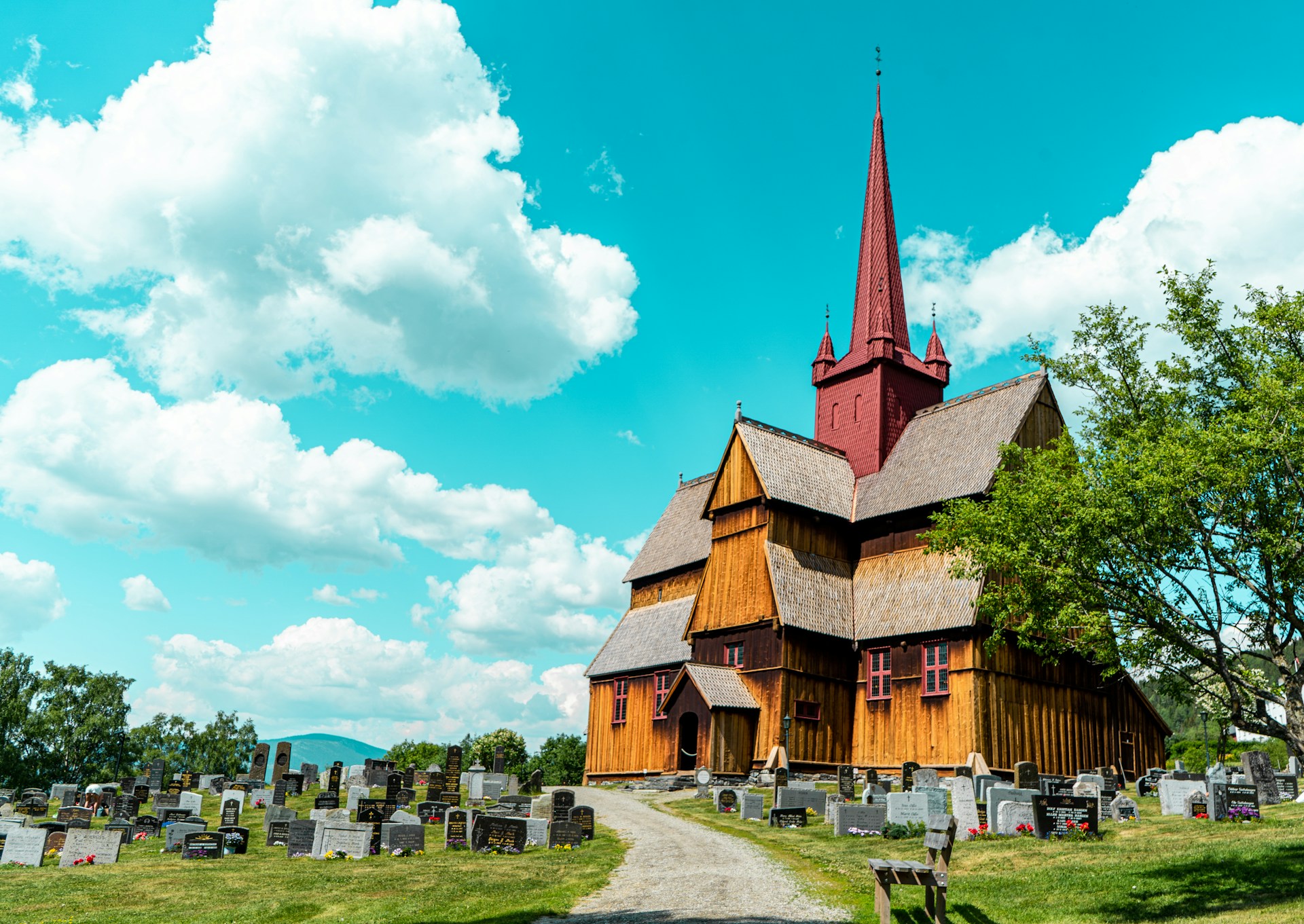
A stave church visit is a must if you’re at all interested in Norway’s timber-building traditions and religious history.
Borgund and Urnes are well-known examples to investigate, but the best choice is often the one that fits your route and has suitable visiting arrangements.
We’d advise you to take the time to understand the building rather than only photographing its exterior. To us, the construction methods, carving are the most fascinating part.
The Borgund Stave Church visitor information is a useful starting point for planning that visit.
Check seasonal opening before making a detour. Seeing the outside may still be worthwhile, but it is different from entering the church or joining a guided introduction.
Treat these as heritage sites, with respect for any services or local use.
27. Explore Norway’s Viking History
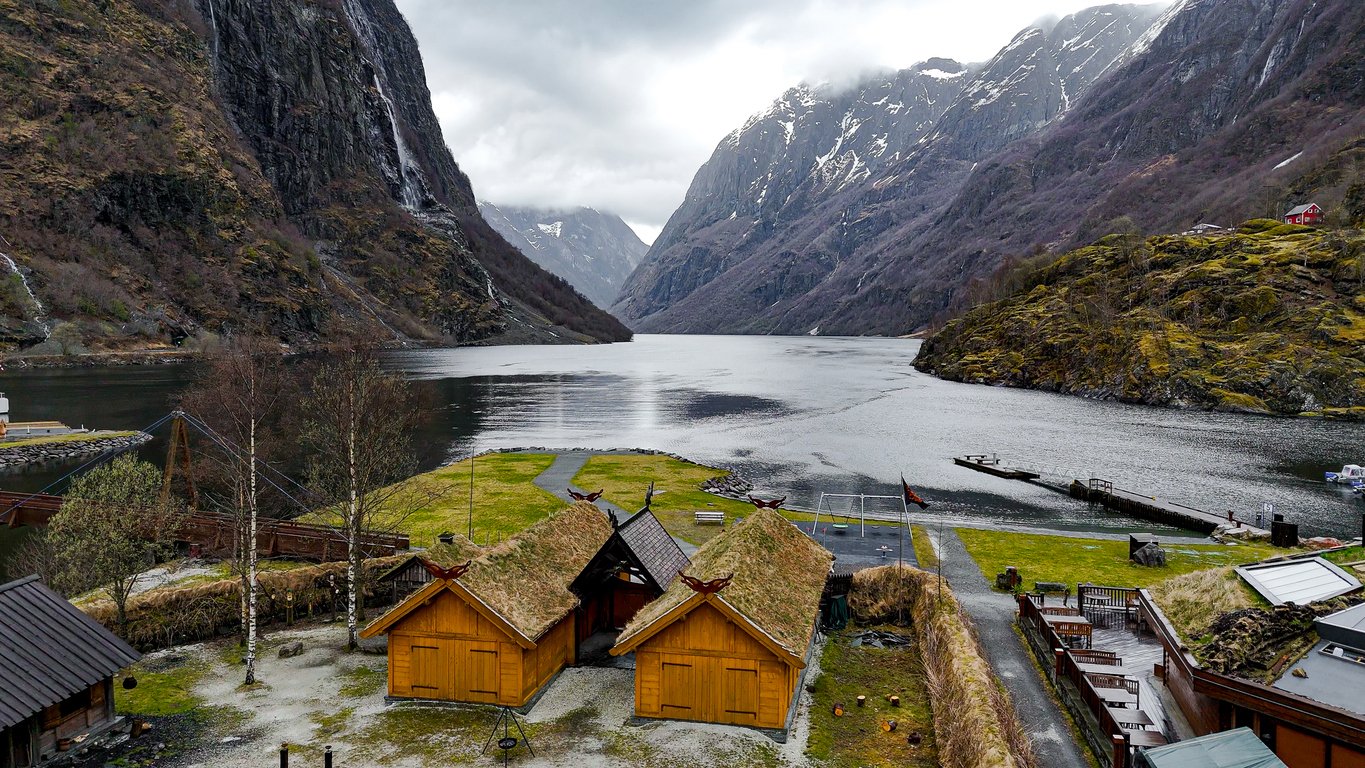
Viking history can be explored through archaeological collections, historic sites and living-history experiences. Each offers something different.
In a museum, you can examine surviving objects and the evidence behind historical interpretation. In Gudvangen, Viking Valley is a must visit. It’s a reconstructed setting focused on bringing aspects of the period to life.
Approach it as an interpreted experience rather than an untouched archaeological village. Asking questions about tools, clothing and craft can make the visit more engaging than simply walking between buildings.
If Viking history is a major reason for your trip, check museum availability and current exhibitions before choosing your route. Don’t rely on an old attraction list when planning a specific collection visit.
Make the Journey Part of the Experience
The transport in Norway can, and definitely should, be part of the holiday rather than time lost between activities. How, you ask? Just allow yourself to enjoy the journey!
28. Take the Bergen Railway
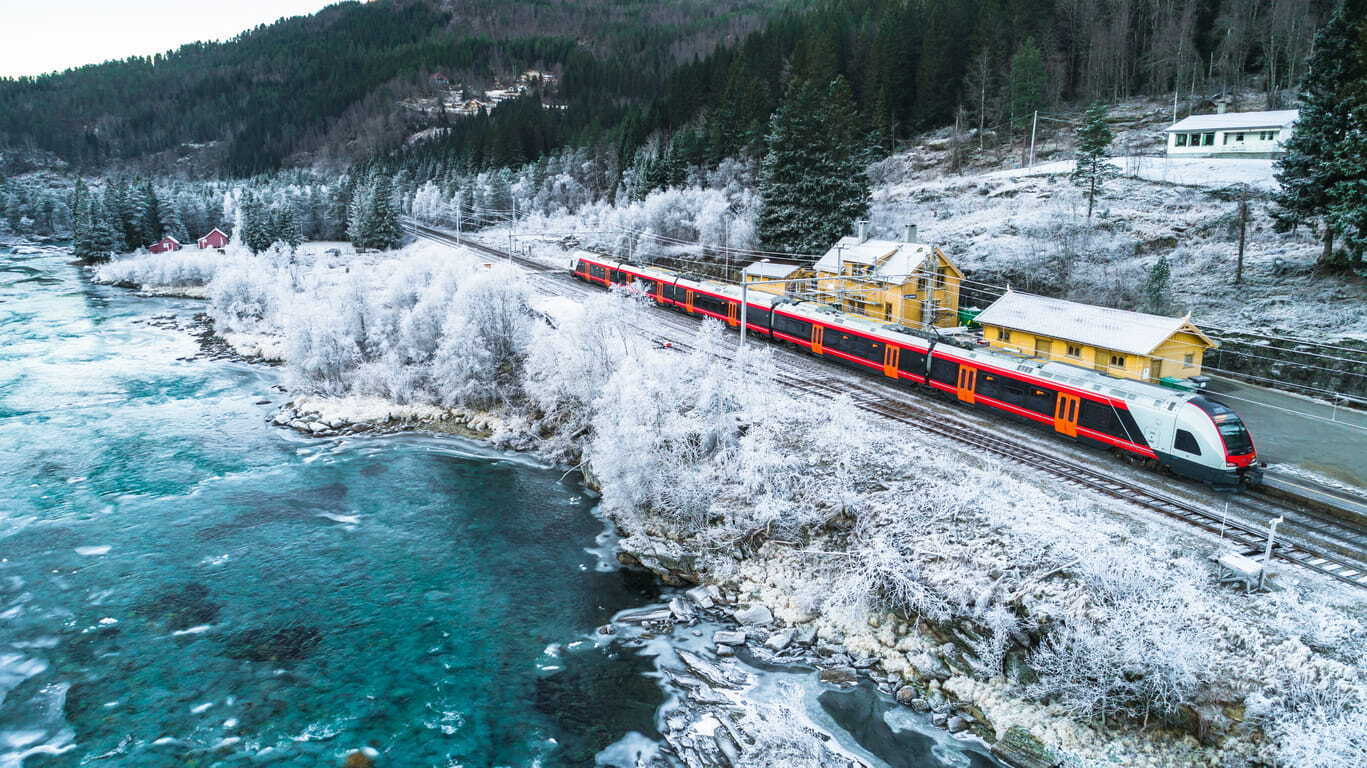
The train between Oslo and Bergen by train is probably our favorite first impression of Norway you can have.
Instead of navigating, parking or concentrating on mountain roads, you can watch the transition between settlements, valleys and higher terrain.
Our guide to travelling from Oslo to Bergen compares the practical options. Use Vy for current departures, fares and service information.
Treat the journey as a substantial part of the day. Avoid booking a tightly timed excursion immediately after arrival, particularly if it would be difficult to rearrange.
You might also break the route with a stay that matches your interests. One well-chosen stop means so much more than rushing straight through and then doubling back.
29. Ride the Flåm Railway

The Flåm Railway links Flåm and Myrdal. It’s a distinct experience from the longer Oslo–Bergen journey, and probably the most famous part.
You can do it as an excursion, or incorporate it into a wider route involving the Bergen Railway and fjord transport.
Before buying tickets, decide whether you need a return trip or a through-journey. Those are different planning problems, especially when other connections are involved.
Vy’s Flåm Railway information is the place to see the route and booking options.
Leave time to experience the area outside the train too. A rail journey, a short walk and a relaxed meal can make a satisfying day without adding several more excursions.
30. Follow a Norwegian Scenic Route
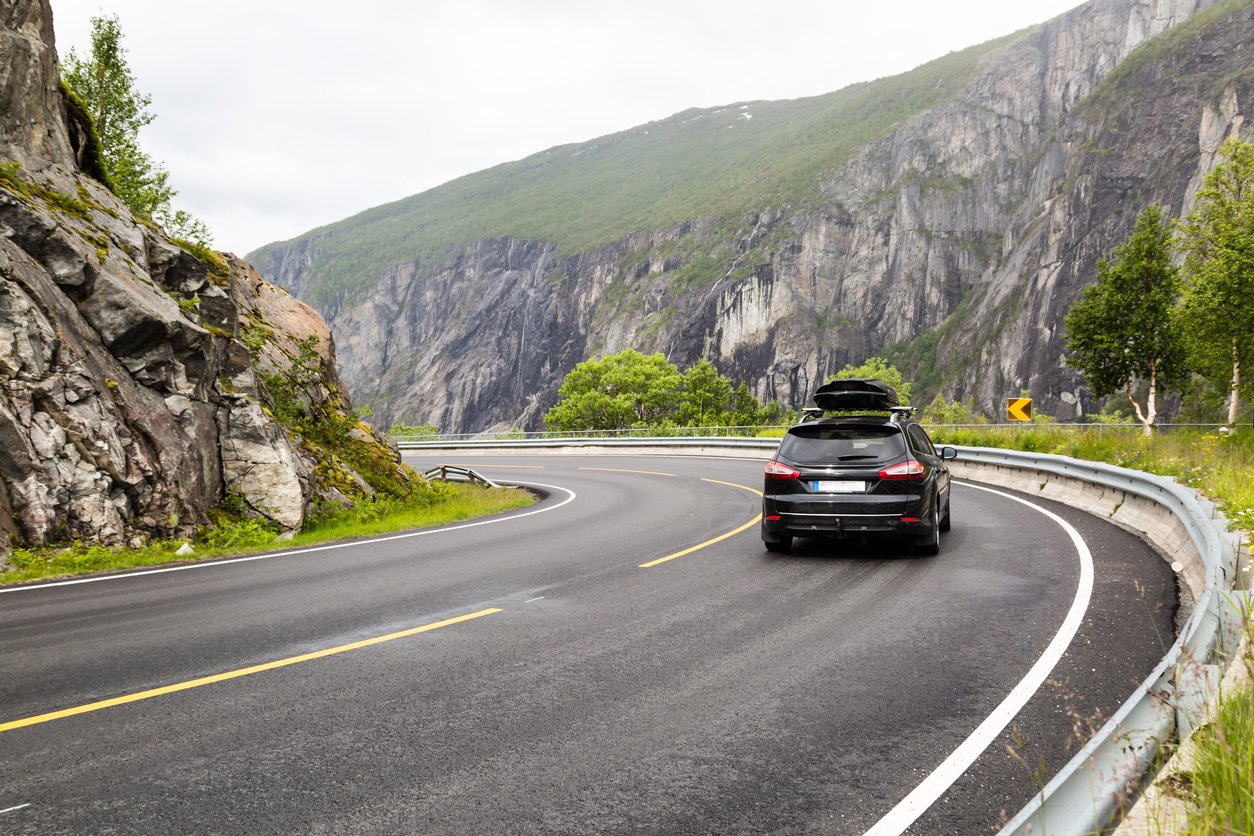
A scenic drive is most enjoyable when the road supports your holiday. And nothing beats the Scenic Routes.
Norway’s designated scenic routes are famous for their landscapes, but they have plenty of stopping places, viewpoints and, on some routes, distinctive architecture.
You could head to Hardanger, Aurlandsfjellet, Helgelandskysten or take on the Atlantic Road, depending on the region you’re visiting. The official Norwegian Scenic Routes website is the best starting point for choosing a route.
Check current road and mountain-pass information before departure. Seasonal closures, maintenance and weather can change what is practical.
Build in stops and use designated places to pull over. A route becomes much less enjoyable if you spend the day calculating whether you can still reach your accommodation.
31. Experience the Coast by Ferry or Coastal Voyage
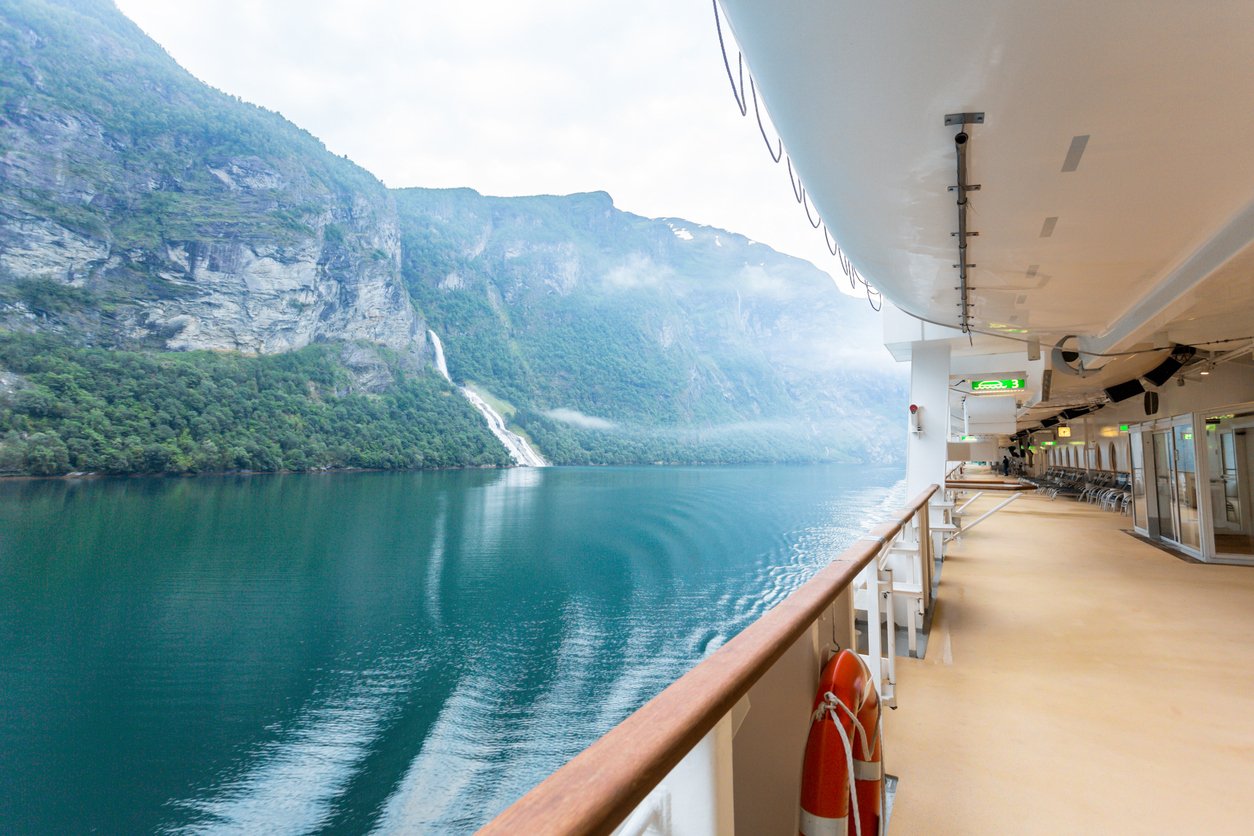
You don’t need a long cruise to enjoy Norway from the sea!
Going on a short passenger ferry, an island connection or a regional boat journey is a cool way to add a new perspective to a land-based itinerary. Longer coastal voyages are the way to go if you want the journey itself to become a central part of the trip.
Check whether you are booking transport or a sightseeing product. They may differ in commentary, seating, luggage arrangements and the time spent at each stop.
Use Entur to look up the public transport connections, then confirm details with the operator if you have one.
If travelling with a car, check whether reservations are needed and allow for waiting time. On foot, make sure you understand the distance between the arrival quay and your next connection.
Enjoy Norway in Winter
Winter travel works best when you choose a suitable base and build around activities that are operating during your dates.
32. Ski at a Norwegian Mountain Resort
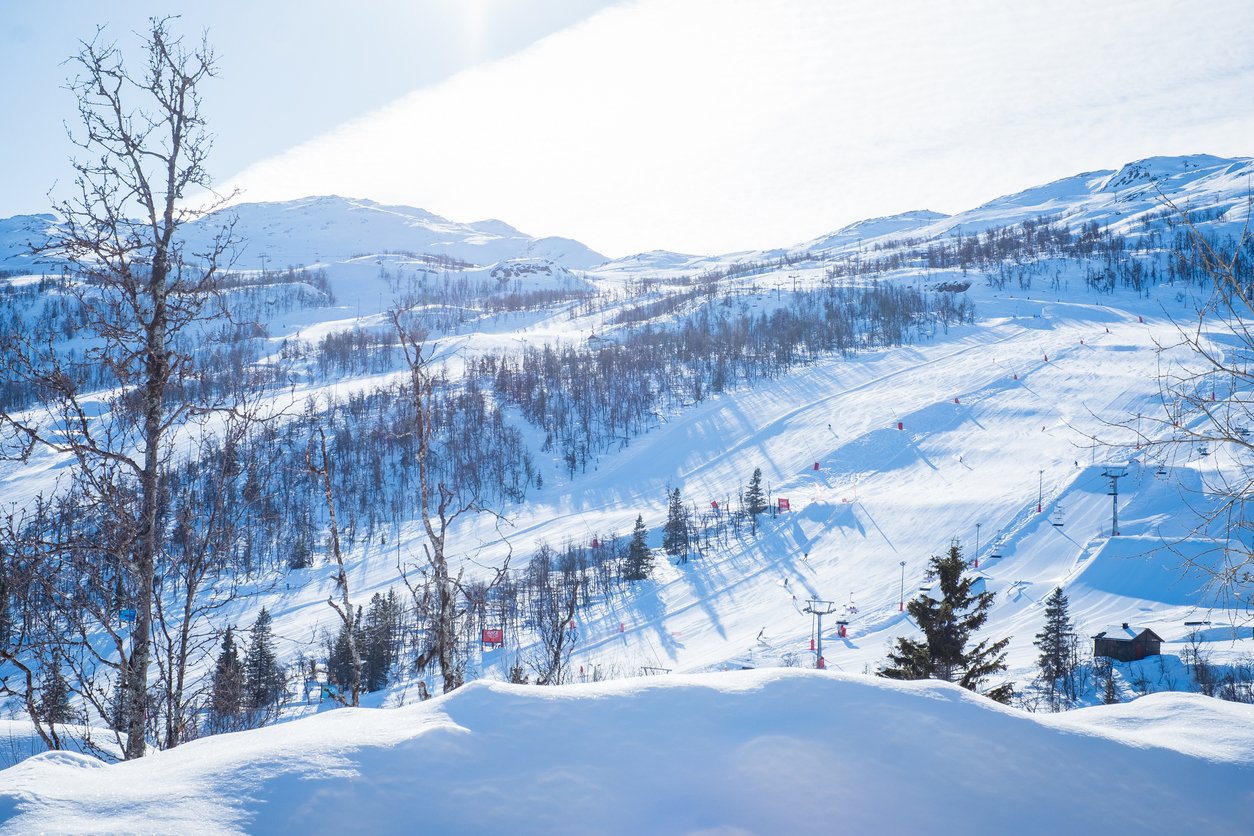
Norway’s ski resorts offer different holiday styles.
Voss combines resort skiing with a town base and access from Bergen. Geilo, Hemsedal and Trysil offer other mountain settings, while destinations such as Narvik bring a northern coastal dimension.
Choose based on terrain, lessons, transport, accommodation and what non-skiers in your group want to do.
We’ve compared all the best options in our guide to the best ski resorts in Norway.
Beginners should allow time for lessons and equipment fitting. More experienced skiers should check whether the terrain they want is realistically available during their dates.
If you’re basing yourself in Voss, investigate ski rentals before arrival and explain what kind of skiing you plan to do.
33. Try Cross-Country Skiing
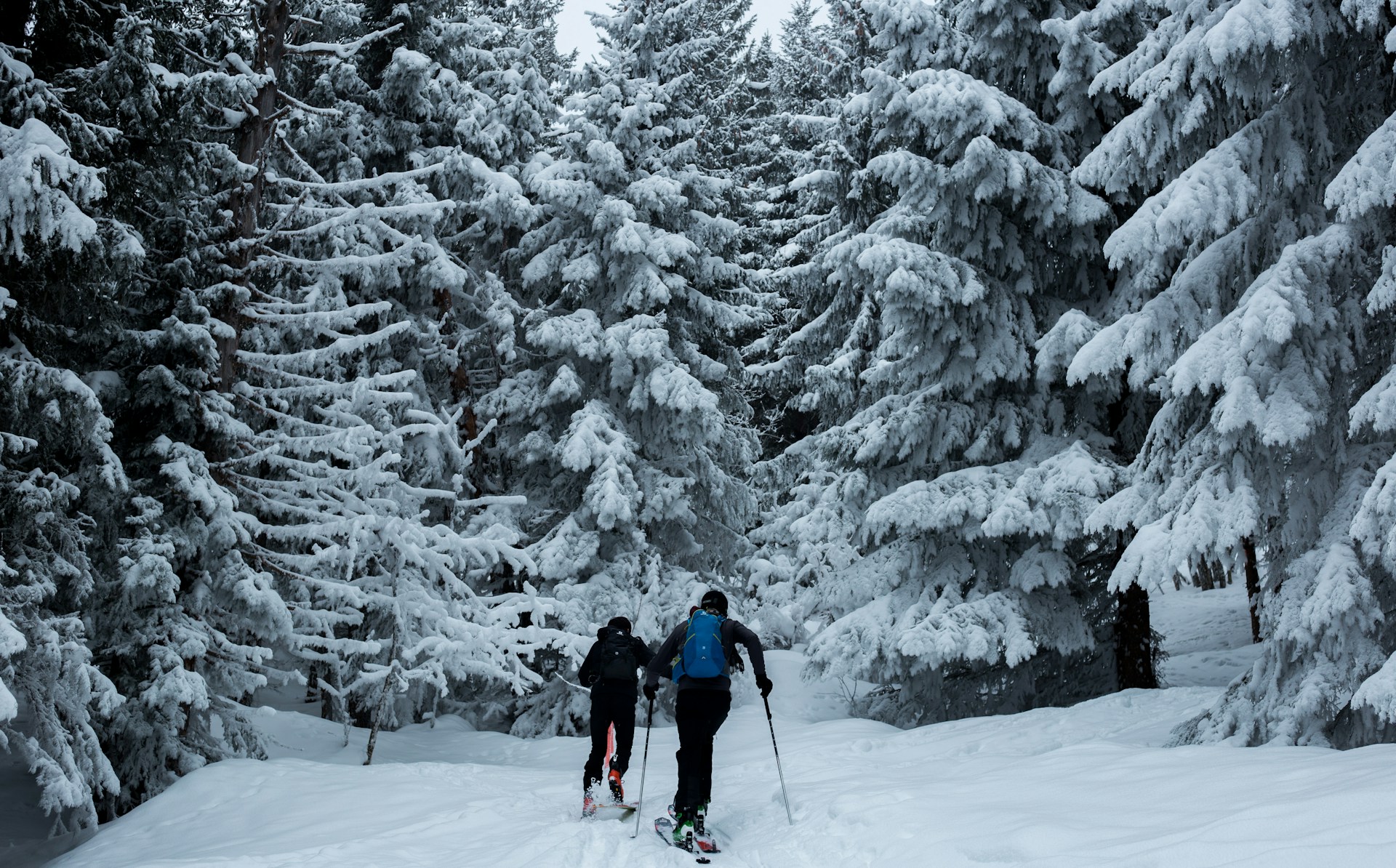
Cross-country skiing is a good way to spend time in a winter landscape at a different pace from downhill skiing.
For a first attempt, choose a suitable beginner area and consider instruction. Even on relatively gentle terrain, controlling speed and managing small descents takes practice.
Don’t assume your downhill equipment or skills transfer directly. Boots, bindings, skis and movement techniques differ.
A short introductory outing can be plenty for the first day. Build confidence before planning a long route between places.
Check which trails are prepared, what equipment is appropriate and whether facilities are available. Snow conditions can change the experience considerably, so local advice is useful even when the route looks straightforward.
34. Go Snowshoeing
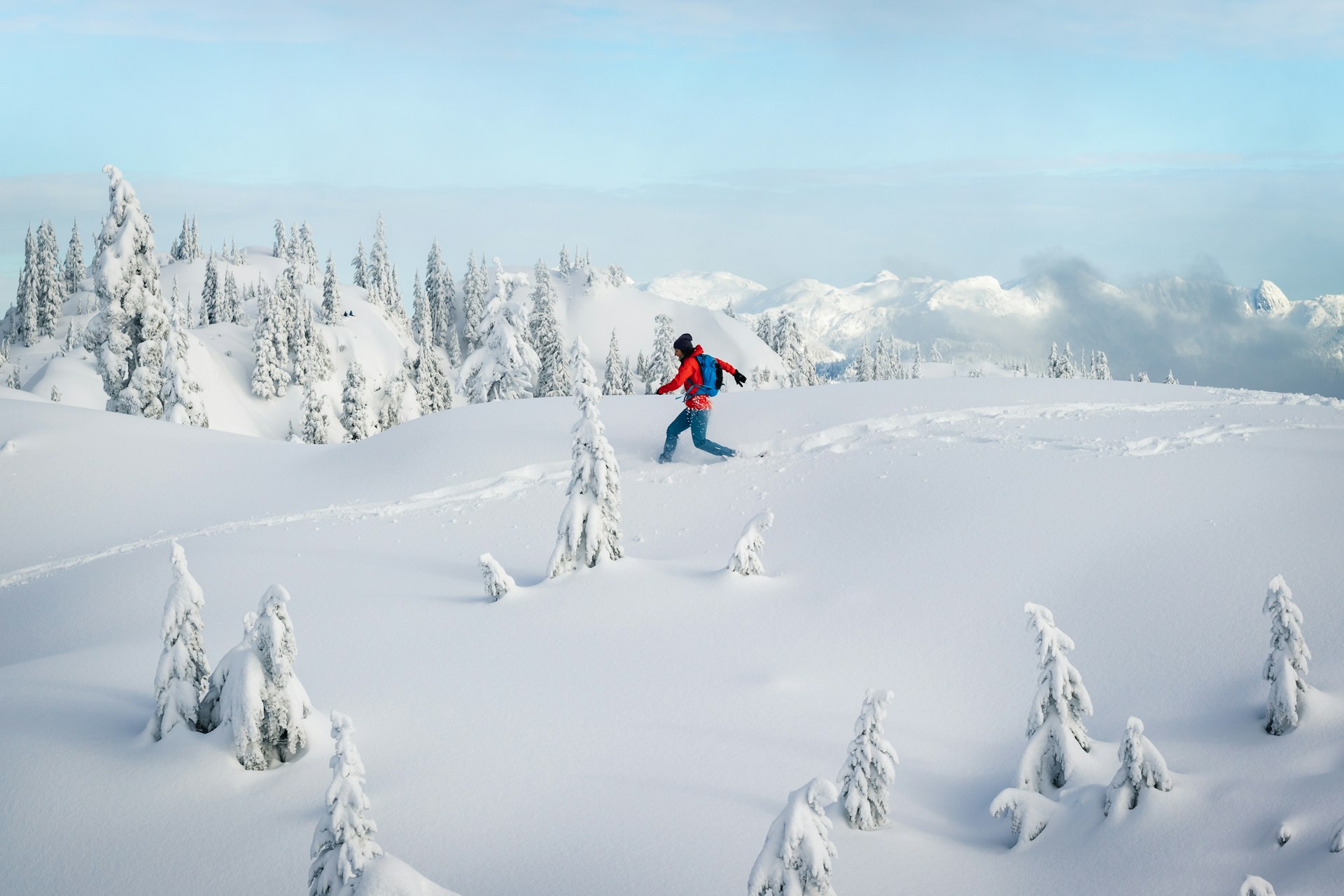
Snowshoeing opens up winter walking without requiring skiing technique.
That doesn’t make every route easy. Deep snow, hills, wind and cold can turn a relatively short distance into a substantial outing.
Choose a trip according to the terrain and the group’s fitness rather than the absence of ski skills. A guided experience can help with route selection, equipment and understanding the winter environment.
Our guided snowshoeing in Voss page explains the current experience and requirements.
Bring layers that work while moving and during stops. You may feel warm on the climb and cool quickly when you pause.
For many visitors, a well-chosen snowshoe outing offers a satisfying mountain day without needing to learn a completely new sport.
35. Try Guided Ski Touring if It Suits Your Experience
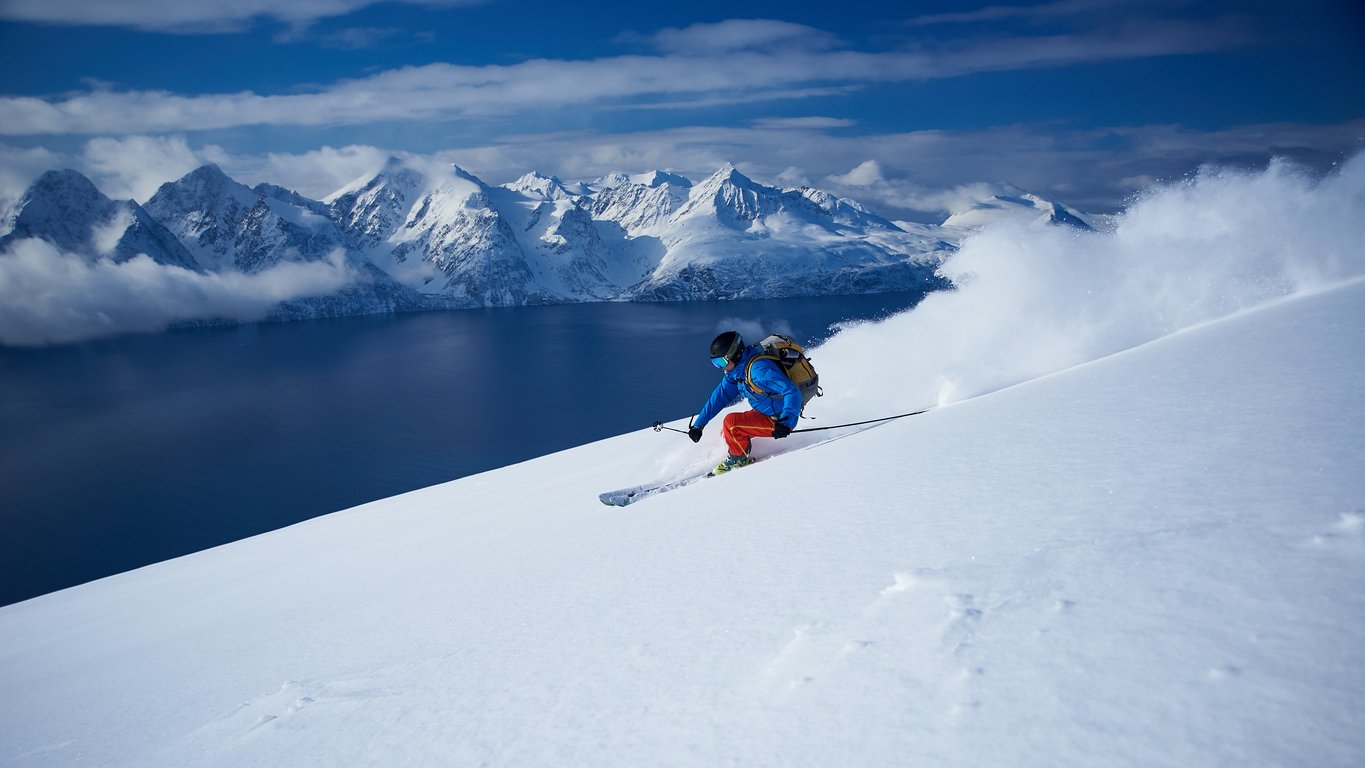
Ski touring combines uphill travel with a ski descent. It is a different activity from simply leaving a resort piste.
The route, equipment, snow conditions and group’s ability all affect what is appropriate. A trip described as introductory may be an introduction to touring for existing skiers, rather than a first-ever ski lesson.
Read the requirements for introductory guided ski touring carefully and discuss your experience before booking.
For winter mountain travel, consult Varsom’s avalanche information alongside local professional advice. A forecast is one part of planning; it does not replace the skills needed to interpret terrain and conditions.
The right objective is a good day for the group, even if that means changing the original plan.
Experience Everyday Norwegian Life, Food and Slower Travel
Some of the most enjoyable things to do in Norway need less organisation and more time.
36. Stay in a Cabin and Slow Down

A cabin stay can change the rhythm of your trip.
Instead of checking out each morning, you can return to the same place after a walk, cook dinner and watch the weather move through the landscape.
Cabins vary enormously. Some are comfortable holiday homes with road access and full facilities; others require a walk in and a much more self-sufficient approach.
Check heating, water, bedding, cleaning arrangements and access before booking. A beautiful location can also mean a long distance from shops, restaurants or public transport.
Choose somewhere that supports the activities you want to do. A remote cabin is less relaxing if every day begins with several hours of driving.
Two or three nights often give the experience more room than a single overnight stop.
37. Try a Fjordside or Floating Sauna
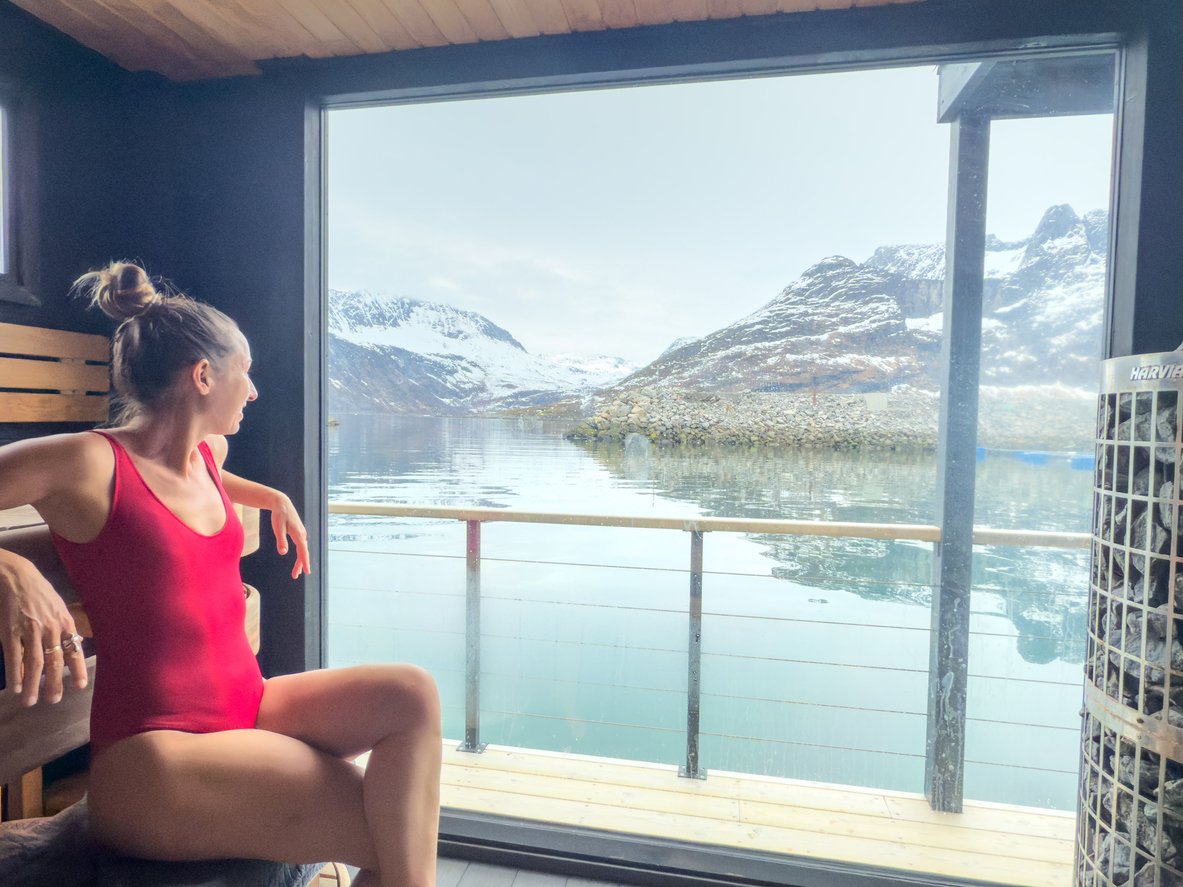
A sauna can be a welcome change of pace after sightseeing or an active day.
Fjordside and floating saunas combine the warmth inside with a close view of the water, often in settings where you can watch boats, weather or evening light.
Check whether the booking is shared or private, what to bring and whether changing facilities are available.
Some visitors enjoy adding a swim, but entering cold water is optional. You can enjoy the experience without doing everything you’ve seen in photographs.
Follow the venue’s instructions, take your time and choose what feels comfortable for you. It works particularly well as an unhurried activity rather than something squeezed between a train arrival and dinner reservation.
38. Taste Regional Norwegian Food

Food is an easy way to give each part of your journey a different character.
That might mean seafood on the coast, a bakery breakfast, brown cheese with waffles or a meal built around local produce. You don’t need to book a tasting menu every night to explore regional flavours.
Markets, farm shops, cafés and independent restaurants can all provide a useful introduction.
Ask what is local and seasonal rather than assuming every familiar Norwegian dish is equally associated with every region.
For travellers spending time in Voss, our guide to dining in Voss provides a starting point.
Mix restaurant meals with simpler options. A picnic in a good setting can be as memorable as a formal dinner.
39. Visit Hardanger’s Orchards and Local Producers
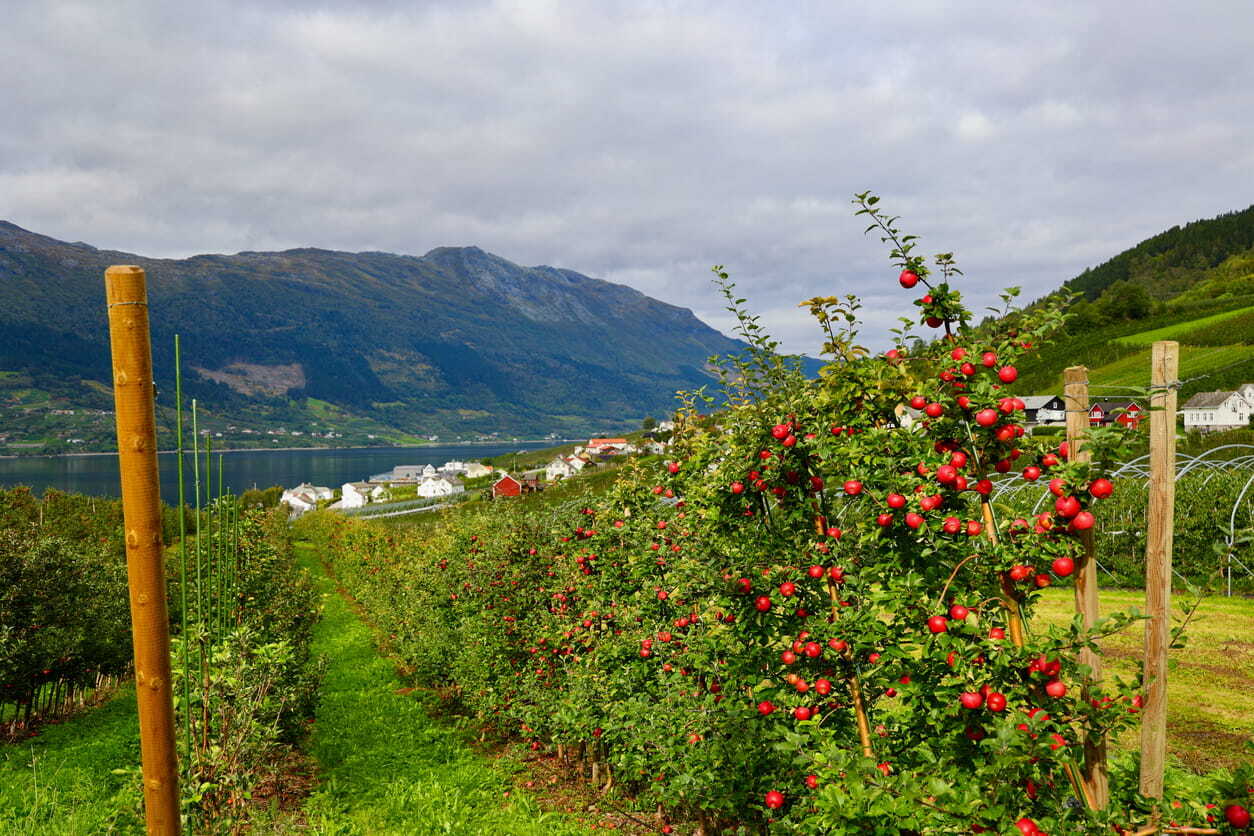
Hardanger’s agricultural landscapes add another reason to slow down beside the fjord.
Orchards, farm shops and local food experiences can fit well around a walk or a village visit. Depending on the season and producer, you might find blossom, growing fruit, harvest activity or bookable tastings.
Don’t assume that a photograph of blossom represents the conditions throughout spring. Timing varies, and a farm’s visiting arrangements may be limited.
Book producer visits where required and check transport before arranging any alcoholic tasting. A designated driver or organised transfer removes an obvious complication.
This is a good way to add variety to an active holiday: a morning outdoors followed by time learning about what is grown and made in the landscape around you.
40. Spend Time on the Southern Coast
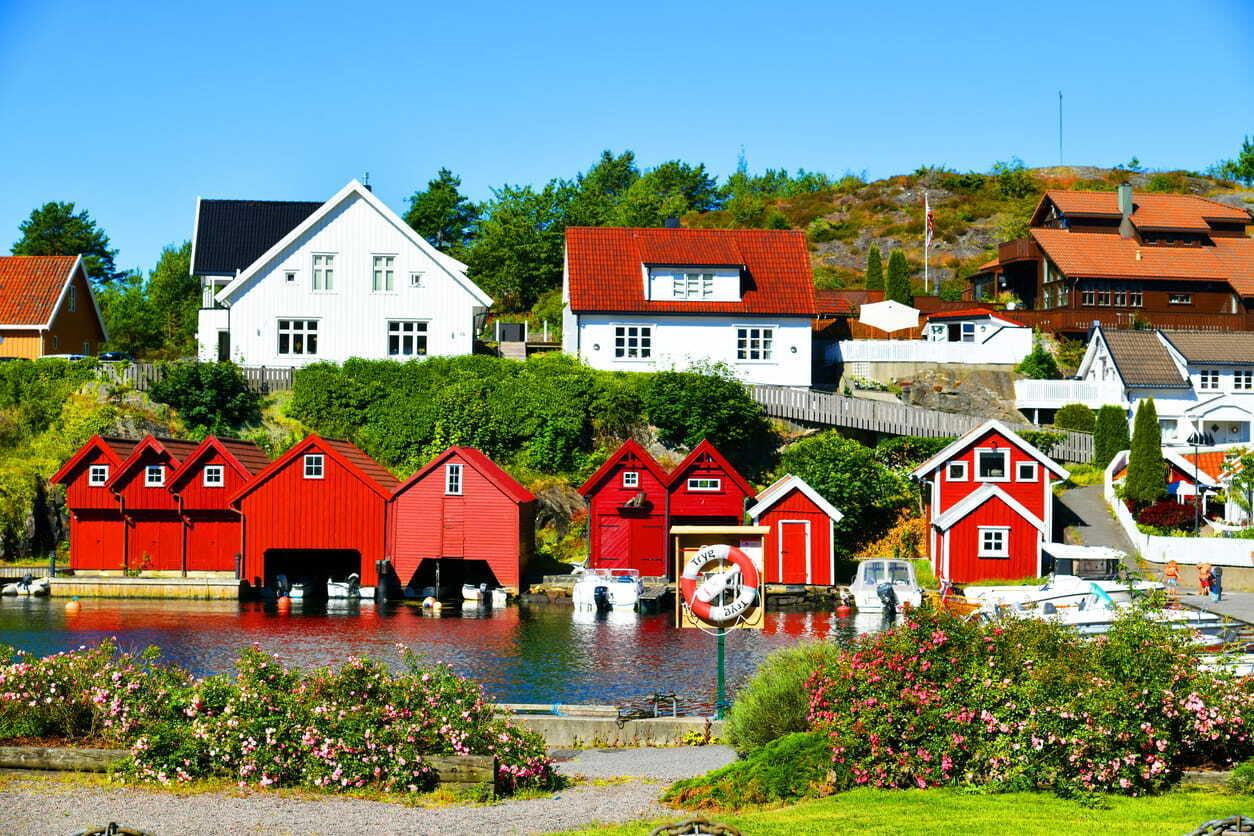
Southern Norway provides a different mood from the high mountains and Arctic landscapes.
Harbour towns, wooden houses, beaches and island excursions suit travellers who enjoy walking, swimming opportunities and relaxed days near the water.
Kristiansand, Lillesand, Grimstad and nearby coastal areas are examples to investigate when planning a southern route.
Choose a base and explore locally rather than trying to visit every town. Much of the appeal lies in having time for a harbour walk, lunch and an unscheduled stop.
Season matters here too. Summer brings more visitor services and activities, while quieter months offer a different experience and require closer attention to opening times.
The southern coast can be the main holiday, rather than an extra destination added to an already crowded fjord itinerary.
Which Things to Do in Norway Fit Your Trip?
A useful shortlist reflects your interests and constraints, not just the popularity of each attraction.
|
Your priority |
Experiences to consider |
Planning advice |
|
First visit |
A city, a fjord experience, a scenic journey and an outdoor activity |
Start with one region |
|
Active holiday |
Hiking, rafting, kayaking and biking |
Alternate demanding days with easier ones |
|
Winter holiday |
Resort skiing, snowshoeing, cross-country skiing or Arctic experiences |
Choose dates around the activities you most want |
|
Family travel |
Suitable guided activities, short walks, rail journeys and interactive attractions |
Check age and participation requirements individually |
|
Lower-cost travel |
City walks, public waterfronts, parks and suitable local trails |
Keep transport distances manageable |
|
Culture and history |
Museums, stave churches, city walks and heritage experiences |
Check current exhibitions and seasonal opening |
|
Rainy-day options |
Galleries, museums, food experiences and indoor cultural attractions |
Keep one flexible alternative in each base |
|
Slower travel |
Cabin stays, coastal towns and longer stays beside a fjord |
Reduce hotel changes |
For guided activities, compare the published difficulty levels with your whole group’s experience.
If your main concern is budget, our guide to how expensive Norway is to visit explains the main costs and where you can make practical savings.
Free access to a landscape doesn’t necessarily mean a free day! Always consider transport, parking, equipment and accommodation.
Where Should You Base Yourself?

Choosing a base is one of the most useful decisions you can make early.
Bergen, Voss and the Western Fjords
This combination suits travellers who want a city stay alongside outdoor activities and fjord scenery.
Bergen provides museums, historic streets and transport connections. Voss offers a base for activities, with surrounding valleys and fjord destinations providing different day-trip possibilities.
Our guide to planning a visit to Voss explains how to organise a stay.
Oslo and Eastern Norway
Oslo is a good starting point for museums, architecture and onward rail travel. Depending on the season, you can combine the capital with a mountain destination for skiing, walking or a cabin stay.
Allow enough time for the city before moving on. Arriving late and departing early rarely gives you much beyond a hotel night.
Stavanger and Lysefjord
Choose this area if you want city time alongside hiking and fjord experiences in southwestern Norway.
Plan around the specific excursions you want to do, particularly where trailhead transfers and weather flexibility are important.
Northern Norway
Alta, Tromsø and other northern destinations suit Arctic-focused holidays, while Lofoten and coastal regions offer different combinations of scenery and activities.
Northern Norway is a large region. Choose a particular area rather than assuming all its highlights fit within easy day-trip distance.
Trondheim and Central Norway
This is a useful choice for travellers interested in history, food and a longer regional or coastal journey.
It may also be a better fit than adding another distant destination to a short Western Norway itinerary.
How to Fit Norway’s Experiences into Your Itinerary
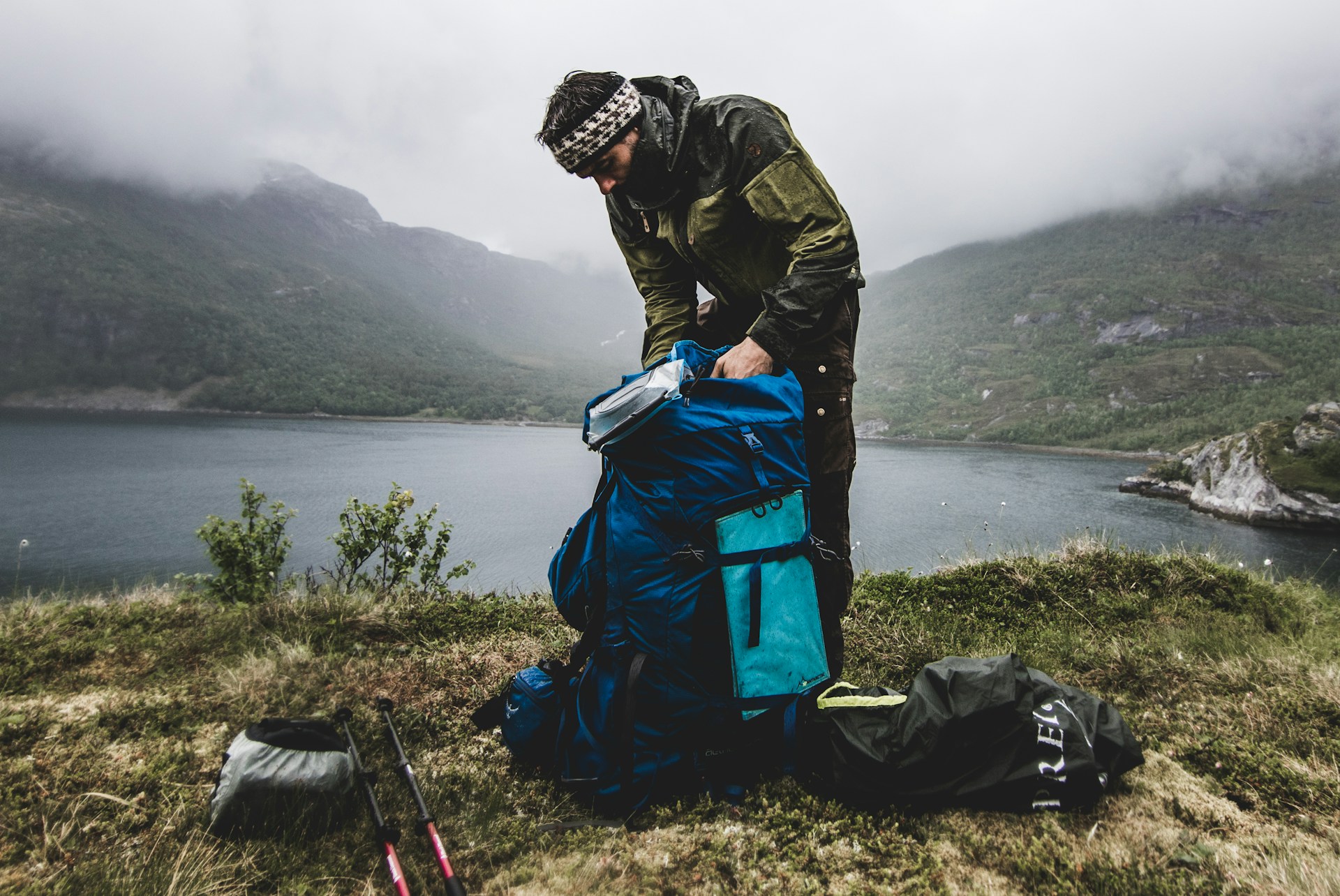
Once you’ve chosen your priorities, group them geographically. Our Norway travel guide covers the wider planning process.
A Short Bergen and Voss Break
With three or four days, keep the plan focused.
You could spend time exploring Bergen, travel to Voss for an outdoor activity, and include a fjord experience if transport and operating dates work.
Check how to get from Bergen to Voss before choosing departure times.
Avoid packing a long hike, a fjord excursion and rafting into a stay that also involves international travel. One well-chosen activity can leave you wanting more; three rushed ones can leave you exhausted.
One Week in Western Norway
A week gives you more room to combine city time with a stay in Voss or another suitable regional base.
A balanced outline might include:
- One or two days in Bergen.
- A rafting or biking day.
- A fjord kayaking or boat excursion.
- A suitable hike.
- A flexible day for weather, local exploration or a slower food experience.
- Travel time that isn’t treated as an afterthought.
Choose the best time to visit Norway according to those priorities.
If you prefer a coordinated programme, explore our 5-Day Fjord Norway Adventure and compare its itinerary with what you want from the trip.
An Arctic Winter Holiday
For an Arctic holiday, several nights in one base can work better than repeatedly changing locations.
Build daytime activities into the plan: a suitable husky experience, a cultural visit, snowshoeing or a wildlife excursion when seasonally available. Leave evenings open for the Northern Lights opportunities that fit your itinerary.
Our 6-day Northern Lights holiday in Alta is one option to investigate.
The principle is simple: choose a holiday you would enjoy even if the sky stays cloudy.
Frequently Asked Questions About Things to Do in Norway
What Should I Do on My First Trip to Norway?
Choose one main region and combine a few different experiences. For a Western Norway holiday, that might mean Bergen, a fjord outing, a scenic journey and an outdoor activity.
If the Northern Lights are your priority, build an Arctic trip around suitable dates instead. Your first visit doesn’t need to represent the whole country.
What Can I Do in Norway Besides Hiking?
Plenty. You can explore cities and museums, travel by scenic railway, visit heritage sites, take a fjord boat trip, enjoy local food, stay in a cabin or spend time in coastal towns.
For outdoor activities without a mountain hike, consider suitable guided kayaking, rafting, cycling or winter experiences. Check the requirements rather than assuming they are all low-effort alternatives.
What Are the Best Things to Do in Norway in Summer?
Summer is a useful time to investigate fjord experiences, hiking, cycling, rafting, coastal travel and scenic drives.
Conditions still vary with location and elevation. A warm day in a village doesn’t guarantee a snow-free mountain route.
Northern destinations also offer long daylight hours and, during the appropriate dates, the midnight sun.
What Are the Best Things to Do in Norway in Winter?
Popular choices include resort skiing, cross-country skiing, snowshoeing, dog sledding and Northern Lights experiences in suitable northern destinations.
Cities and cultural attractions can also be part of a winter holiday.
Choose your base carefully: winter conditions in coastal Bergen are different from those at a ski resort or in inland Finnmark.
What Can I Do in Norway Without a Car?
City stays, major rail journeys and some combinations of Bergen, Voss and fjord excursions can work well without a car.
The important step is checking the complete journey, including the final distance to an activity meeting point or accommodation.
Public transport can connect towns while leaving a rural trailhead difficult to reach. Confirm transfers with your operator before booking.
What Are Some Free or Inexpensive Things to Do in Norway?
City walks, public parks, waterfronts, beaches and suitable local trails can keep activity spending down.
Staying longer in one base can also reduce transport costs. Self-catering for some meals helps, especially during a cabin stay.
Keep preparation proportionate to the activity. An independently planned mountain outing may still require equipment, transport and experience.
Which Activities Should I Book in Advance?
Book the experiences that determine your dates first. These may include fixed-departure tours, limited-capacity activities, popular rail departures and accommodation in places with few alternatives.
If your trip revolves around one particular excursion, confirm availability before finalising the rest of the itinerary.
Leave some flexible time around weather-dependent activities where possible.
Can I See the Fjords and Northern Lights on the Same Trip?
Yes, but the itinerary needs to account for geography, daylight and the season.
You might combine Western Norway with a journey north, rather than expecting reliable aurora opportunities during a fjord stay near Bergen.
Our Bergen-to-Tromsø Northern Lights trip is an example of a holiday combining southern and northern experiences. Check its dates and full itinerary to see whether it matches your plans.
Plan Your Norway Adventure Around What You Love
The best things to do in Norway are the ones you have time to enjoy.
Start with a few priorities: a fjord paddle, a mountain day, a historic city, an Arctic experience or a week of varied outdoor activities. Then choose the season, base and transport that bring them together comfortably.
You don’t need to include every famous viewpoint, and you don’t need every day to be demanding. Leave room for a village stop, a slow morning and a change of plan when the weather asks for one.
If you’d like help connecting the experiences into a trip, explore our tailor-made Norway adventures. Tell us what interests you, how active you want to be and when you’re considering travelling, and we can help you work out what fits.