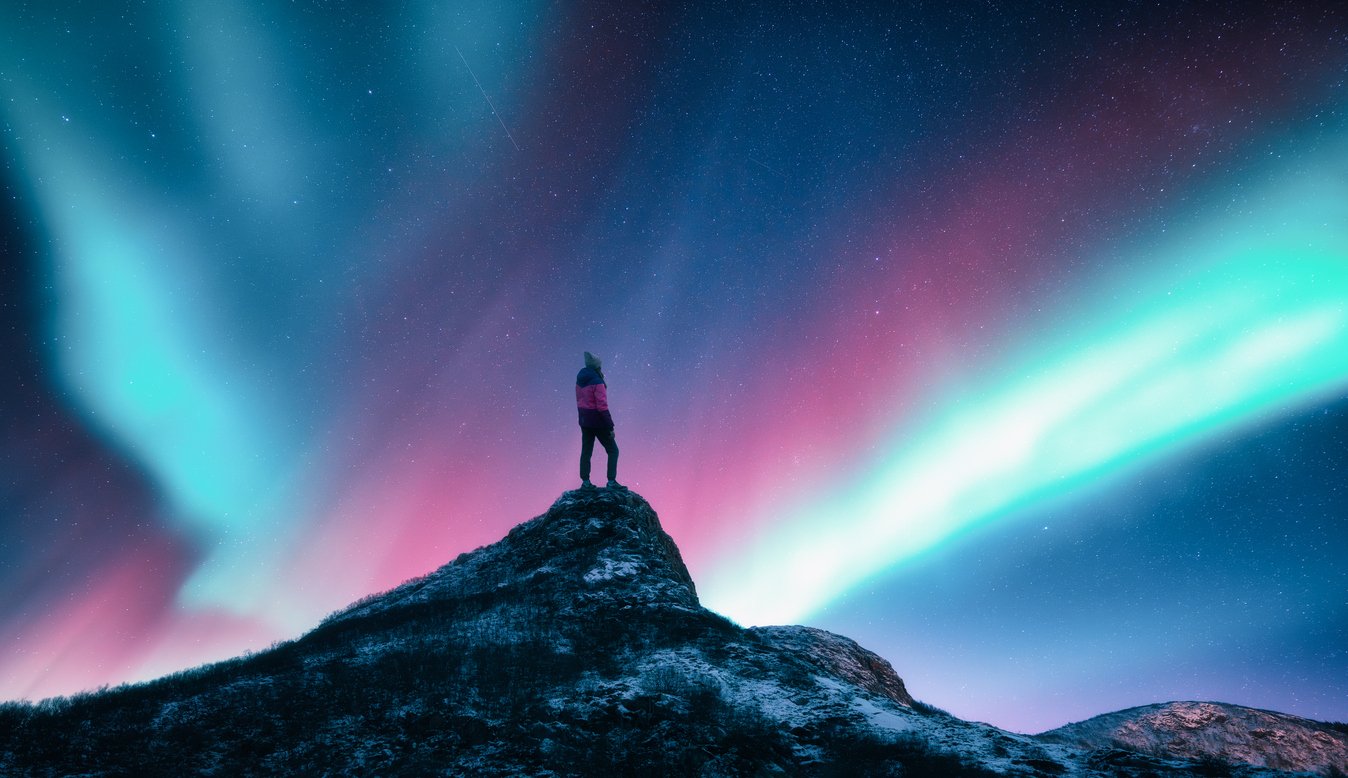
Alta, Norway is where an Arctic holiday can take several different directions.
Head inland and you’ll find pine forests, the Alta River and the open landscapes of Finnmarksvidda. Turn towards the coast and there’s Altafjord, with mountains rising beyond the water. In winter, the days might involve huskies, snowshoes or snowmobiles, followed by an evening watching the sky. Summer brings hiking, ancient rock carvings and daylight that barely seems to end.
The Northern Lights are a good reason to come. They’re also only part of the story.
Alta is a working northern town, with shops, cafés, an airport and everyday life continuing around the visitors arriving for Arctic adventures. Its appeal comes from combining those conveniences with access to the surrounding landscape.
This guide covers the best things to do in Alta, Norway, alongside the practical questions: when to visit, how to get here, where to stay and how to plan a trip that works in your chosen season.
Alta, Norway, at a Glance
|
Planning question |
What to know |
|
Where is Alta? |
In Finnmark, Northern Norway, at approximately 70° north |
|
What is it known for? |
Northern Lights, prehistoric rock art, Arctic outdoor activities and the Alta River |
|
Nearest airport |
Alta Airport, airport code ALF |
|
Best time for a winter activity holiday |
Generally the established snow season; confirm conditions and individual tour dates |
|
Best time for hiking and outdoor rock art |
Summer and early autumn, subject to local access and conditions |
|
Northern Lights season |
Broadly September to early April, when the nights are sufficiently dark |
|
Suggested stay |
Three days for an introduction; five or six days for a fuller activity holiday |
|
Do you need a car? |
Not necessarily, if accommodation and activity transfers are arranged |
|
Main planning consideration |
Many experiences are outside the town centre |
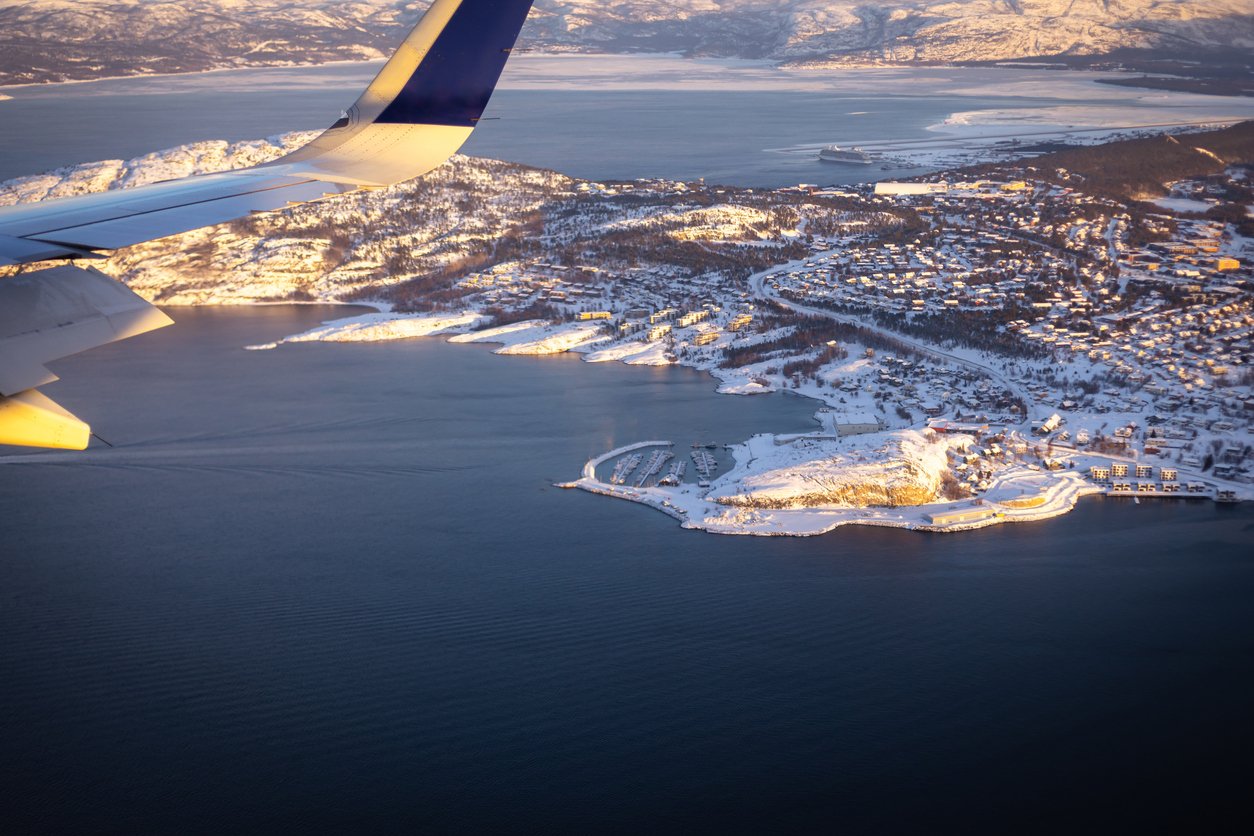
Alta sits at the head of Altafjord, with an airport close to town and access to both coastal and inland landscapes. That geography makes it a useful base, but it also means checking the actual location of each activity before building your itinerary.
Where Is Alta, Norway?
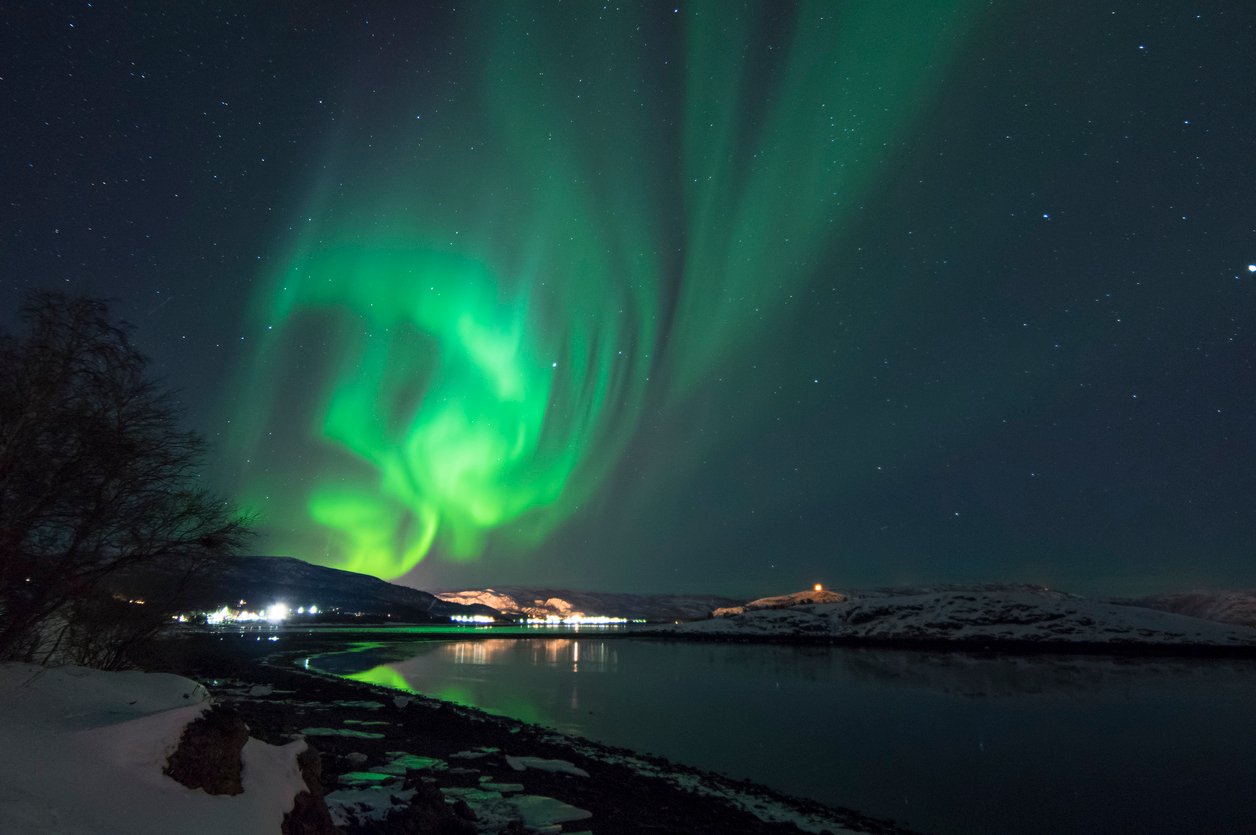
Alta is in Finnmark, in the far north of mainland Norway, well above the Arctic Circle.
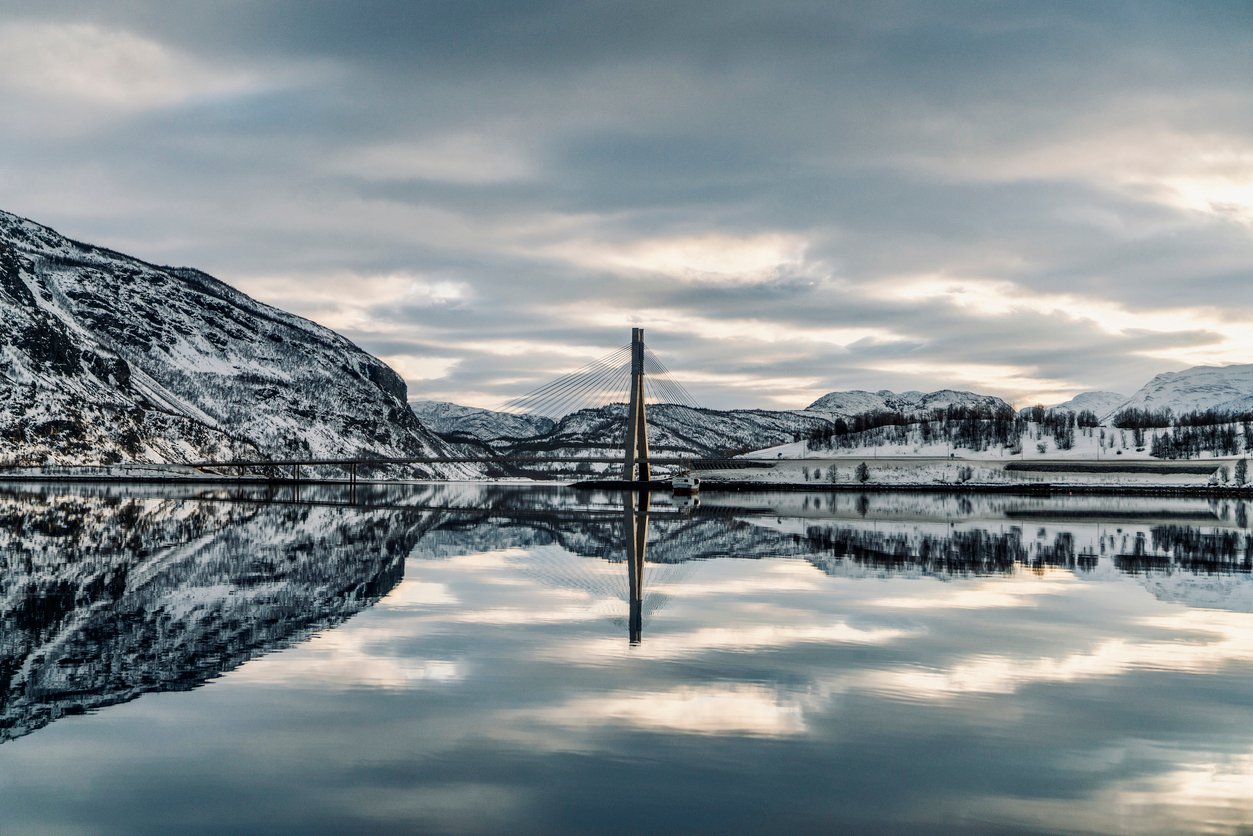
It sits at the inner end of Altafjord. Inland, the landscape follows the Alta River through the valley towards the Finnmarksvidda plateau. Around the fjord, mountains and coastal scenery give the area a different character.
This meeting of fjord, forest, river and plateau explains the variety of experiences available around Alta. You can spend one day near the water and another travelling through a snow-covered inland landscape.
One distinction matters when planning: Alta the town and Alta the municipality cover very different amounts of ground.
A hotel in central Alta, a lodge in Gargia Valley and an experience elsewhere in the municipality may all be described as being “in Alta.” They won’t necessarily be close together.
Before booking, check the following 4 things:
- Where your accommodation is located.
- Where each tour starts.
- Whether transport is included.
- Where you’ll eat on evenings without an organised activity.
A little attention to the map makes the holiday much easier to organise.
Is Alta, Norway Worth Visiting?
Alta is worth visiting if you’re up for an outdoor-focused Arctic holiday with a mix of activities, culture and time outside town.
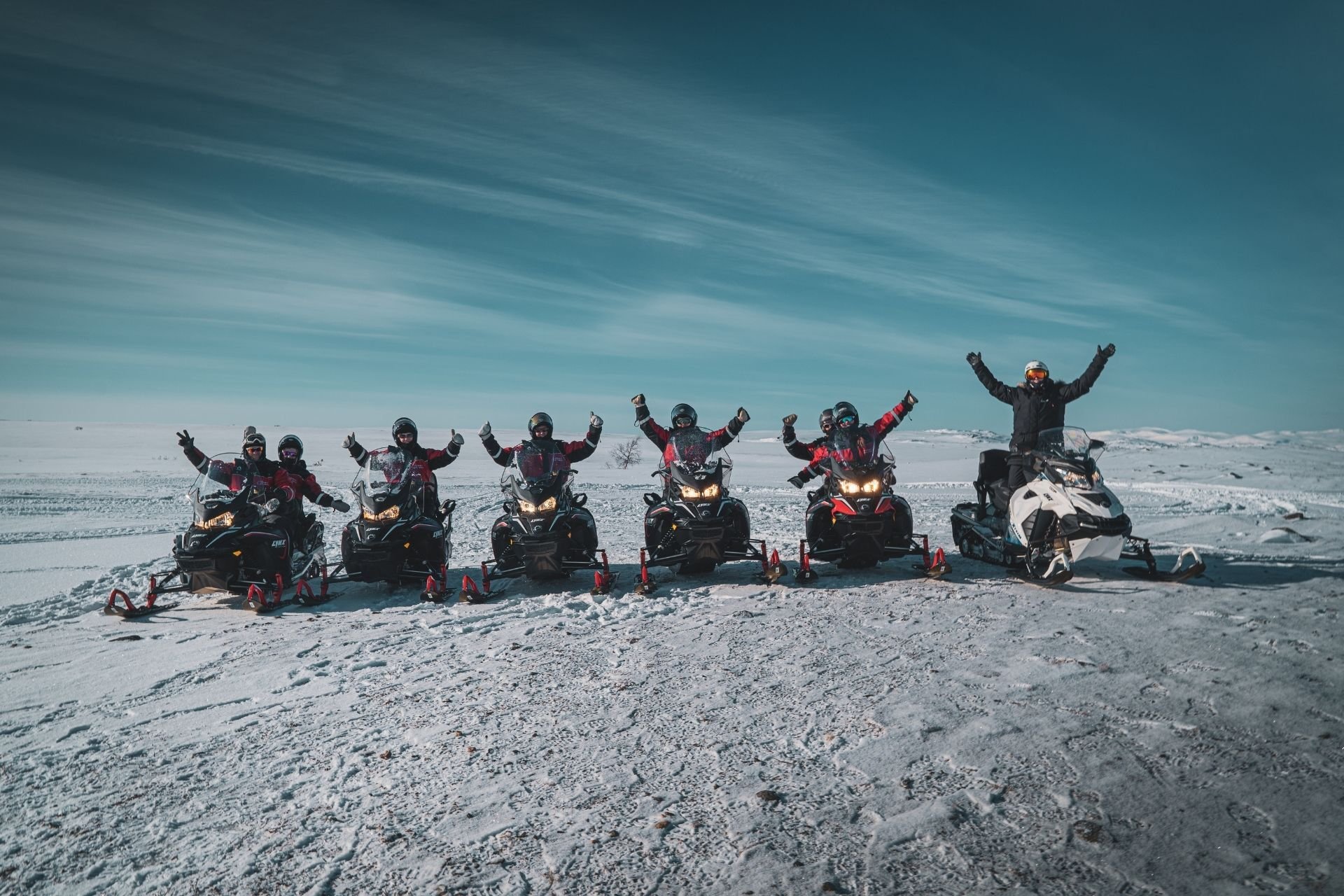
It particularly suits travellers who would enjoy dog sledding, a guided winter outing, an evening looking for the Northern Lights or a summer walk with views across the surrounding landscape.
There’s cultural depth here, too. Alta’s prehistoric rock art, Sámi and Kven heritage, and history of Northern Lights research give you more to explore than a collection of winter activities.
Who will enjoy Alta most?
Alta is a good fit for couples, families and small groups who want to build their trip around a few memorable experiences.
You might choose a central hotel and take organised excursions, or spend part of your stay at a lodge outside town. Both approaches can work; the right choice depends on how much independence you want between activities.
What should you know before booking?
Come expecting a modern northern town rather than a compact historic sightseeing district.
The surrounding landscape is a major part of the attraction, and many of the experiences you’re travelling for require a transfer. A day with no transport or activities arranged can feel very different from a day spent exploring the valley or plateau.
Our advice is to choose your main experiences first, then select accommodation that makes those plans straightforward.
Best Things to Do in Alta, Norway
The best activities depend heavily on the season. Northern Lights outings need darkness; sledding needs suitable snow; hiking routes depend on ground conditions and access.
Use this overview to start narrowing down your options.
|
Experience |
When to consider it |
Main planning point |
|
Northern Lights outing |
Autumn through early spring |
Darkness, cloud cover and auroral activity all matter |
|
Dog sledding |
Suitable winter snow conditions |
Check whether you drive or ride as a passenger |
|
Snowmobiling |
Established snow season |
Confirm driving requirements and route conditions |
|
Alta Museum |
Year-round indoor visit |
Outdoor rock-art access is seasonal |
|
Northern Lights Cathedral |
Across the year |
Check visitor opening hours |
|
Sorrisniva Igloo Hotel |
Its winter opening period |
The ice hotel and warm lodge are different experiences |
|
Alta Canyon and river outings |
Primarily the snow-free season |
Routes and access vary |
|
Sámi cultural experience |
According to the programme |
Choose a Sámi-led experience |
|
Snowshoeing or cross-country skiing |
Suitable winter conditions |
These are different activities with different skills |
|
Whale watching |
Seasonal departures |
Wildlife sightings cannot be guaranteed |
|
Hiking and biking |
Snow-free conditions |
Match the route to your ability |
|
Local food and a relaxed evening |
Year-round |
Check location, opening hours and reservations |
1. Look for the Northern Lights
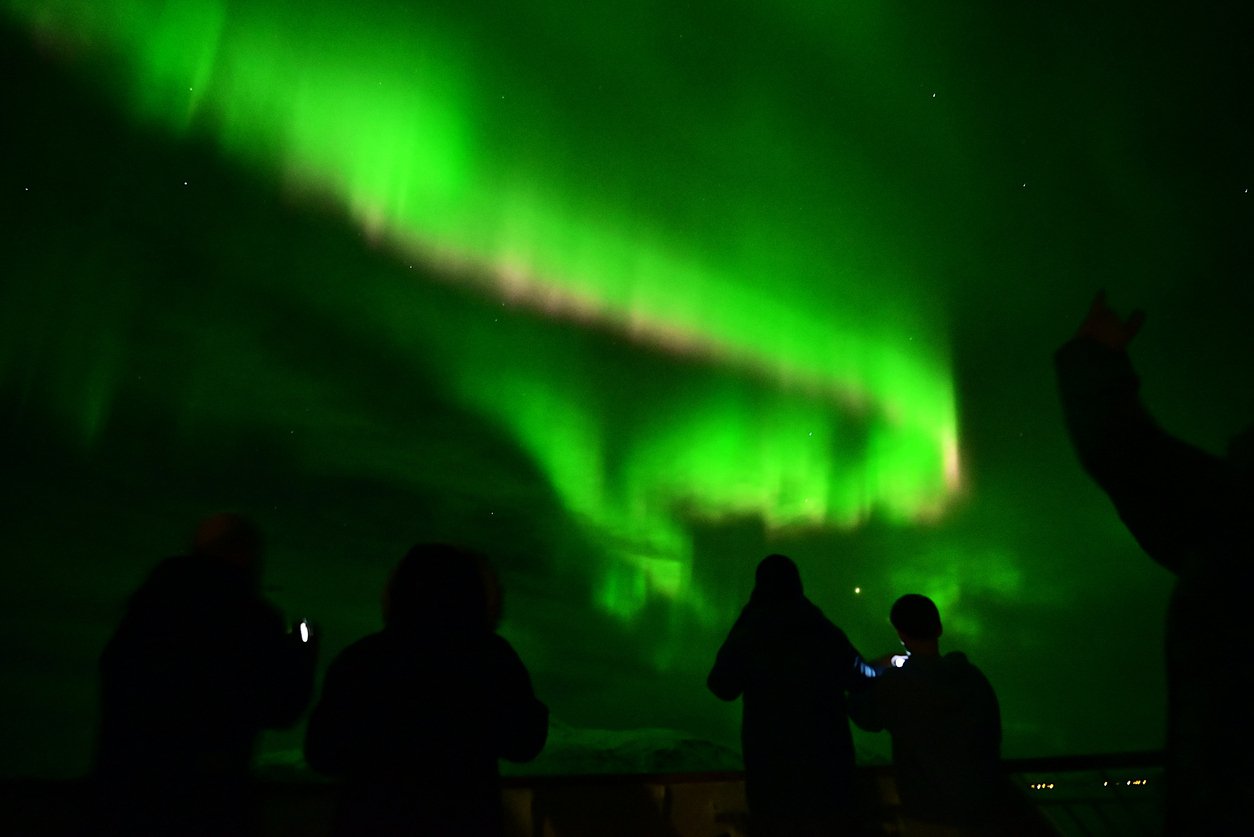
For many visitors, this is what first puts Alta on the map.
On a clear, dark night, the aurora can appear above the fjord, valley or inland landscape. But the conditions have to come together: enough darkness, a clear view of the sky and sufficient auroral activity.
A good holiday plan gives you several evenings to look rather than relying on one particular night.
It also helps to understand what you’re booking. A dedicated aurora outing focuses on finding suitable viewing conditions. An evening with huskies, snowshoes or snowmobiles combines an activity with opportunities to watch the sky.
If seeing the lights is your main priority, consider a guided Northern Lights tour in Alta. For the wider planning picture, our guide to seeing the Northern Lights in Alta explains the destination in more detail.
Whichever experience you choose, the sky remains outside anyone’s control.
2. Go Dog Sledding Through the Winter Landscape
Dog sledding brings you close to the landscape in a way that feels very different from travelling by road.
There’s the excitement around the kennel before departure, followed by the concentration of following the trail and working with the team. It’s an activity with its own rhythm, and it deserves more than being treated as a quick photo opportunity.
Before booking, check whether you’ll be driving the sled, sharing driving duties or travelling as a passenger. Those options can involve different physical demands.
Our dog sledding experience in Alta takes place in Gargia Valley. Its operating period depends on suitable snow, so confirm your dates before making sledding the centrepiece of an early-winter holiday.
If you’d rather meet the dogs without sledding, there’s also an evening with huskies and Northern Lights. This combines a kennel visit, dinner and opportunities to watch the sky; it does not include dog sledding.
3. Explore Finnmarksvidda by Snowmobile
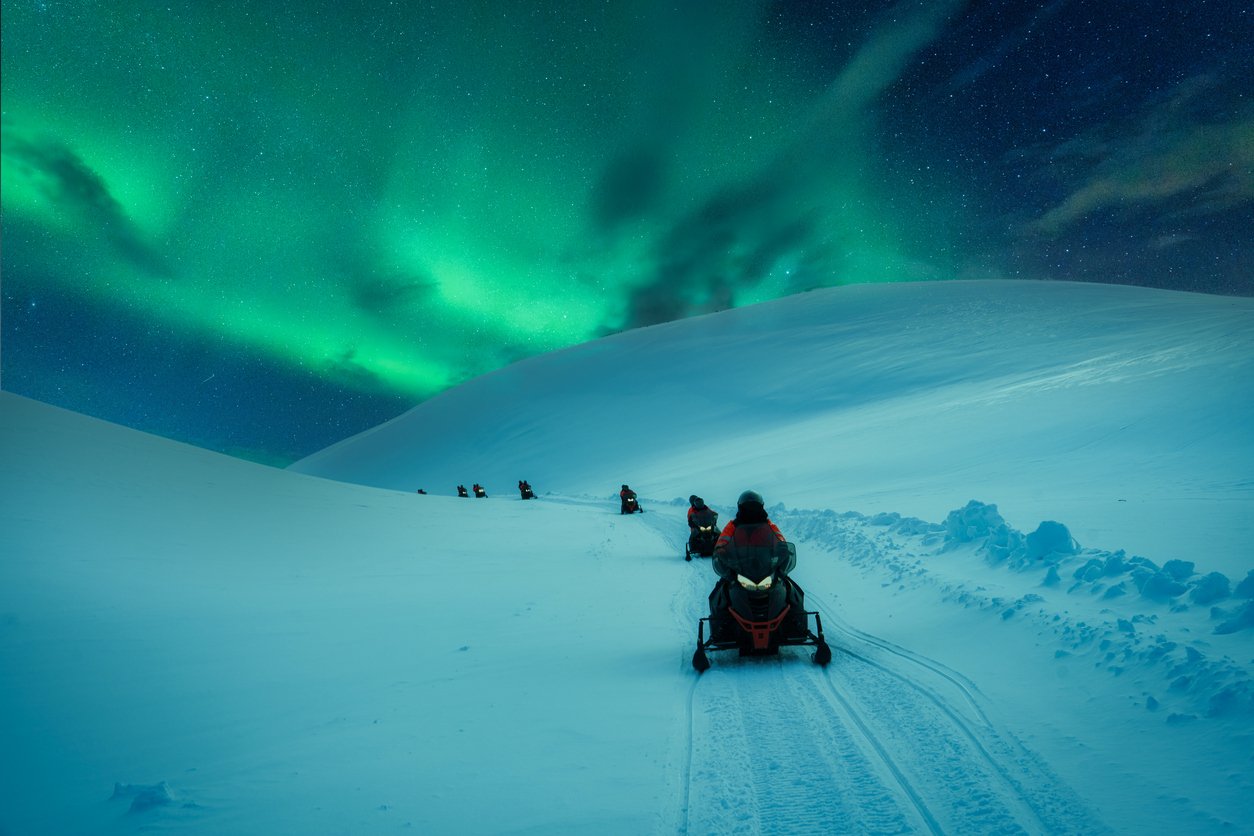
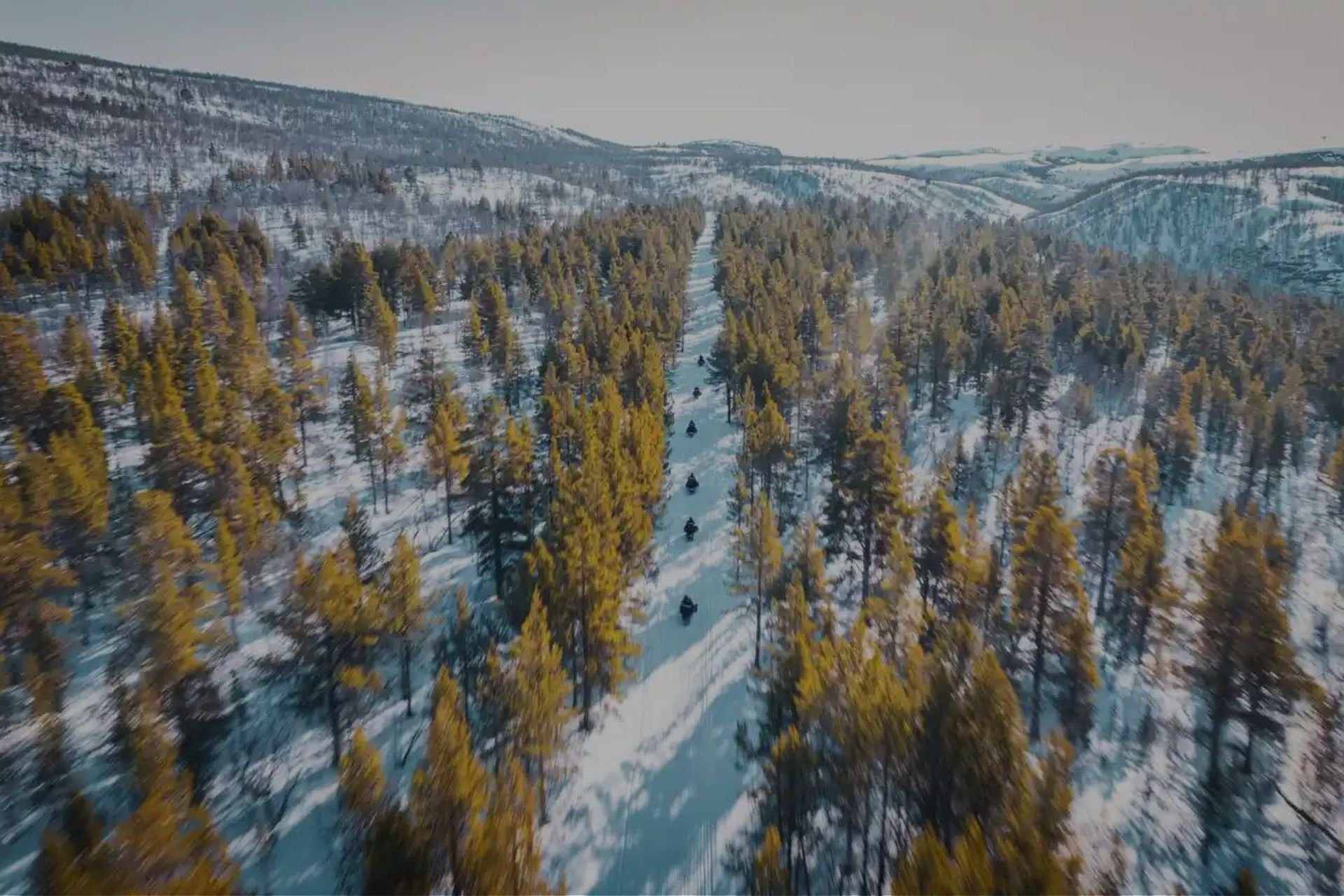
Take a snowmobile outing beyond the town into the winter landscapes around Gargia Valley and Finnmarksvidda.
Daytime departures are great because they let you see more of the terrain as you travel. An evening outing has a different atmosphere, with darkness becoming part of the experience and possible aurora viewing when conditions allow.
Our guided snowmobile tour from Alta is an option for daytime exploration. If you prefer an evening departure, explore snowmobiling beneath the Arctic night sky.
Check the driving licence requirements, minimum ages and passenger arrangements before booking. Ask what protective clothing is supplied and what you should wear underneath it.
You don’t need to choose every winter activity. Pick the ones that interest you most and leave enough time to enjoy them without rushing between departures.
4. Visit Alta Museum and the UNESCO Rock Art
Alta’s history reaches much further back than its modern town centre suggests.
The Rock Art of Alta is a UNESCO World Heritage Site, with prehistoric paintings and engravings offering insights into life in the far north thousands of years ago. It’s one of the strongest reasons to include a cultural visit in your itinerary.
At Alta Museum, distinguish between the indoor exhibitions and the outdoor rock-art areas.
In the snow-free season, walking outside adds the surrounding landscape to the experience. In winter, snow and closures can prevent access to the carvings, while the indoor museum offers a different visit.
Check the museum’s current access notices and opening hours before travelling. Don’t assume photographs of exposed carvings represent what you’ll see on a midwinter visit.
5. See the Northern Lights Cathedral
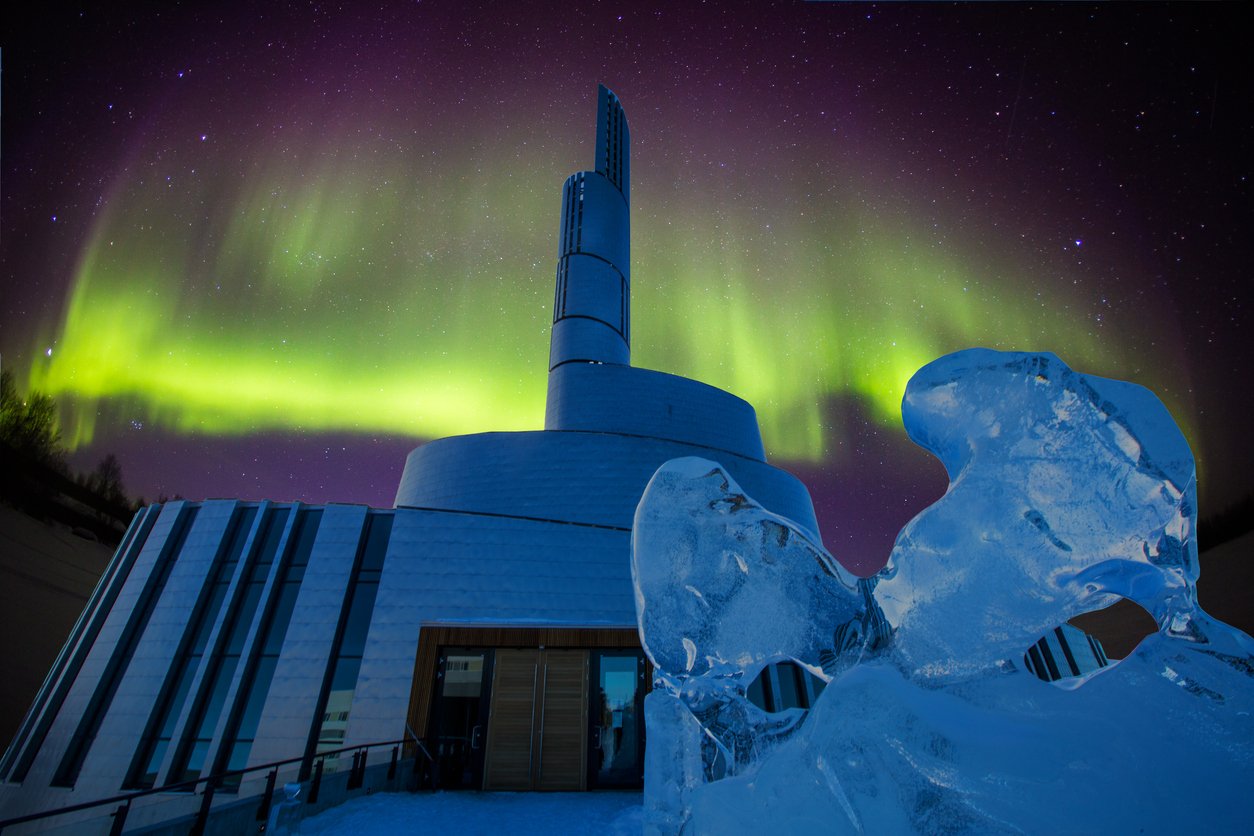
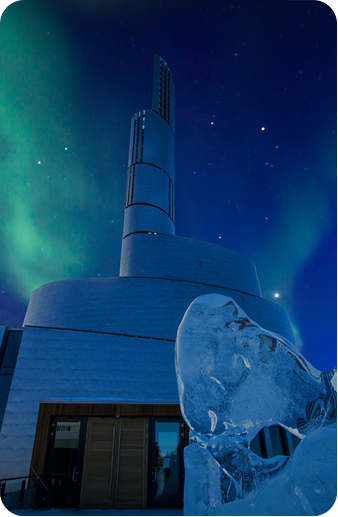
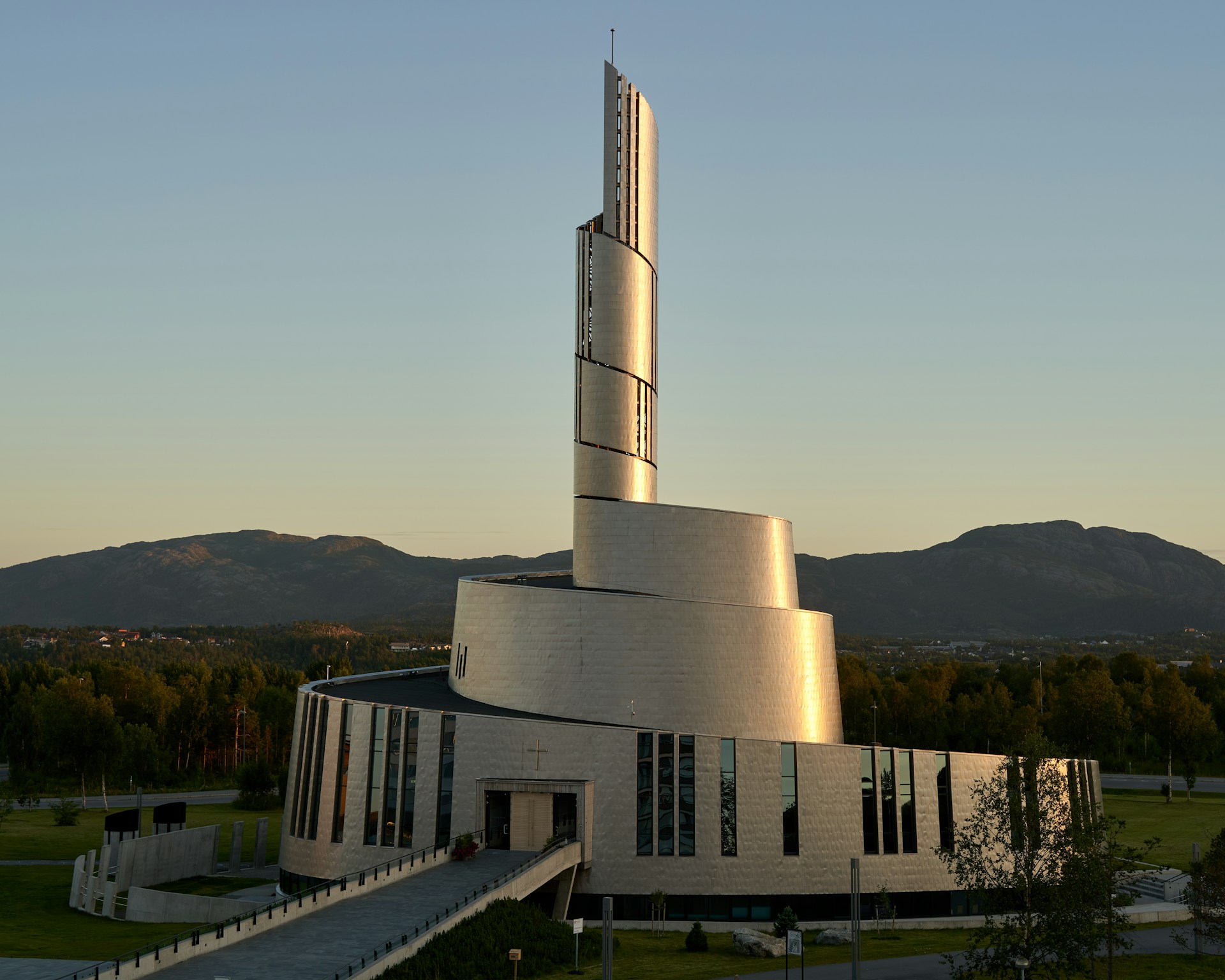
The Northern Lights Cathedral is one of Alta’s most recognisable buildings.
Its spiralling exterior gives you an obvious landmark in the town centre, and it makes a useful stop on an arrival day or between longer activities.
If you’d like to go inside, check the cathedral’s visitor opening hours before setting out. It’s a functioning church, so sightseeing access needs to fit around its other uses.
Pair the visit with lunch or a café stop in central Alta rather than building a whole day around it.
6. Visit Sorrisniva’s Igloo Hotel, or Stay in a Warm Lodge
An ice hotel is one of the more unusual additions to an Alta itinerary.
At Sorrisniva, the seasonal Igloo Hotel and the year-round Arctic Wilderness Lodge offer different kinds of stay. The distinction matters: booking a warm room at the resort doesn’t mean you’re sleeping inside the ice hotel.
You can decide whether the ice experience belongs in your holiday as a visit or an overnight stay, subject to the available options and opening dates.
Before reserving, check exactly which accommodation you’re choosing, what’s included and how you’ll get there. If you’re only visiting, plan the return journey as carefully as the outward one.
7. Explore Alta Canyon and the Alta River
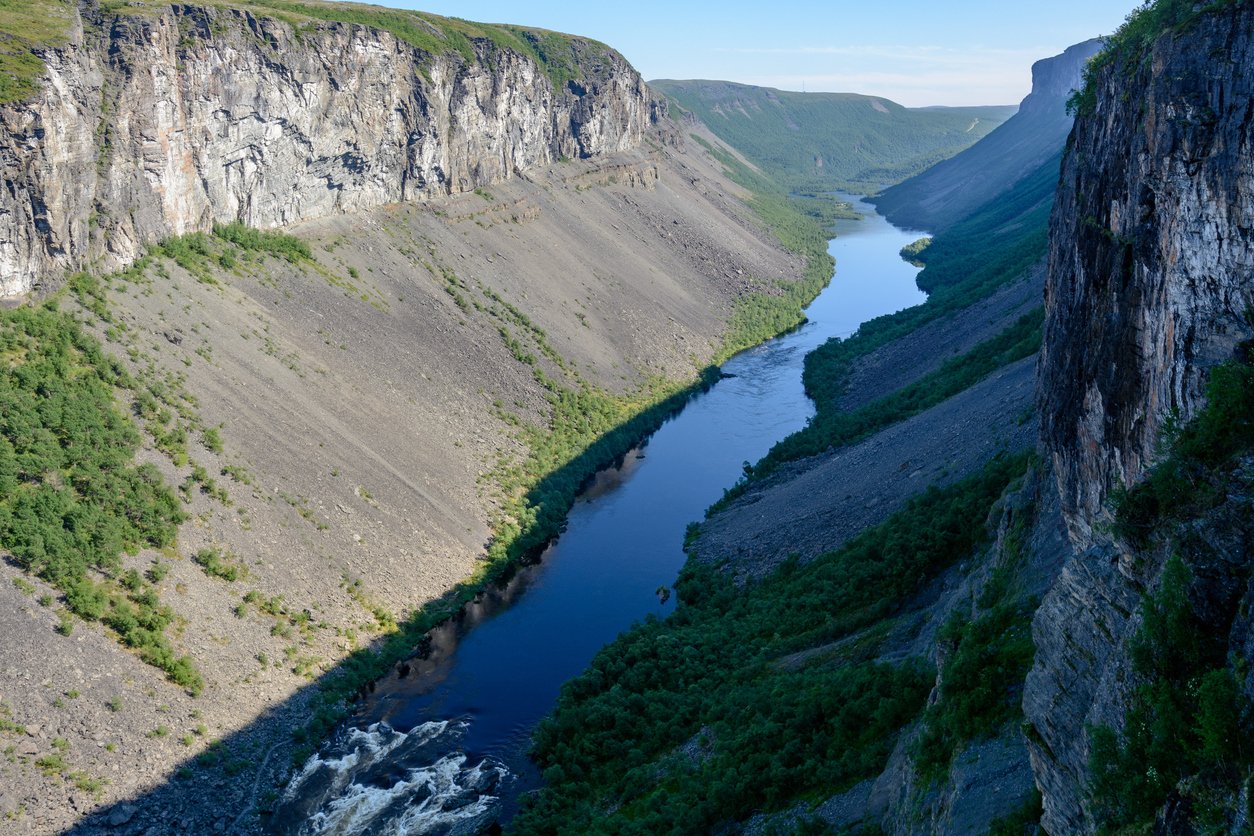
The Alta River links much of the surrounding landscape, and Alta Canyon—also known as Sautso—is a major outdoor attraction.
How you experience it depends on your dates and the specific route or excursion. Summer can bring hiking and riverboat opportunities, with boat access affected by water levels.
Start with Visit Alta’s canyon information and decide what kind of outing you want.
A viewpoint hike, river excursion and guided visit elsewhere in the area won’t show you the same places. Check the departure point, walking distance and actual destination rather than booking on the strength of a canyon photograph alone.
For independent walks, seek current local route advice. A summer trail description shouldn’t be treated as a winter itinerary.
8. Learn About Sámi Culture
A visit to Alta is an opportunity to learn about the people and cultures of the region alongside its landscapes.
For a cultural experience, choose one led by Sámi hosts who can share their own knowledge and perspectives. Depending on the programme, this might involve storytelling, food, reindeer or traditional handicrafts.
Sami Siida is a local starting point for Sámi-led experiences. Read the individual programme to understand what’s included and how the visit is organised.
Alta’s wider story also includes Kven and Norwegian heritage. Learning a little about these overlapping histories adds context to the places you visit and the food, language and traditions you encounter.
9. Try Snowshoeing or Cross-Country Skiing
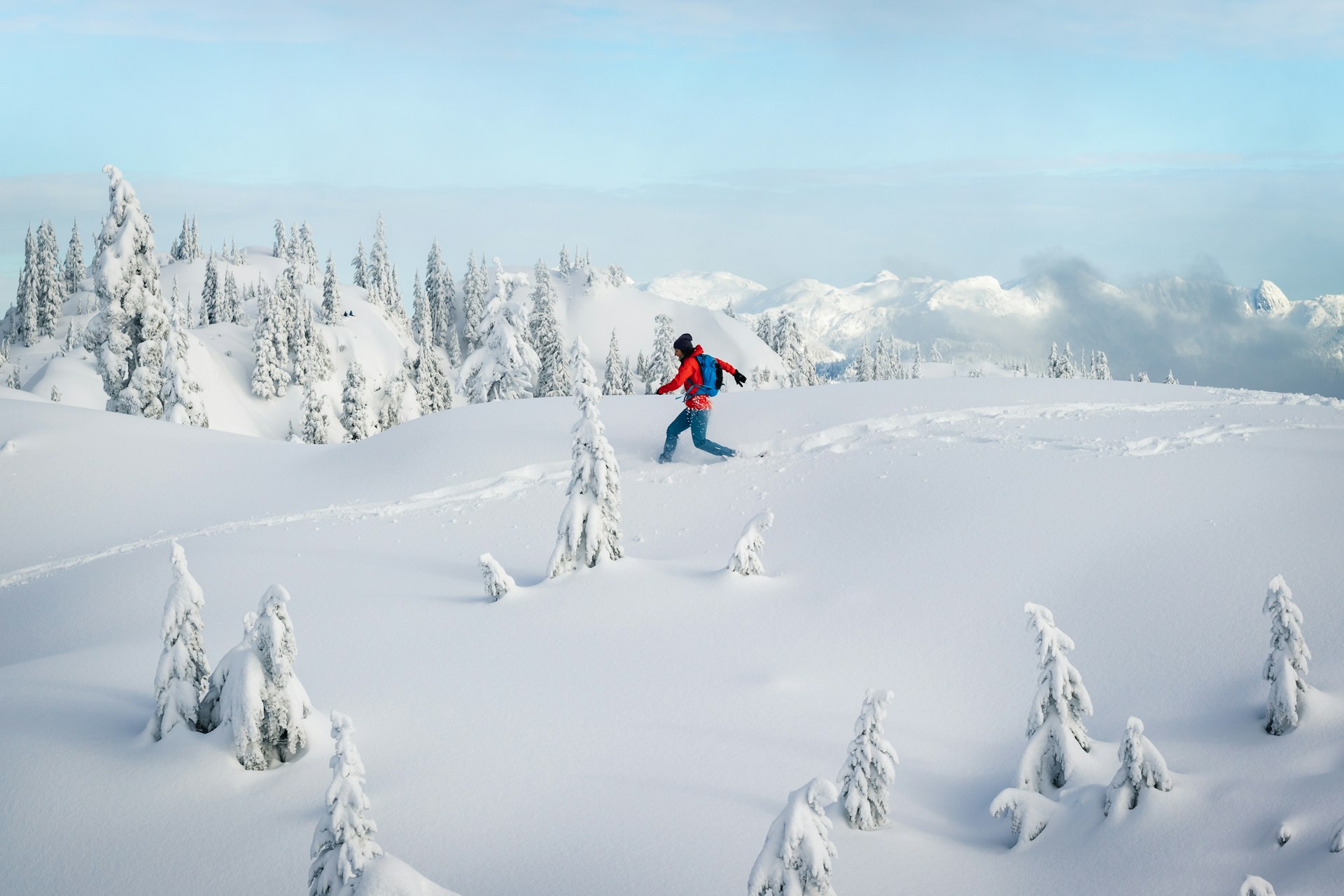
You don’t have to travel quickly to enjoy Alta’s winter landscape.
Snowshoeing offers a way to explore on foot when there’s suitable snow, with the route and pace determining how demanding the outing becomes. Cross-country skiing involves different equipment and technique, so beginners should choose an introduction suited to their experience.
Our guided snowshoeing in Alta explores the Gargia Valley area. For an evening walk, the Northern Lights snowshoe tour combines time outdoors with opportunities to look up when conditions allow.
Choose daytime if seeing the landscape is your priority. Choose evening if you’d enjoy walking in the dark regardless of whether the aurora appears.
10. Walk, Hike or Bike in the Snow-Free Season
Summer opens another side of Alta.
You can choose a shorter local walk, spend time beside the river or plan a more substantial hill outing. Komsa is a well-known option close to town, while Haldde combines hiking with the history of aurora research.
The historic observatory at Haldde dates to 1899. Reaching it is a proper outing rather than a quick stop between attractions; consult the local route information for Haldde and assess the weather and your fitness before committing.
For other routes, Visit Alta’s hiking information is a useful starting point.
Long daylight gives you flexibility, but it doesn’t remove the need for suitable clothing, navigation or a realistic plan.
11. Join a Seasonal Whale-Watching Trip
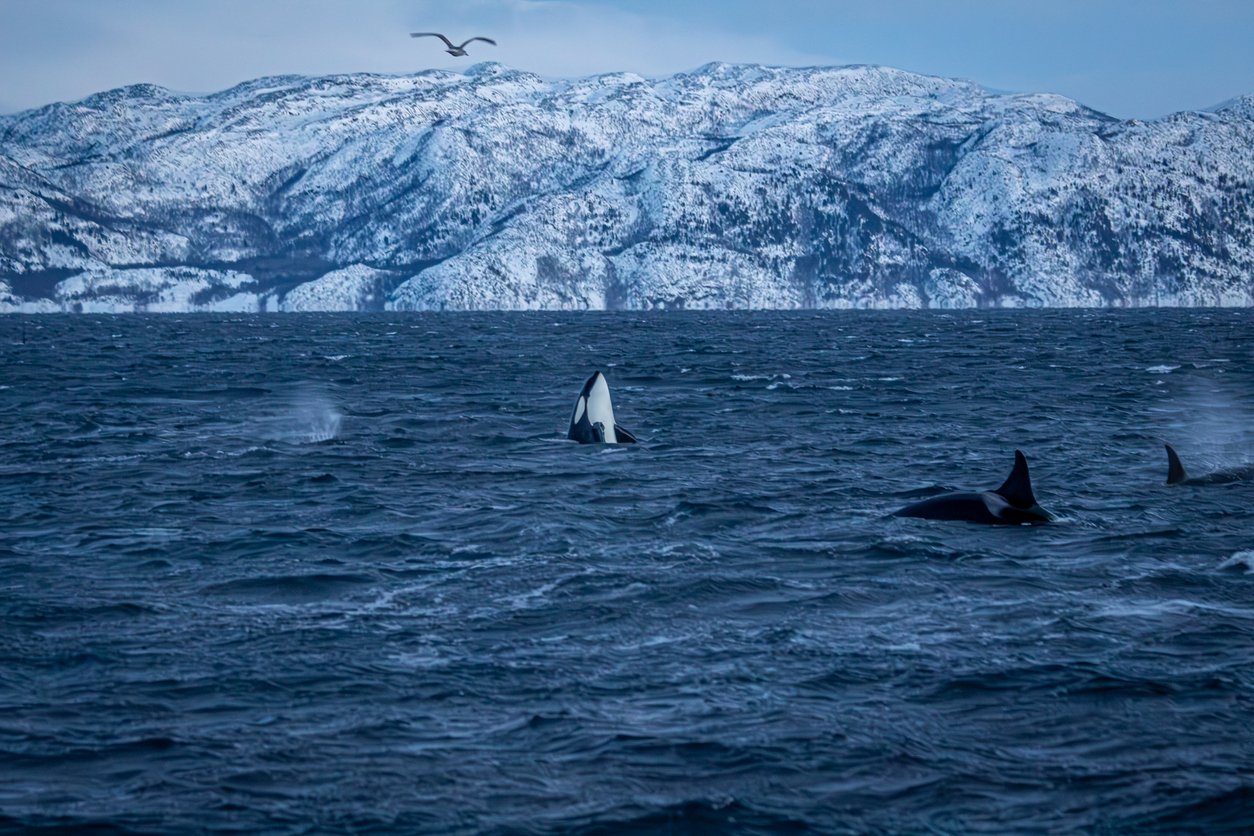
Alta can also be a base for exploring Arctic fjords by boat.
Our whale-watching trip from Alta offers opportunities to look for humpback whales and orcas, with departures currently advertised from October to early February. Wildlife movements and sea conditions affect the experience, and sightings aren’t guaranteed.
If whales are a major reason for your visit, speak to us about your dates before booking flights. A general “winter season” description isn’t enough to establish that a particular wildlife trip will run during your stay.
Also check the vessel type, time on the water, clothing arrangements and transfer details. Those practical points can make a big difference to your enjoyment.
12. Make Time for Local Food and a Slower Evening
It’s tempting to fill every day with activities. Leave room for a meal you don’t have to rush.
When choosing restaurants, look for menus that explain their ingredients and seasonal approach. If you’re staying outside town, ask what dining options are available at the property and whether reservations are needed.
This is particularly worth checking on arrival night. A lodge can be an appealing place to spend an evening, but you’ll enjoy it more if dinner and transport are already sorted.
A relaxed meal also gives you time to talk through the next day’s plans—and enough energy to enjoy them.
Alta, Norway Weather: What to Expect
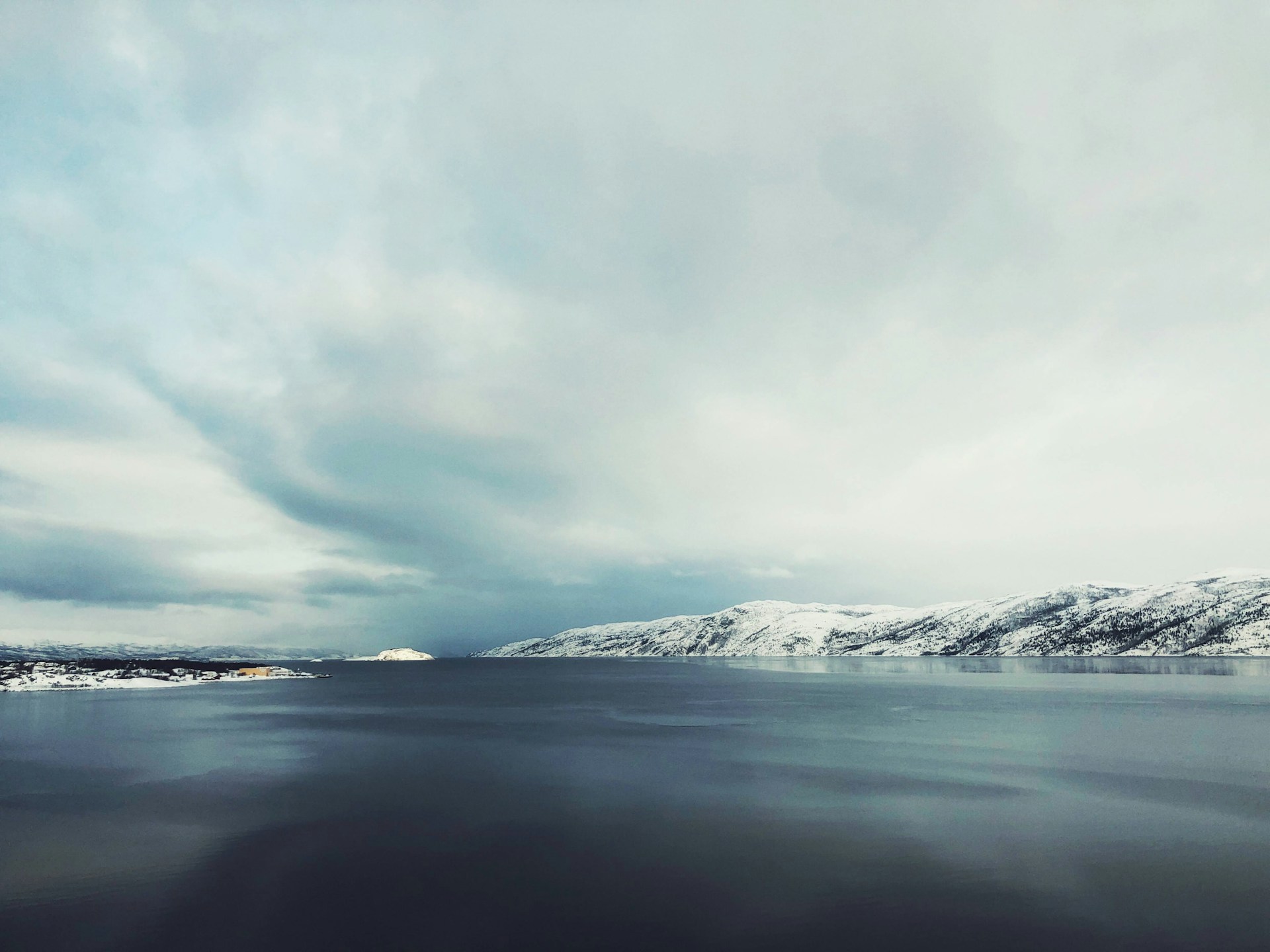
Alta’s weather reflects its position between the coast and the inland plateau. Conditions can differ between town, the valley and an exposed activity route.
For travel planning, daylight and ground conditions matter just as much as the temperature.
Winter: Cold, Snow and Short Days
Winter is the season for planning around warm clothing, limited daylight and snow-dependent experiences.
Standing still to watch the sky feels different from walking briskly through town. Travelling on a snowmobile or spending time on a boat adds another consideration. Pack for the activity you’re doing, then check what specialist clothing the provider supplies.
During polar night, the sun stays below the horizon, but there can still be twilight around the middle of the day. Don’t imagine every hour will look like midnight.
Spring: More Daylight, Changing Conditions
Spring brings rapidly lengthening days.
For a winter activity holiday, that can mean more opportunity to see the landscape during daytime outings. As the season progresses, the darkness available for aurora viewing becomes shorter.
Snow conditions and operating dates still need checking. A March itinerary shouldn’t automatically be copied into late April.
Summer: Long Days and Outdoor Exploration
Summer is the time to focus on walks, hiking, outdoor rock art and experiences on or beside the water.
Pack layers even if the forecast looks pleasant. A sheltered afternoon in town and an exposed hilltop can call for different clothing.
An eye mask may also earn its place in your luggage. Long daylight is wonderful for exploring; sleeping through it can take a little adjustment.
Autumn: Changing Colours and Returning Darkness
Autumn offers a transition between summer’s outdoor possibilities and winter’s activity season.
Dark nights return before dependable snow conditions can be assumed. That makes it important to separate a Northern Lights holiday from a snow-activity holiday.
If you’re travelling in September, October or early November, ask which experiences are realistically available on your dates.
|
Season |
What to plan around |
Main consideration |
|
Winter |
Snow activities, dark evenings and indoor cultural visits |
Cold, daylight and suitable snow |
|
Spring |
Winter outings wi th increasing daylight |
Changing snow conditions and a shrinking dark window |
|
Summer |
Hiking, outdoor rock art and long evenings |
Route conditions and variable temperatures |
|
Autumn |
Colourful landscapes and returning aurora opportunities |
Winter activities may not yet be operating |
Check the forecast shortly before departure and again during your stay. For exact daylight hours, use the Alta sunrise and sunset calendar.
When Is the Best Time to Visit Alta, Norway?
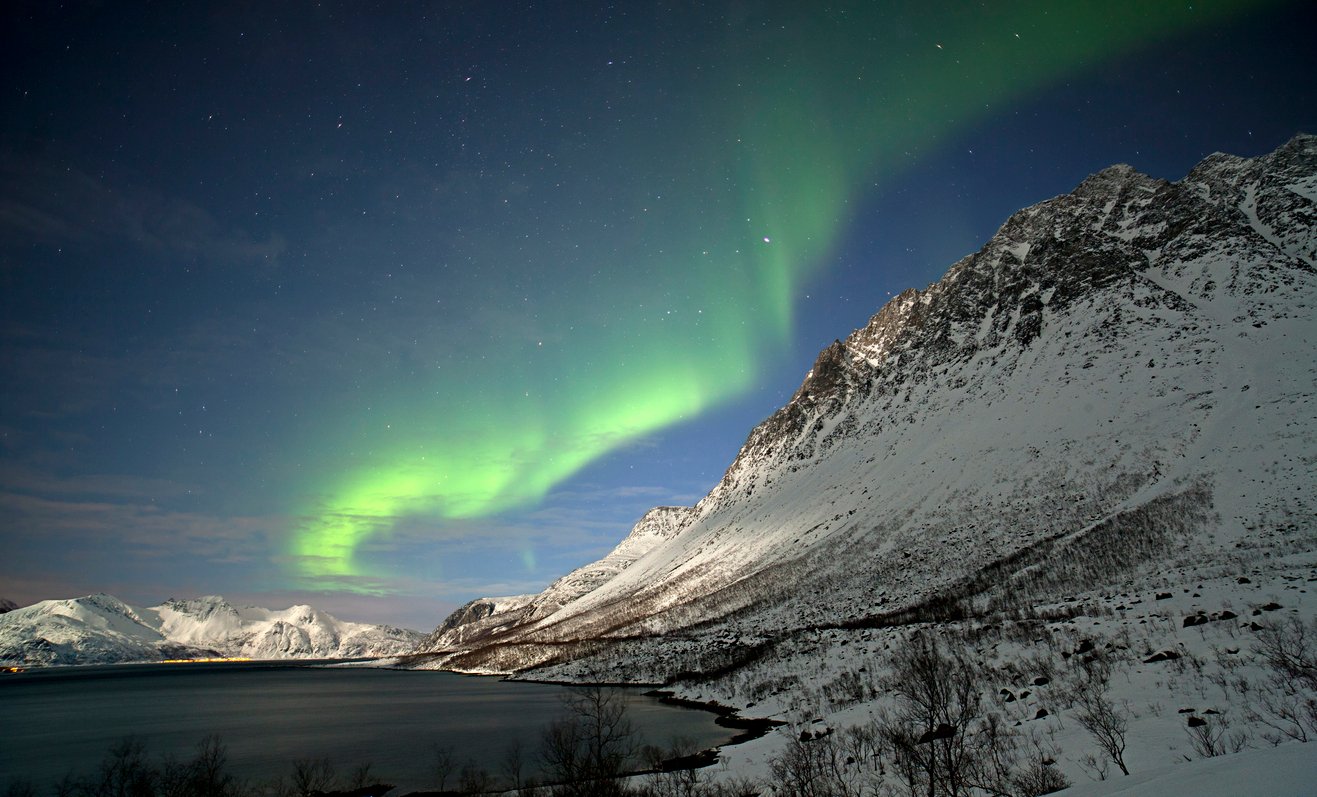
Choose your dates around the experience you would be most disappointed to miss.
For the Northern Lights
Plan for the darker part of the year, broadly September to early April. Within that period, cloud cover, auroral activity and the amount of darkness still vary.
Allow several nights if you can. Our guide to the best time to see the Northern Lights in Norway explains the seasonal trade-offs.
For Dog Sledding and Snowmobiling
Choose dates when the relevant snow activities are confirmed to operate.
Late winter can be appealing if you’d like more daylight during excursions while retaining dark nights. Early winter requires particular attention to snow conditions.
For Hiking and Outdoor Rock Art
Summer and early autumn are the starting points for planning a snow-free visit.
Check individual trails and museum access before finalising your itinerary, particularly near the beginning or end of the outdoor season.
For Midnight Sun or Polar Night
These are very different travel experiences.
Midnight sun brings extended opportunities to be outdoors, while polar night makes twilight and darkness part of the holiday. Consult exact dates and daylight hours for your stay rather than relying on a broad seasonal label.
If Alta is one stop on a longer trip, our guide to the best time to visit Norway can help you balance the seasons across different regions.
How to Get to Alta, Norway
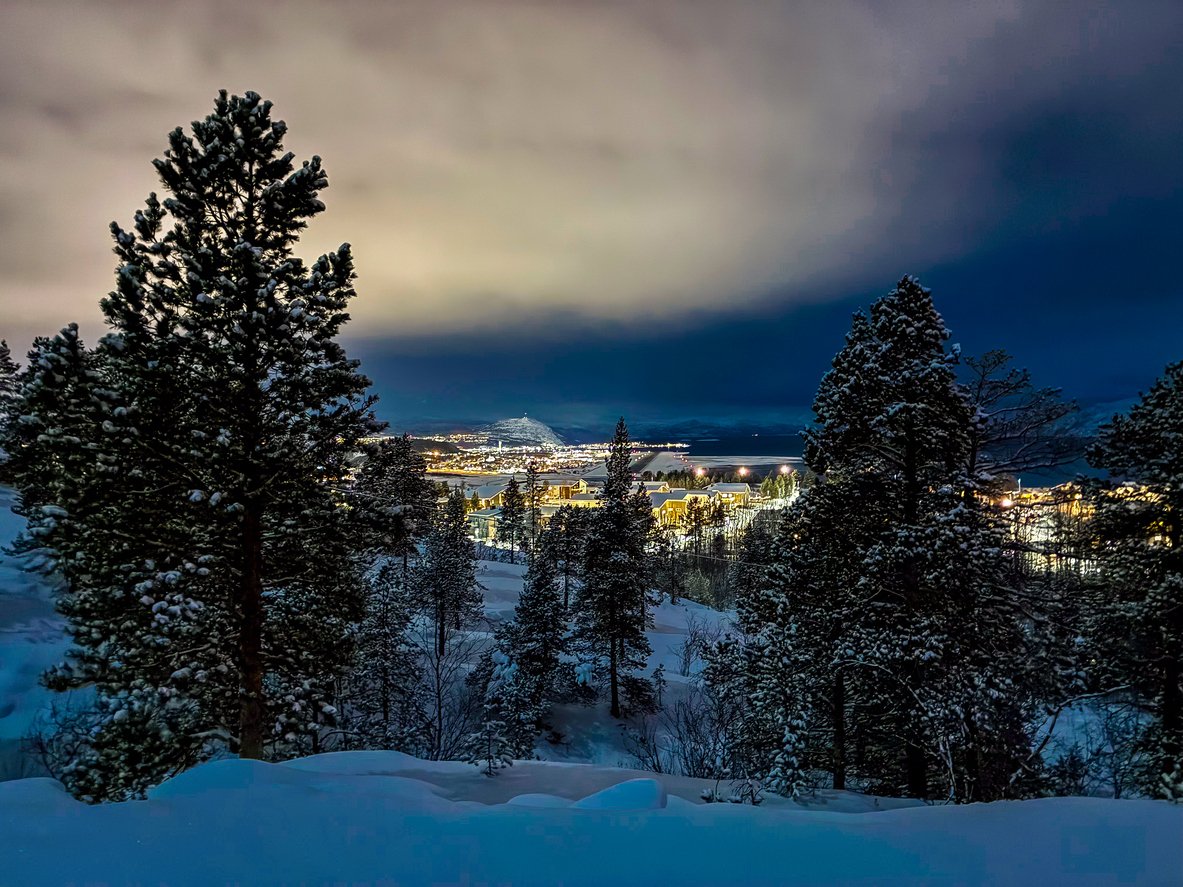
For most international visitors, flying is the practical starting point.
Flying to Alta
Alta Airport’s code is ALF.
Check routes and schedules for your actual dates, particularly if you’re connecting through another Norwegian airport. The official Alta Airport website provides flight information and onward travel guidance.
When comparing flights, consider arrival time alongside the fare. A late arrival may affect your transfer, dinner arrangements and ability to join an evening activity.
Avoid scheduling your main paid experience immediately after a flight. Give yourself room for delays and a relaxed arrival.
Getting From Alta Airport to Your Accommodation
Check the transfer to your specific property.
A journey to a central hotel and a journey to an outlying lodge are different arrangements. Ask whether your accommodation or package includes collection and what happens if your flight is delayed.
If you’re using public transport, check the stop locations as well as the timetable.
Getting to Alta From Tromsø
Compare flight options with the available road and public transport connections for your dates.
Don’t assume Alta is a quick side trip from Tromsø simply because both are in Northern Norway. A journey between them needs its own place in the itinerary.
Use Entur, Norway’s national journey planner, to investigate public transport connections.
Driving to Alta
A road trip can make sense when Alta is part of a wider Northern Norway itinerary.
In winter, plan around conditions rather than the fastest time shown on a map. Consult Statens vegvesen’s road and traffic information for closures, mountain-pass information and updates.
Can You Get to Alta by Train?
There’s no railway station in Alta. If you’re building a journey around rail travel elsewhere in Norway, you’ll need another form of transport for the final part.
For help fitting the destination into a longer holiday, start with our Norway travel guide.
Getting Around Alta, Norway: Do You Need a Car?
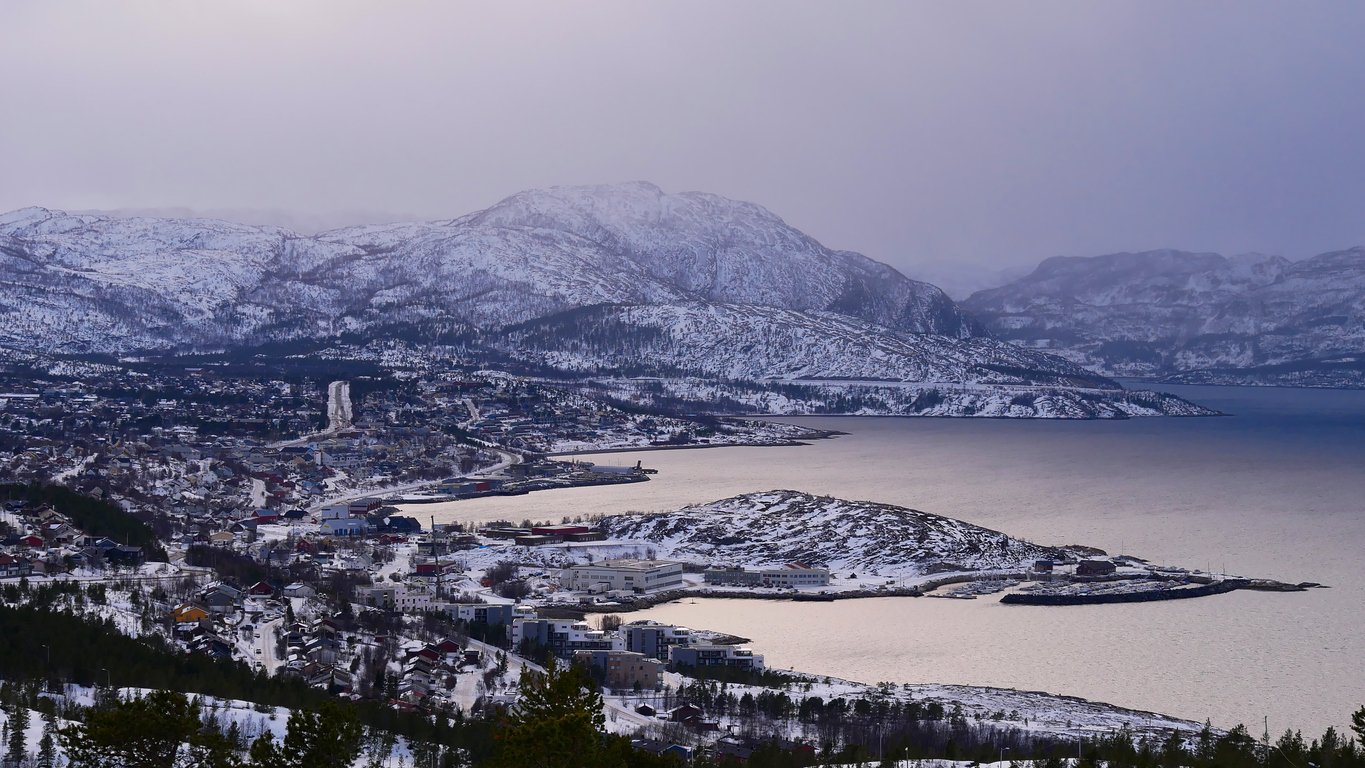
You can visit Alta without a car if your accommodation, activities and transfers work together.
A central hotel can be convenient for meals and everyday services. Guided experiences with included transport can then take you outside town.
A car may be useful if you want to explore independently, visit several outlying places or stay somewhere without suitable transfers.
Before hiring one, compare the total cost with the transport already included in your bookings. There’s little benefit in paying for a vehicle that remains parked while you take guided excursions.
For a trip without a car, confirm:
- Airport collection and drop-off.
- Each activity’s meeting point.
- Whether your accommodation is within the pickup area.
- Evening dining options.
- Transport for any independent sightseeing.
“Transfers included” is useful only when you know which transfers it means.
Where to Stay in Alta, Norway
Location should support the kind of holiday you want.
Central Hotels
Stay centrally if you value easy access to restaurants, shops and services between activities.
This can be a straightforward option for a first visit, particularly when tours include pickup. You can keep your independent time simple while making organised trips into the surrounding landscape.
Valley and Wilderness Lodges
A lodge outside town may suit you if the setting is part of the reason you’re travelling.
Look closely at meals, transfers and nearby activities. A property that’s ideal for spending a quiet evening outdoors may be less convenient for spontaneously heading into town for dinner.
Husky-Focused Accommodation
If time with the dogs is a priority, investigate accommodation that genuinely includes or offers that experience.
Check the programme rather than assuming a stay near a kennel automatically includes sledding, a kennel visit or participation in daily routines.
Ice Hotel or Warm Room?
For an ice-hotel experience, confirm whether your booking is for an overnight stay in the ice structure, a warm room or a visit.
Also check which dates the seasonal experience operates. Similar photographs can appear alongside very different room types.
How Many Days Do You Need in Alta, Norway?
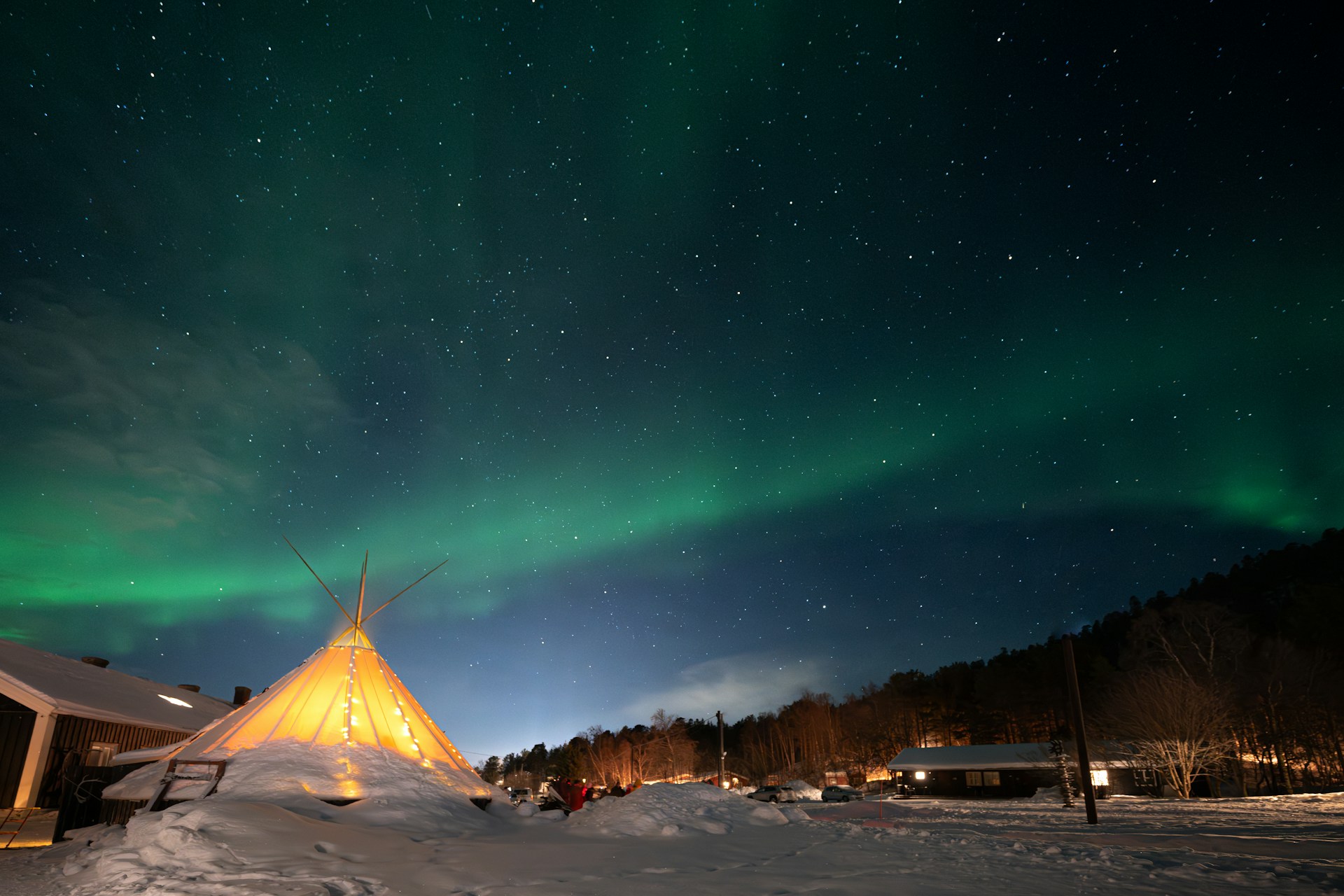
Three days gives you a useful introduction. Five or six days allows a more varied holiday with less pressure on each individual day.
Treat the following as planning examples, adjusting them to the season and available departures.
One Day in Alta
Choose one main experience.
For a cultural day, combine Alta Museum with time in the centre and a cathedral visit if opening hours fit. For an activity day, choose a guided excursion and build the rest of the schedule around its transport.
If you’re arriving by cruise ship, check the actual port and meeting point, then allow a comfortable return margin.
Three Days in Alta
A winter itinerary could look like this:
|
Day |
Suggested plan |
|
Day 1 |
Arrive, settle in and explore central Alta; consider an evening outing if timing allows |
|
Day 2 |
Dog sledding or snowmobiling, with a relaxed evening afterwards |
|
Day 3 |
Museum, snowshoeing or another activity before departure |
If the Northern Lights are your priority, several evenings offer more flexibility than one. Avoid making every night a late finish, especially when you have an early activity the following morning.
In summer, replace snow-dependent activities with walks, outdoor rock art or a suitable river or fjord excursion.
Five or Six Days in Alta
A longer stay gives you space for different landscapes and a slower pace.
You can combine a cultural visit, several outdoor experiences and time at accommodation outside town without trying to fit everything into a short break.
Our 6-day Northern Lights holiday in Alta brings together town and lodge accommodation with guided activities, transfers and selected meals. Check your intended dates with us, particularly if whale watching or specific snow activities are essential to your plans.
Continuing beyond Alta? Explore our broader guide to things to do in Norway for ideas elsewhere in the country.
Alta or Tromsø, Norway: Which Should You Choose?
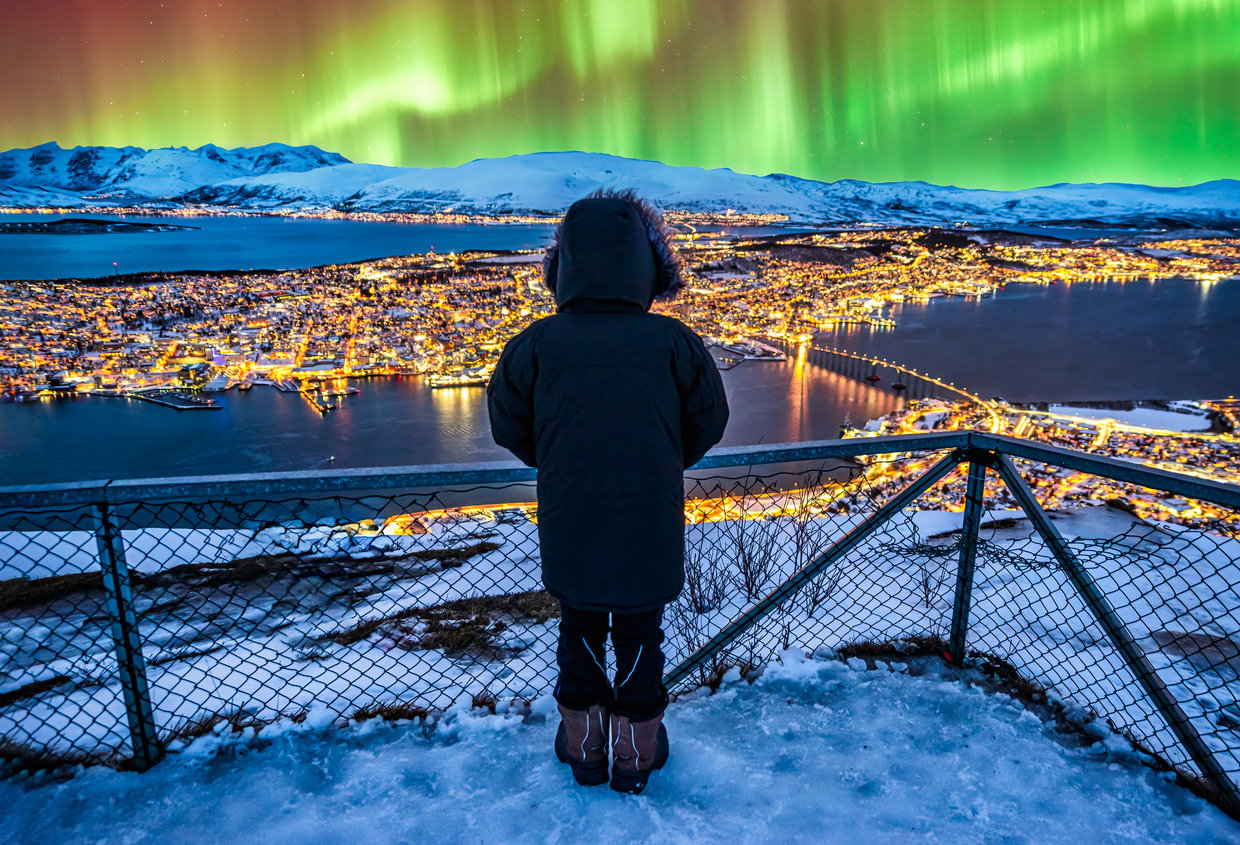
Start with the holiday you want rather than trying to identify a universal winner.
Compare the activities, accommodation and travel arrangements you’d actually book in each destination.
|
Your priority |
What to compare |
|
Northern Lights |
Number of nights, outing format and flexibility |
|
Dog sledding or snowmobiling |
Confirmed operating dates, routes and participation requirements |
|
A lodge-based stay |
Location, meals and transfers |
|
Independent sightseeing |
What’s accessible from your chosen hotel |
|
Whale watching |
Seasonal departures, meeting points and time on the water |
|
Overall value |
The full itinerary cost, including transport and meals |
Alta is worth considering if its combination of valley, plateau, fjord and cultural experiences matches your plans. Tromsø deserves the same practical comparison.
Our guide to planning a Northern Lights trip to Tromsø can help you weigh up the alternative.
If your time is limited, one well-planned base may give you a better holiday than splitting the trip and losing activity time to travel.
Practical Tips for Visiting Alta, Norway

Pack for Your Activities
For winter, build your clothing around warm layers, protection from wind and appropriate footwear.
Check what each provider supplies. A borrowed thermal suit can be valuable during an excursion, but you still need suitable clothing for airport transfers, independent walks and evenings.
For summer, pack waterproofs and an extra layer alongside your walking clothes.
Check Requirements Before Paying
Minimum ages, driving licences, fitness expectations and passenger arrangements vary between activities.
Mention relevant needs before booking so the team can explain what’s suitable. The word “easy” doesn’t tell you everything about climbing into a sled, walking on uneven snow or spending several hours outdoors.
Budget for the Whole Stay
Compare accommodation, activities, meals and transport together.
A central hotel and separate excursions may suit one trip; a package may simplify another. Check what’s included before deciding which offers better value for you.
Our guide to what to budget for a trip to Norway provides broader planning context.
Leave Some Flexibility
Weather, wildlife and snow conditions can affect plans.
Choose a few priorities, book them thoughtfully and leave space between them. A holiday with room to adapt is easier to enjoy than one that depends on every departure running exactly as imagined.
Frequently Asked Questions About Alta, Norway
What Is Alta, Norway, Known For?
Alta is known for the Northern Lights, UNESCO-listed prehistoric rock art, the Alta River and outdoor activities in the surrounding Arctic landscapes. Its aurora-research history also forms part of its identity.
Is Alta, Norway Worth Visiting Without Seeing the Northern Lights?
Yes—if you choose daytime experiences you’re excited about. Dog sledding, snowmobiling, cultural visits and time in the surrounding landscape can make a rewarding holiday regardless of the sky. Pick activities suited to your dates.
Can You See the Northern Lights in Alta, Norway in Summer?
The bright summer nights aren’t suitable for aurora viewing. Visit during the darker months if the Northern Lights are a priority, and choose summer for hiking, outdoor rock art and extended daylight.
Do You Need a Car in Alta?
Not necessarily. A trip can work well without one when airport transfers, activity transport and accommodation are coordinated. A car is more useful for independent exploration and stays without convenient transport.
Is Alta, Norway Suitable for Families?
It can be, provided you select activities suited to the children’s ages, abilities and comfort in the cold. Check individual requirements and avoid assuming every winter excursion suits every family.
Can You See Alta’s Rock Carvings in Winter?
Don’t count on outdoor access. Snow and seasonal closures can prevent viewing, while Alta Museum’s indoor exhibitions provide a separate experience. Check the museum’s current information before visiting.
Is Alta an Alternative to Tromsø?
Yes. Both can be considered for an Arctic holiday, but compare specific experiences and logistics. Your preferred accommodation, travel dates and activity plans should guide the choice.
How Long Should You Stay in Alta, Norway?
Allow three days for an introduction or five to six days for a fuller activity holiday. If seeing the Northern Lights is important, give yourself several nights rather than relying on a single evening.
Plan Your Alta, Norway Adventure with Outdoor Norway
The best Alta trip starts with what you want to experience.
It might be the first time you guide a husky team, an evening walking through the snow or a summer day exploring the region’s history. Choose the right season, make the transport work and give yourself enough time to enjoy it.
If you’re planning a winter visit, compare our Northern Lights tours in Norway for individual experiences and longer holidays.
Or speak to us about bringing your Alta plans together.