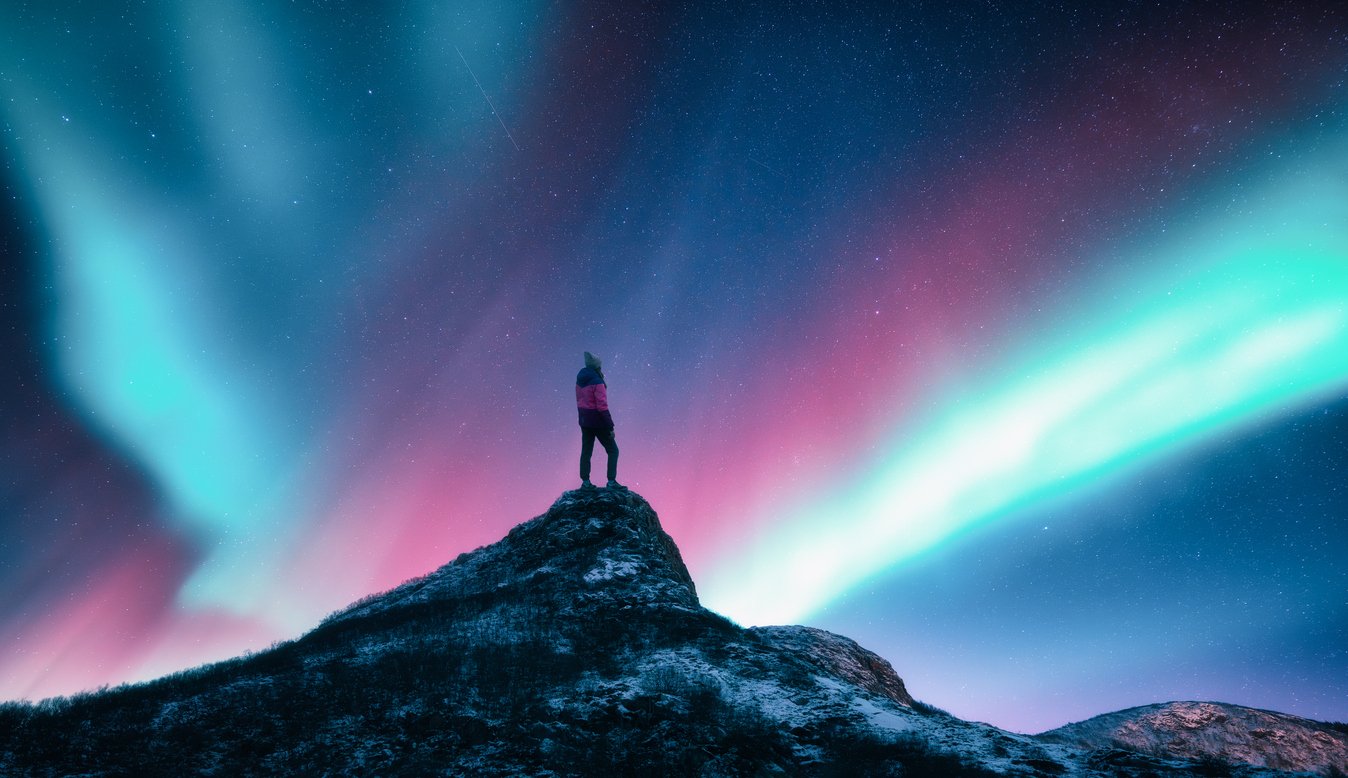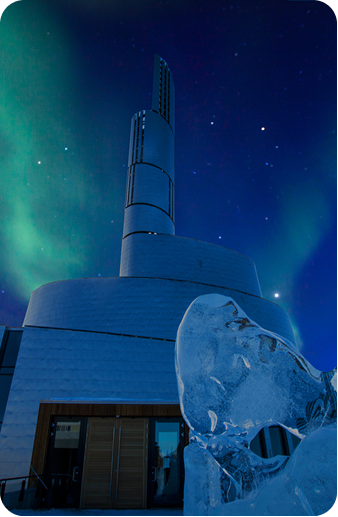
The best places to see the Northern Lights in Norway are concentrated in the north, where destinations beneath the auroral oval offer regular opportunities to experience the Aurora during the dark season.
Alta and Tromsø are two of the strongest choices for travellers building a holiday around the Northern Lights. Alta stands out for Arctic wilderness, Finnmarksvidda and activity-based adventures. You'll find excellent Aurora opportunities with the convenience and energy of an Arctic city in Tromsø.
Lofoten has some of Norway's coolest landscapes for Northern Lights photography. Svalbard is an entirely different High Arctic experience altogetrher, including the darkness of Polar Night.
So what’s the summary? There isn't one destination that's automatically “best” for everyone.
It all hinges on what you want: wilderness, city life, photography, winter activities, easy logistics or a complete Arctic adventure.
Best Places to See the Northern Lights in Norway: a Cheat Sheet
|
Destination |
Why it rocks |
Setting |
Other winter experiences |
Our take |
|
Alta |
Wilderness & Arctic adventure |
Small city + vast wilderness |
Huskies, snowmobiles, snowshoeing, whales |
Best all-round adventure choice |
|
Tromsø |
First-time Arctic visitors |
Arctic city + surrounding nature |
Huskies, fjords, winter activities, nightlife |
Best for convenience & variety |
|
Lofoten |
Landscapes & photography |
Islands, mountains & beaches |
Photography, fishing villages, winter landscapes |
Best for scenery |
|
Svalbard |
High Arctic experience |
Remote polar wilderness |
Snowmobiles, Polar Night, Arctic experiences |
Best for something truly different |
Where Is the Best Place to See the Northern Lights in Norway?
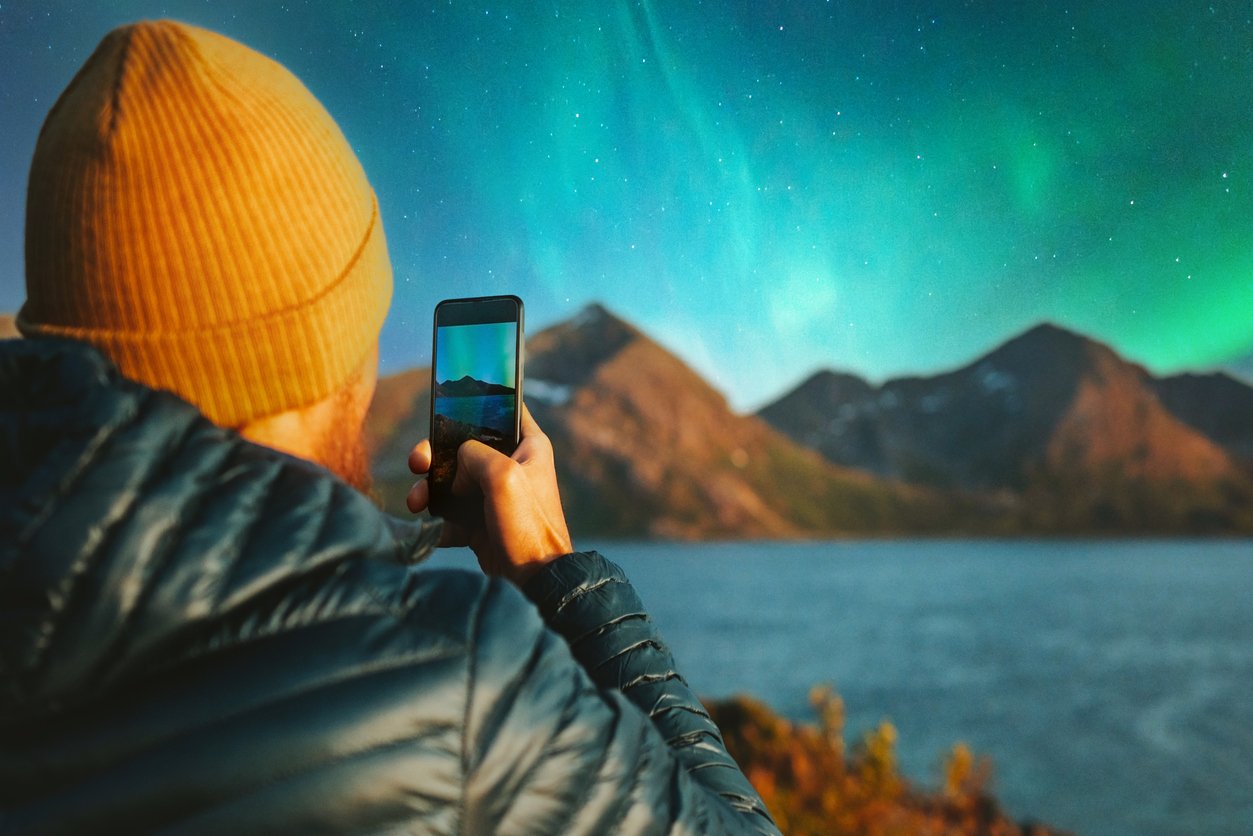
If you're searching for the single best place in Norway to see the Northern Lights, there's something worth knowing before you start comparing destinations.
There isn't one secret town where the Aurora appears every night.
Northern Lights visibility depends on several things coming together: your position relative to the auroral oval, darkness, Aurora activity and, critically, whether the sky above you is clear enough to see anything.
Many destinations across Northern Norway are well positioned beneath the auroral zone. Tromsø, for example, sits directly beneath the Northern Lights oval. Lofoten also lies within the auroral zone and can experience visible Aurora even when geomagnetic activity isn't particularly high.
That means the difference between two good Northern Lights destinations often comes down to much more than latitude.
Ask yourself:
What will I do during the day?
What kind of landscape do I want around me?
Do I want a city or wilderness?
Do I want to drive independently or join guided experiences?
Would I still want to visit this place if the Northern Lights didn't appear?
That last question might be the most important of all.
The Aurora is never guaranteed. Your destination should be worth the journey regardless.
1. Alta
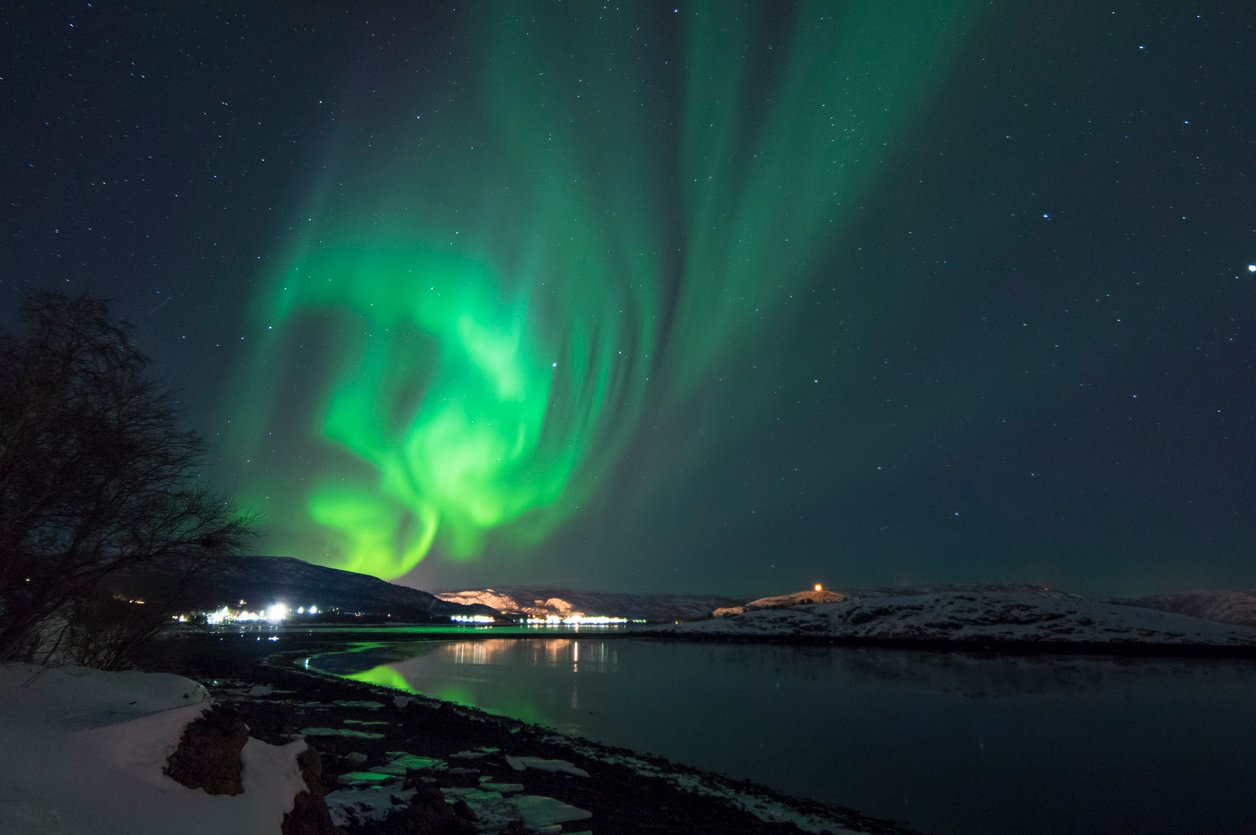
Alta is one of our top choices for travellers who want their Northern Lights holiday to feel like a genuine Arctic adventure rather than a nightly sightseeing excursion.
Located in Finnmark in Northern Norway, Alta has vast winter landscapes, snowy valleys and the open wilderness of Finnmarksvidda.
That means your Northern Lights experience doesn't have to exist separately from the rest of your trip.
You can spend the day behind a team of huskies, ride a snowmobile towards the plateau, explore the winter landscape on snowshoes or head onto an Arctic fjord. Then, after darkness falls, turn your attention towards the sky.
For a more detailed breakdown, check out our Alta, Norway Northern Lights guide.
Why Alta Is One of the Best Places to See the Northern Lights in Norway
Geography is only part of the attraction.
Alta's northern location puts you in a region well suited to Aurora viewing, but the surrounding landscape is what makes the destination particularly interesting.
You don't have to travel far before the town gives way to forests, valleys and vast areas of Arctic wilderness.
And that's useful for more than pretty photographs.
Being able to spend time away from brighter urban surroundings can make subtle Aurora easier to appreciate, while the wilderness gives the experience a sense of scale that's difficult to recreate in a city.
But we'd avoid describing Alta as some magical location where the Northern Lights are guaranteed. They're not.
Cloud cover can still ruin an apparently perfect forecast. Aurora activity changes. Some nights the sky delivers; others it doesn't.
What Alta gives you is a very strong setting in which to give yourself multiple opportunities.
What a Northern Lights Trip to Alta Is Actually Like
One of Alta's biggest advantages is that you can experience an Arctic night in several very different ways.
If seeing the Aurora is your highest priority, you can join a dedicated Northern Lights search where the evening is organised around looking for favourable viewing conditions.
Or you can make the activity itself the centre of the evening.
You might ride a snowmobile through the Arctic night, walk through snowy forest on snowshoes or spend time with working huskies while keeping an eye on the sky.
There's an important distinction between the two.
A Northern Lights search is primarily about finding the Aurora.
A Northern Lights experience is primarily about having an unforgettable Arctic evening, with the Aurora as a possibility.
Neither is automatically better.
If you've dreamed about seeing the Northern Lights for years and that's overwhelmingly your priority, choose the search.
If you'd rather know that the evening will be memorable whatever happens overhead, choose the experience that excites you most.
What Else Can You Do in Alta?
This is where Alta becomes particularly strong as a multi-day destination.
Your days can include:
- Dogsledding
- Snowmobiling
- Snowshoeing
- Whale watching
- Arctic fjord experiences
- Husky encounters
- Exploring Finnmarksvidda
- Winter wilderness experiences
Instead of spending your holiday waiting for sunset, you can fill the daylight hours with experiences you'd travel north for anyway.
Then you get another chance at the Northern Lights after dark.
And another the following night.
That's a much better way to build an Aurora holiday.
Who Should Choose Alta?
Choose Alta if you want Arctic wilderness, active adventure and a smaller-city base surrounded by huge northern landscapes.
It's particularly strong for travellers who want to combine the Northern Lights with huskies, snowmobiling, snowshoeing and time on Finnmarksvidda.
If your ideal trip sounds more like “spend the day exploring the Arctic and see what the sky does tonight” than “wait around until the Northern Lights tour starts”, Alta should be #1 your shortlist.
2. Tromsø
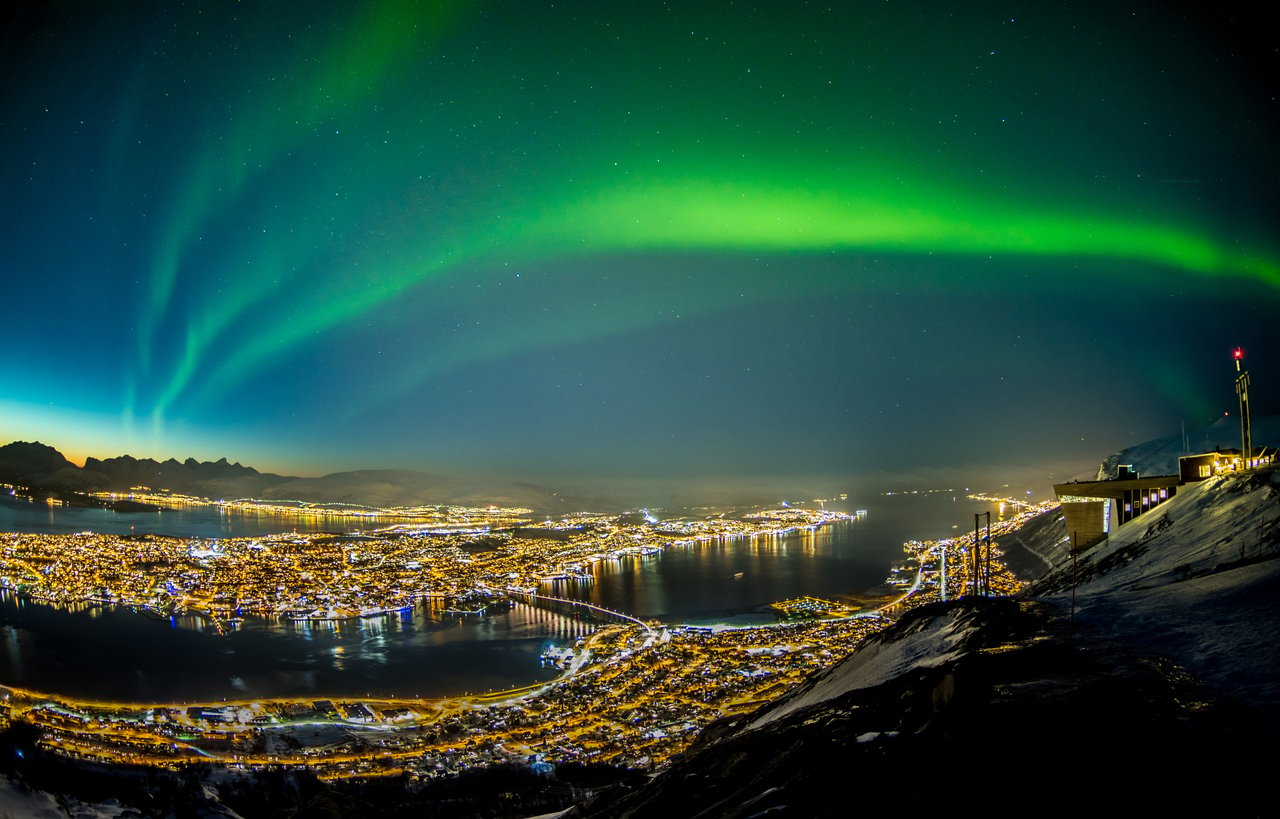
There is a reason Tromsø Northern Lights trips appear everywhere when you begin researching Arctic Norway.
Tromsø is one of the world's most established Northern Lights destinations.
The city is located directly beneath the Northern Lights oval, and its official tourism organisation identifies the viewing period as roughly late August to early April when the sky is sufficiently dark and clear.
But Tromsø's appeal isn't simply about Aurora geography.
It's the combination of Northern Lights access and city convenience that makes it stand out.
Why Tromsø Is Famous for the Northern Lights
Tromsø gives you something many Arctic destinations can't:
a proper city surrounded by Arctic nature.
You can spend your afternoon in cafés, museums and restaurants, return to your hotel, then head beyond the city lights for a night beneath the Aurora.
There's also an enormous choice of organised winter experiences.
Northern Lights searches, huskies, snowmobiling and other Arctic activities are all part of the established tourism ecosystem.
For someone making their first trip above the Arctic Circle, that can make planning considerably easier.
And geographically, Tromsø is exceptionally well positioned. The region lies beneath the auroral oval, meaning Aurora can occur overhead even without the sort of extreme geomagnetic activity required for sightings much farther south.
To learn more, check out our Tromsø, Norway Northern Lights guide.
Can You See the Northern Lights From Tromsø City?
Yes.
On sufficiently clear nights with suitable Aurora activity, the Northern Lights can be visible from Tromsø itself.
But that doesn't mean the middle of a brightly lit street is where we'd choose to spend the evening.
Darker surroundings generally give you a better view of subtle Aurora, and organised Northern Lights searches can travel beyond the city when local cloud conditions aren't cooperating. We would recommend locations with a clear view of the sky and as little artificial light as possible.
So staying in Tromsø doesn't mean you're confined to Tromsø city centre.
That's part of its appeal.
You can have the restaurants and hotels of an Arctic city without giving up access to darker landscapes.
What Else Can You Do in Tromsø?
Tromsø has one of the broadest selections of winter tourism experiences in Northern Norway.
Depending on your trip and season, you can combine Northern Lights evenings with experiences such as:
- Dogsledding
- Snowmobiling
- Fjord trips
- Sámi experiences
- Winter landscapes
- Seasonal whale watching
- Museums and cultural attractions
- Restaurants and nightlife
That makes it particularly easy to build a first Arctic holiday without hiring a car or organising every day yourself.
Who Should Choose Tromsø?
Choose Tromsø if convenience and variety matter as much as wilderness.
It's particularly good for first-time Arctic travellers who want plenty of accommodation, restaurants, activities and organised tours within an established destination.
If you want to explore during the day, eat somewhere good in the evening and then head into the darkness searching for the Northern Lights, Tromsø makes that extremely easy.
If you're trying to get farther away from the feeling of a major tourism destination, however, another location may suit you better.
3. Lofoten Islands
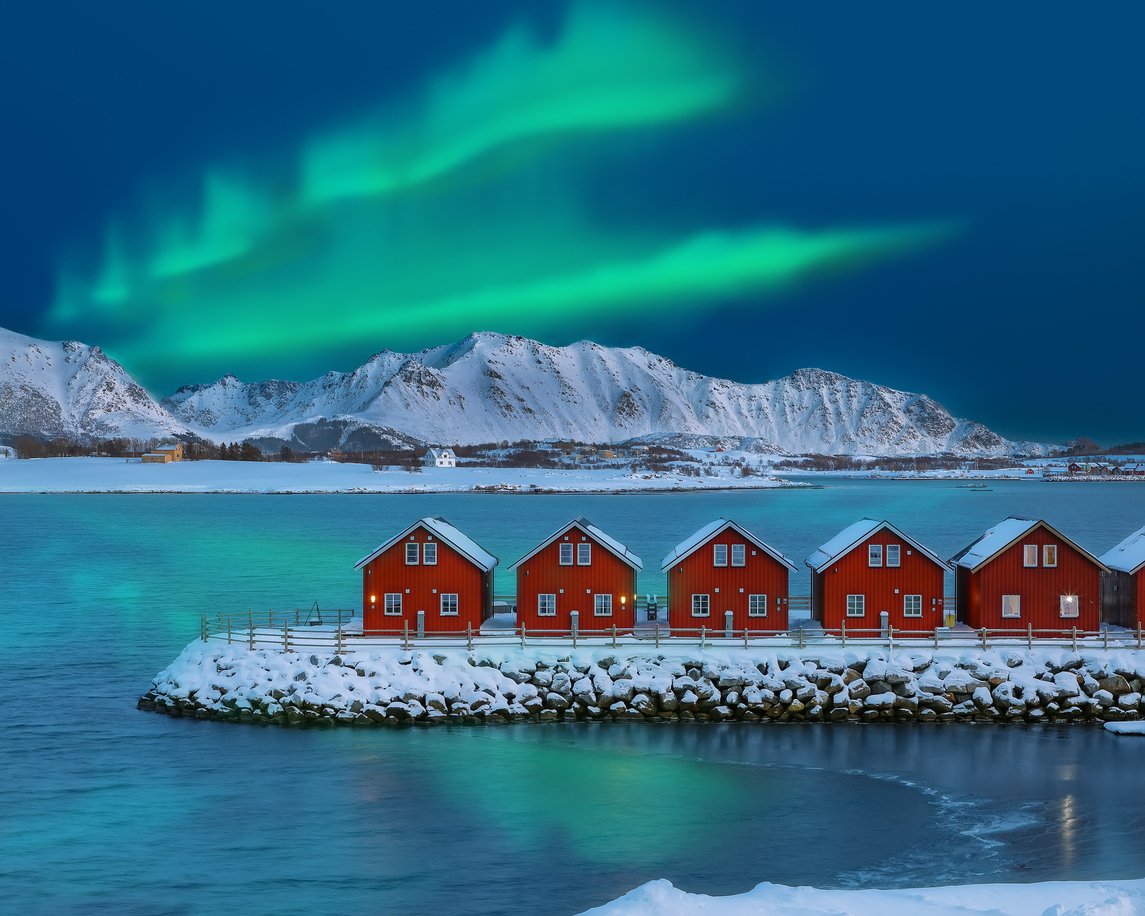
Few places can compete with Lofoten when it comes to what might be beneath the Northern Lights.
Jagged mountains rise almost directly from the sea.
Small fishing villages sit along the coastline.
Beaches face open northern horizons.
Snow-covered peaks reflect in dark water.
That's why a Lofoten Islands Northern Lights experience has a unique selling point no one talks about.
It's not that Lofoten has some fundamentally different Aurora.
It's the landscape you get to put underneath it.
Can You See the Northern Lights in Lofoten?
Lofoten lies around 67–68° north and within the auroral zone. According to the region's official tourism organisation, Northern Lights can potentially be visible from late August until around mid-April, although darkness, clear skies and sufficient Aurora activity still need to align.
That gives you a surprisingly long potential season.
And because Lofoten sits within the auroral oval, you don't necessarily need dramatic KP numbers before the Aurora can become visible. The local tourism organisation specifically cautions visitors against becoming overly fixated on the KP index and emphasises finding clear skies instead.
Why Lofoten Is Special for Northern Lights Photography
Imagine photographing the Northern Lights above a city.
Now imagine photographing them above a snow-covered mountain rising from the Norwegian Sea.
That's the Lofoten difference.
The islands give photographers an enormous selection of foregrounds and compositions: beaches, peaks, fishing villages, cabins and coastline.
The region's northern coast also includes sparsely populated areas and beaches with open horizons and relatively little artificial light, making them useful environments for searching and photographing the Aurora.
And you don't necessarily need a professional camera.
Modern phones have become remarkably capable at photographing Aurora, although serious photographers will naturally get much more control from a camera, tripod and appropriate settings.
The important thing is that Lofoten gives you a landscape worth photographing before the Aurora even begins.
The Trade-Off With Lofoten
Beautiful geography doesn't control the weather.
Lofoten is a coastal and mountainous environment, and conditions can change quickly. Cloud remains one of the biggest obstacles between you and an Aurora display.
The islands also reward travellers who are comfortable with a little more independent planning.
You're not choosing one compact city with hundreds of activities radiating from its centre. You're choosing an archipelago where moving between landscapes can be part of the experience.
That's brilliant for the right traveller.
It may be less attractive for someone who wants to arrive, check into a central hotel, not worry too much about packing and let organised tours handle almost everything.
Who Should Choose Lofoten?
Choose Lofoten if landscape is a major reason you're coming to Norway.
It's particularly attractive to photographers, road-trip travellers and anyone dreaming about seeing the Northern Lights above mountains, beaches and traditional fishing villages.
If the perfect photograph matters as much as simply ticking “Aurora” off a list, Lofoten is difficult to beat.
4. Svalbard
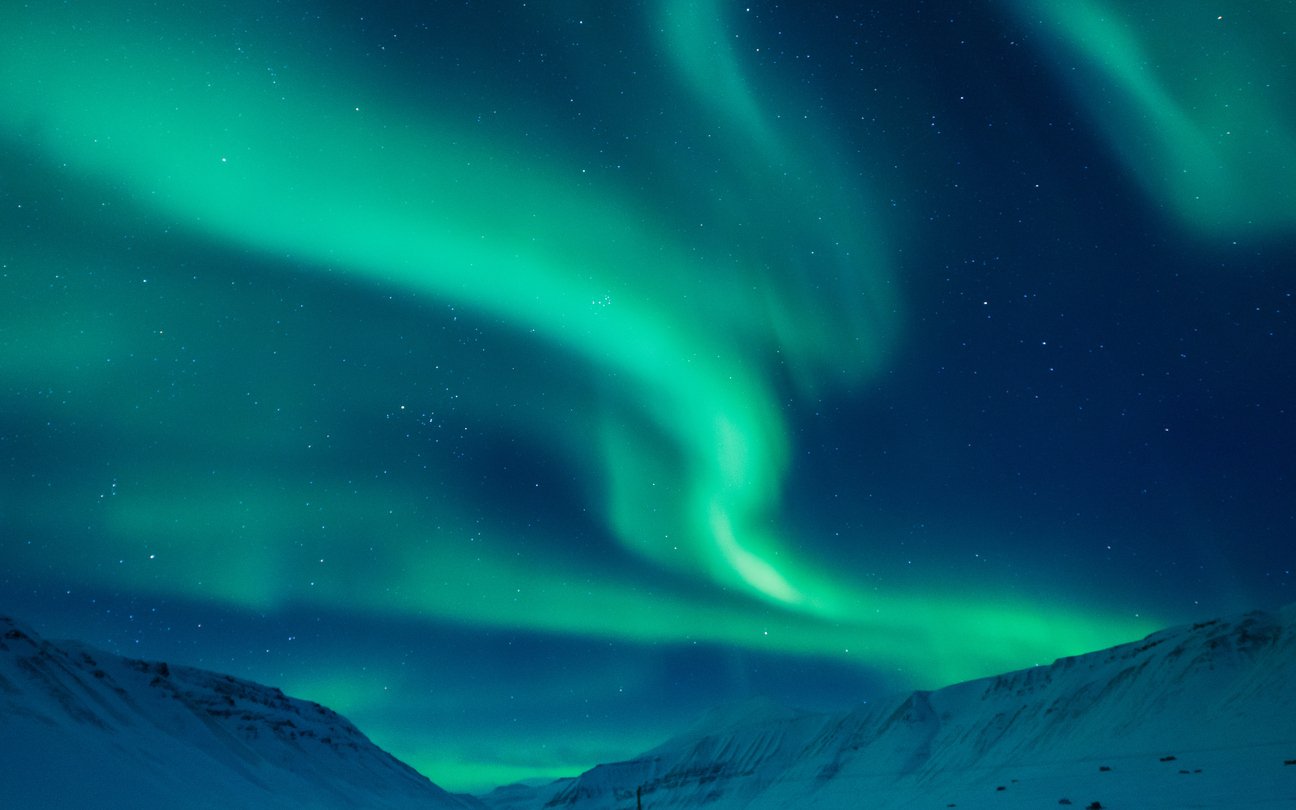
Then there's Svalbard.
If Alta, Tromsø and Lofoten feel like different versions of Northern Norway, Svalbard feels like you've gone somewhere else entirely.
The archipelago lies deep in the High Arctic, far north of mainland Norway.
And during the darkest part of winter, something unusual happens.
Can You See the Northern Lights in Svalbard?
Yes.
Svalbard Northern Lights experiences are possible during the dark season, when the High Arctic landscape enters a prolonged period without normal daylight.
But the reason to choose Svalbard shouldn't simply be:
“It's farther north, so the Northern Lights must be better.”
That's not how Aurora geography works.
Instead, choose Svalbard because you want the High Arctic itself.
Seeing the Northern Lights During Polar Night
This is where Svalbard becomes genuinely unusual.
During Polar Night, the sun remains sufficiently far below the horizon that the sky can stay dark even during hours we'd normally call daytime.
As a result, Northern Lights can potentially become visible in the middle of the day when conditions cooperate.
Imagine eating breakfast, checking the sky at 10 in the morning and seeing Aurora.
That's not a normal Northern Lights experience.
And it's part of what makes Northern Lights in Svalbard so different from mainland Norway.
Is Svalbard Better Because It's Farther North?
No.
This is one of the biggest misconceptions in Northern Lights travel.
You can't simply keep travelling north and assume your chances improve indefinitely.
Aurora activity is concentrated around the auroral oval rather than directly over the geographic North Pole. Your position relative to that oval matters, as do weather, darkness and current geomagnetic conditions.
So don't choose Svalbard because it looks highest on the map.
Choose it because you want Svalbard.
Who Should Choose Svalbard?
Choose Svalbard if you're looking for a genuinely High Arctic experience and the darkness of Polar Night is part of the attraction.
It's less about building a conventional Norwegian winter holiday and more about experiencing one of Europe's most extraordinary northern environments.
The Northern Lights can be part of that.
But they shouldn't be the only reason you go.
Other Great Places to See the Northern Lights in Norway
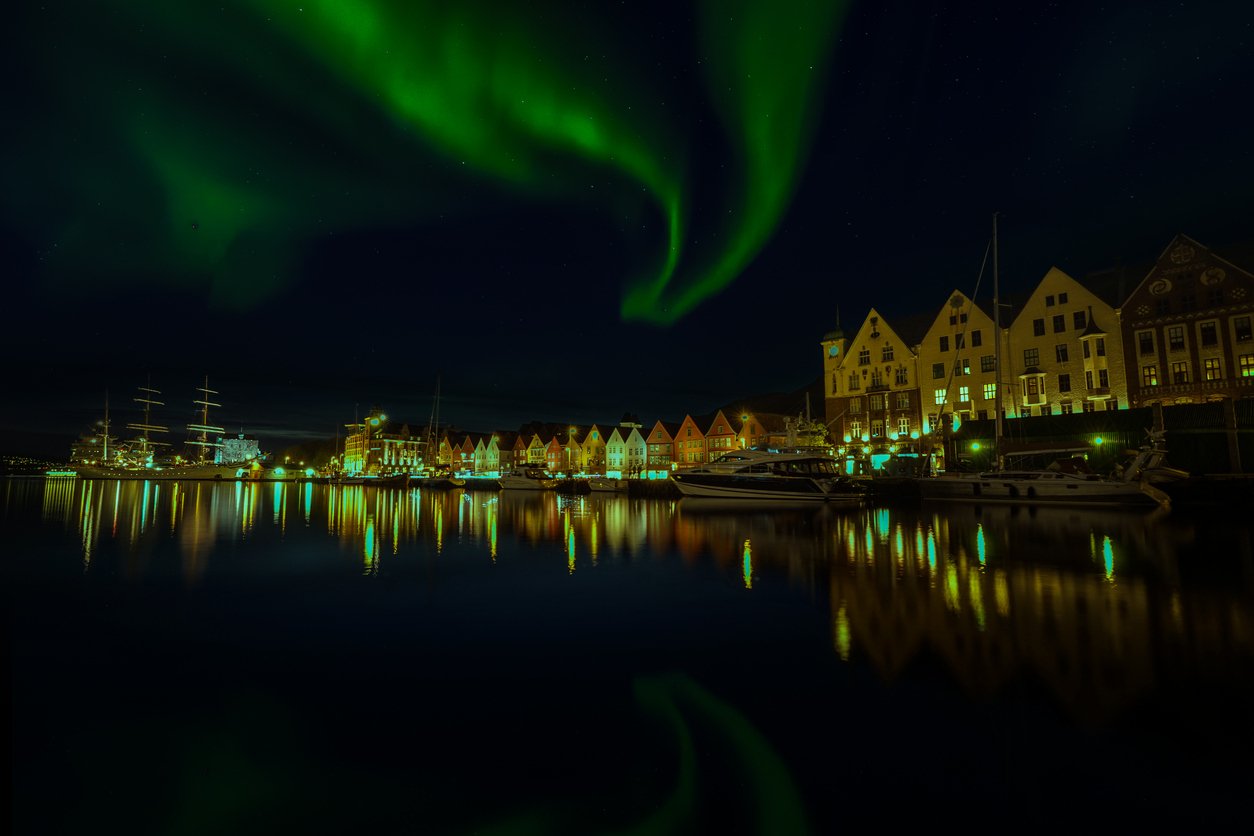
Alta, Tromsø, Lofoten and Svalbard aren't the only places worth considering.
Northern Norway covers a vast area, and there are plenty of alternatives for travellers looking beyond the biggest names.
Senja
Senja offers the same kind of dramatic Arctic ingredients that attract travellers to Northern Norway: mountains, fjords, coastline and small communities beneath dark northern skies.
It's particularly interesting for travellers who want dramatic landscapes to play a major role in the trip.
Lyngen Alps
The Lyngen Alps combine Arctic fjords with steep mountain scenery east of Tromsø.
For active travellers, the appeal isn't simply standing outside waiting for Aurora. It's the chance to build a wider mountain and wilderness experience around your evenings.
Kirkenes
Far to the northeast, Kirkenes offers another version of Arctic Norway.
Its location close to the Finnish and Russian borders gives the destination a distinct character, while winter activities and northern landscapes provide plenty to do beyond Aurora viewing.
North Cape & Finnmark
The far north of Finnmark offers enormous landscapes, exposed coastlines and a feeling of being genuinely close to the edge of Europe.
North Cape itself isn't a magical Aurora switch, but the wider region can be a compelling addition to a Northern Norway itinerary.
And that's really the point.
There are many good places in Norway to see the Northern Lights.
The famous ones aren't your only options.
Alta vs Tromsø vs Lofoten vs Svalbard
So how do the four headline destinations actually compare?
|
Alta |
Tromsø |
Lofoten |
Svalbard |
|
|
Aurora potential |
Excellent |
Excellent |
Excellent |
Excellent |
|
Best for |
Adventure & wilderness |
Convenience & variety |
Photography & scenery |
High Arctic |
|
Setting |
Small city + wilderness |
Arctic city |
Islands & villages |
High Arctic settlement |
|
Wilderness access |
Excellent |
Excellent |
Excellent |
Exceptional |
|
Husky experiences |
Strong |
Strong |
Not a defining attraction |
Available |
|
Snowmobiling |
Major activity |
Available in region |
Not a defining attraction |
Major activity |
|
Photography |
Excellent |
Excellent |
Exceptional |
Exceptional |
|
Restaurants/nightlife |
Some choice |
Best choice |
Spread across villages |
More limited |
|
Easy first Arctic trip |
Yes |
Yes |
Requires more planning |
Requires more planning |
|
Biggest differentiator |
Finnmarksvidda & adventure |
City + huge activity choice |
Landscapes |
Polar Night & High Arctic |
The key point is that Aurora potential isn't the most useful differentiator.
All four are serious Northern Lights destinations.
What separates them is the holiday you have while waiting for the sky to cooperate.
Alta or Tromsø for the Northern Lights?
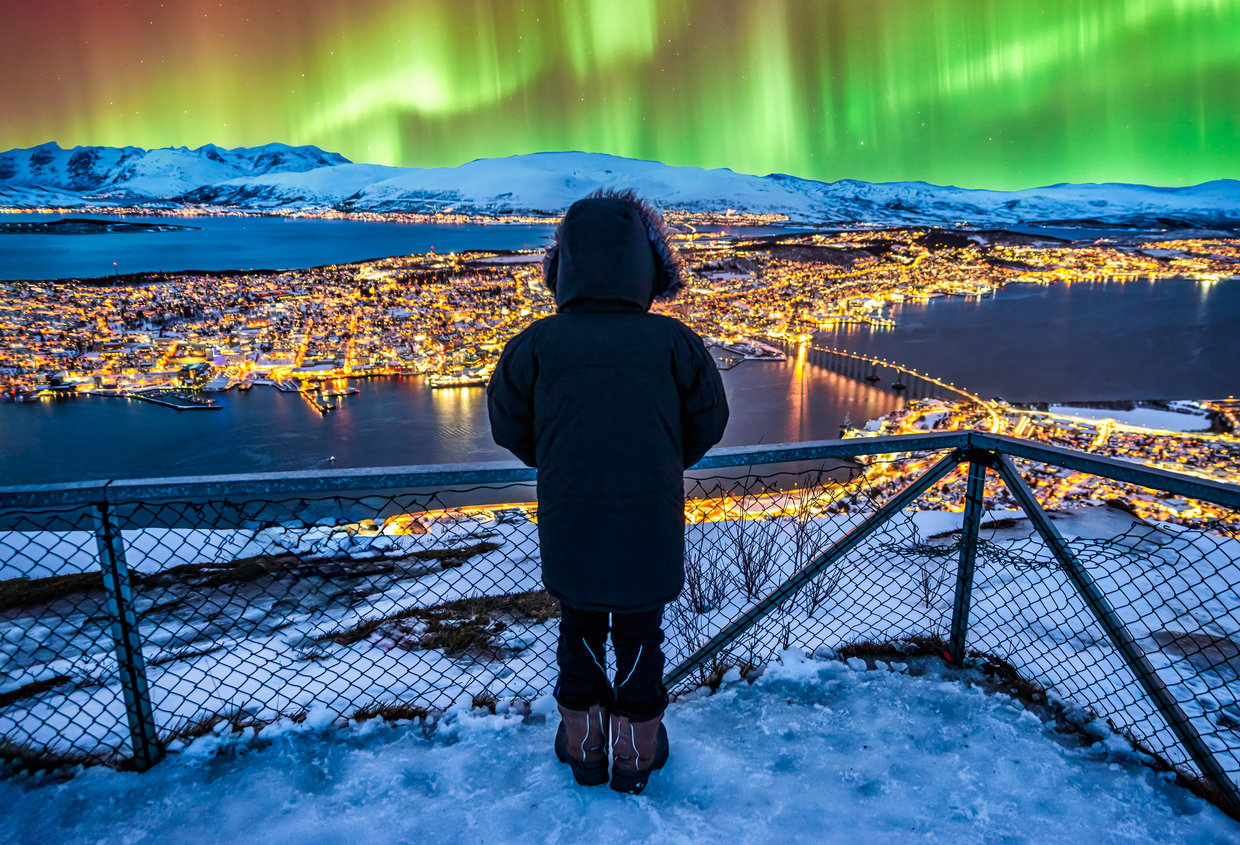
This is probably the hardest decision for many travellers.
Both Alta and Tromsø are excellent places to experience the Northern Lights. Both sit far north. Both offer access to dark landscapes and guided Aurora experiences. Both give you plenty to do during winter.
So don't choose between them based on promises that one has “better” Northern Lights.
Choose based on the trip.
Choose Alta if...
You want wilderness to be central to the experience.
Finnmarksvidda, snowmobiling, huskies, snowy valleys and active outdoor experiences are a huge part of Alta's appeal.
It feels particularly well suited to travellers who want to do something in the Arctic, not simply visit it.
Choose Tromsø if...
You want maximum convenience and choice.
Tromsø has a larger urban tourism infrastructure, extensive accommodation and restaurant options and a huge range of organised experiences.
For a first-time visitor nervous about Arctic logistics, that can be very appealing.
Which Is Better for the Northern Lights Themselves?
Both are excellent choices.
The Northern Lights are a natural phenomenon, and neither destination can guarantee them.
On one particular night, Alta could be clear while Tromsø is cloudy.
On another, the reverse could happen.
Choose the destination whose wider experience you prefer.
Lofoten or Tromsø for Northern Lights?
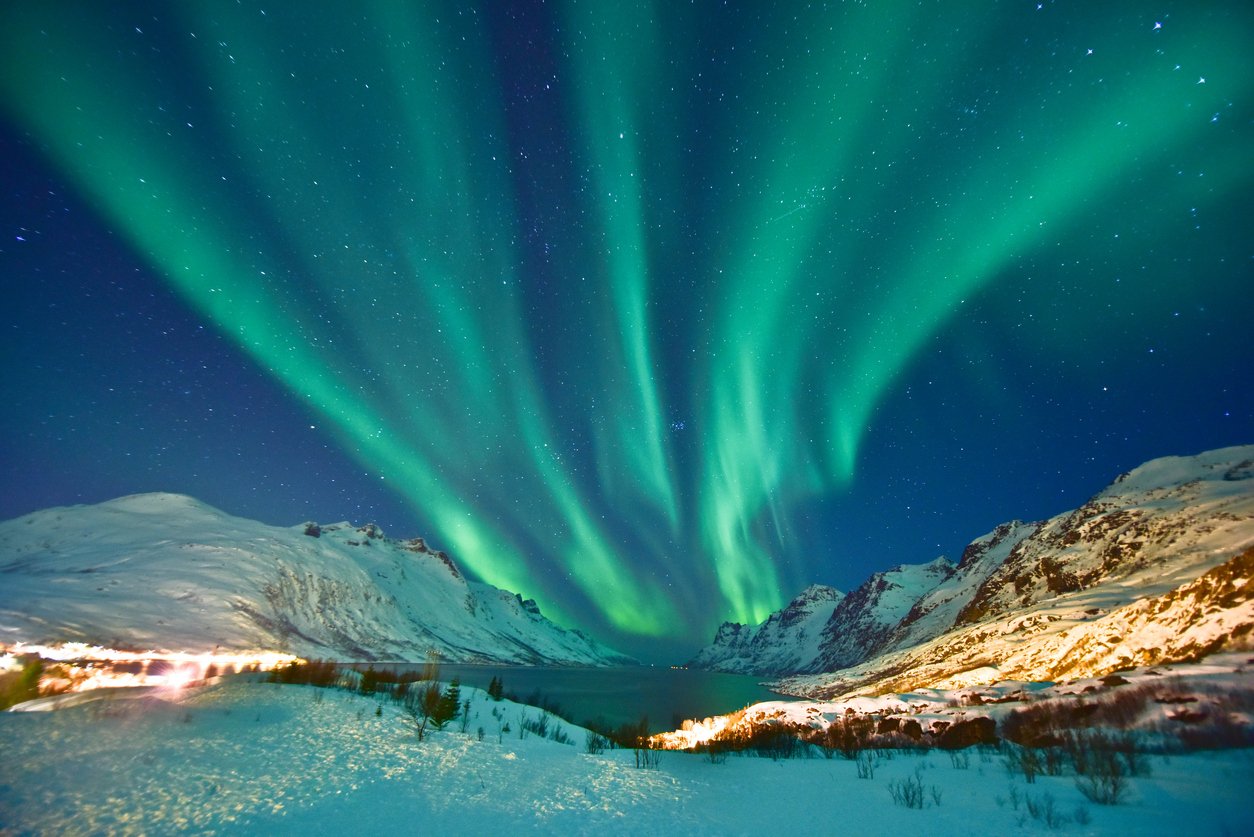
This comparison is easier.
Choose Tromsø for convenience.
Choose Lofoten for landscape.
Tromsø makes it easy to stay centrally, choose from a large selection of tours and combine Aurora evenings with restaurants, museums and other organised activities.
Lofoten rewards travellers who want the journey and landscape to be part of the experience.
For photography, we'd lean towards Lofoten.
For someone making their first short Arctic trip and wanting everything easy to organise, we'd lean towards Tromsø.
For the Aurora itself?
Both lie in excellent northern locations.
Svalbard or Mainland Norway for Northern Lights?
For most travellers whose main objective is a classic Northern Lights holiday, we'd start with mainland Northern Norway.
Alta and Tromsø make it straightforward to combine multiple Aurora opportunities with dogsledding, snowmobiling, fjords and other winter experiences.
Svalbard is different.
Go there because you specifically want:
Polar Night.
High Arctic landscapes.
A remote northern environment.
The Svalbard experience itself.
If the Northern Lights appear while you're there, fantastic.
And if you experience them during what the clock calls daytime, you've witnessed something that's difficult to replicate elsewhere.
Can You See the Northern Lights in Oslo, Bergen or Southern Norway?
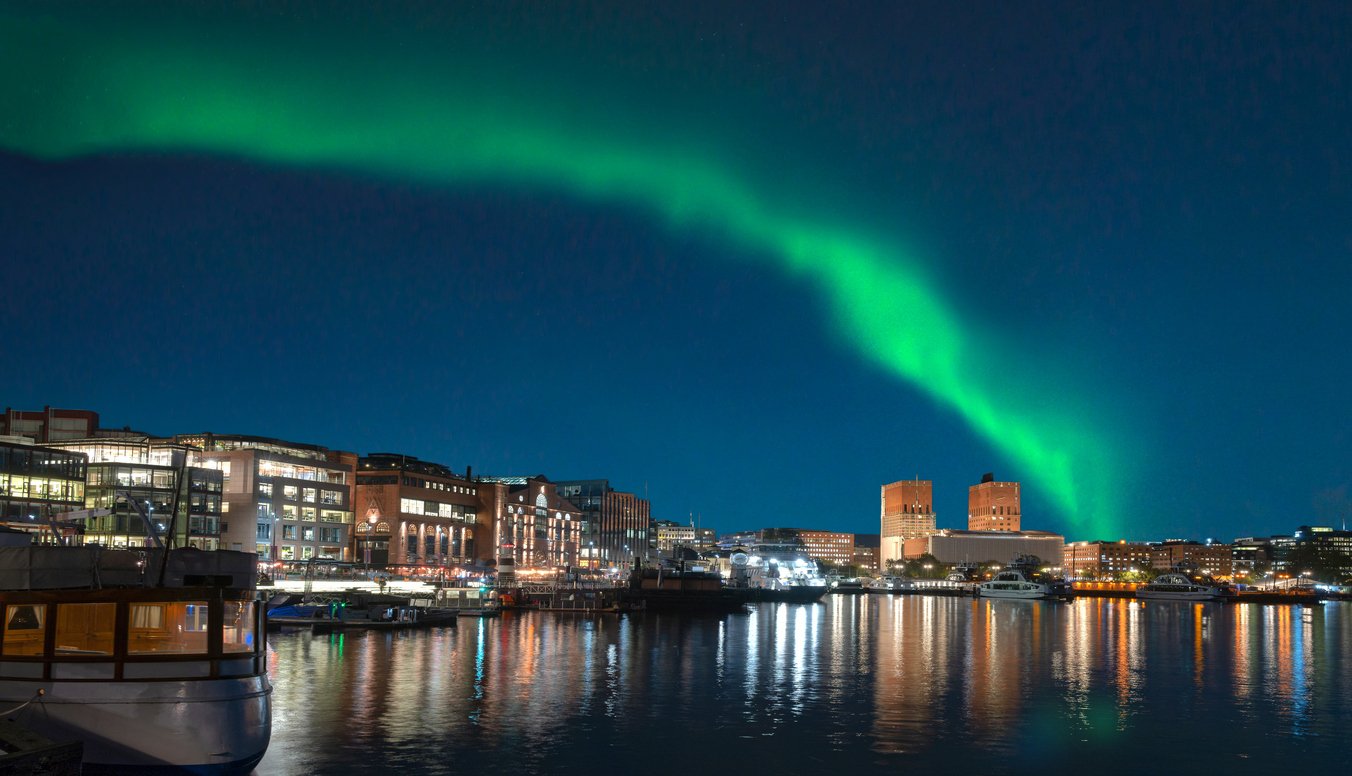
Yes, Northern Lights can occasionally be visible much farther south in Norway when geomagnetic activity is strong enough. You can see the Northern Lights in Bergen, as well as in Oslo.
But that's different from asking about the best places to see Northern Lights in Norway.
If Aurora is one of the primary reasons for your holiday, we wouldn't build your plans around Oslo or Bergen.
Travel north.
Southern Norway requires stronger activity for regular visible displays than destinations beneath the auroral oval, making sightings less dependable for someone choosing travel dates months in advance.
If you're already visiting Oslo, Bergen or the fjords and the forecast suddenly looks exciting, absolutely go outside and look.
But treat it as a bonus rather than the foundation of the trip.
For more info, feel free to check out our “Can You See the Northern Lights in Norway” article.
What Makes a Place Good for Seeing the Northern Lights?
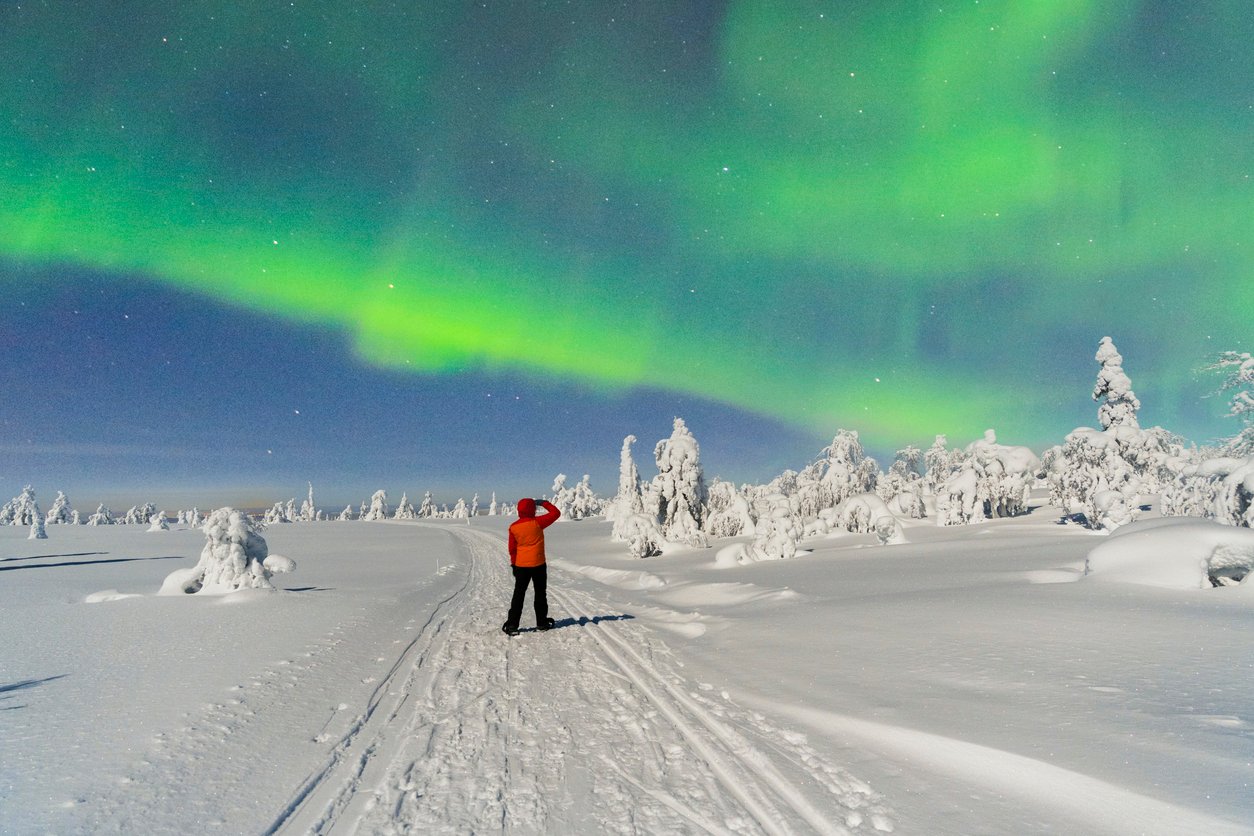
Why do some destinations work so much better for an Aurora holiday than others?
There are six things we'd consider.
1. Position Beneath the Auroral Oval
The auroral oval is the ring-shaped region around Earth's geomagnetic poles where Aurora activity is commonly concentrated.
Being beneath or near it means you don't necessarily need an extreme solar storm before Aurora can become visible.
That's the geographical advantage of Northern Norway.
2. Dark Skies
Aurora can sometimes be visible from towns, particularly when displays are strong.
But darker surroundings make weaker Northern Lights easier to see and generally create a better viewing experience.
That's why access to countryside and wilderness matters.
3. Clear Skies
This might be the most underestimated factor.
The Northern Lights occur far above normal weather systems. Cloud doesn't stop the Aurora from happening.
It simply stops you from seeing it.
That's why the “best” Northern Lights destination on paper can give you nothing on a cloudy night while somewhere else has a spectacular display.
4. Access to Different Viewing Locations
Mobility helps.
Weather can vary over relatively short distances, particularly in mountainous and coastal regions.
A destination with access to multiple viewing areas gives you options when conditions aren't ideal where you're staying.
5. Several Nights
Don't spend months researching the theoretically perfect Aurora destination and then give yourself one night.
Natural conditions vary.
Several nights give weather and Aurora activity more opportunities to align.
6. Things Worth Doing When the Aurora Doesn't Appear
This one doesn't appear on enough “best Northern Lights destinations” lists.
It should.
The best Northern Lights destination is somewhere you'd still be happy to visit if the sky stayed quiet.
Huskies.
Snowmobiles.
Mountains.
Fjords.
Photography.
Food.
Culture.
Winter wilderness.
Pick the version of the Arctic you'd actually like to experience.
Best Place to See Northern Lights in Norway by Traveller Type
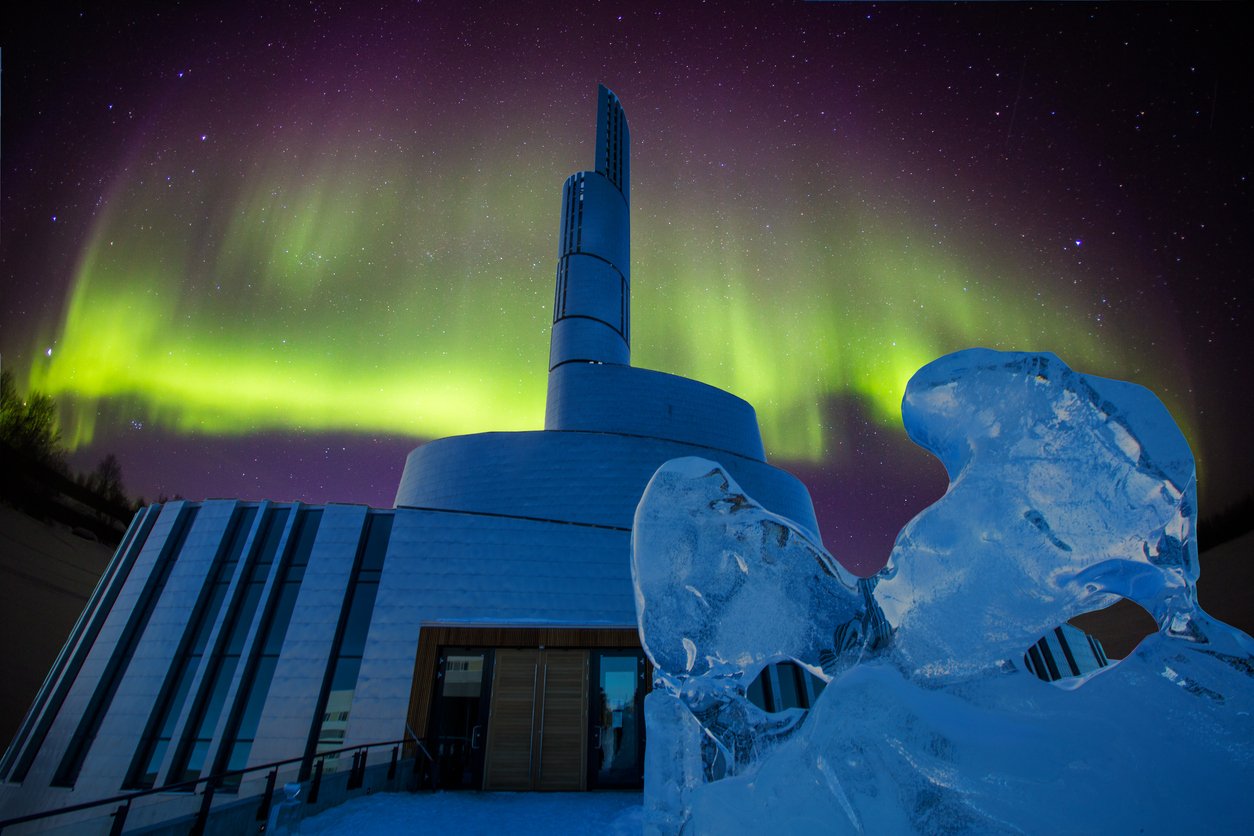
Still struggling to choose? Start with the kind of trip you want.
|
If you want... |
We'd consider... |
|
Arctic adventure |
Alta |
|
First-time convenience |
Tromsø |
|
Landscape photography |
Lofoten |
|
High Arctic experience |
Svalbard |
|
Huskies + snowmobiles + Aurora |
Alta |
|
City life + Northern Lights |
Tromsø |
|
Mountains + beaches + Aurora |
Lofoten |
|
Polar Night |
Svalbard |
|
Multi-day active holiday |
Alta |
|
Huge choice of organised tours |
Tromsø |
|
Road-trip atmosphere |
Lofoten |
|
Something completely different |
Svalbard |
There is no objective winner.
There is a better match for you.
Best Places to See the Northern Lights in Norway in 2026–2027
The best places to see the Northern Lights in Norway in 2026–2027 haven't suddenly changed because the calendar has.
Alta, Tromsø, Lofoten, Svalbard and other parts of Northern Norway remain compelling because of their geography, dark-season conditions and wider Arctic experiences.
And while solar activity changes over time, that shouldn't tempt you into treating Aurora travel like booking tickets for a scheduled performance.
Even during favourable periods of solar activity, you still need the right local conditions.
A cloudy sky can hide an extraordinary display.
A clear sky in a strong northern location can deliver an unforgettable night when an app didn't look particularly exciting.
So when planning for 2026 or 2027, we'd prioritise:
- Destination.
- Season.
- Length of stay.
- Flexibility.
- And what you actually want to do while you're there.
Not a headline promising that one particular town will have the “strongest Northern Lights of 2026.”
When Should You Visit These Northern Lights Destinations?
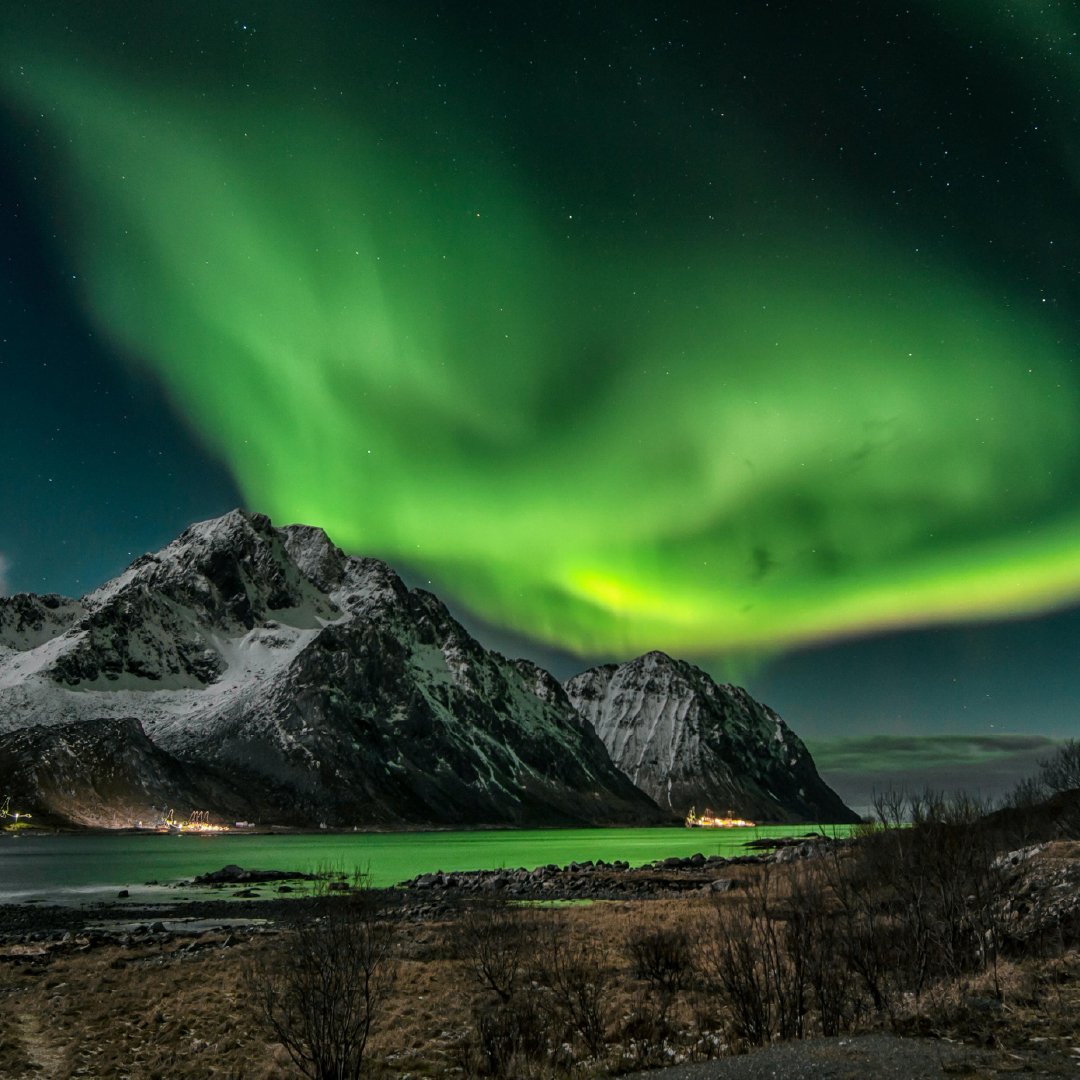
The exact viewing season varies by latitude and destination, but the common requirement is darkness.
|
Destination |
Broad Northern Lights season |
|
Alta |
Autumn to early spring |
|
Tromsø |
Late August to early April |
|
Lofoten |
Late August to around mid-April |
|
Svalbard |
Dark season / Northern Lights Winter |
Tromsø's official tourism organisation identifies late August to early April as its potential Aurora season, while Visit Lofoten gives roughly late August to mid-April for the islands.
Svalbard is different because of its extreme seasonal light cycle. Its Northern Lights Winter encompasses the dark season and Polar Night, when Aurora can potentially become visible even during daytime hours.
But where and when are different questions.
If you're deciding between September, December, February and March, see our complete guide to the best time to see the Northern Lights in Norway.
How Many Nights Should You Spend in a Northern Lights Destination?
Several.
There's no magic number that guarantees you'll see the Aurora, and we'd be suspicious of anyone claiming otherwise.
But the basic logic is simple.
One night gives you one opportunity.
Several nights give changing weather and Aurora conditions more opportunities to align.
Visit Tromsø similarly recommends allowing plenty of time rather than expecting nature to cooperate on one specific evening.
That's one reason we like multi-day Arctic trips.
You can spend your days doing things that make the journey worthwhile and keep giving yourself another opportunity after dark.
Don't optimise endlessly for the perfect place and then give yourself one night.
Should You Stay in One Place or Visit Several Northern Lights Destinations?
For most short Northern Lights holidays, we'd rather spend several nights in one excellent destination than burn half the trip travelling between Alta, Tromsø and Lofoten just to say you've visited all three.
Remember: The Northern Lights aren't a landmark.
There isn't an “Alta Aurora” you need to see before travelling to Tromsø to collect a different one.
If you have a longer Norway itinerary and genuinely want to experience multiple regions, brilliant.
But don't move every night because you think collecting more destinations automatically increases your odds.
Instead, choose somewhere you'd love to explore for several days.
Settle in.
Do things.
Watch the weather.
Look up after dark.
Do You Need a Tour at the Best Northern Lights Destinations?
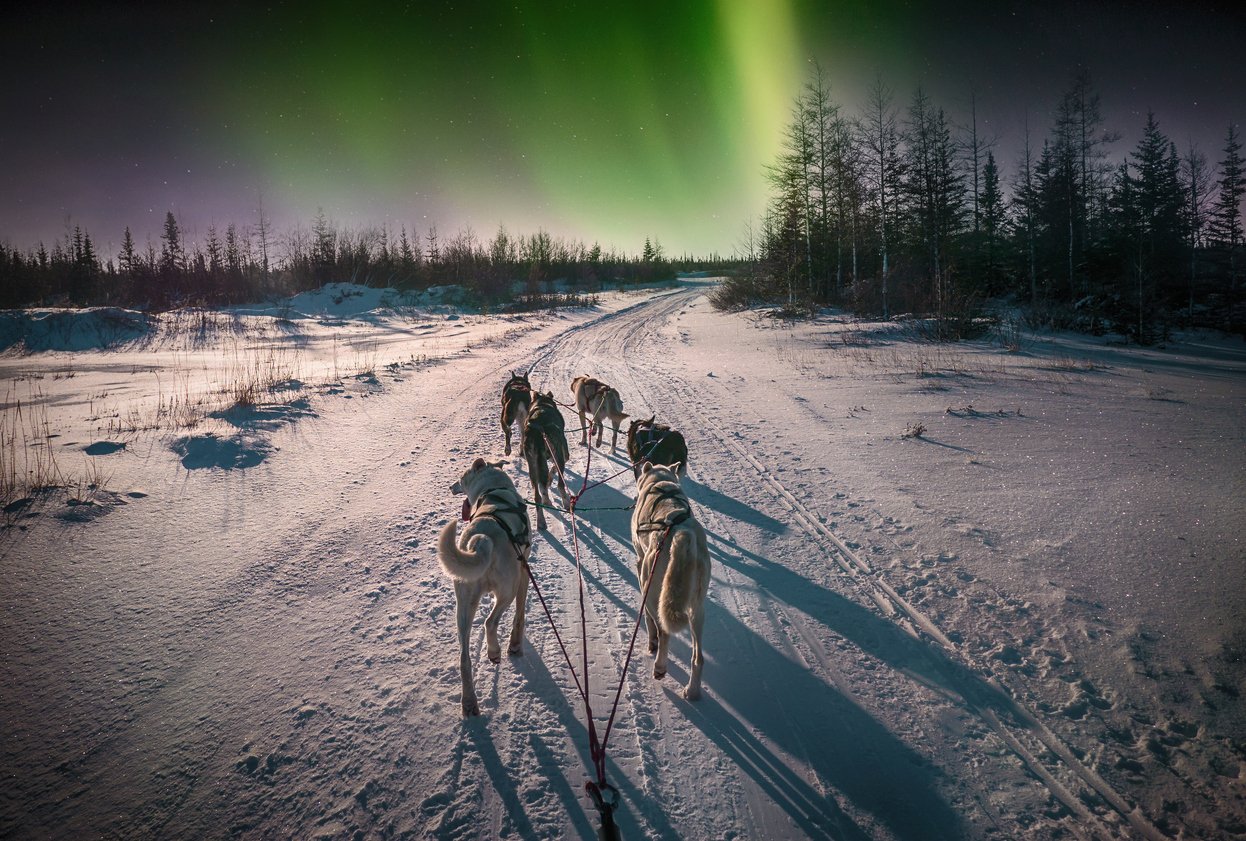
No.
The Aurora doesn't require a ticket.
If you're standing somewhere beneath a clear, dark sky and the Northern Lights appear overhead, you can see them independently.
But a guided experience can make sense.
Local guides know the surrounding area. They understand winter conditions. Dedicated searches may be able to move according to local cloud and weather patterns. And joining a tour means you don't have to drive unfamiliar Arctic roads yourself at night.
You can also combine the Aurora with an activity such as dogsledding, snowmobiling or snowshoeing.
The right choice depends on your priority.
If seeing the Aurora is everything, consider a dedicated search.
If experiencing the Arctic is everything, choose an adventure you'd love even without it.
Frequently Asked Questions About the Best Places to See the Northern Lights in Norway
What are the best places to see the Northern Lights in Norway?
The best places to see Northern Lights in Norway are primarily in the north, with Alta, Tromsø, Lofoten and Svalbard among the strongest choices.
Alta is excellent for Arctic wilderness and adventure, Tromsø for convenience and variety, Lofoten for landscapes and photography, and Svalbard for a distinctive High Arctic experience. There is no single destination that is best for every traveller.
What are the best places to see the Northern Lights in Norway in 2026?
For 2026, we'd continue to shortlist Alta, Tromsø, Lofoten and Svalbard rather than chasing claims that one destination will suddenly become the year's guaranteed “best.”
Your chances on any particular trip depend on darkness, cloud cover, Aurora activity and how many nights you give yourself.
Is Alta a good place to see the Northern Lights?
Yes. Alta's far-northern location and access to surrounding Arctic wilderness make it an excellent base for a Northern Lights holiday.
It's particularly attractive if you want to combine Aurora opportunities with dogsledding, snowmobiling, snowshoeing and Finnmarksvidda.
Can you see the Northern Lights in Alta, Norway?
Yes, Alta, Norway offers Northern Lights viewing opportunities throughout the dark season when Aurora activity, darkness and weather conditions cooperate.
You can choose between dedicated searches and Arctic activities where seeing the Aurora is an added possibility.
Is Alta or Tromsø better for Northern Lights?
Both are excellent Northern Lights destinations, so we'd choose according to the wider holiday you want.
Alta is particularly strong for wilderness and active Arctic adventure, while Tromsø offers a larger city, extensive tourism infrastructure and an enormous range of organised tours.
Is Tromsø a good place to see Northern Lights?
Yes. Tromsø is located directly beneath the Northern Lights oval and is one of Norway's best-established Aurora destinations.
Its combination of Arctic geography, city infrastructure and access to surrounding darker landscapes makes it particularly easy for first-time visitors.
Can you see Northern Lights from Tromsø city?
Yes. Northern Lights can sometimes be visible from Tromsø city when conditions are suitable.
However, darker surroundings generally make viewing easier, and guided searches often travel beyond the city in search of clearer skies and suitable viewing locations.
Where is the best place near Tromsø to see Northern Lights?
Rather than choosing one supposedly perfect spot months in advance, look for somewhere with clear skies, a broad view and relatively little artificial light.
Local conditions change from night to night, which is one reason guided Aurora searches around Tromsø can be useful.
Can you see Northern Lights in Lofoten?
Yes. The Lofoten Northern Lights season broadly runs from late August until around mid-April, when the islands have sufficiently dark skies.
Lofoten's position within the auroral zone makes it a strong destination, particularly for travellers interested in landscape photography.
Is Lofoten good for Northern Lights?
Yes. Lofoten combines a high northern latitude with mountains, beaches, fishing villages and relatively dark landscapes, making it an exceptional setting for seeing and photographing the Aurora.
Choose Lofoten because you want the islands and landscapes themselves, not because the Northern Lights are guaranteed.
Is Tromsø or Lofoten better for Northern Lights?
Choose Tromsø for convenience and organised tourism infrastructure and Lofoten for landscapes and photography.
Both are well located for the Northern Lights, so the better destination depends more on the kind of Arctic holiday you want than on the Aurora itself.
Where can you see Northern Lights in the Lofoten Islands?
Look for locations with dark surroundings and an open view of the sky. Visit Lofoten highlights the sparsely populated northern coast and its beaches as useful places to begin an Aurora search.
Weather and cloud conditions can vary, so don't become attached to one exact viewpoint.
Can you see Northern Lights in Svalbard?
Yes. Northern Lights in Svalbard can be visible during the dark season when conditions cooperate.
The destination is particularly unusual during Polar Night, when sufficiently dark daytime skies can create opportunities to see Aurora even in the middle of the day.
Is Svalbard good for Northern Lights?
Yes, but we'd choose Svalbard primarily because you want a High Arctic experience rather than because you assume farther north automatically means better Aurora.
Polar Night, Arctic landscapes and Svalbard itself are the real reasons to make the journey.
Is Svalbard better than Tromsø for Northern Lights?
Not automatically.
Tromsø sits beneath the auroral oval and offers an exceptionally established Northern Lights tourism infrastructure, while Svalbard provides a much more remote High Arctic experience. Choose according to the trip you want rather than simply choosing the northernmost destination.
Can you see Northern Lights during the day in Svalbard?
Yes, potentially.
During Polar Night, the sun remains sufficiently far below the horizon that the sky can remain dark during normal daytime hours. Visit Svalbard specifically notes that this creates the possibility of seeing Northern Lights in the middle of the day.
What is the northernmost place to see Northern Lights in Norway?
Svalbard lies far north of mainland Norway and offers Northern Lights experiences during its dark season.
However, the northernmost destination is not automatically the best place to see the Northern Lights because Aurora visibility depends on the auroral oval, weather, darkness and geomagnetic conditions.
Do you need to go above the Arctic Circle to see Northern Lights in Norway?
No. Northern Lights can occasionally become visible much farther south during sufficiently strong geomagnetic activity.
But if seeing the Aurora is a major reason for your holiday, travelling to Northern Norway gives you a much stronger basis for planning around it.
Can you see Northern Lights in Oslo?
Yes, occasionally, but Oslo isn't one of the places we'd recommend for a dedicated Northern Lights holiday.
If seeing the Aurora is important, travel north rather than relying on unusually strong activity reaching Southern Norway.
Can you see Northern Lights in Bergen?
Yes, strong Aurora displays can occasionally be visible from Bergen and elsewhere in Western Norway.
But Bergen isn't one of the best places in Norway to see Northern Lights consistently enough to build an Aurora-focused holiday around it.
Is Northern Norway the best part of Norway for Northern Lights?
Yes, if seeing the Aurora is one of your main travel goals, Northern Norway is where we'd focus.
Destinations beneath or near the auroral oval can experience Northern Lights without requiring the extreme geomagnetic activity usually needed for displays much farther south.
Where in Norway has the least light pollution for Northern Lights?
There isn't one useful absolute answer because there are vast areas of sparsely populated Northern Norway with very dark skies.
Instead of searching for the single darkest location in the country, choose a strong northern destination with easy access to countryside or wilderness away from artificial light.
Is it better to see Northern Lights from a city or wilderness?
You can see strong Northern Lights from cities, but darker surroundings generally make subtle Aurora easier to appreciate and create a better overall viewing environment.
Wilderness also gives you more interesting foregrounds, fewer artificial lights and a completely different atmosphere.
Is Alta less crowded than Tromsø for Northern Lights?
Tromsø is a major and highly established Arctic tourism destination with an enormous selection of Northern Lights experiences.
Alta offers a smaller-city alternative with extensive surrounding wilderness. Rather than promising you'll encounter no other visitors, we'd choose Alta if a smaller-scale Arctic setting appeals to you.
Which Norwegian Northern Lights destination is easiest to reach?
For many international travellers, Tromsø is one of the most straightforward options because it combines established air connections with extensive accommodation and tourism infrastructure.
But accessibility depends heavily on where you're travelling from and how the destination fits into the rest of your Norway itinerary.
Which Northern Lights destination is best for families?
Alta and Tromsø can both work well for families because Northern Lights opportunities can be combined with other Arctic activities.
The better choice depends on children's ages, activity requirements and whether your family prefers organised city-based logistics or a more wilderness-focused holiday.
Which Northern Lights destination is best for photographers?
We'd put Lofoten particularly high on the list because of the extraordinary landscape surrounding the Aurora.
Mountains, beaches, fishing villages and the sea give photographers an enormous range of foregrounds, although Alta, Tromsø and Svalbard can all provide spectacular photography too.
Which Northern Lights destination is best for dogsledding and Aurora?
Alta and Tromsø are both strong options if you want to combine dogsledding with Northern Lights opportunities.
Alta is particularly attractive if you want huskies to be part of a wider wilderness-focused trip involving Finnmarksvidda and other active Arctic adventures.
Which Northern Lights destination is best for snowmobiling and Aurora?
Alta is one of our strongest recommendations for combining snowmobiling with the possibility of seeing the Northern Lights.
The surrounding Arctic wilderness and access towards Finnmarksvidda make snowmobiling a natural part of a winter stay rather than simply an add-on.
Which destination is best for a multi-day Northern Lights holiday?
Alta is particularly well suited to an active multi-day Northern Lights holiday because you can combine several nights of Aurora opportunities with dogsledding, snowmobiling, snowshoeing, whale watching and time in Arctic wilderness.
Tromsø is another excellent choice if you prefer a city base with a huge range of organised experiences.
How many nights should I stay?
Give yourself several nights if seeing the Northern Lights matters to you.
There is no number that guarantees a sighting, but additional nights give weather and Aurora conditions more opportunities to align. Tromsø's official tourism organisation likewise recommends allowing plenty of time.
Are the Northern Lights guaranteed anywhere in Norway?
No.
Not in Alta. Not in Tromsø. Not in Lofoten. Not in Svalbard.
The Northern Lights are a natural phenomenon, and visibility in Norway, as well as in Iceland and other destinations, depends on Aurora activity, darkness, cloud cover and local conditions.
Should I choose my destination based on the Aurora forecast?
Not months in advance.
Aurora forecasts can be useful once you're travelling, but they aren't a sensible way to choose between Alta, Tromsø or Lofoten for a holiday far into the future.
Choose a strong northern destination and give yourself several nights instead.
What is the overall best place to see Northern Lights in Norway?
For most first-time Northern Lights travellers, we'd start by comparing Alta and Tromsø.
Choose Alta for wilderness and active Arctic adventure and Tromsø for city convenience and the widest tourism infrastructure.
Choose Lofoten if landscape photography is your priority, and Svalbard if you're specifically looking for a High Arctic experience.
There is no single winner.
Choose the Arctic Experience, Not Just the Aurora
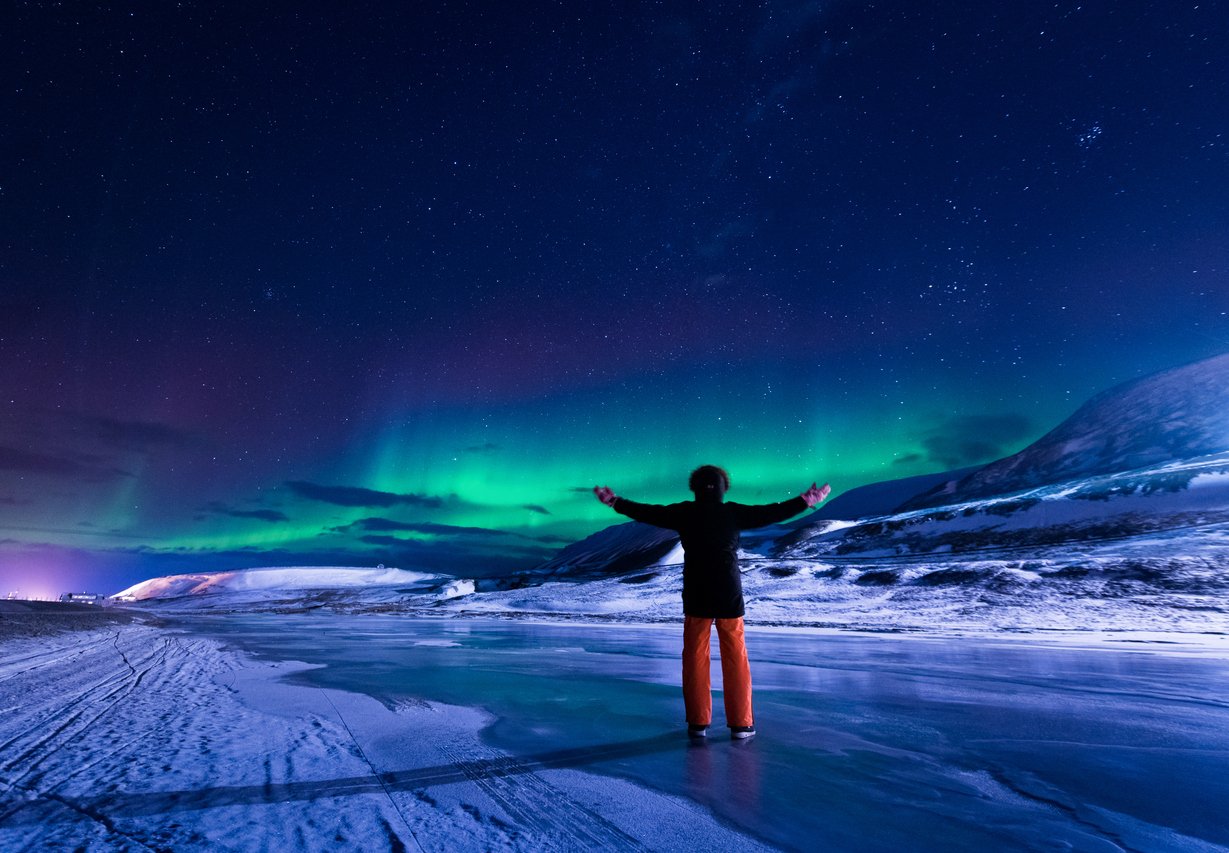
Searching for the best places to see the Northern Lights in Norway can make it sound as though there's one secret spot where the sky performs on command.
There isn't.
Alta, Tromsø, Lofoten and Svalbard can all offer extraordinary Northern Lights experiences.
The difference is what happens around them.
Choose Alta for Arctic wilderness and adventure.
Choose Tromsø for convenience and variety.
Choose Lofoten for extraordinary landscapes.
Choose Svalbard for the High Arctic.
Then give yourself several nights, spend your days experiencing the place you've chosen and keep looking up after dark.
Because the best Northern Lights destination isn't simply somewhere the Aurora might appear.
It's somewhere you'd be excited to travel to even if it didn't.