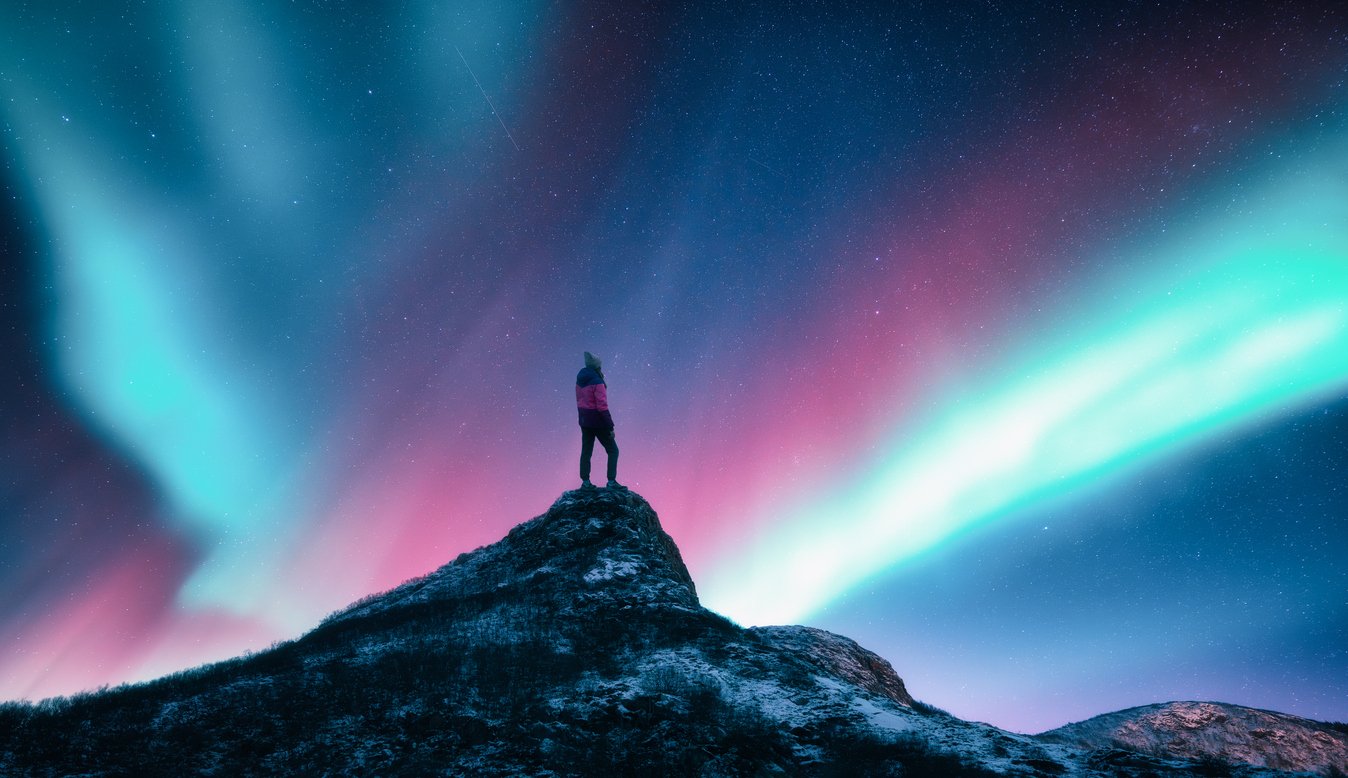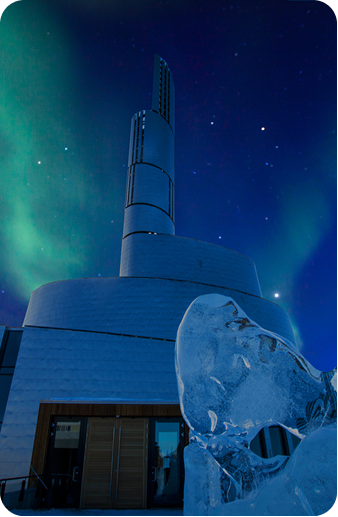
Let’s not overcomplicate this: yes, you can see the Northern Lights in Norway, and Northern Norway is one of the world's best-known places to experience the Aurora Borealis.
Head far enough north and you'll enter the auroral zone, where the Northern Lights can appear even when solar activity isn't particularly extreme. Destinations such as Alta, Tromsø, Lofoten and Svalbard all offer opportunities to experience them, while strong displays can occasionally be seen much farther south in Norway too.
But being in Norway isn't enough on its own.
You need darkness. You need sufficiently clear skies. You need Aurora activity. And, perhaps most importantly, you need a little patience.
|
Question |
Quick answer |
|
Can you see the Northern Lights in Norway? |
Yes |
|
Where are your best opportunities? |
Northern Norway |
|
When can you see them? |
Generally autumn through early spring |
|
Popular destinations |
Alta, Tromsø, Lofoten and Svalbard |
|
Are they guaranteed? |
No |
|
Can you see them in Southern Norway? |
Sometimes, particularly during stronger activity |
|
Do you need a tour? |
No, but a guided experience can help |
Here's what you actually need to know before building a trip around them.
Where Can You See the Northern Lights in Norway?
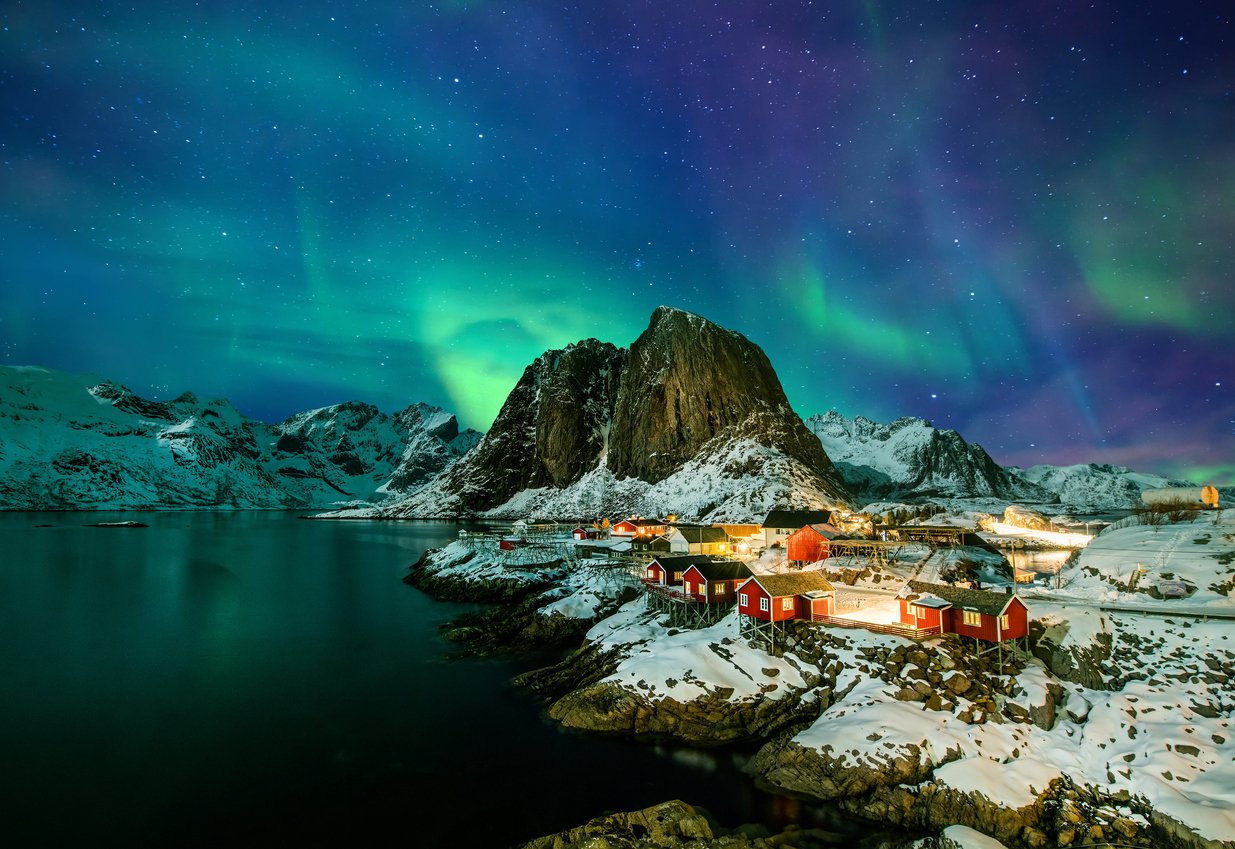
Technically, the answer is much of Norway under the right circumstances.
Practically, it's Northern Norway you should be looking at if seeing the Aurora is an important reason for your trip.
The Aurora is most commonly visible in a belt around Earth's magnetic north pole known as the auroral zone. That zone passes across Northern Scandinavia, putting Northern Norway in an excellent position for regular displays.
That's why destinations hundreds of kilometres apart can all offer excellent Aurora opportunities.
The more useful question is actually “Where would I most like to spend several days in the Arctic?”, not “Where is the one best place?”
Because the Northern Lights are never guaranteed, what you can experience before darkness falls matters too.
Northern Lights in Alta, Norway
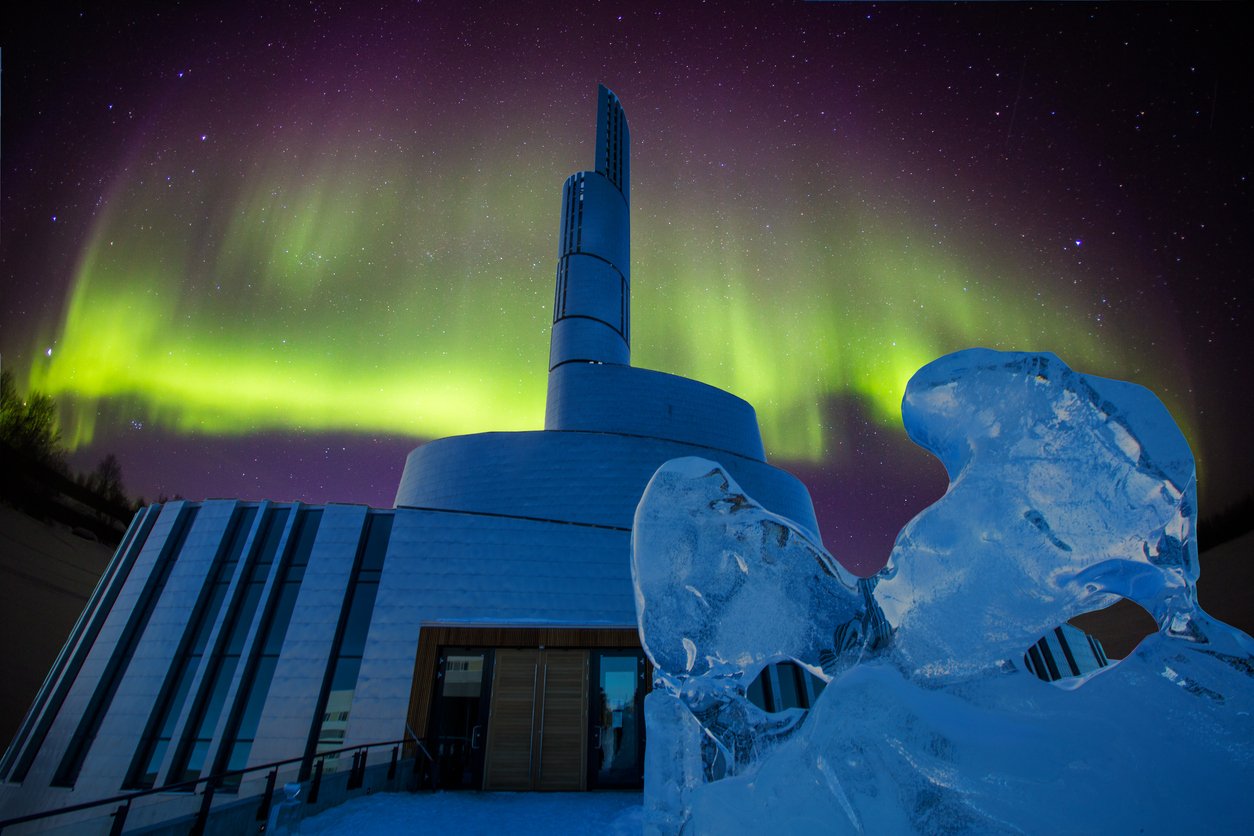
Alta sits far north in Finnmark. It has access to snowy valleys and the vast landscapes of Finnmarksvidda. That creates a very different kind of Northern Lights holiday from simply standing at a viewpoint near a city.
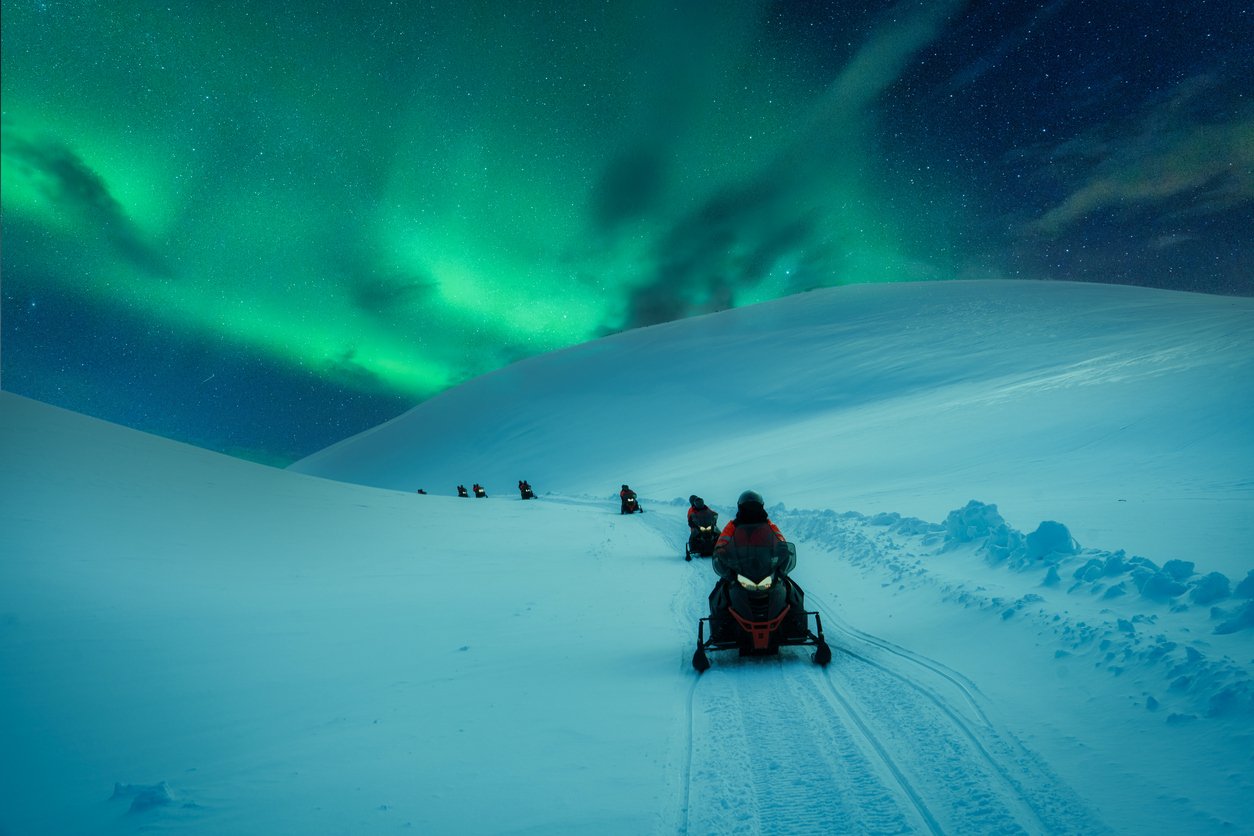
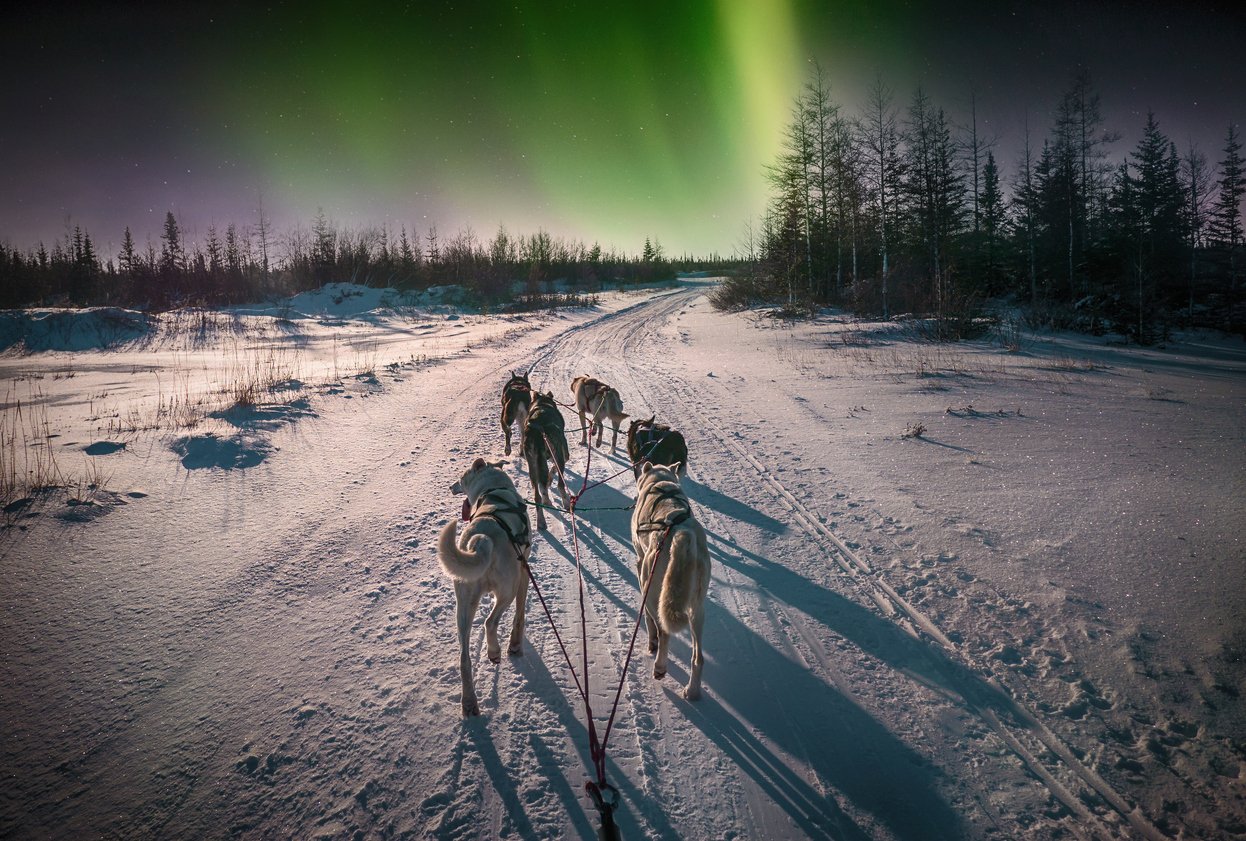
You can spend your days dogsledding through a winter valley, crossing Arctic landscapes by snowmobile or exploring on snowshoes. When darkness arrives, you can turn your attention towards the sky.
There are also several ways to build the Aurora into an Alta trip.
If seeing the lights is your main objective, choose a dedicated Northern Lights search designed around looking for favourable conditions. If you want the evening itself to be an adventure, you can combine the possibility of seeing the Aurora with huskies, snowmobiling or snowshoeing.
That distinction matters.
One experience is about searching for the Northern Lights. The other is about having an Arctic adventure beneath a sky that might produce them. To learn more, check out our complete guide on Alta, Norway Northern Lights.
Northern Lights in Tromsø, Norway
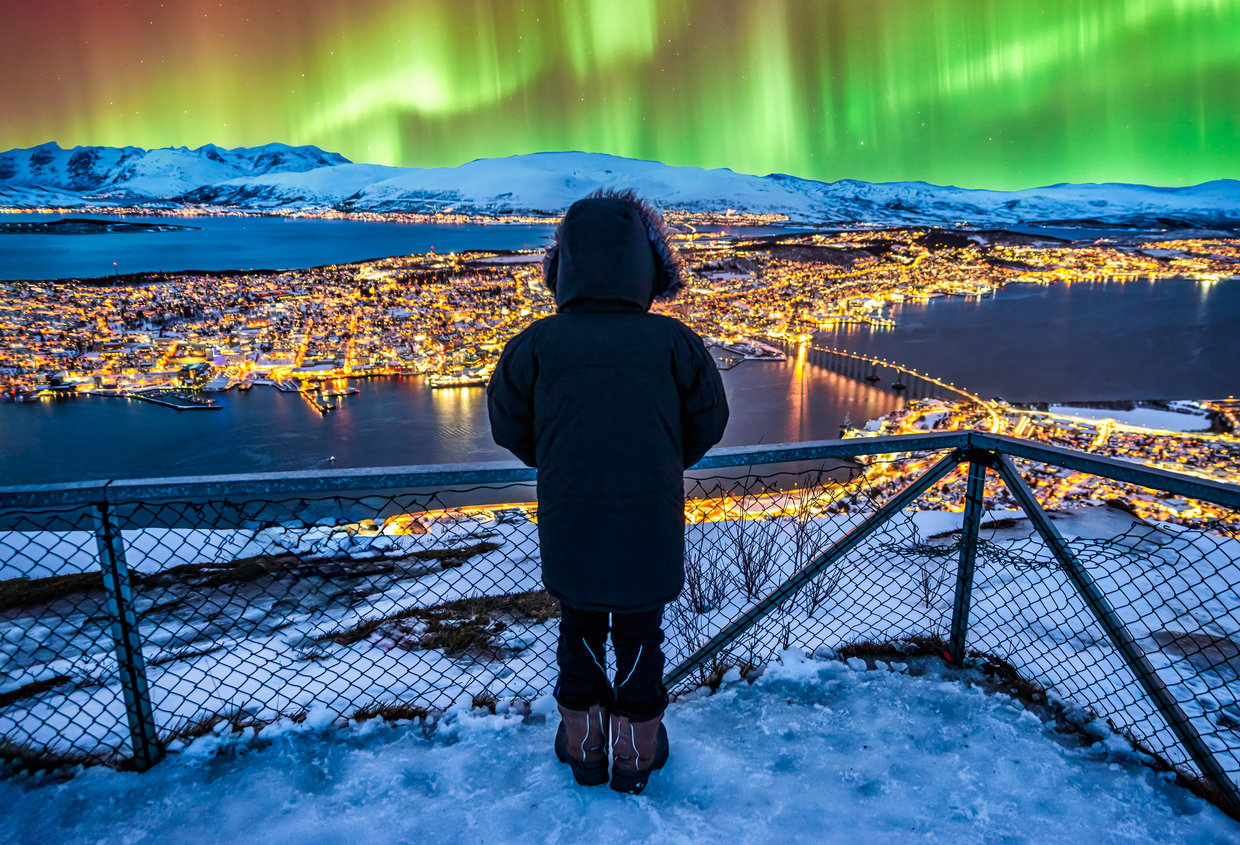
Tromsø is probably the name you'll encounter most often when researching where you can see the Northern Lights in Norway.
Tromsø lies directly beneath the Northern Lights oval, and the potential viewing season runs from late August to early April when the sky is sufficiently dark and clear.
Seeing the Northern Lights in Tromsø also offers you a useful combination: Arctic city and Arctic nature.
You can stay somewhere with restaurants, museums and city life, then leave the brighter urban areas behind when you want darker surroundings and more open skies.
That makes Tromsø particularly straightforward for first-time visitors who want a large choice of winter activities alongside their Northern Lights experience.
Northern Lights in Lofoten, Norway
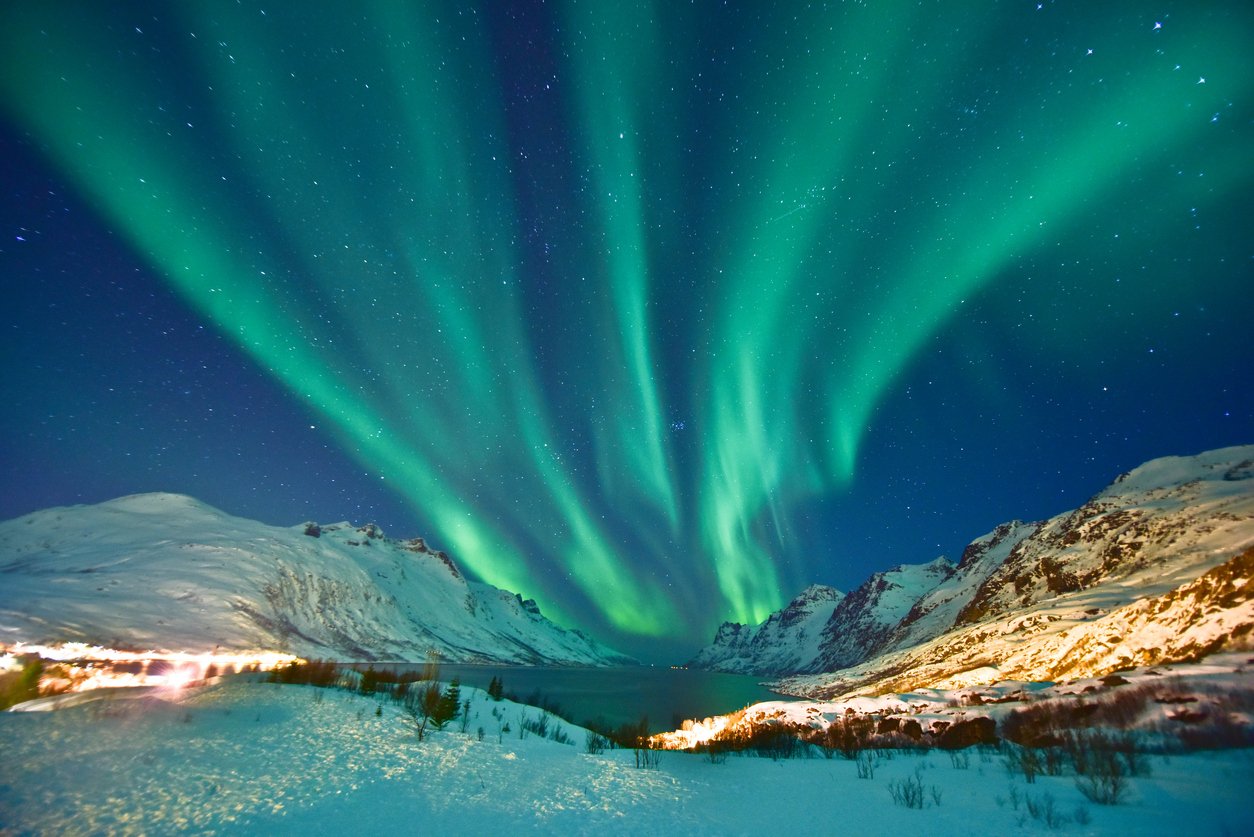
Yes, you can see the Northern Lights in Lofoten, Norway.
The islands lie above the Arctic Circle, and their dramatic combination of mountains, beaches, fishing villages and open sea makes them particularly attractive to travellers interested in landscape photography.
Locals all say that September through March is Lofoten's main winter Aurora period.
Lofoten isn't simply an alternative version of Tromsø or Alta, though. Choose it because you want the islands themselves.
If the Aurora appears above those mountains and beaches, even better.
Northern Lights in Svalbard, Norway
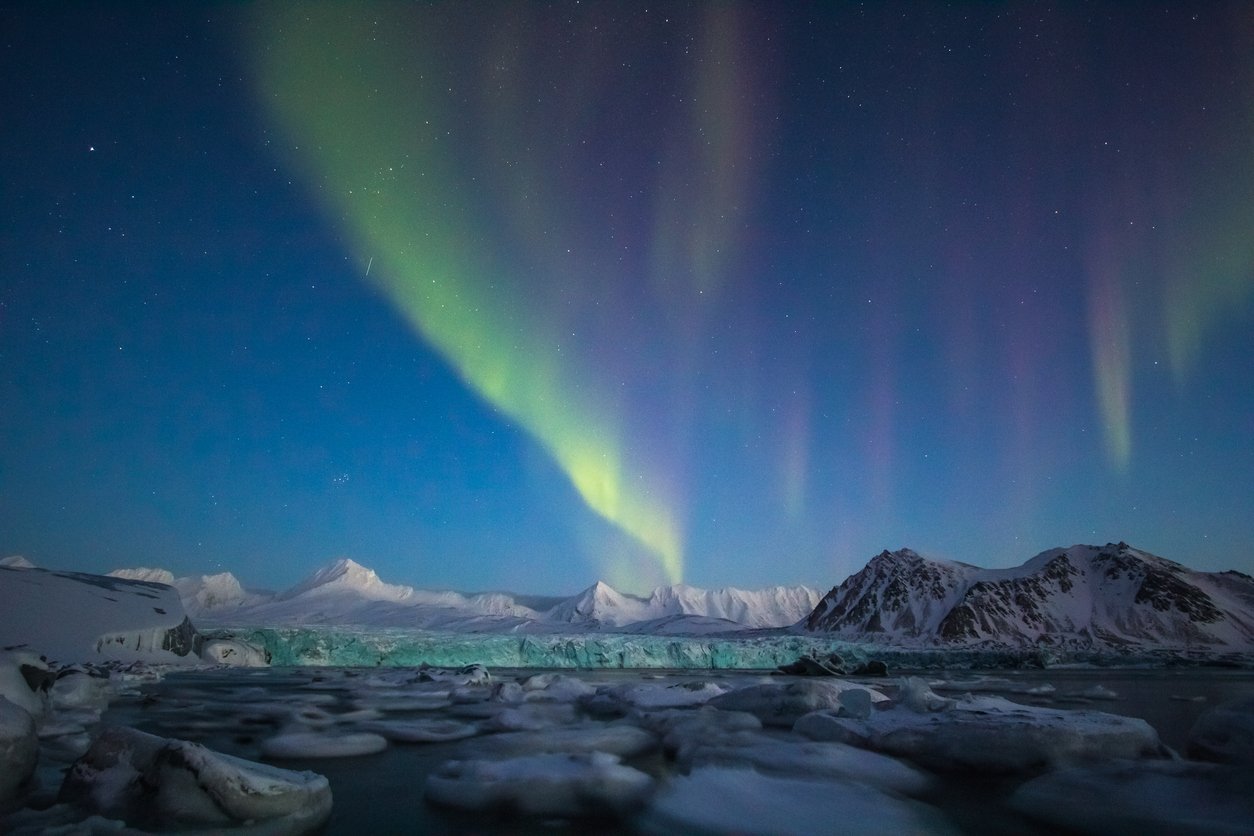
You can also see the Northern Lights in Svalbard, Norway, but this is a very different Arctic trip.
Svalbard lies much farther north than mainland Norway. During the darkest period of Polar Night, the sun stays sufficiently far below the horizon that there may even be opportunities to see the Northern Lights during what the clock calls daytime. There’s only 40 km of road there, and planning a trip there all by itself can be extremely difficult.
That's unusual.
For most destinations, “Can you see the Northern Lights during the day?” has a simple answer: not if daylight makes the sky too bright.
Svalbard's Polar Night changes that equation.
But don't choose Svalbard purely because it's farther north. It's a distinct High Arctic destination with its own logistics, environment and experiences. Go there because you want Svalbard, not because you assume farther north automatically means better Aurora.
Other Places to See the Northern Lights in Northern Norway
Alta, Tromsø, Lofoten and Svalbard aren't your only options.
Northern Norway stretches across a huge area, with destinations such as Senja, Lyngen, Kirkenes and other parts of Finnmark offering access to dark Arctic landscapes.
In fact, one Northern Norwegian destination isn't necessarily inherently superior to another for the Aurora. Locations across the region can experience the same Northern Lights display from different perspectives.
That gives you freedom.
Instead of choosing a destination purely because someone declared it the “best place for the Northern Lights,” choose the Arctic experience you want around them.
Can You See the Northern Lights in Southern Norway?
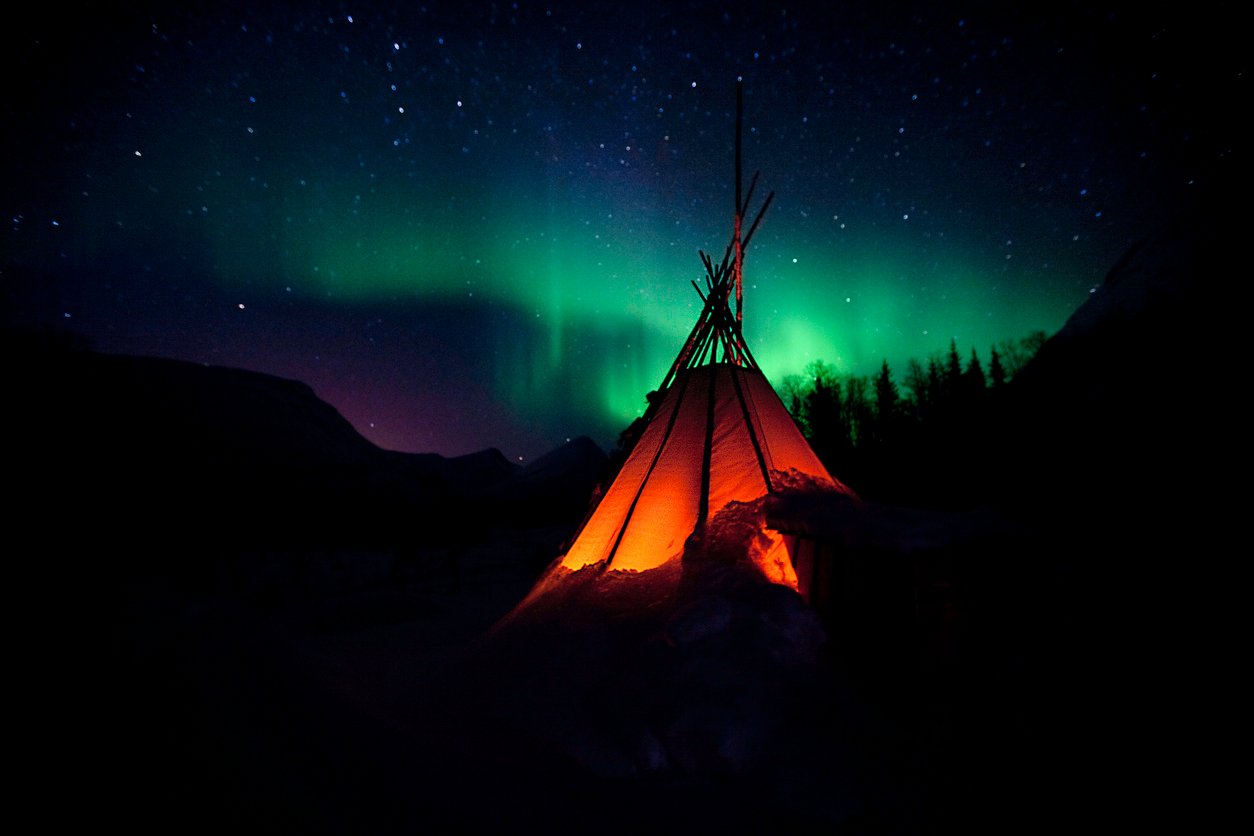
Yes, but sometimes!
The Northern Lights aren't confined by a tourism map that ends at the Arctic Circle.
During periods of increased solar activity, the auroral oval can expand and displays may become visible considerably farther south. Visit Norway notes that the Aurora is occasionally seen in Trøndelag and Southern Norway as well.
If seeing the Northern Lights is the only reason you're travelling to Norway, we'd go north.
If you're already visiting Southern or Western Norway and a strong Aurora display happens while you're there, consider yourself lucky.
Can You See the Northern Lights in Oslo?
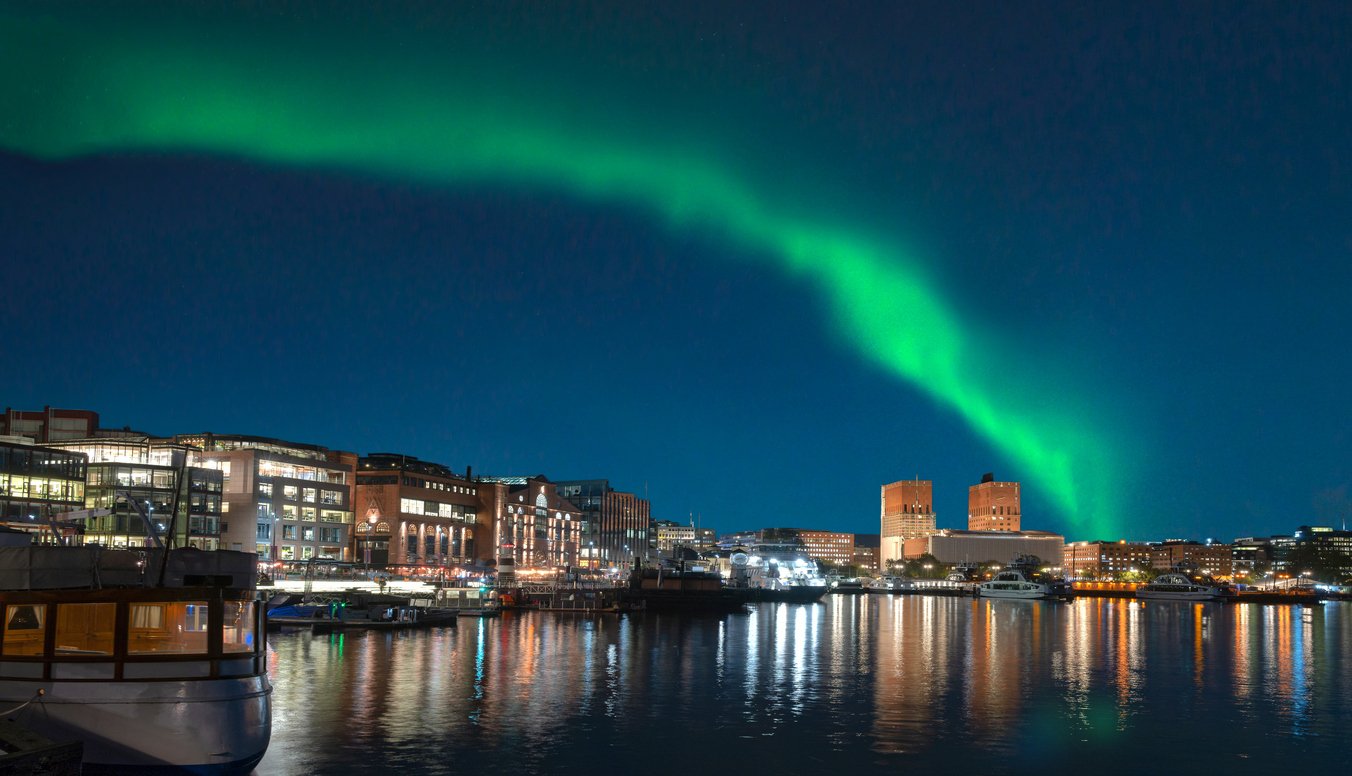
Yes, the Northern Lights can occasionally be visible around Oslo during sufficiently strong geomagnetic activity.
But Oslo is not where we'd plan a dedicated Northern Lights holiday.
It’s in the south and filled with urban light. This means sightings are much less reliable than in Northern Norway. If you're spending a few days in Oslo and the Aurora forecast suddenly looks exceptional, find somewhere with a darker sky and have a look.
Just don't make it Plan A.
Can You See the Northern Lights in Bergen?
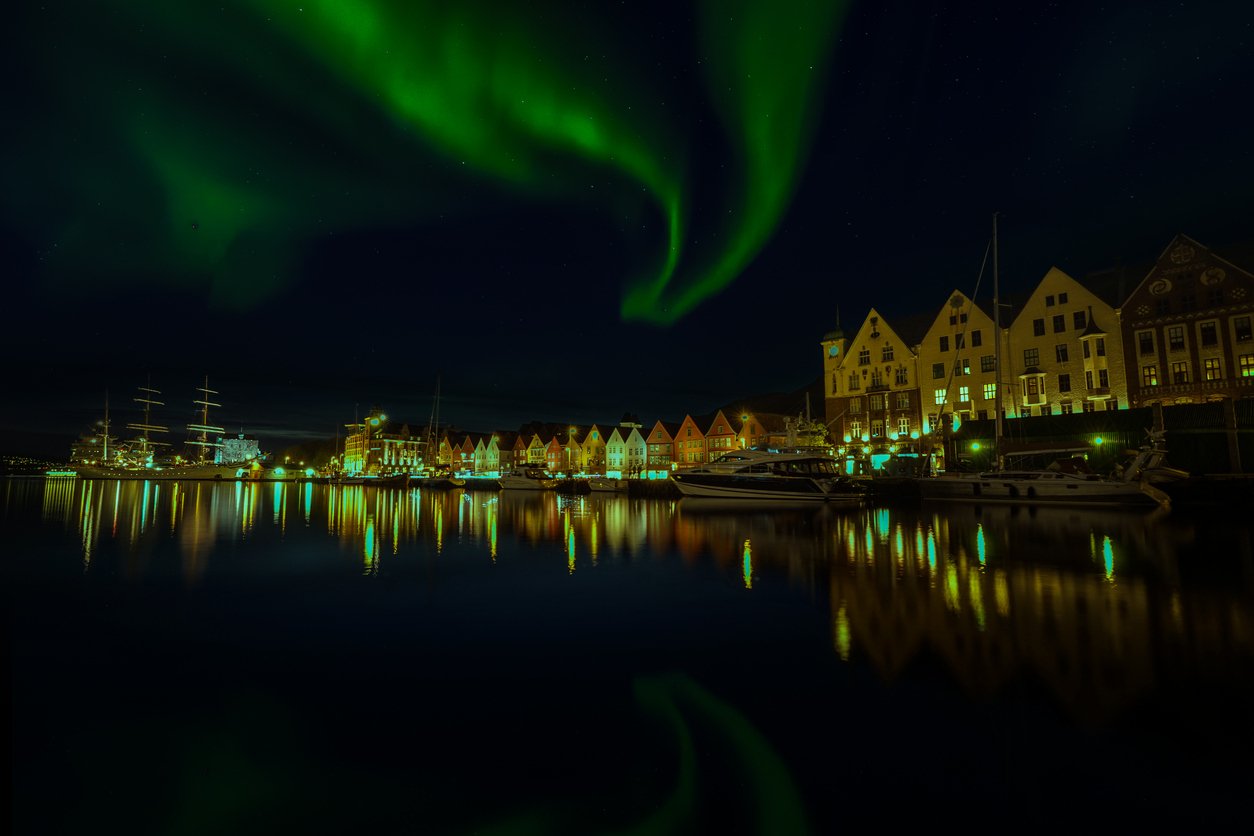
Again, yes, occasionally you can see the Northern Lights in Bergen, Norway.
Strong Aurora activity can push visible displays farther south, including Western Norway.
But Bergen is not a reliable Northern Lights destination in the same sense as Alta or Tromsø.
If you're coming to Bergen, come for Bergen: the city, fjords, mountains and gateway to Western Norway.
If the sky happens to turn green while you're there, that's a spectacular bonus.
Can You See the Northern Lights in Voss?
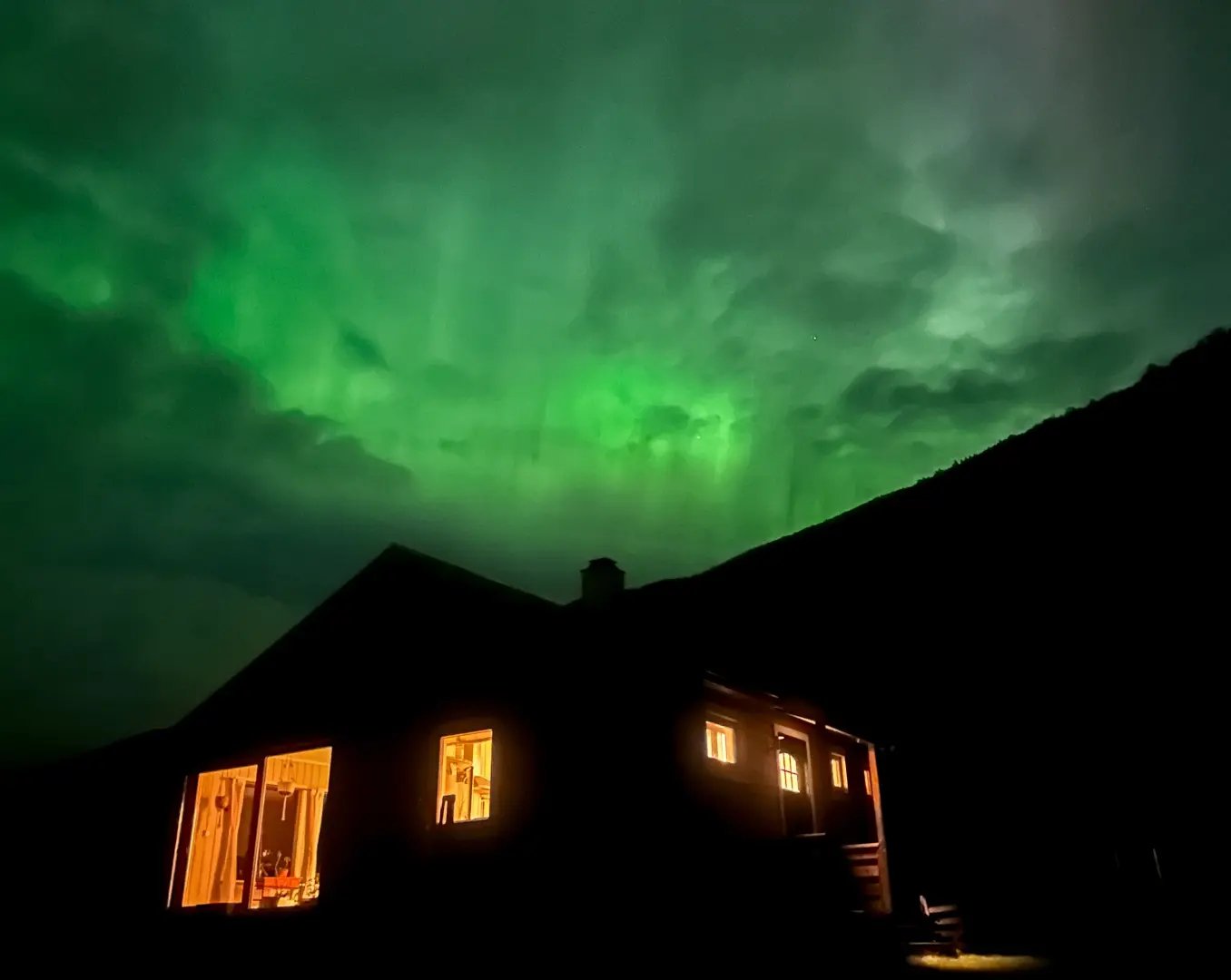
It is possible to see the Northern Lights from Voss when Aurora activity extends sufficiently far south and local conditions cooperate.
But we'd give exactly the same advice.
Don't choose Voss because your primary objective is seeing the Northern Lights.
Come to Voss for the mountains, fjords, hiking, skiing, kayaking and all the other outdoor adventures. If seeing the Aurora is one of the main reasons for your Norway trip, combine your time in Western Norway with a journey farther north.
That's a much stronger plan than hoping an unusually strong display reaches you on exactly the night you're there.
How Far North Do You Need to Go to See the Northern Lights in Norway?
.jpg?width=4753&height=3169&name=Sorrisniva%20-%20Nordlys%20-%20HUW%20(54).jpg)
You don't technically need to cross the Arctic Circle.
Aurora displays can extend much farther south during periods of stronger geomagnetic activity.
But if you're travelling specifically to see them, Northern Norway dramatically improves the logic of the trip.
The reason is the auroral oval.
This ring around Earth's geomagnetic pole is where Aurora activity is commonly concentrated, and it passes across Northern Scandinavia. Northern Norway therefore experiences Aurora far more regularly than destinations farther south.
You don't need the strongest solar storm of the year if you're already underneath the auroral zone.
That's why Alta and Tromsø make much more sense for an Aurora-focused holiday than Oslo or Bergen.
When Can You See the Northern Lights in Norway?
The main Northern Lights viewing season in Northern Norway runs through the dark months from autumn into early spring.
Depending on exactly where you travel, the potential season can begin around late August or September and continue into late March or early April. Tromsø, for example, reports possible sightings from late August through early April when skies are sufficiently dark and clear.
Here’s a simple rule of thumb:
September to October: darkness returns, but you don't necessarily have deep winter conditions.
November to January: very long Arctic nights and a full winter atmosphere, especially in December.
February to March: dark evenings remain while increasing daylight gives you more time for daytime adventures.
If timing is one of your biggest decisions, don't choose purely on the number of dark hours.
The best time to see the Northern Lights in Norway depends on whether you also want snowmobiling, dogsledding, snowshoeing, skiing, whale watching or other seasonal experiences.
Can You See the Northern Lights in Norway in Summer?
In Northern Norway, summer is generally not the time to see the Northern Lights.
And there's an interesting reason why.
The Aurora doesn't simply switch off for summer.
Aurora activity occurs throughout the year around the auroral oval. The problem is that you need a dark enough sky to see it. During the Arctic summer, the Midnight Sun and extremely long daylight hours overwhelm the light produced by the Aurora.
Around Tromsø, for example, the Midnight Sun normally lasts from late May until late July. Darker nights gradually return afterwards, with possible Aurora viewing beginning again from late August.
So:
Is the Aurora still happening in summer? Potentially.
Can you stand beneath the Midnight Sun and see it? No.
If the Northern Lights are a priority, save your Northern Norway summer trip for hiking and the Midnight Sun and come back during the dark season for the Aurora.
What Do You Actually Need to See the Northern Lights in Norway?
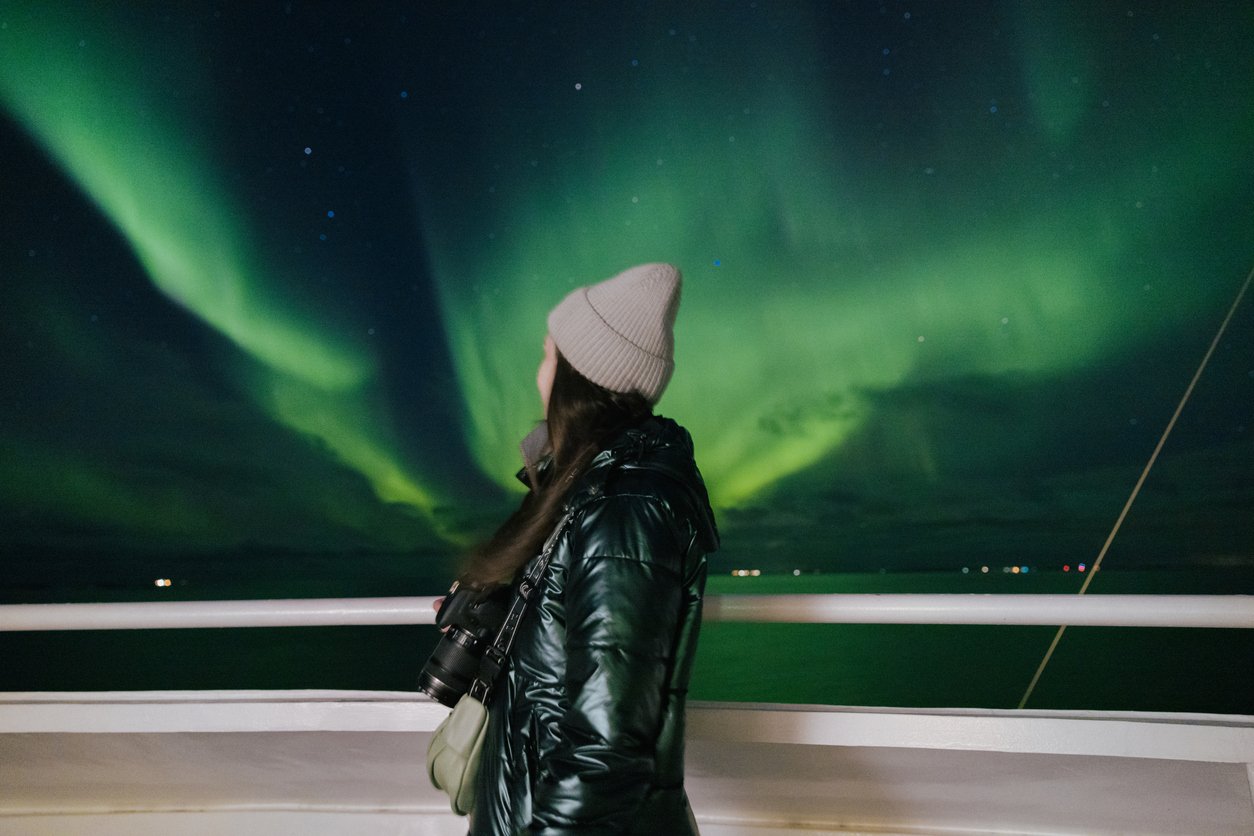
There's a tendency to make Aurora hunting sound enormously complicated.
At its core, four things matter.
1. Darkness
This is non-negotiable.
A sufficiently dark sky is why autumn, winter and early spring form the Northern Lights viewing season and why Arctic summer doesn't.
2. Clear Enough Skies
You can have spectacular Aurora activity happening above you and see absolutely nothing if you're underneath thick cloud.
The Northern Lights occur high above the weather. Clouds are much lower, which means they can simply block your view.
This is one reason local weather can matter just as much to your evening as an exciting Aurora forecast.
3. Aurora Activity
You still need the phenomenon itself.
The Northern Lights occur when charged particles originating from the sun interact with Earth's magnetic environment and upper atmosphere, producing the light we see as the Aurora Borealis.
The intensity and position of that activity changes.
4. The Right Location
You don't necessarily need to stand in complete wilderness.
But your geographic location determines how regularly the auroral oval is overhead, while your immediate surroundings affect how well you can see the sky.
Northern Norway gives you the geographical advantage.
Dark surroundings can give you the visual one.
Do You Need Snow to See the Northern Lights?
No.
The Northern Lights don't care whether there's snow beneath your boots.
Snow makes the landscape look wonderfully Arctic and is essential for activities such as snowmobiling or dogsledding, but it isn't required for the Aurora itself.
That's why you can see Northern Lights in autumn before the landscape necessarily looks like the winter postcards you've seen online.
Does It Have to Be Cold to See the Northern Lights?
No.
Cold temperatures do not cause the Aurora.
The association exists because the best viewing season in northern latitudes overlaps with autumn and winter, when nights are dark enough to see it.
A clear October evening can produce Northern Lights just as a freezing January night can.
The difference is that you might enjoy waiting outside a little more in October (unless, of course, you do the packing right for winter in Norway).
How Likely Are You to See the Northern Lights in Norway?
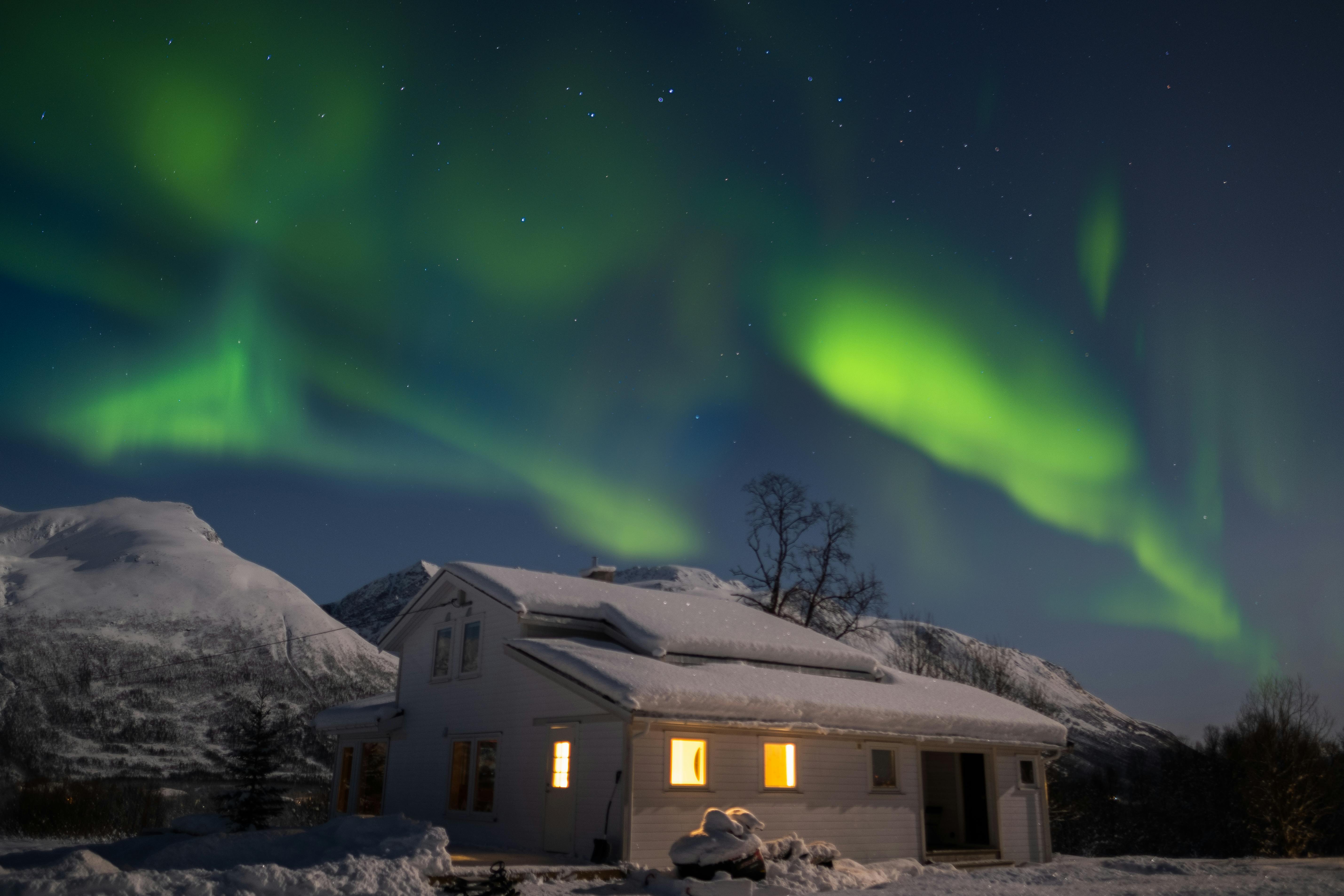
There is no useful universal percentage.
Your chances depend on where you are, how long you stay, cloud conditions and what the Aurora is doing during your visit.
Our number one tip as Norway-local tour guides is this: be sceptical of anyone presenting the Northern Lights as guaranteed.
Instead, think about increasing the number of opportunities you give yourself.
If you're in Northern Norway for one night, you have one shot.
If you're there for several nights, the weather can change. Cloud can clear. Aurora activity can increase. You can try a different location.
In other words: Think in nights, not hours.
Tromsø's official tourism organisation similarly recommends allowing plenty of time, noting that additional nights improve the possibility of weather and Aurora conditions lining up.
This is also why a multi-day Arctic holiday can make more sense than flying north for one evening and putting the entire trip on the shoulders of a natural phenomenon.
Can You See the Northern Lights Without a Tour in Norway?
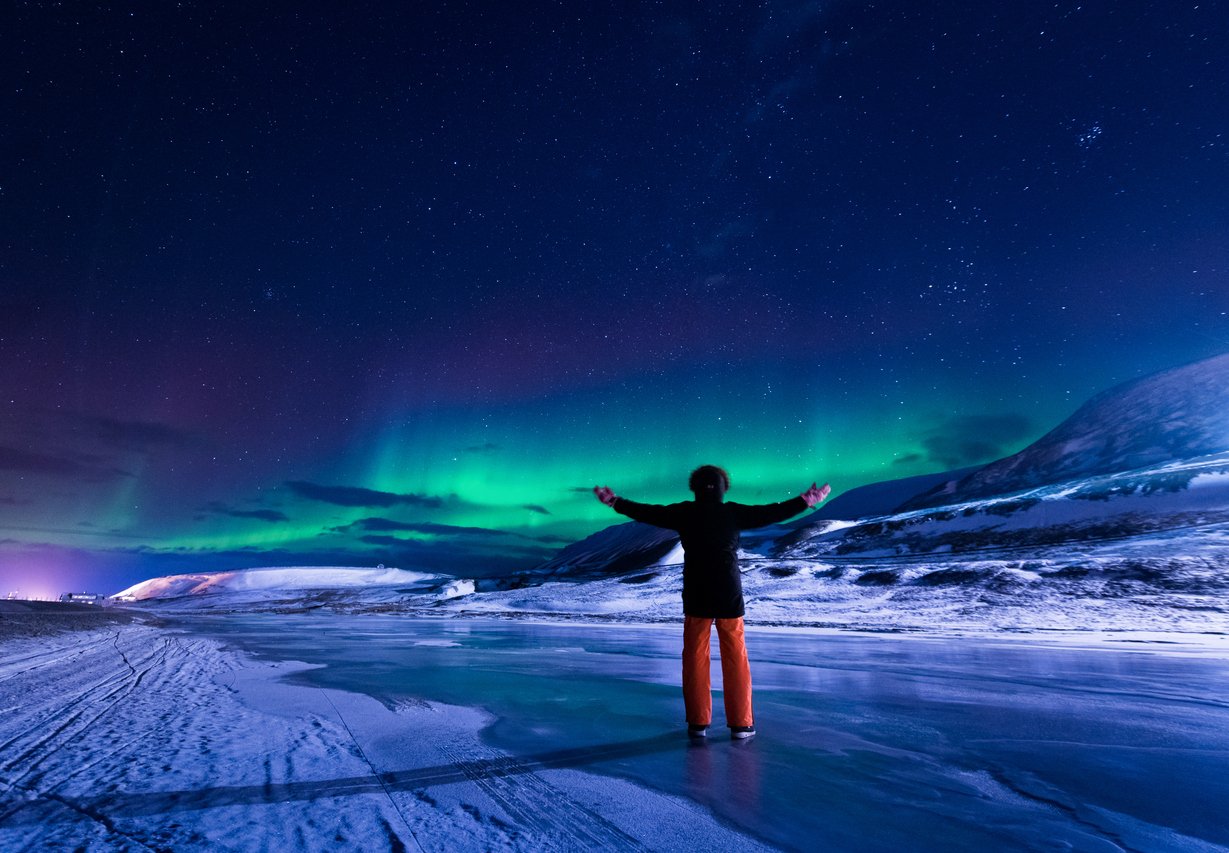
Absolutely.
You do not need a guide for the Aurora to appear.
If you're in a suitable location with a sufficiently dark, clear sky and the Northern Lights become active overhead, you can simply walk outside and see them.
So why book a tour?
Because seeing the Aurora and organising an effective Aurora search are different things.
A good local guide understands the surrounding area, winter conditions and possible viewing locations. A guided trip can also remove the need to drive unfamiliar Arctic roads yourself at night.
And some experiences aren't really “hunts” at all.
Northern Lights Chase vs Northern Lights Experience
This distinction is worth understanding before you book.
A Northern Lights chase or search makes finding favourable viewing conditions the primary objective. The route can potentially change according to cloud, weather and local conditions.
A Northern Lights experience combines the possibility of seeing the Aurora with something else.
That might mean:
- Snowmobiling through the Arctic night
- Snowshoeing through winter forest
- Spending an evening with huskies
- Sitting around a fire in the wilderness
Neither approach is automatically better.
If seeing the Northern Lights is the priority, choose an experience built around searching for them.
If you want a memorable Arctic evening whether the sky cooperates or not, choose an activity you'd be excited to do anyway.
Can You See the Northern Lights From Your Hotel in Norway?
Potentially, yes.
The Aurora doesn't know whether you've paid for a tour.
On a clear night with sufficient activity, the Northern Lights can be visible from towns and accommodation across Northern Norway. For example, the Aurora can sometimes be visible from Tromsø city itself.
But artificial light can make weaker displays harder to appreciate.
Getting somewhere darker generally gives your eyes a better chance to pick up subtle Aurora activity and can make for a much better experience, particularly if you want photographs.
So if your hotel is somewhere dark with an open view of the sky, check outside regularly.
One of the joys of staying several nights in the Arctic is that sometimes the most memorable moment isn't scheduled at all.
What Do the Northern Lights Actually Look Like?
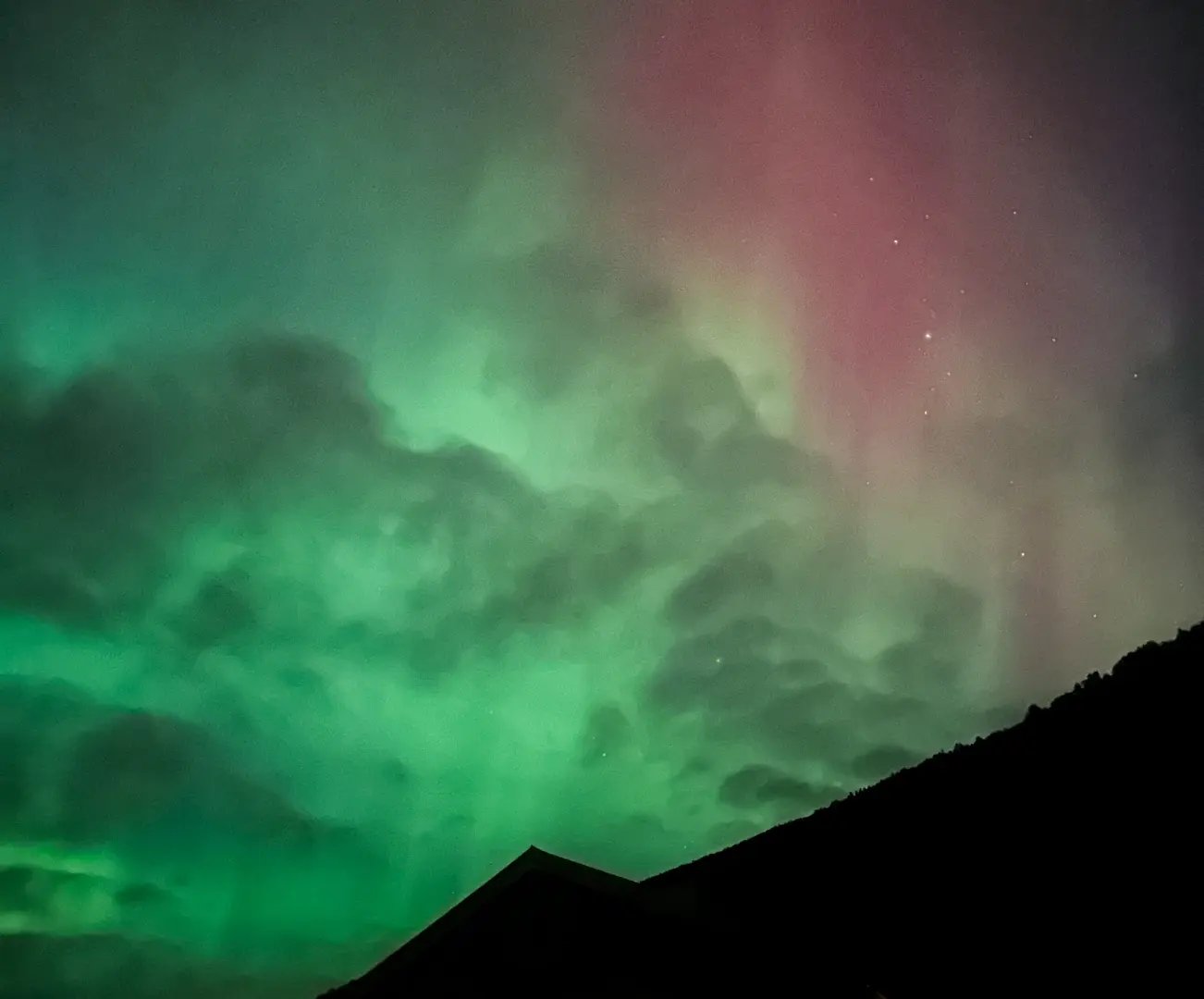
This is worth discussing because, and remember this, photographs can create unrealistic expectations.
Not every Aurora display looks like a giant neon-green curtain exploding across the entire sky.
Sometimes it does.
Other times, your first sign might be a faint arc or pale band that looks almost greyish to your eyes. It can gradually intensify into a clearer green before beginning to move, ripple or form curtains across the sky.
Strong displays can become vivid and dynamic.
Weaker displays can be surprisingly subtle.
Cameras can also record colour differently from the human eye, particularly during faint activity. Modern phones and cameras may produce a much greener image than what you initially perceived standing underneath it.
So don't assume every pale patch is cloud.
Give your eyes time to adjust.
And look up.
9 Tips on How to Increase Your Chances of Seeing the Northern Lights in Norway
There is no secret trick that guarantees the Aurora, but there are several things you can do to stack the odds more sensibly.
1. Go north.
If the Northern Lights are a major reason for your trip, build Northern Norway into your itinerary rather than relying on an exceptional display reaching Oslo or Bergen.
2. Travel during the dark season.
Broadly, think autumn through early spring rather than Arctic summer.
3. Stay for several nights.
This is one of the biggest advantages you can give yourself. Weather changes.
4. Pay attention to cloud cover.
A huge Aurora forecast isn't much help if the sky above you is completely overcast.
5. Find darker surroundings.
A strong display can be visible from a town, but darker surroundings generally make viewing easier.
6. Be patient.
The sky can look completely uneventful and change later in the evening.
7. Stay flexible.
If conditions are poor in one direction and clearer elsewhere, mobility can help.
8. Dress for waiting, not just walking.
Standing still outside at night feels very different from hiking in the same temperature.
9. Consider a guided search if seeing the Aurora is your main priority.
A local guide can handle the driving, winter conditions and search for suitable viewing locations while you concentrate on the sky.
Don't Obsess Over One Aurora Forecast Number
Aurora apps like My Aurora are useful. They're not crystal balls.
It's easy to see a low number and decide nothing will happen, or see a huge forecast and assume you're guaranteed the show of your life.
Neither is a particularly good approach.
Your geographic position matters. The position of the auroral oval matters. And critically, the sky above your head needs to be clear enough for you to see anything.
If you're already in Northern Norway and the night is dark and clear, don't stay inside purely because an app didn't impress you.
Go outside.
What Time Can You See the Northern Lights in Norway?
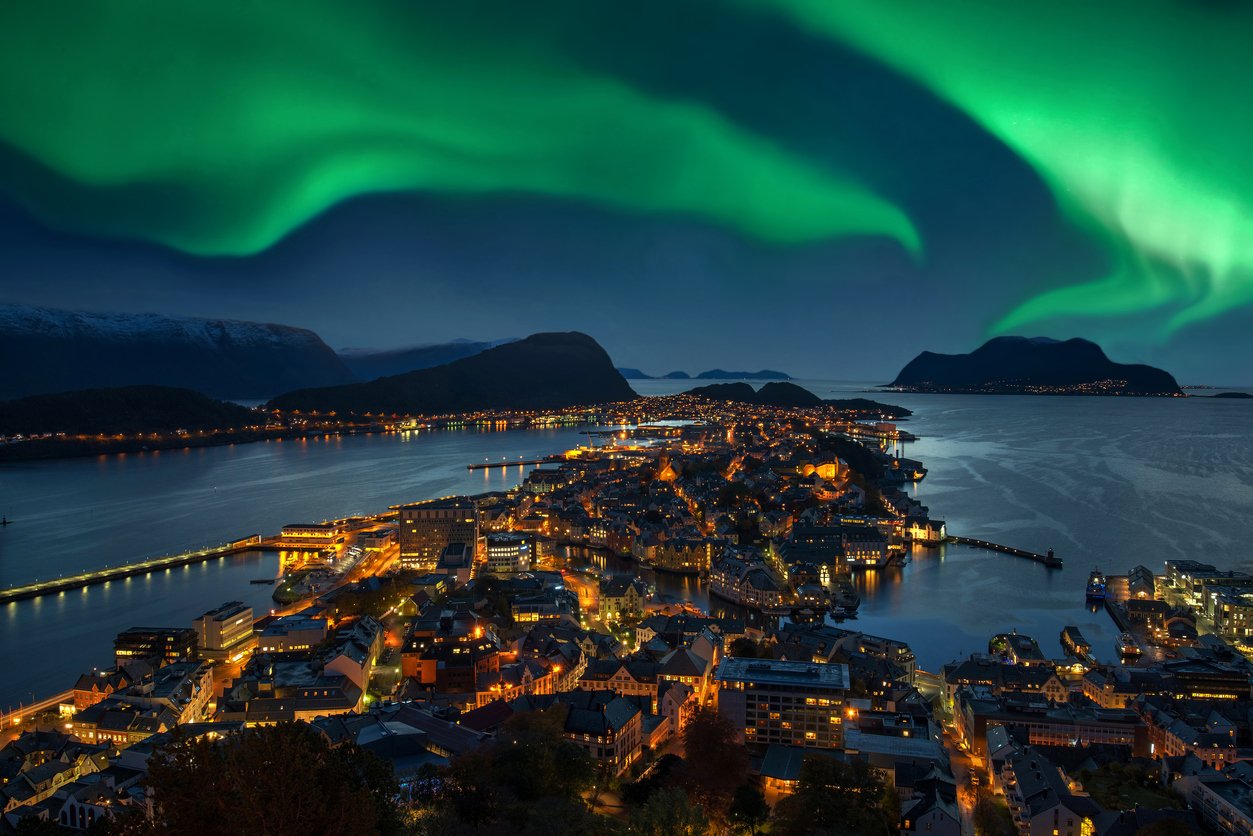
There is no fixed Northern Lights showtime.
They appear bsically whenever conditions are suitable and the sky is sufficiently dark.
In the Tromsø region, the Aurora can appear throughout the night, although it is often most active between approximately 20:00 and 02:00.
That doesn't mean you should walk inside at 02:01.
Nature doesn't work to a timetable.
You should plan to give yourself a proper evening rather than popping outside for ten minutes after dinner and declaring the Northern Lights absent.
What If You Travel to Norway and Don't See the Northern Lights?
Even if you travel north. Even if you choose the right season. Even if you've read every forecast available.
The Northern Lights are never guaranteed.
That's exactly why we don't think they should be the only reason your Arctic holiday matters.
Go dogsledding through a snowy valley.
Ride a snowmobile towards Finnmarksvidda.
Walk through winter forest on snowshoes.
Head onto an Arctic fjord.
Experience Polar Night.
Meet the huskies.
Sit beside a fire in the snow.
Then, when darkness falls, see what happens.
If the Aurora appears, you may get the moment you travelled thousands of kilometres hoping for.
If it doesn't, you should still have stories worth bringing home.
Build a trip worth taking without the Northern Lights, then let the Aurora make it extraordinary when it appears.
Is Norway a Good Place to See the Northern Lights?
Yes, particularly Northern Norway.
The country's northern regions sit beneath the auroral zone, providing regular opportunities to see the Aurora when darkness, weather and activity cooperate.
But geography isn't the only reason to come here.
What makes Norway particularly interesting is everything you can put around the Northern Lights.
You can spend an evening actively searching for clear skies. Or you can snowshoe beneath them. Ride a snowmobile into the Arctic night. Visit huskies. Spend several days moving through Northern Norway and give yourself repeated opportunities.
You don't need to choose a holiday that's entirely about waiting for the sky.
And that's arguably the best way to experience it.
Frequently Asked Questions About Seeing the Northern Lights in Norway
Can you see Northern Lights in Norway?
Yes, you can see Northern Lights in Norway, with Northern Norway offering the most consistent opportunities because it lies beneath the auroral zone. Alta, Tromsø, Lofoten and other northern destinations are all popular choices, while stronger Aurora displays can occasionally be visible farther south.
Where can you see the Northern Lights in Norway?
Northern Norway is the region to focus on if seeing the Aurora is an important part of your trip. Popular destinations include Alta, Tromsø and Lofoten, while Svalbard offers a very different High Arctic Northern Lights experience.
Aurora can also occasionally be seen in Central and Southern Norway during periods of increased solar activity.
Can you see the Northern Lights anywhere in Norway?
Potentially, but not with equal frequency.
Strong Aurora displays can extend far enough south to be visible across much larger parts of Norway. However, if you're specifically travelling to Norway to see the Northern Lights, Northern Norway gives you a much stronger basis for planning your trip.
How far north do you need to go to see the Northern Lights in Norway?
You don't have to cross a specific latitude before the Northern Lights suddenly become possible.
However, Northern Norway lies beneath the auroral zone and therefore offers much more consistent opportunities than Southern Norway. That's why destinations such as Alta and Tromsø are better choices for an Aurora-focused trip than Oslo or Bergen.
Can you see the Northern Lights in Oslo?
Yes, Northern Lights can occasionally be visible around Oslo during sufficiently strong geomagnetic activity.
However, sightings aren't reliable enough to make Oslo a destination we'd choose specifically for an Aurora holiday. If seeing the lights is a priority, travel to Northern Norway.
Can you see the Northern Lights in Bergen?
Yes, the Northern Lights can occasionally be visible in Bergen and elsewhere in Western Norway during strong Aurora activity.
But Bergen isn't a reliable alternative to Northern Norway for an Aurora-focused holiday. Come for the city, mountains and fjords and consider any Northern Lights display an unexpected bonus.
Can you see the Northern Lights in Voss?
Yes, it is possible during sufficiently strong Aurora activity and favourable local conditions.
However, we'd recommend Voss for its mountains, fjords, skiing and outdoor adventures rather than as a dedicated Northern Lights destination. If the Aurora is one of your main reasons for travelling, include Northern Norway in your itinerary.
Can you see the Northern Lights in Alta?
Yes. Alta's location in Northern Norway makes it an excellent destination for experiencing the Aurora while also giving you access to Arctic wilderness and winter activities.
It's particularly attractive if you want to combine Northern Lights opportunities with dogsledding, snowmobiling or snowshoeing rather than making the entire trip about one evening's sky.
Can you see the Northern Lights in Tromsø?
Yes. Tromsø sits directly beneath the Northern Lights oval and is one of Norway's best-known Aurora destinations.
The lights may be visible in the Tromsø region from late August to early April when the sky is sufficiently dark and clear.
Can you see the Northern Lights in Lofoten?
Yes. Lofoten lies above the Arctic Circle and offers Northern Lights opportunities during the darker part of the year.
Visit Norway identifies September through March as the main winter Aurora period in Lofoten.
Can you see the Northern Lights in Svalbard?
Yes. Svalbard's extreme northern location creates a particularly unusual Aurora experience during Polar Night.
During the darkest period, there can even be opportunities to see the Northern Lights during daytime hours because the sun remains well below the horizon.
When can you see the Northern Lights in Norway?
The broad viewing season runs from autumn into early spring, when Northern Norway has sufficiently dark skies. Depending on the destination, potential viewing can begin around late August or September and continue until late March or early April.
What months can you see the Northern Lights in Norway?
As a practical rule, September through March is the core period to consider for a Northern Lights trip to Norway.
Some northern destinations can have sufficiently dark skies from late August into early April, but exact viewing seasons vary with latitude and daylight.
Can you see the Northern Lights in Norway in September?
Yes. September marks the return of dark nights to Northern Norway after the bright Arctic summer and is part of the Northern Lights season.
It can be a particularly interesting choice if you want Aurora opportunities without travelling during the deepest part of winter.
Can you see the Northern Lights in Norway in summer?
Generally not in Northern Norway because the sky doesn't become sufficiently dark.
The Aurora itself still occurs, but long daylight and the Midnight Sun make it impossible to see. Darkness gradually returns later in summer, allowing the Northern Lights viewing season to begin again.
Can you see the Northern Lights during the day in Norway?
Normally daylight makes the Aurora impossible to see.
Svalbard is the fascinating exception. During Polar Night, the sun remains far enough below the horizon that the sky can stay dark during daytime hours, creating the possibility of daytime Northern Lights sightings.
Can you see the Northern Lights every night in Norway?
No. Northern Lights sightings are never guaranteed.
You need suitable Aurora activity and sufficiently clear, dark skies. Staying for several nights gives you more opportunities for those conditions to align.
How likely are you to see the Northern Lights in Norway?
There isn't one reliable percentage for the entire country or season.
Your chances depend on your location, length of stay, cloud cover and Aurora conditions. Travelling to Northern Norway and staying for several nights gives you a more sensible strategy than relying on one specific evening.
How many nights should I stay in Norway to see the Northern Lights?
There is no guaranteed number, but we'd recommend giving yourself several nights rather than one if the Aurora is important to you.
More nights mean more opportunities for cloud, weather and Aurora conditions to cooperate.
Are the Northern Lights guaranteed in Norway?
No. Nobody can honestly guarantee that you'll see the Northern Lights on a particular night.
Aurora activity, cloud cover and local conditions all influence whether a display is visible.
Do I need a Northern Lights tour in Norway?
No. You can see the Northern Lights independently whenever they appear above you.
A guided tour can nevertheless be useful for local knowledge, transportation, winter driving and finding suitable viewing areas. If seeing the Aurora is your highest priority, look for a dedicated search rather than an activity where the Northern Lights are a bonus.
Can you see the Northern Lights without a tour?
Absolutely.
If you're somewhere with a dark enough, sufficiently clear sky and the Aurora becomes active overhead, you can simply look up. A tour can improve logistics and help you search for favourable conditions, but it doesn't make the Aurora itself appear.
Can you see the Northern Lights from a hotel in Norway?
Yes, potentially.
A sufficiently strong display can be visible from towns and accommodation in Northern Norway, although darker surroundings can make viewing easier. Visit Tromsø notes that Northern Lights can sometimes be seen from the city itself on clear nights.
Do you need snow to see the Northern Lights in Norway?
No. Snow has nothing to do with whether the Aurora occurs.
It creates the classic Arctic winter scenery and enables activities such as dogsledding and snowmobiling, but Northern Lights can also be visible during snow-free periods in autumn.
Does it have to be cold to see the Northern Lights?
No. Cold temperatures do not cause the Northern Lights.
Cold weather and Aurora viewing are associated because the dark season in Northern Norway overlaps with autumn and winter. What you actually need is darkness, Aurora activity and sufficiently clear skies.
Can you see the Northern Lights when it's cloudy?
Not through thick cloud.
The Northern Lights occur far above normal weather systems, so clouds between you and the Aurora can block your view. This is why checking local cloud conditions is so important when planning an evening outside.
What time do the Northern Lights appear in Norway?
There is no fixed time.
They can appear whenever the sky is dark and Aurora conditions are favourable. In Tromsø, the lights can appear throughout the night, although the local tourism organisation says activity is often strongest between roughly 20:00 and 02:00.
Is Alta or Tromsø better for the Northern Lights?
Both can be excellent, so we'd choose according to the wider Arctic holiday you want.
Tromsø offers an Arctic city with a very large tourism infrastructure, while Alta is particularly attractive if you want wilderness and active experiences such as dogsledding and snowmobiling alongside your Northern Lights opportunities.
Is Norway or Iceland better for the Northern Lights?
Both Norway and Iceland can offer spectacular Northern Lights experiences, and neither can guarantee a sighting.
The better choice depends on what you want around the Aurora. Northern Norway is particularly strong if you want to combine your Northern Lights trip with classic Arctic experiences such as dogsledding, snowmobiling and winter wilderness.
Is Norway a good place for a Northern Lights holiday?
Yes. Northern Norway's position beneath the auroral zone makes it a strong destination for Aurora viewing, while the range of winter experiences means you don't need to build your entire holiday around waiting for the lights.
Choose a destination and itinerary you'd enjoy regardless of what happens in the sky.
How can I maximise my chances of seeing the Northern Lights in Norway?
Travel to Northern Norway during the dark season, stay for several nights, pay attention to cloud conditions and give yourself enough time outside.
If seeing the Aurora is your highest priority, consider a dedicated guided search that can respond to local conditions. Most importantly, remember that no strategy can guarantee a natural phenomenon.
Come for the Arctic. Look Up for the Aurora.
So, can you see the Northern Lights in Norway?
Absolutely.
If seeing them is important, head north. Travel during the dark season. Stay for more than one night. Keep an eye on the weather, get outside and give the sky time to surprise you.
But don't make the mistake of treating everything else as filler between Aurora forecasts.
Come for the huskies.
Come for the snowmobiles.
Come for the fjords, snow, winter wilderness and strange light of the Arctic.
Then step outside after dark and look up.
The Northern Lights can't be guaranteed. The adventure around them can.