
Hardangerfjord is one of those places that seems to contain half of Norway in one region.
Fjords, waterfalls, glaciers, mountain hikes, tiny villages, fruit orchards and roads that spend most of their time deciding whether to follow the water or climb above it.
Nestled in Western Norway, Hardangerfjord stretches 179 kilometres inland through the Hardanger region, which makes it Norway’s second-longest fjord. Around it, mountains rise from the water, waterfalls tumble through narrow valleys and some of Norway’s most famous hikes lead high above the fjord.
The size isn’t really the reason to visit, though. To us, what makes Hardangerfjord special is how much there is to experience around it.
You can kayak beneath the mountains in the morning, walk through an orchard in the afternoon and end the day with a glass of cider made from apples grown a few metres away. Elsewhere, you can hike to Trolltunga, stand beside Vøringsfossen, explore Folgefonna glacier or simply drive along the fjord with no particular reason to hurry.
And all of this begins surprisingly close to Bergen.
Here, we’ve covered the best things to do in Hardangerfjord, where to stay, waterfalls and orchards to visit, cruises and scenic roads, how to get there from Bergen and how long you should actually spend exploring the region.
Where Is Hardangerfjord?
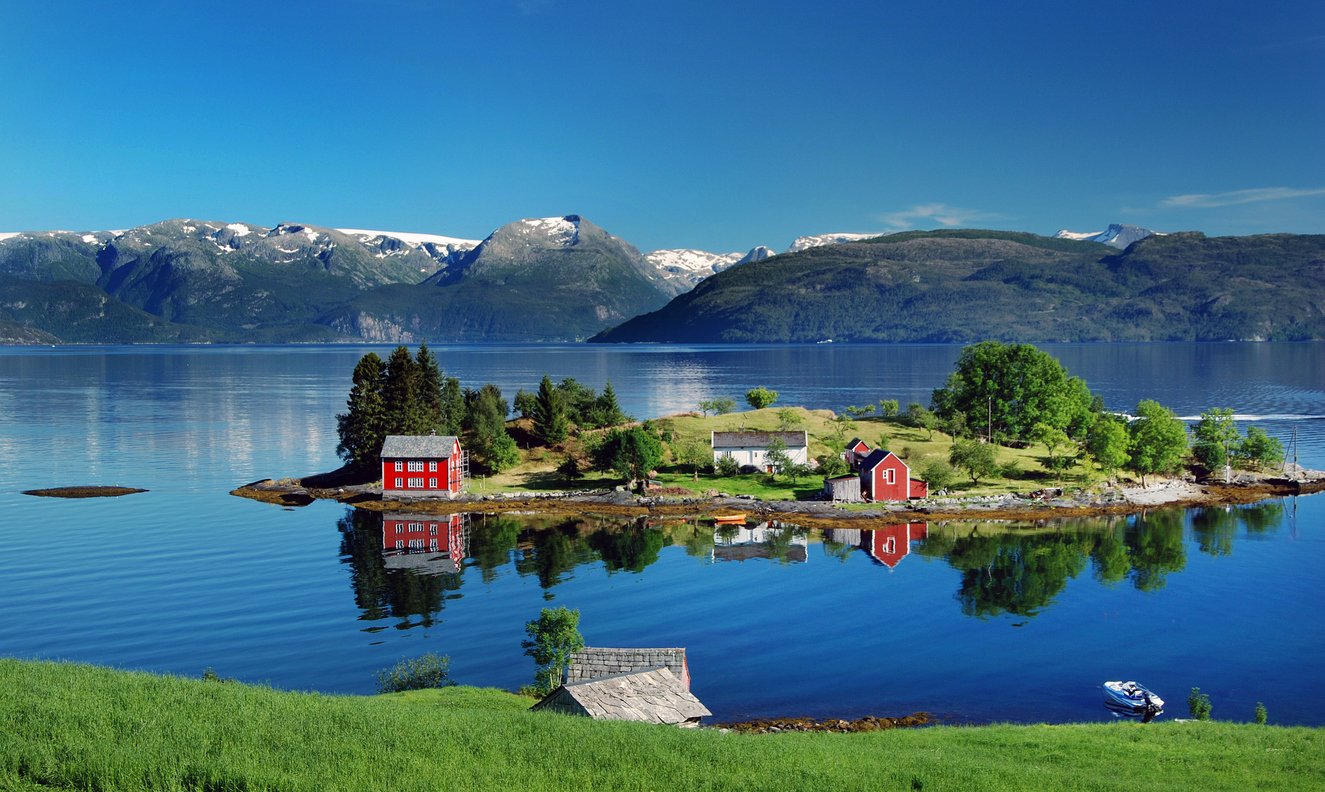
Hardangerfjord is in Vestland county in Western Norway, east and southeast of Bergen.
The wider Hardanger region includes the municipalities of Kvam, Eidfjord, Kvinnherad, Ullensvang and Ulvik. Rather than being one compact destination, it stretches across a large area of fjords, valleys, mountains and villages.
That distinction is worth understanding before planning your trip.
You don’t really “arrive at Hardangerfjord” in the same way you arrive in Bergen or Voss. You choose which part of Hardanger you want to explore.
Some travellers base themselves in Eidfjord for waterfalls and mountain scenery. Others head towards Odda for Trolltunga, Lofthus for orchards and hiking, or Ulvik for cider farms and a quieter fjord experience.
And while parts of the region can be reached from Bergen in around an hour, getting to your specific destination may take considerably longer.
How long is Hardangerfjord?
Hardangerfjord stretches approximately 179 kilometres inland from the coast.
It also branches into several smaller fjords, including Sørfjorden and Eidfjorden, creating the long fingers of water that shape much of the Hardanger landscape.
In other words, this isn't a fjord you're going to “see” in half an hour at a viewpoint.
It’s a region worth exploring.
Why Visit Hardangerfjord?
There are more famous individual fjord viewpoints in Norway.
What Hardangerfjord does particularly well is variety.
Within the same region, you’ll find Trolltunga, Folgefonna glacier, Vøringsfossen, historic villages, fruit farms, cider producers, mountain trails, kayaking and two of Norway’s official Scenic Routes
That makes Hardangerfjord especially good if you want to do more than look at a fjord from a bus window.
You can spend several days here and have each one feel completely different.
It’s also one of the best places in Norway to combine outdoor adventure with food and culture. Hardanger’s relatively mild local climate has helped fruit farming flourish for generations, and orchards remain an important part of the landscape and local identity.
In spring, hillsides can be covered in blossom. Come in summer and long days open up the mountains and water.During autumn, those same orchards are harvesting apples that will become juice and Hardanger cider.
Best Things to Do in Hardangerfjord
There’s enough around Hardangerfjord to fill a much longer trip, but these are some of the experiences we’d put near the top of the list.
1. See Vøringsfossen
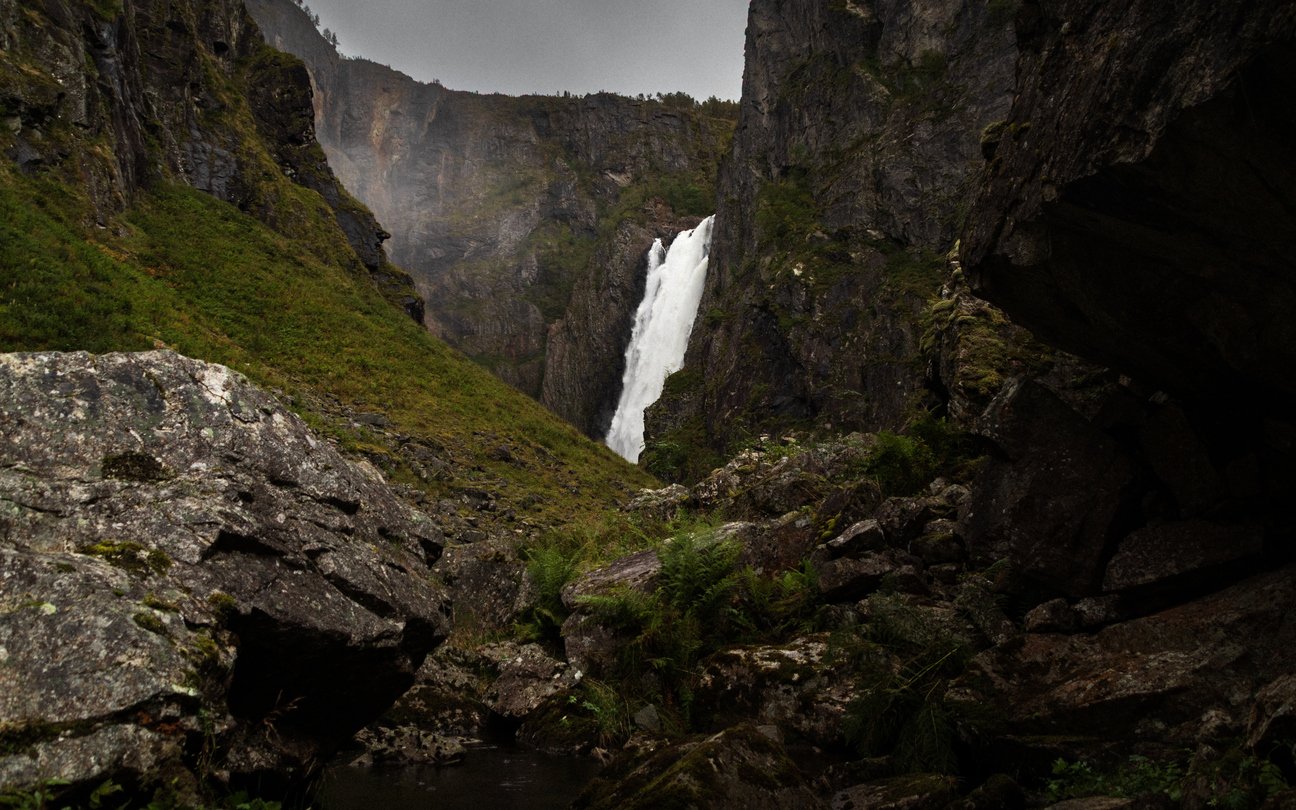
If you only visit one of the Hardangerfjord waterfalls, Vøringsfossen is an obvious contender.
Located near Eidfjord on the route towards Hardangervidda, the waterfall plunges into the dramatic Måbødalen valley and is surrounded by viewpoints and walking areas.
The location also makes it easy to combine with a visit to Eidfjord and the Norwegian Scenic Route Hardangervidda.
And if you don't mind heights, there’s a pedestrian bridge spanning the waterfall canyon.
Vøringsfossen is popular for a reason. Just don’t make the mistake of thinking it’s the only waterfall worth seeing in Hardanger (more on those later!).
2. Hike Trolltunga
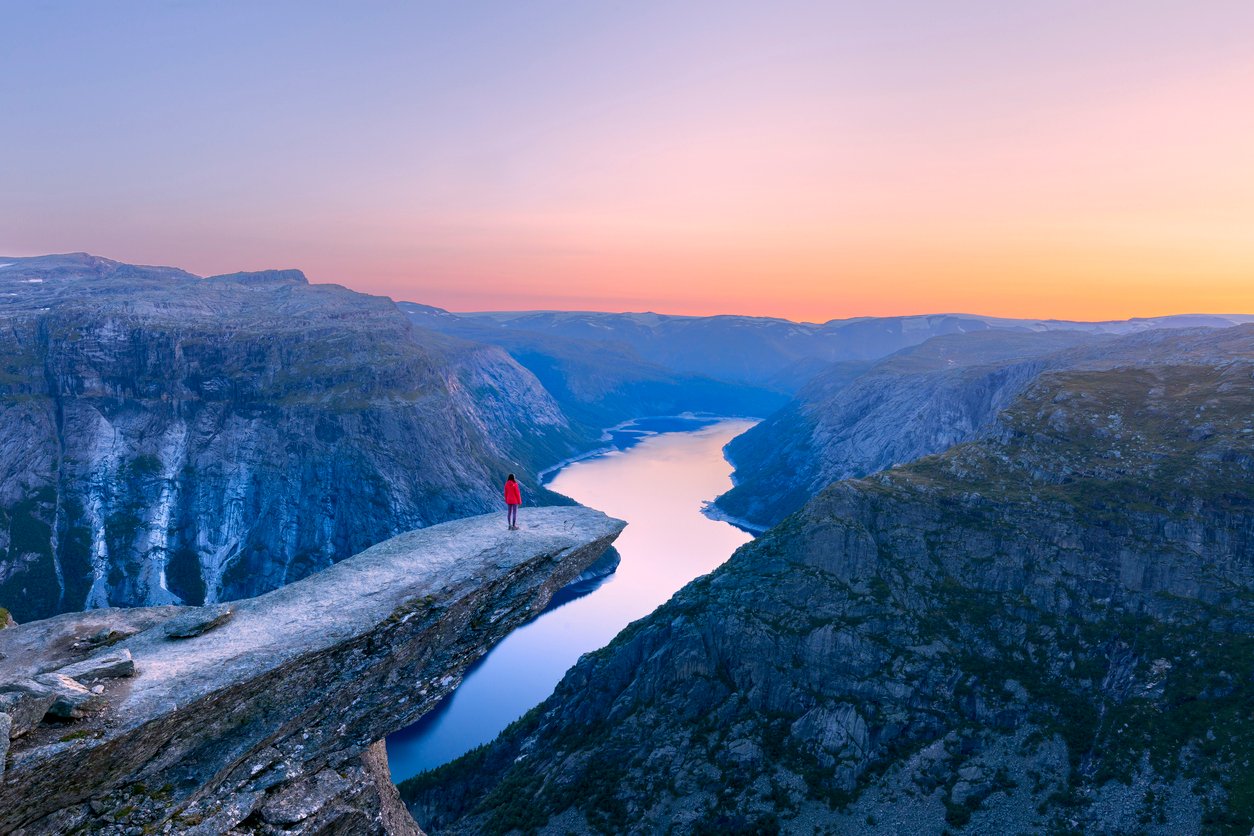
Trolltunga needs very little introduction.
The famous rock formation juts horizontally from the mountain above Ringedalsvatnet, and creates one of Norway's most recognisable viewpoints.
Yes, the view is every bit as dramatic as the photographs suggest.
But Trolltunga isn't a roadside attraction. The standard route from Skjeggedal is a demanding mountain hike. Anyone attempting it should prepare properly for the distance, terrain and rapidly changing mountain weather.
Give it a full day, check the current trail conditions and don't underestimate it because you've seen thousands of people standing on the rock on Instagram.
Get into the right mindset: the photograph takes a second, but getting there is the adventure.
3. Kayak on Hardangerfjord

Driving around Hardangerfjord gives you one perspective.
Paddling across it gives you another.
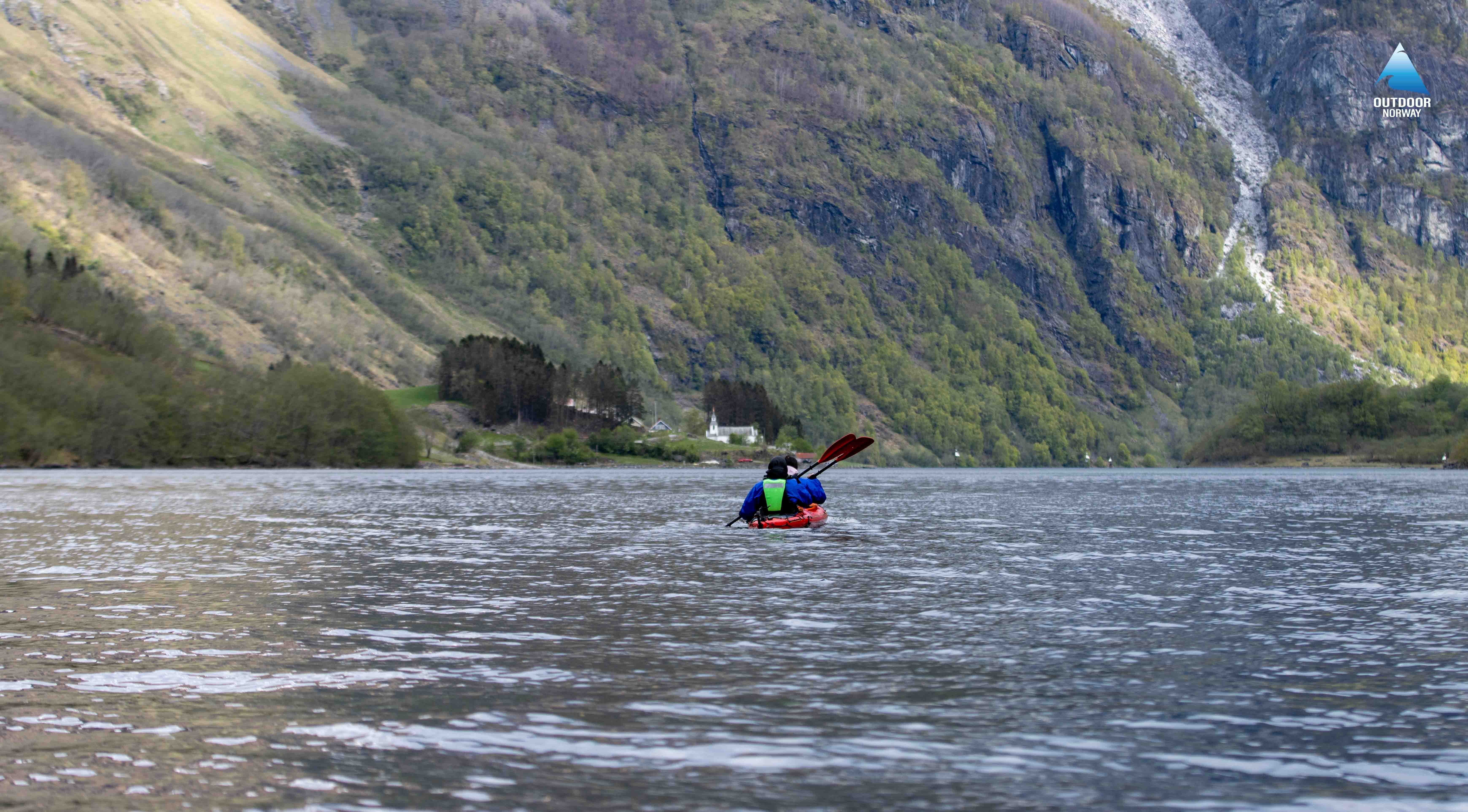
At water level, the scale changes completely. Mountains that looked impressive from the road suddenly rise directly above you, waterfalls become easier to hear and little sections of shoreline that barely registered from the car become places worth exploring.
The region offers everything from relaxed fjord paddling to longer guided experiences: kayaking alongside cruises, RIB trips and fjord safaris as one of the main ways to experience the 179-kilometre fjord.
If you're staying around Voss or exploring Western Norway with us, this is one of our favourite ways to experience Hardangerfjord.
Looking at a fjord is one thing.
Getting out into it is another.
Join our Hardangerfjord kayak tour and explore one of Europe’s coolest fjords from ground level.
4. Visit Folgefonna Glacier
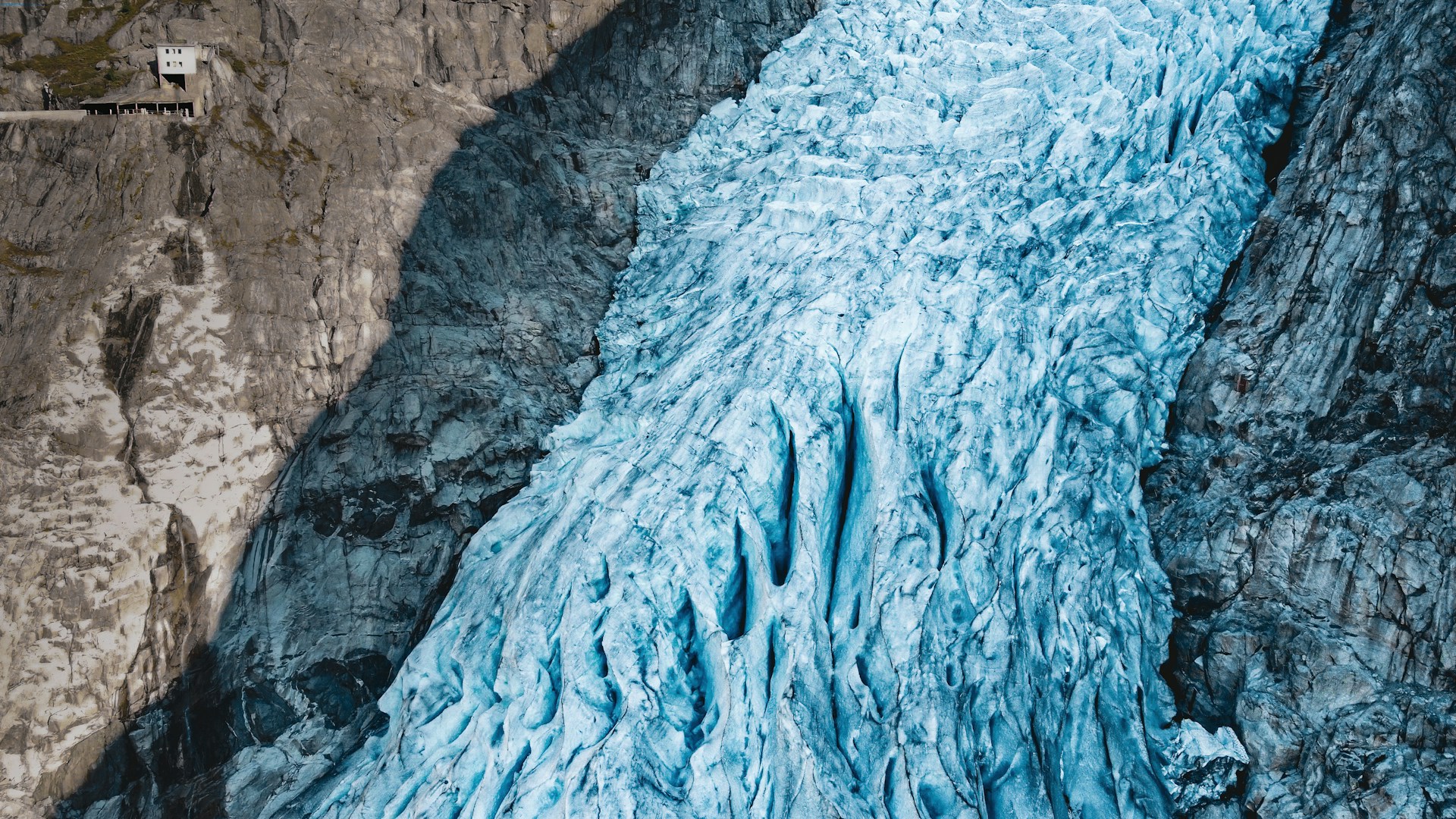
Hardanger isn't only about the fjord.
Look towards the mountains and you'll find Folgefonna, one of Norway's major glaciers and the centrepiece of Folgefonna National Park.
Depending on the season and conditions, guided glacier experiences allow visitors to get considerably closer to this part of the landscape.
And the transition is part of what makes Hardanger so interesting.
You can go from the edge of a fjord to glacial terrain remarkably quickly.
There are even organised day-trip options combining transport from Bergen, a boat across Hardangerfjord and a guided blue-ice hike, making it possible to experience the glacier without having your own car.
For anything involving actual glacier travel, go with a qualified guide rather than heading onto the ice independently.
5. Walk to Bondhusvatnet
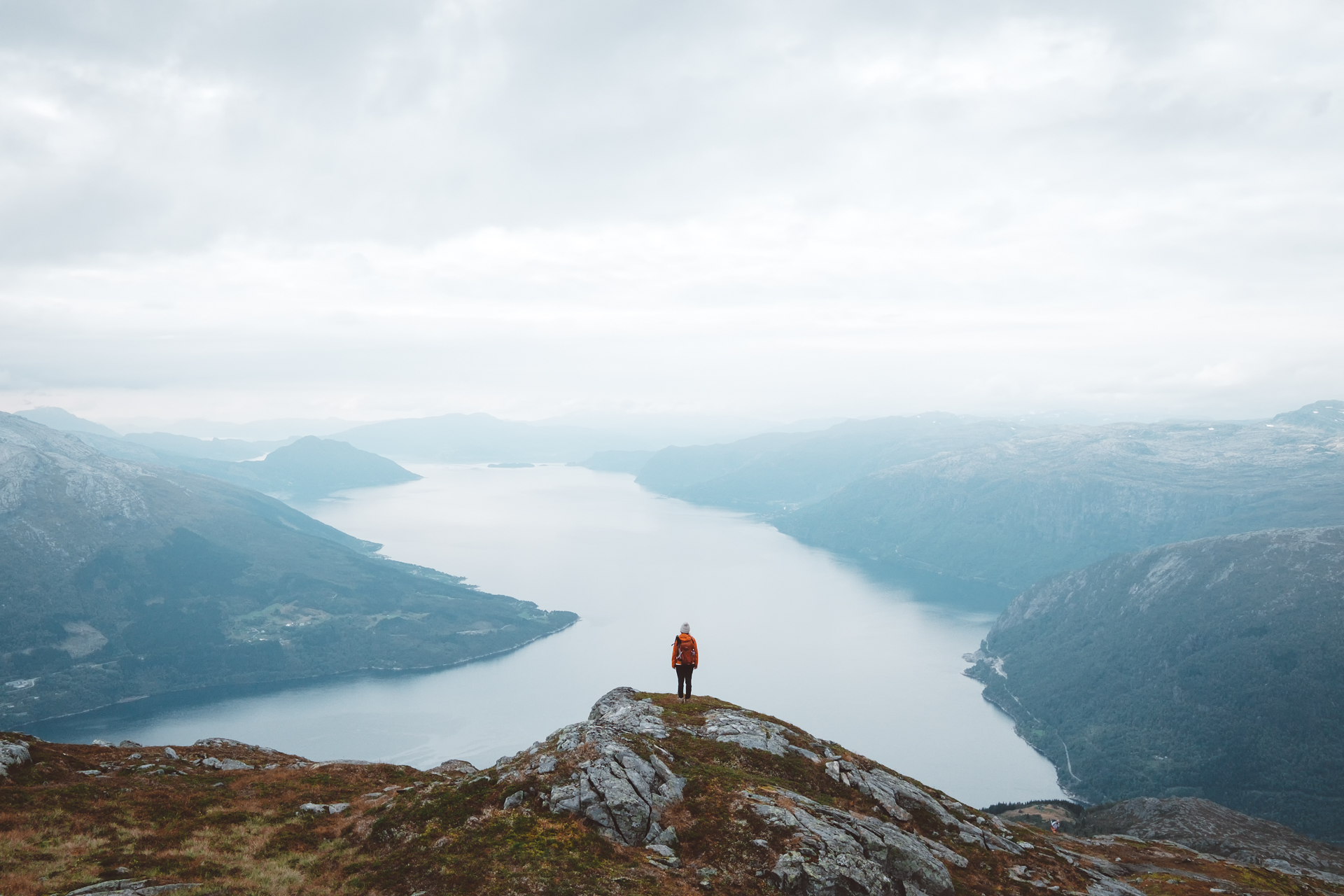
If Trolltunga sounds like rather more hiking than you had in mind, Bondhusvatnet offers a gentler trek in Hardanger's mountain scenery.
The lake lies beneath the Folgefonna glacier landscape and has become one of the region's most photographed locations.
It's an excellent option for travellers who want to get out on foot without committing to one of Hardanger's major mountain hikes.
And, as is often the case in Norway, the journey is part of the attraction.
6. Explore the Husedalen Waterfalls
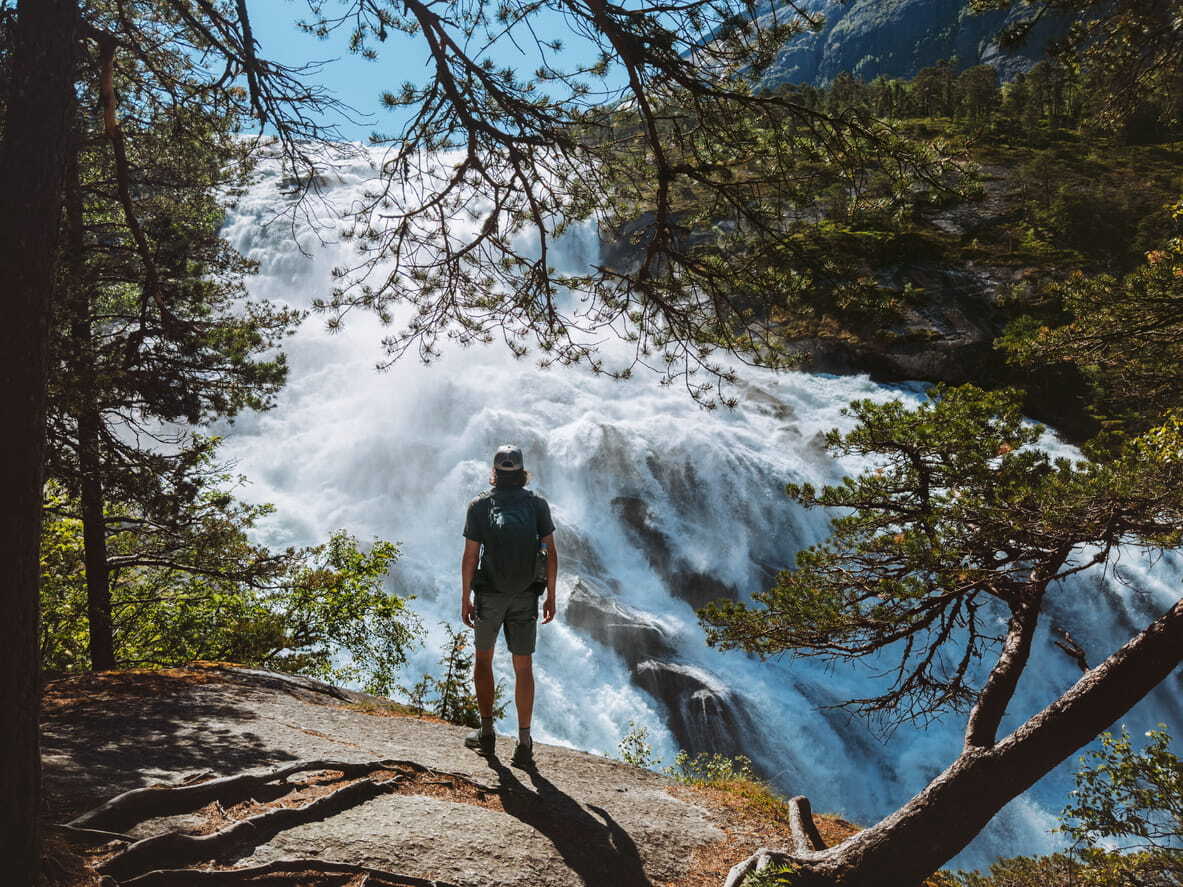
Husedalen gives you considerably more than one waterfall.
The valley near Kinsarvik is known for a chain of four large waterfalls, making it one of Hardanger's standout hiking areas. The official tourism organisation even promotes the region more broadly as the “kingdom of waterfalls.”
You can choose how far into the valley you want to walk rather than treating it as an all-or-nothing objective.
If you like the idea of earning your waterfall views on foot rather than pulling into a car park, put Husedalen on the list.
7. Walk Behind Steinsdalsfossen
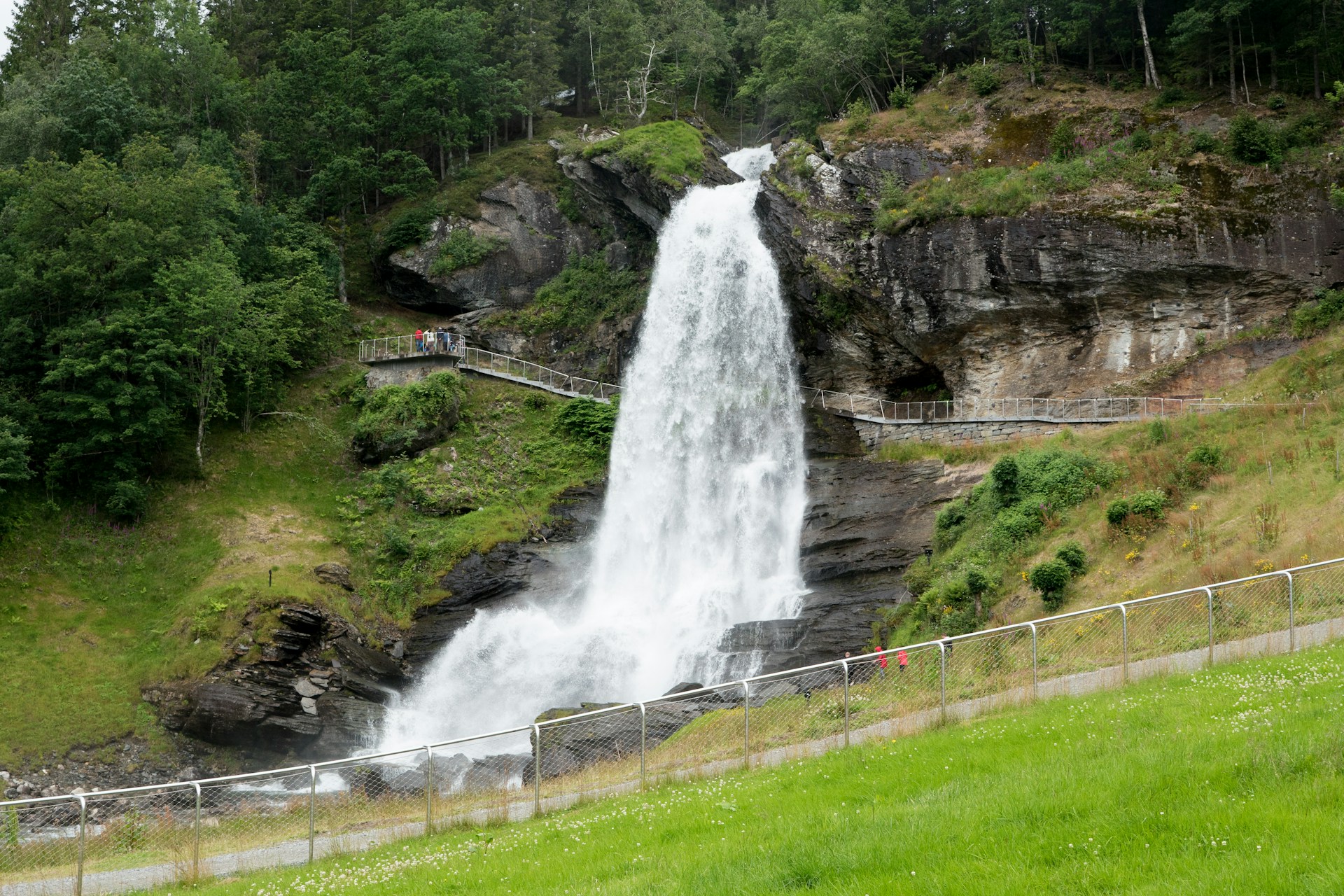
Steinsdalsfossen offers something a little different.
A path takes you behind the waterfall! You'll love the unusual experience of watching the water fall in front of you while remaining relatively dry.
It's also extremely accessible compared with many of Hardanger's other natural attractions.
This is why Steinsdalsfossen is an easy stop if you're travelling between Bergen and the Hardangerfjord region, particularly around Norheimsund.
8. Try Hardanger Cider

You might arrive in Hardanger thinking mostly about fjords. You'll probably leave knowing considerably more about apples!
Fruit growing has been part of life here for generations, and cider is now one of the most interesting ways to experience the region's food culture.
Hardanger cider isn't just a convenient tourism label, either. “Cider from Hardanger” is a geographically protected designation.
You can visit farms, meet producers, walk through orchards and taste cider produced from apples grown locally.
Ulvik is particularly good for this, but producers are scattered throughout Hardanger.
9. Visit Hardangerfjord's Orchards
.jpg?width=1254&height=837&name=apple-orchard-ulvik-hardangerfjord-norway%20(1).jpg)
The orchards are worth experiencing even if you don't drink cider.
Apples are the star, but you'll also find cherries, pears and plums growing around the fjord. Roughly 40% of Norway's fruit comes from the region.
When you visit makes a big difference.
Spring is blossom.
Summer's green orchards and some fruit harvests.
Autumn brings apples, cider and harvest season.
We'll come back to that.
10. Drive the Hardangerfjord Scenic Roads
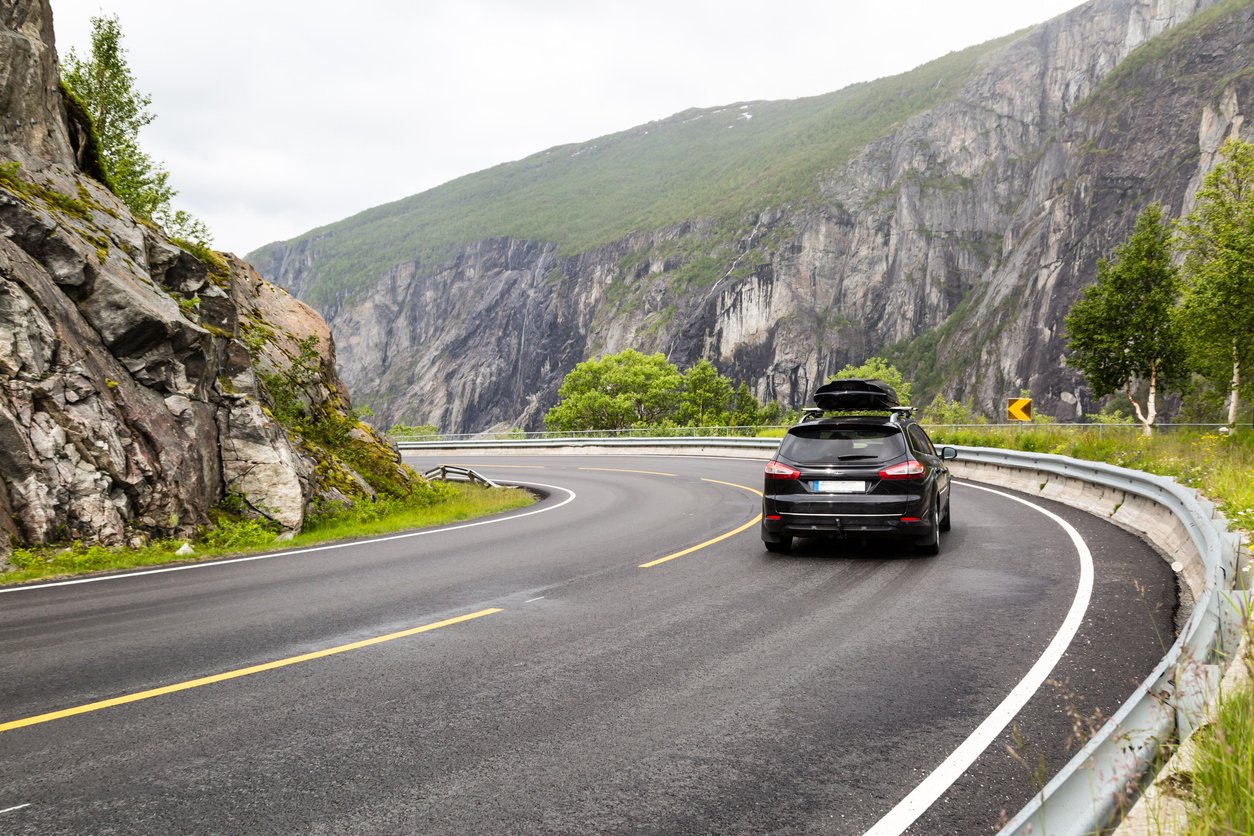
You could argue that driving is an attraction in its own right here.
Hardanger has two of Norway's 18 official Scenic Routes: Norwegian Scenic Route Hardanger and Norwegian Scenic Route Hardangervidda.
One stays close to fjords, orchards, waterfalls and villages.
The other climbs dramatically from Eidfjord towards the vast Hardangervidda mountain plateau.
They're completely different landscapes but together they show why spending several days in Hardanger makes so much sense.
Hardangerfjord Waterfalls
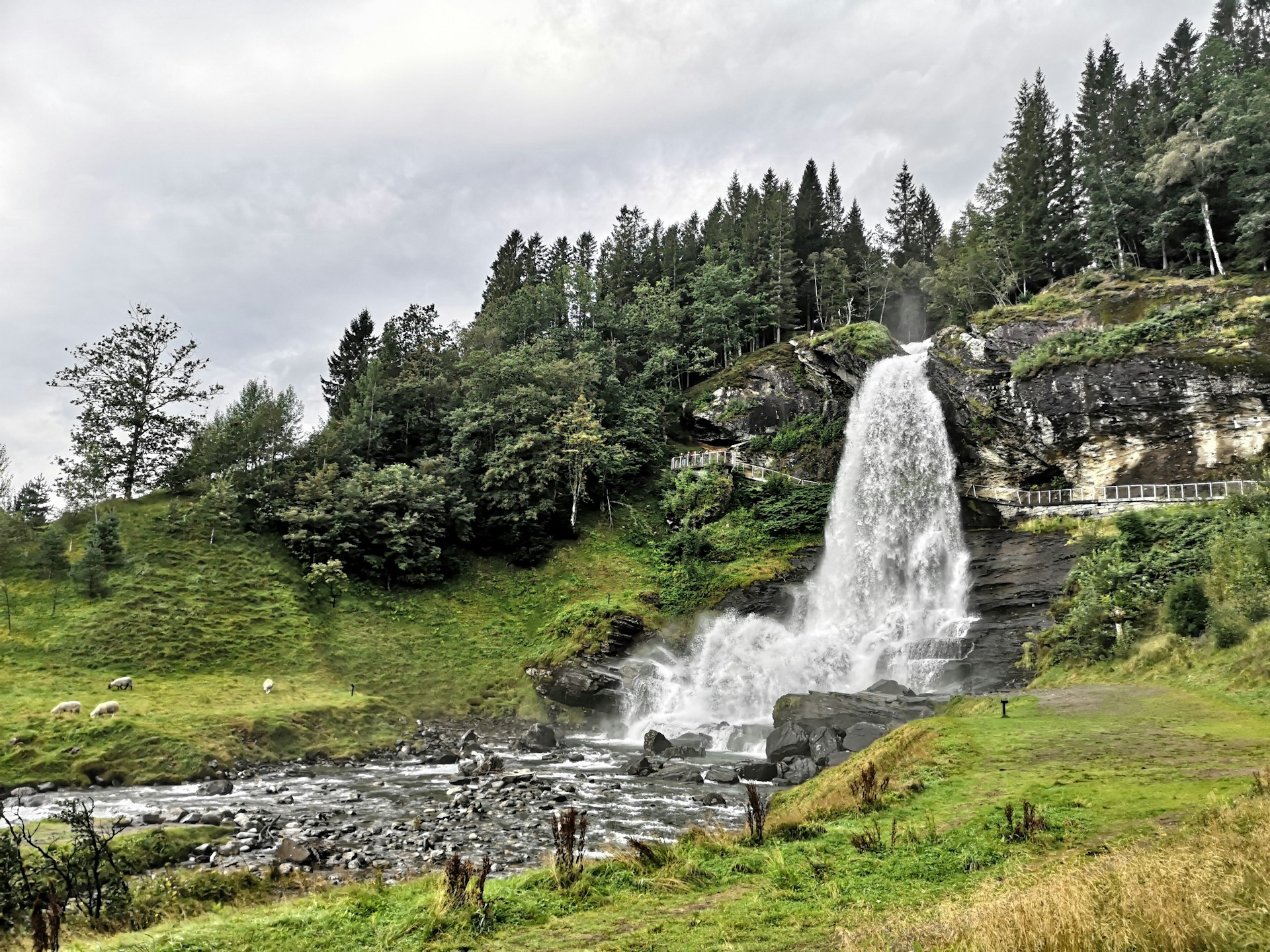
If your mental image of Western Norway involves enormous quantities of water falling off mountains, Hardanger isn't going to disappoint you.
The landscape has been shaped by glaciers and water, and waterfalls appear throughout the region.
Four in particular are worth knowing.
Vøringsfossen
The big one.
Vøringsfossen is easily combined with Eidfjord and the Hardangervidda Scenic Route, making it one of the most convenient major waterfalls to build into a Hardanger itinerary.
Steinsdalsfossen
The fun one.
Its path runs behind the falling water, and its location near Norheimsund makes it particularly easy to visit from Bergen.
Låtefossen
The roadside one.
Near Odda, twin streams of water plunge towards the road which is why Låtefossen is one of the most recognisable waterfalls in this part of Norway.
Husedalen
The hiking one.
Rather than a single waterfall, Husedalen gives you a valley containing four impressive falls and a reason to put your hiking boots on.
If waterfalls are one of the main reasons you're coming to Norway, you could comfortably build an entire day around them.
Hardangerfjord Orchards, Apples and Cider
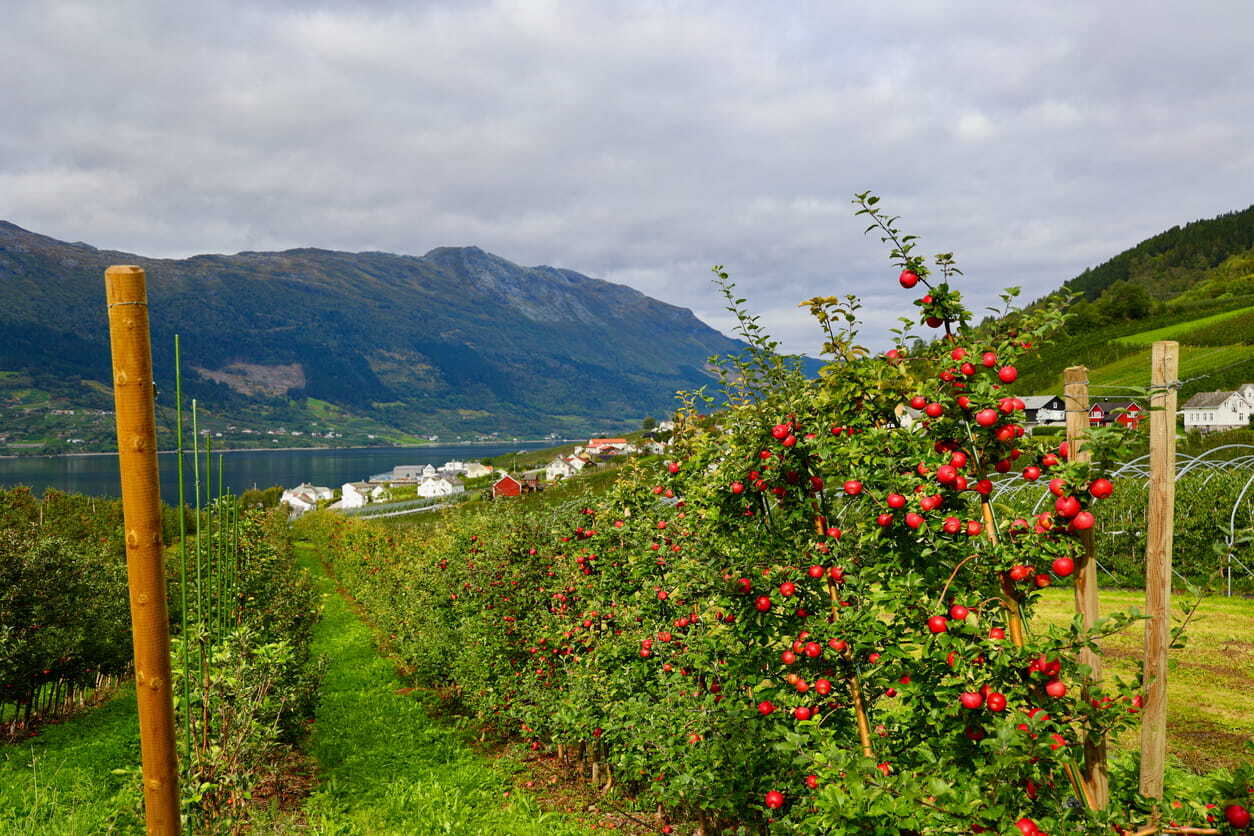
The fruit farms are one of the things that distinguish Hardangerfjord from many of Norway's other fjord regions.
And they aren't here by accident.
The fjord influences the local climate, helping create favourable growing conditions along its shores. Fruit farming became an important part of Hardanger life and continues to shape both the landscape and the local economy today.
You'll see apples most often, but farms also grow pears, plums and cherries.
Spring: come for the blossom
Blossom season usually arrives around May, although nature doesn't publish a timetable.
Weather conditions determine exactly when each variety blooms, and the season can shift from year to year. Hardanger's tourism organisation notes that blossom has appeared as early as the beginning of May in some years and can continue into early June.
Cherries and plums generally flower first, followed by the distinctive pink-white apple blossom.
Sørfjorden is particularly good for seeing the orchards, including the area around Lofthus.
Autumn: come for the harvest
Then the whole process comes full circle.
Autumn is apple season, making it a particularly good time for farm visits, local produce and cider.
It's also quieter than the summer peak.
The Fruit and Cider Route in Ulvik
For an easy introduction, head to Ulvik.
Its Fruit and Cider Route connects three farms: Ulvik Frukt & Cideri, Syse Gard and Hardanger Saft- og Siderfabrikk. All have farm shops, and tours or tastings can also be arranged.
The farms are close enough that you can explore the route on foot from Ulvik.
Not a bad way to spend an afternoon in our view!
Best Places to Visit Around Hardangerfjord
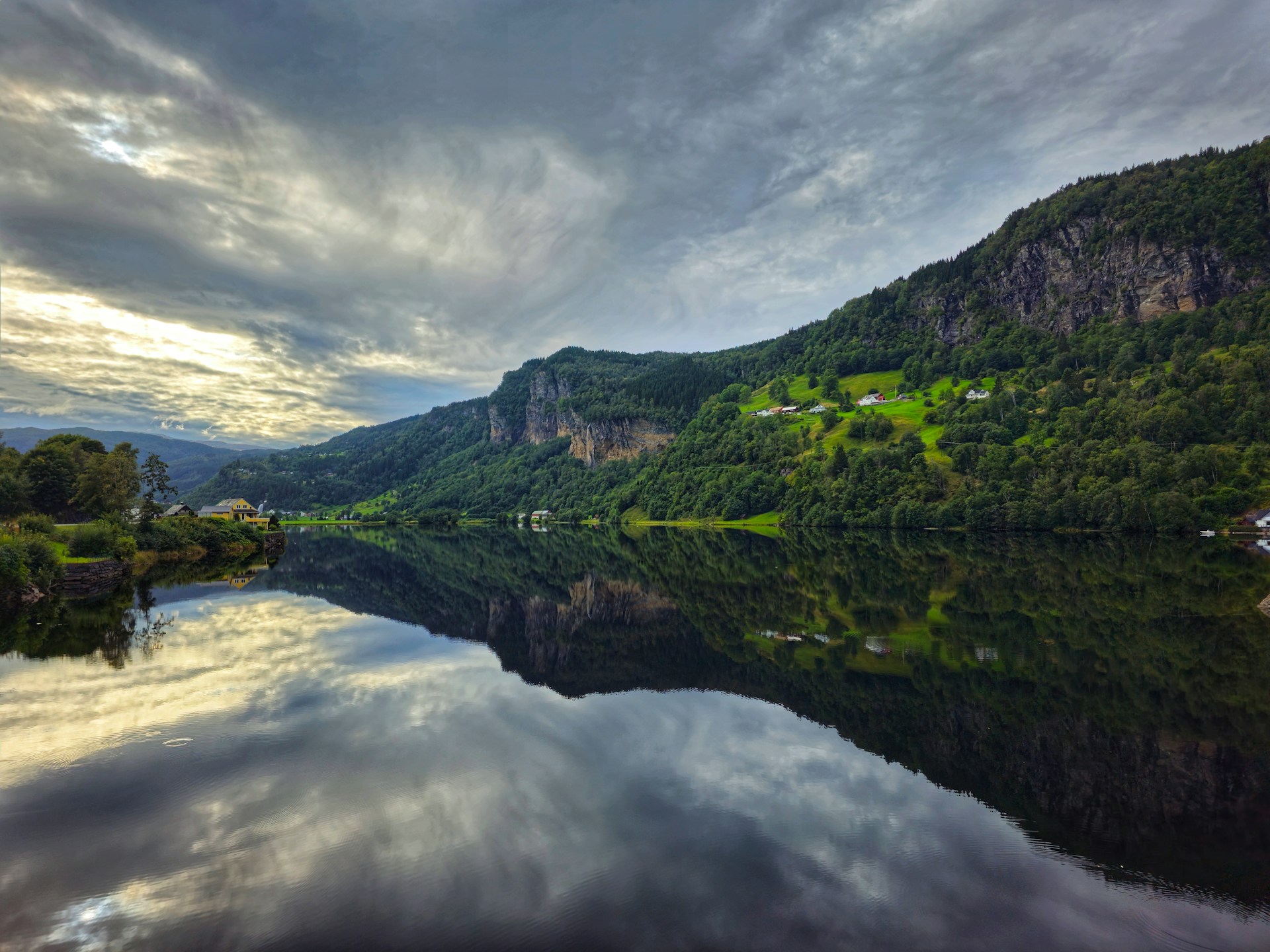
One of the harder parts of planning a Hardangerfjord trip is deciding where to base yourself.
There isn't one obvious centre, but here are some of the places worth considering.
Eidfjord
Eidfjord sits deep inside the fjord system and is one of the most popular bases in the region.
The location here gives you access to Vøringsfossen, Hardangervidda and several fjord experiences, and the village itself sits right beside the water.
It's a particularly good choice if dramatic landscapes and waterfalls are high on your list.
Ulvik
Ulvik is smaller and quieter.
It's surrounded by mountains and orchards and is best known for its Fruit and Cider Route.
Choose Ulvik if your ideal Hardanger trip involves walking between farms, tasting local food and cider and spending a little more time doing not very much at all.
That's sometimes exactly what a fjord trip needs.
Lofthus
Lofthus sits beside Sørfjorden in the heart of orchard country.
It's a good base for combining hiking in Hardangerfjord with fruit and cider experiences, and the area is especially beautiful during blossom season.
The Queen Sonja's Panoramic Hiking Trail is one of the notable hikes nearby.
Odda
Odda is the practical choice for many travellers heading to Trolltunga.
It sits towards the southern end of Sørfjorden and also puts you within reach of Låtefossen and other attractions around Ullensvang. If Trolltunga is the centrepiece of your trip, staying around Odda or Tyssedal makes sense.
Kinsarvik
Kinsarvik has easy access to Husedalen and its waterfalls while occupying a useful position on the inner fjord. It's also a stop on the Hardangerfjord sightseeing boat.
Norheimsund
Coming from Bergen? Norheimsund is one of the easiest gateways into Hardanger.
Steinsdalsfossen is nearby, and the Hardangerfjord sightseeing cruise towards Eidfjord begins here.
Jondal
Jondal is the place to consider if Folgefonna is high on your list.
The contrast between fjord and glacier is particularly obvious here. You can be beside the water looking towards ice high above you.
Rosendal
Rosendal combines fjord scenery with more cultural attractions than you might expect.
Baroniet Rosendal is a major attraction, and the Folgefonn Centre is a cool place to learn about the surrounding national park, geology, climate & natural environment.
It's also connected to Bergen by express boat.
Hardangerfjord Cruise: Seeing the Fjord From the Water
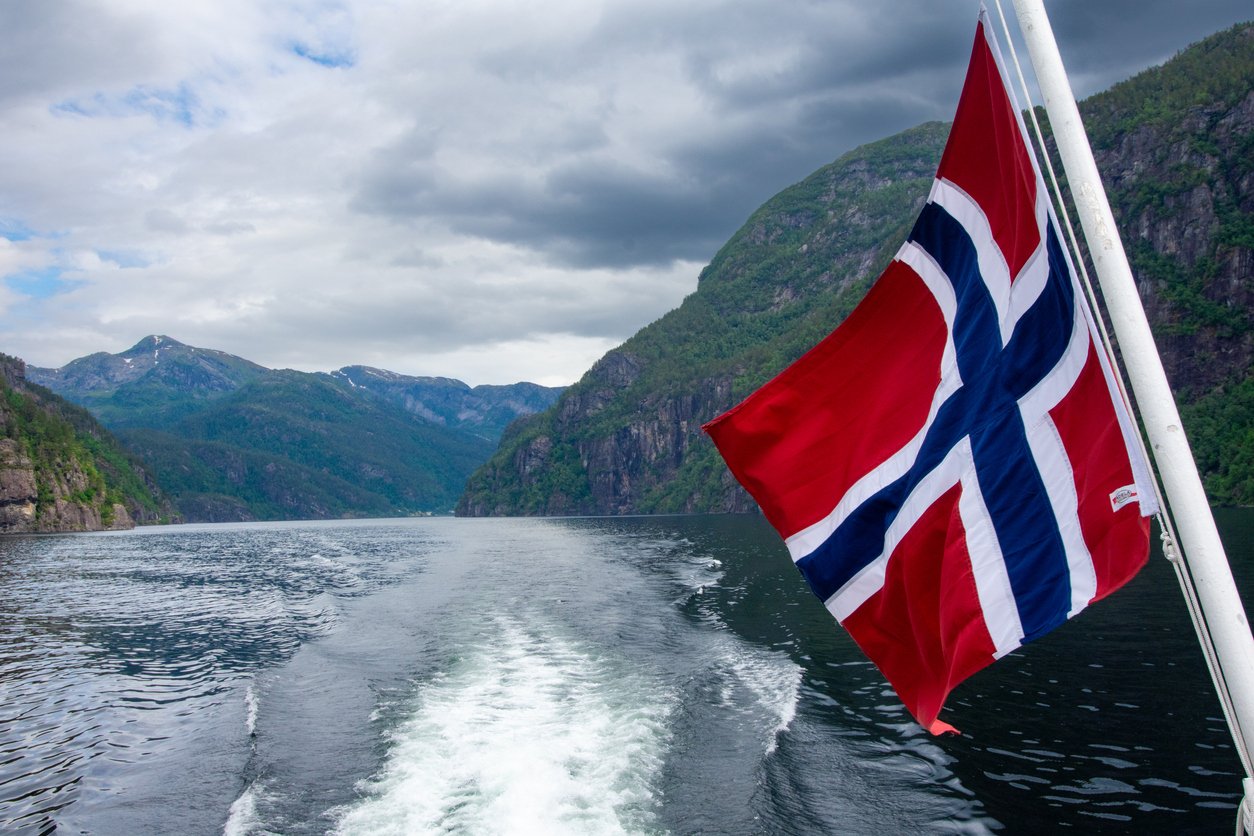
If you don't fancy paddling yourself, a Hardangerfjord cruise is one of the easiest ways to understand the scale of the landscape.
One established sightseeing route runs between Norheimsund and Eidfjord, passing mountainsides and orchards and calling at villages including Herand, Utne, Lofthus, Kinsarvik and Ulvik. The journey from Norheimsund to Eidfjord takes roughly three hours.
And unlike a cruise where you simply stay on board, the route can also function as public transport.
You can get off in one of the villages, explore and continue later.
That opens up some interesting possibilities.
Get off in Ulvik and explore the orchards.
Use Kinsarvik for access to Husedalen.
Continue to Eidfjord for Vøringsfossen.
Or simply stay aboard and watch Hardanger pass by.
Hardangerfjord Express Boat
There is also a Hardangerfjord Express connection between Bergen and Rosendal.
This is useful if you're heading towards the southern side of Hardanger - attractions around Rosendal and Folgefonna.
Don't assume every “Hardangerfjord boat” follows the same route. Where you're actually trying to reach matters.
And because timetables and seasonal services change, always check the current operator schedule before building flights, hotels or other fixed bookings around a boat connection.
Bergen to Hardangerfjord: How to Get There

Bergen is the starting point we recommend for most people’s Hardangerfjord trips. The good news is that you don't necessarily need a car.
The less convenient news is that Hardangerfjord is enormous. There isn't one universal answer to “How long does Bergen to Hardangerfjord take?”
Bergen to Hardangerfjord by car
For flexibility, nothing beats driving.
Norheimsund and the western side of Hardanger are relatively close to Bergen, but reaching destinations farther into the fjord will require more time.
Having a car also makes it considerably easier to do the villages, waterfalls, hikes and scenic roads all in a single tour.
Just remember that Norwegian fjord geography has a habit of making distances deceptive.
A village that looks close on the map may have a fjord, mountain, ferry or all three sitting inconveniently between you and it.
Bergen to Hardangerfjord by bus
Public buses connect Bergen with parts of Hardanger. Services can also be combined with boats.
Some routes are seasonal, so check current timetables rather than relying on an old itinerary you found online.
Bergen to Hardangerfjord by boat
For many visitors, this is the most fitting way to arrive.
You can take a bus from Bergen to Norheimsund and combine it with the sightseeing boat deeper into Hardangerfjord. There are also express-boat connections between Bergen and Rosendal.
Can you visit Hardangerfjord without a car?
Absolutely, but you need to plan more carefully.
Choose one section of Hardanger rather than trying to jump between attractions scattered across the entire region.
Boat-and-bus combinations work particularly well for places such as Norheimsund, Ulvik and Eidfjord, while Rosendal has its own express-boat connection.
If you're spending a few days in the city before heading east, see our guide to the best things to do in Bergen.
Can You Take a Hardangerfjord Day Trip From Bergen?
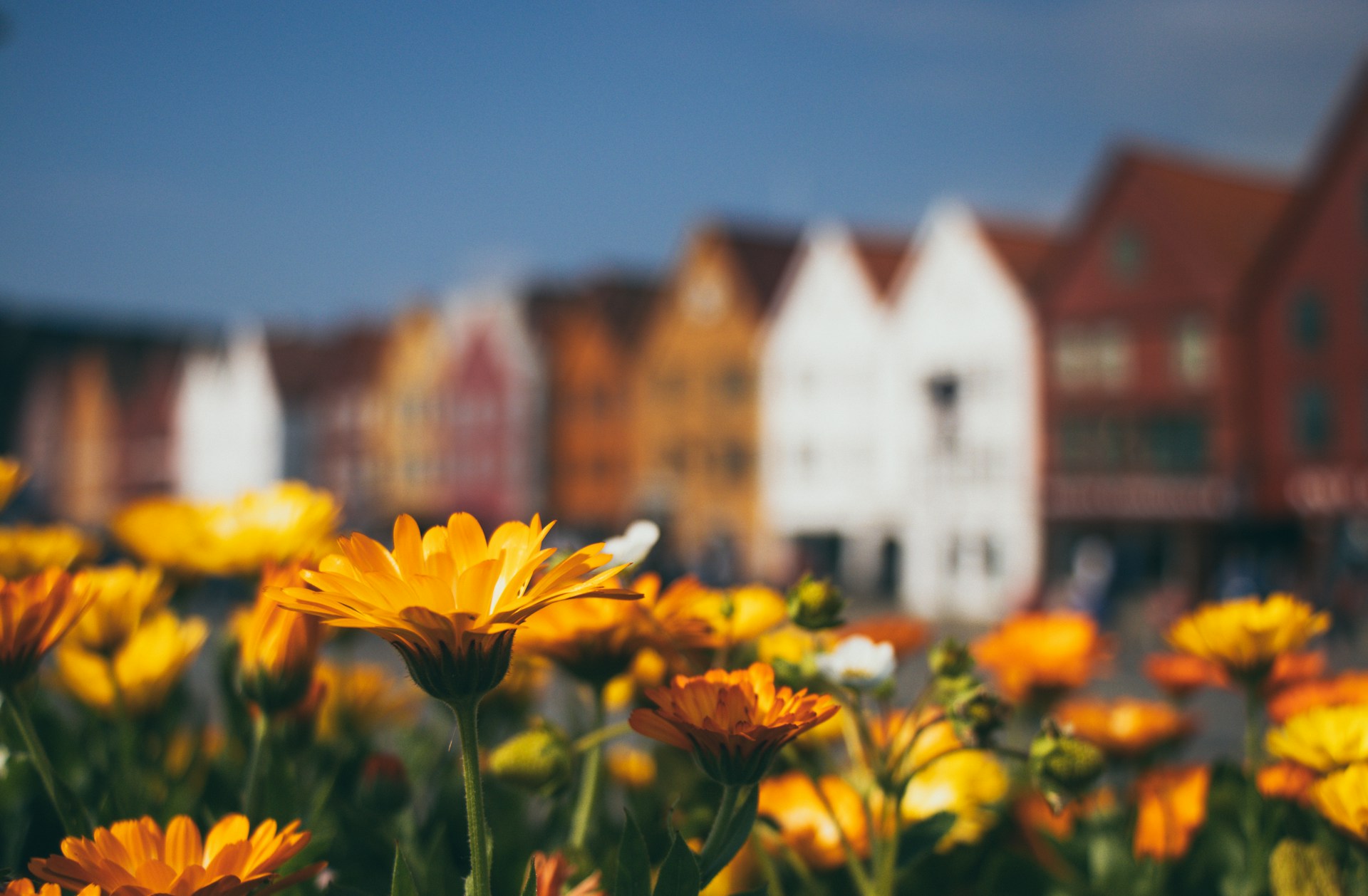
Of course you can. In fact, a Hardangerfjord day trip from Bergen can be very cool.
You just need to resist the temptation to see everything.
A straightforward option is travelling from Bergen to Norheimsund and continuing by sightseeing boat into the fjord. The scheduled sightseeing service is specifically designed so that it can be combined with transport from Bergen.
Depending on the itinerary you choose, a day could focus on:
Norheimsund and Steinsdalsfossen for an easier introduction to Hardanger.
A Hardangerfjord cruise if the scenery itself is the priority.
Eidfjord and Vøringsfossen for fjord and waterfall scenery.
Ulvik for orchards, cider and village life.
Or an active experience such as kayaking or a guided glacier trip.
What we wouldn't recommend is trying to combine Trolltunga, Vøringsfossen, cider farms, Folgefonna and half the fjord in one heroic day.
You'll spend most of it looking through a windscreen.
Voss also makes a useful base for exploring this part of Western Norway, especially if you want to combine Hardangerfjord with more outdoor activities. Check out our guide to things to do in Voss.
Hardangerfjord Accommodation: Where Should You Stay?
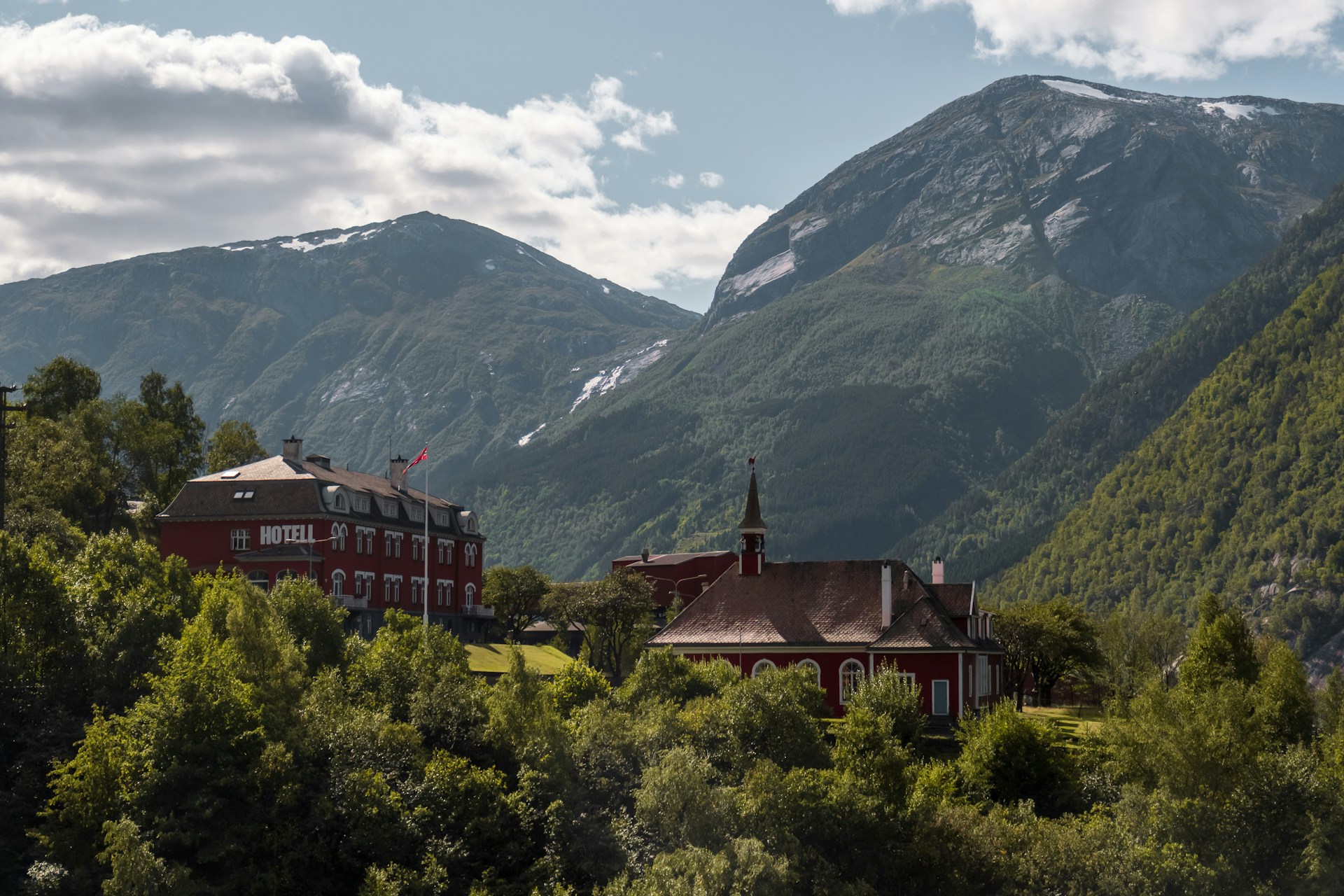
There's no single best place for Hardangerfjord accommodation.
Choose your base according to what you actually want to do.
For waterfalls and Hardangervidda: stay in Eidfjord.
For orchards, cider and hiking: consider Lofthus or Ulvik.
For Trolltunga: Odda or Tyssedal makes more sense.
For easy access from Bergen: look around Norheimsund or Øystese.
For Folgefonna: consider Jondal.
For culture and the southern fjord: look at Rosendal.
Hardangerfjord hotels range from modern fjordside properties to historic hotels and smaller local accommodation.
Among the better-known options are Hotel Ullensvang in Lofthus, Brakanes Hotel in Ulvik, Vøringfoss Hotel in Eidfjord, Trolltunga Hotel in Odda, Hardangerfjord Hotel in Øystese and the historic Utne Hotel, which dates to 1722.
But we'd choose the location first and the hotel second.
Saving a little money on accommodation isn't much of a victory if you then spend hours driving back and forth every day.
Driving the Hardangerfjord Scenic Road
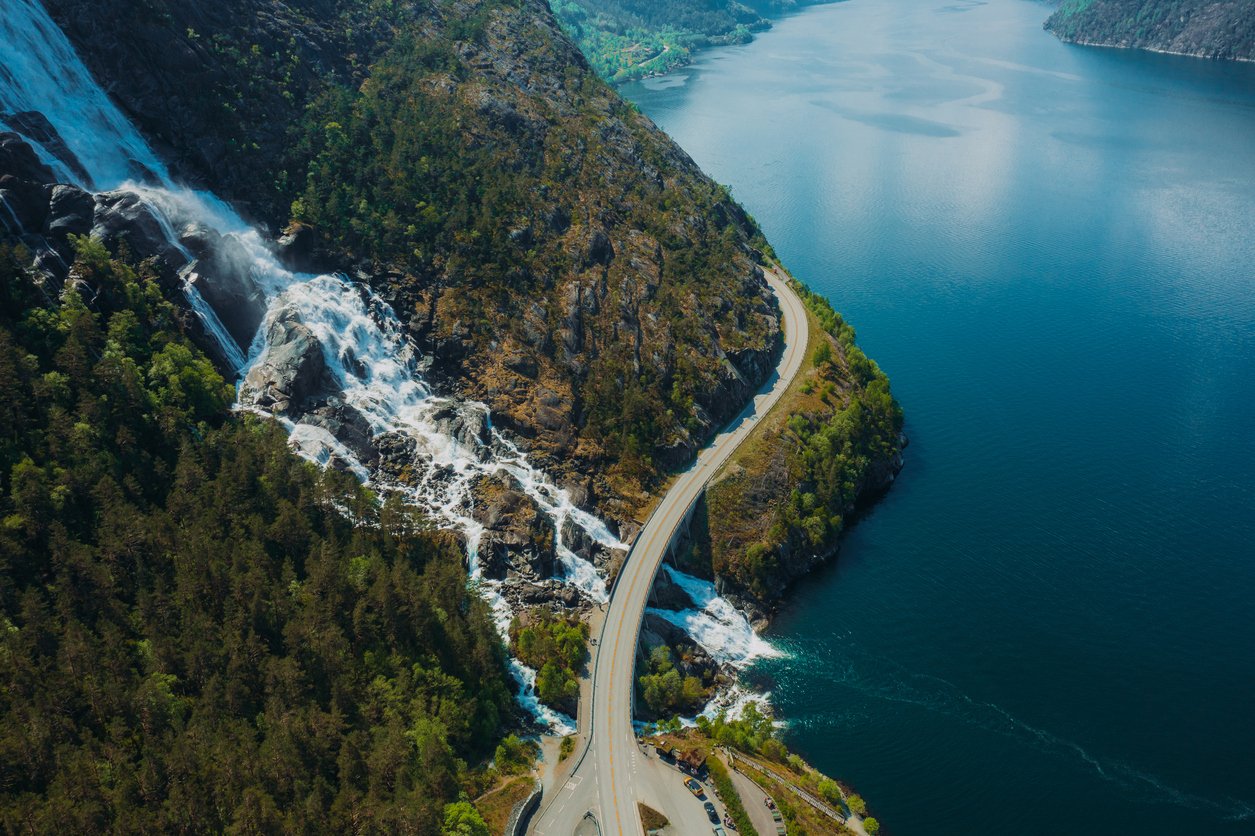
Road trips and Hardangerfjord go very well together.
The Norwegian Scenic Route Hardanger covers 158 kilometres divided into four sections:
Granvin–Steinsdalsfossen
Norheimsund–Tørvikbygd
Jondal–Utne
Kinsarvik–Låtefoss
The route uses roads 79, 49, 550 and 13 and includes several car-ferry crossings.
That's important.
This isn't a single uninterrupted road running around the fjord.
It's a journey stitched together by roads, bridges and ferries.
And that's precisely why it's interesting.
You'll pass orchards, farms, mountains and waterfalls, with plenty of reasons to stop.
Then there's Norwegian Scenic Route Hardangervidda.
This 67-kilometre route runs between Eidfjord and Haugastøl, climbing from the fjord towards the Hardangervidda plateau at around 1,250 metres. Vøringsfossen is the headline stop along the way.
If you have time for both routes, do both.
One shows you Hardanger close to the water.
The other shows how quickly Western Norway can change when you start climbing.
Hardangerfjord in Summer

Summer is the easiest season for a first visit to Hardangerfjord.
Long daylight hours give you more time for hiking, kayaking and sightseeing, while many seasonal attractions and transport services are operating.
It's also when mountain adventures such as Trolltunga become more accessible under normal summer conditions.
June, July and August are particularly good if your priority is outdoor activity.
Kayak the fjord.
Hike above it.
Take a cruise.
Drive the scenic routes.
Spend evenings beside the water.
The trade-off is obvious: you're not the only person who had this idea.
Summer is peak visitor season.
Popular attractions can be busy, particularly Trolltunga and major roadside stops.
Our advice?
Don't try to avoid every popular place.
Just give yourself enough time to discover the places between them.
When Is the Best Time to Visit Hardangerfjord?
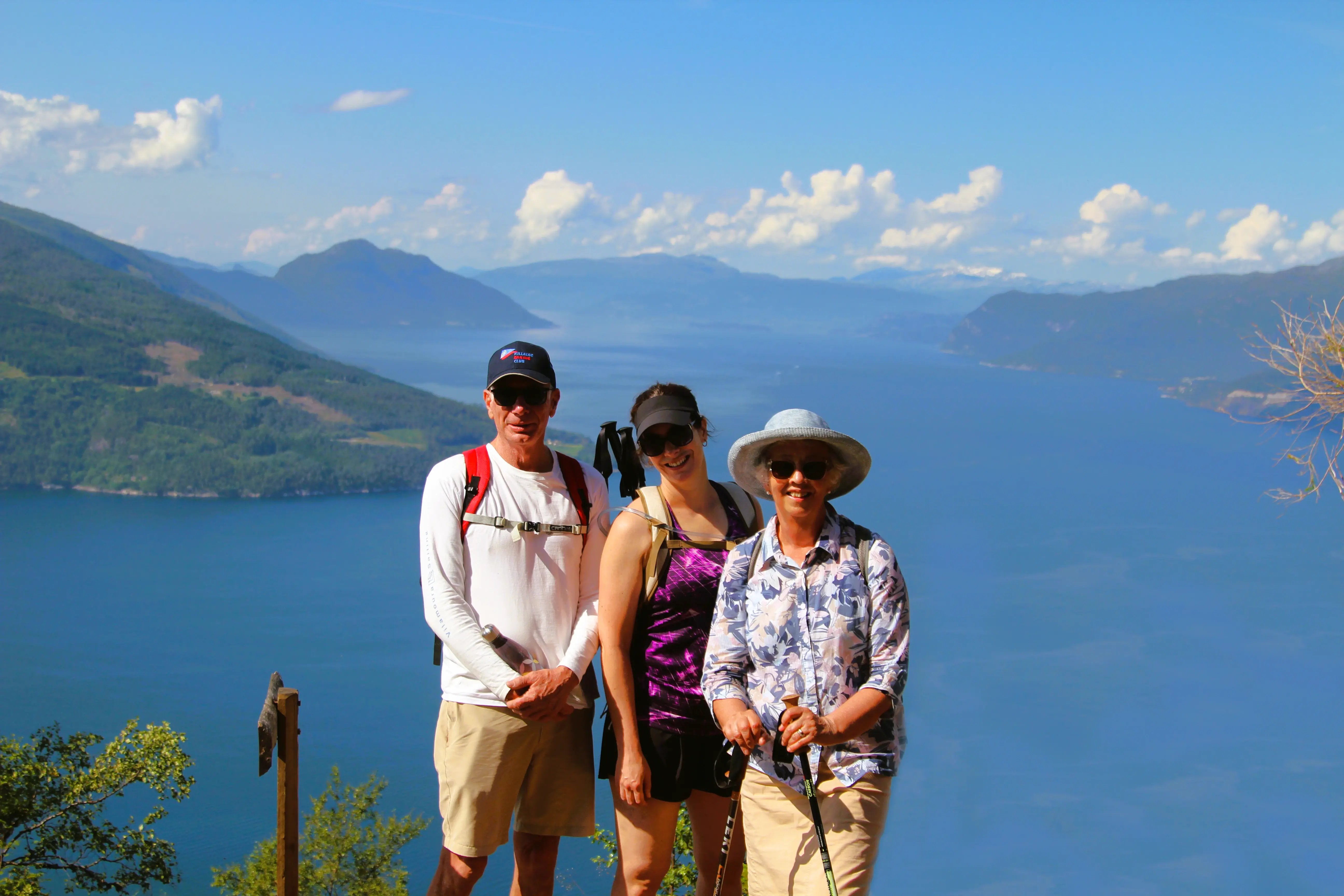
There isn't one answer.
Hardanger changes significantly with the seasons.
Spring: best for blossom and waterfalls
Spring might be Hardanger at its prettiest.
Fruit trees flower along the fjord while snow can still cover the mountains above them.
Blossom timing varies with the weather, but May is the key month to watch, with flowering sometimes extending into early June.
Melting snow also helps feed the waterfalls.
If orchards and photography are your priorities, spring is hard to beat.
Summer: best for outdoor adventure
For hiking, kayaking and long days outside, choose summer.
More mountain routes become accessible, sightseeing services are running and you have plenty of daylight.
It's also the busiest season.
Autumn: best for cider, fruit and fewer crowds
Spring shows you where the apples begin.
Autumn shows you where they end up.
Harvest season brings fruit, farm activity and cider, while visitor numbers begin to fall.
For food, autumn colours and a quieter atmosphere, this might be the underrated choice.
Winter: best for quiet
Hardanger doesn't disappear in winter.
Some attractions, transport services and outdoor experiences become seasonal or weather-dependent. Mountain hiking requires completely different preparation.
If you're specifically looking for a winter adventure, plan around what is actually operating rather than building a summer itinerary and assuming you can repeat it in January.
How Many Days Do You Need in Hardangerfjord?

You can see Hardangerfjord in a day.
You can't really experience Hardanger in a day.
As a rough guide:
1 day: Choose one area or take a day trip from Bergen.
2 days: Combine a fjord experience with waterfalls, orchards or a hike.
3 days: Enough for a strong first trip without constantly rushing.
4–5 days: Better if you want major hikes, kayaking, villages, cider and scenic driving.
The key thing to remember is:
Hardangerfjord isn't one attraction. It's a region.
If you're already travelling around Western Norway, three days is a very comfortable starting point.
A 3-Day Hardangerfjord Itinerary
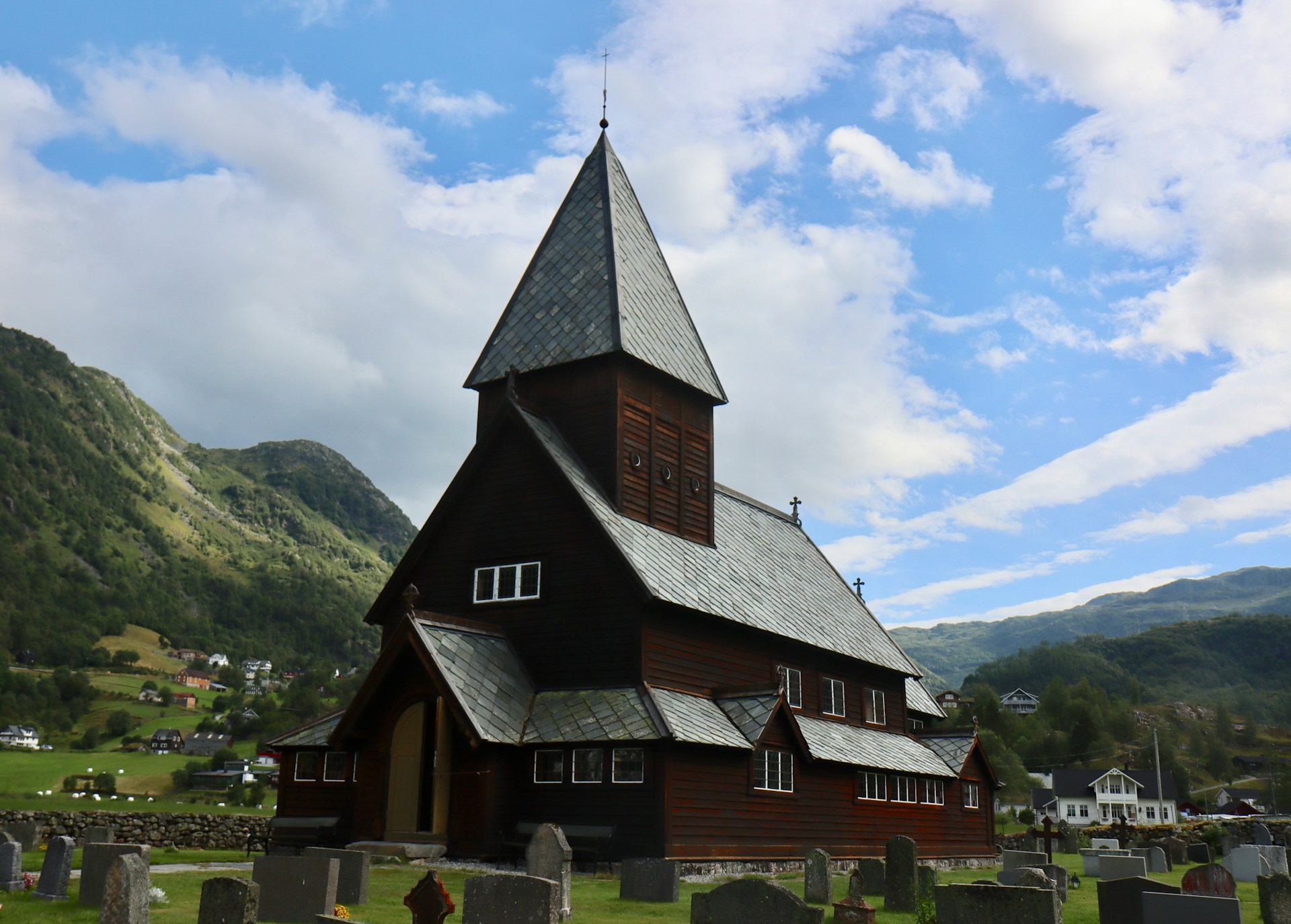
There are dozens of ways to build a Hardanger trip, but here's one approach for first-time visitors.
Day 1: Bergen to Hardanger
Leave Bergen and make your way towards Norheimsund.
Stop at Steinsdalsfossen before continuing deeper into the region.
From there, either explore by road or build part of the sightseeing boat into your journey.
Don't pack the first day with attractions.
Stop at viewpoints. Walk around a village. Have lunch somewhere overlooking the water.
You're in Hardanger now.
There's no prize for getting through it quickly.
Day 2: Get outside
Make this your active day.
Depending on where you're staying and your ability level, that could mean kayaking on Hardangerfjord, hiking in Husedalen, exploring the area around Folgefonna or taking on one of the region's mountain routes.
If Trolltunga is the objective, it deserves the entire day and should be planned separately with proper preparation.
For a more relaxed day, combine a shorter hike with time on the fjord.
Day 3: Orchards, waterfalls and the journey back
Use the final day for whatever makes sense for your route.
Visit Ulvik's Fruit and Cider Route.
Explore the orchards around Lofthus.
Stop at another waterfall.
Or simply follow the scenic road back towards Bergen.
One of the nice things about Hardanger is that the journey home doesn't have to feel like the end of the trip.
Hardangerfjord or Nærøyfjord?
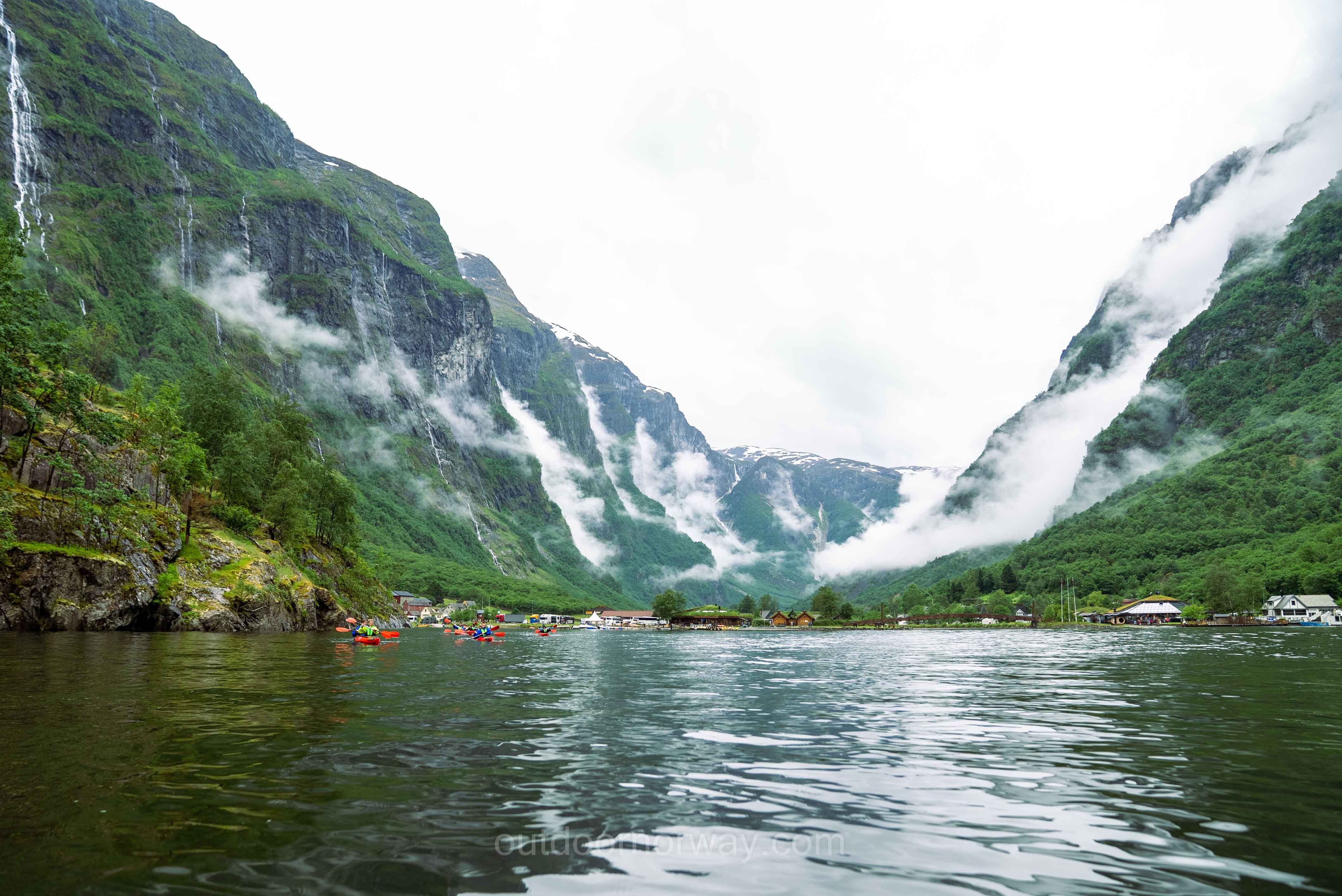
If you're planning a Western Norway trip, there's a good chance both names have appeared in your research.
So which should you visit?
They offer different experiences.
Choose Hardangerfjord if you want a larger region to explore over several days, with waterfalls, orchards, cider, road trips, hiking and outdoor activities.
Choose Nærøyfjord if you want an exceptionally narrow and dramatic fjord experience that works particularly well as part of a compact sightseeing itinerary.
But this isn't really a competition.
If you're spending several days in Fjord Norway, visit both!
For a completely different fjord experience, you can also go kayaking in Nærøyfjord as well.
Your Hardangerfjord Cheat Sheet: Frequently Asked Questions
Is Hardangerfjord worth visiting?
Yes, particularly if you want more than a short fjord sightseeing experience. Hardangerfjord combines fjord landscapes with waterfalls, major hikes, glaciers, orchards, cider farms, villages and scenic roads, making it easy to spend several days in the region.
What is Hardangerfjord famous for?
Hardangerfjord is known for its fjord scenery, waterfalls, fruit orchards and cider, as well as attractions including Trolltunga, Vøringsfossen and Folgefonna glacier.
How far is Hardangerfjord from Bergen?
It depends where in Hardanger you're going. The western edge of the region begins relatively close to Bergen, with the official tourism organisation describing Hardanger as approximately an hour from Bergen, while places deeper in the region require considerably more travel.
Can you visit Hardangerfjord on a day trip from Bergen?
Yes. Norheimsund, Steinsdalsfossen and Hardangerfjord cruises are particularly practical options for day trips from Bergen. The seasonal sightseeing boat from Norheimsund into Hardangerfjord is designed to connect with transport from Bergen.
How do you get from Bergen to Hardangerfjord?
You can travel by car, bus or a combination of bus and boat. The best option depends on which part of Hardangerfjord you're visiting.
Can you visit Hardangerfjord without a car?
Yes. Buses and boats connect several Hardanger destinations, although having a car gives you greater flexibility. Some services are seasonal, so always check current timetables.
When is the best time to visit Hardangerfjord?
Choose spring for fruit blossom and waterfalls, summer for hiking and kayaking, and autumn for apple harvest, cider and fewer visitors. Winter offers a quieter experience, but some activities and transport options are seasonal.
How many days do you need in Hardangerfjord?
Three days is a good amount of time for a first visit. You can take a day trip from Bergen, but two to five days gives you considerably more freedom to combine the fjord with waterfalls, hiking, orchards and villages.
Do you need a car in Hardangerfjord?
No, but it helps. Public transport can work well if you're concentrating on specific destinations such as Norheimsund, Ulvik, Eidfjord or Rosendal. A car is more convenient for a multi-stop road trip.
Can you swim in Hardangerfjord?
Yes, swimming is possible from accessible shorelines and beaches, but remember that fjord water can be very cold even when the weather is warm. Conditions vary by location, so choose a safe access point and use local information before getting in.
Experience Hardangerfjord With Outdoor Norway!
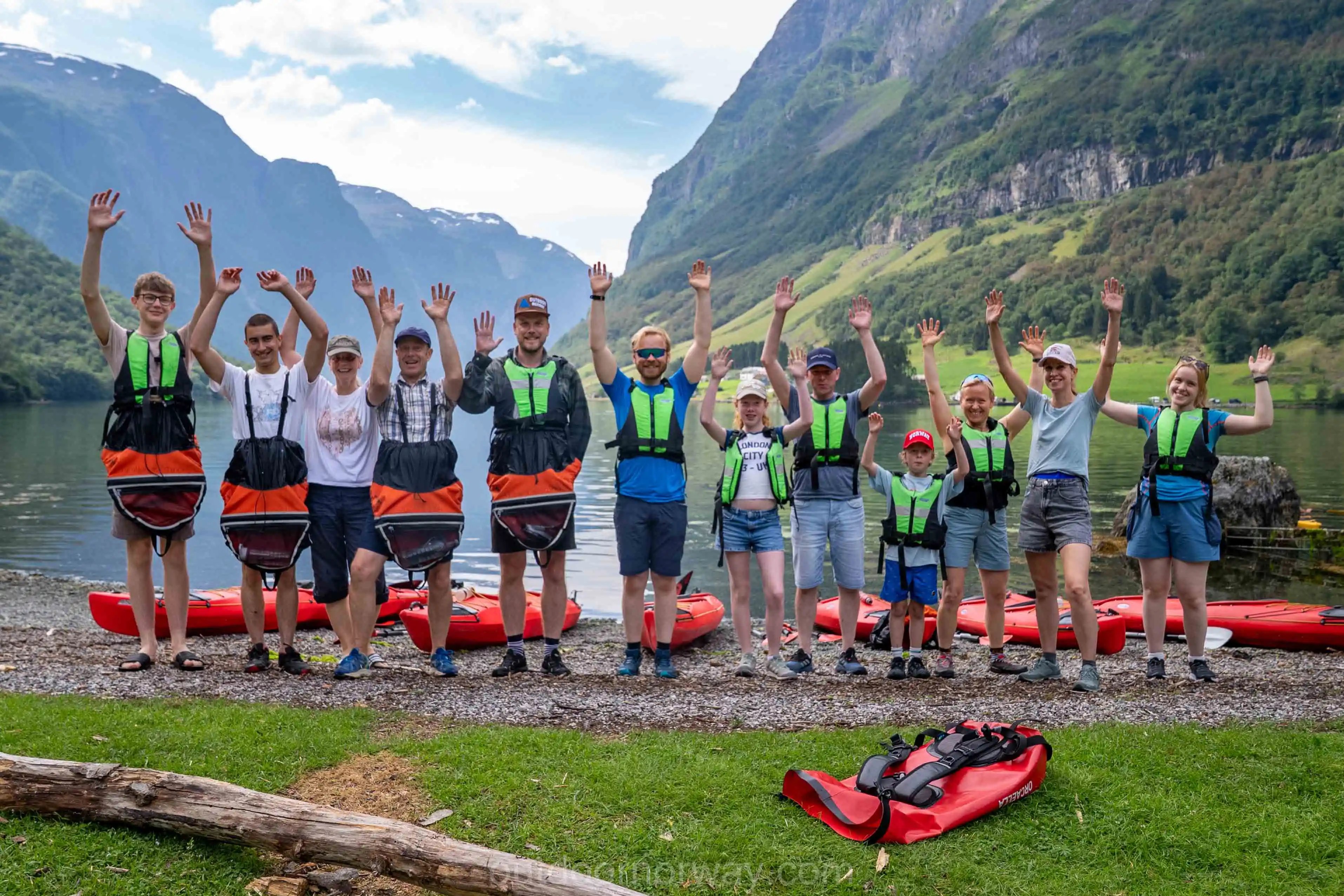
You can drive around Hardangerfjord.
You can stop at the viewpoints.
And you'll probably take far too many photos.
But our favourite way to experience this part of Norway is to actually get out into it.
Paddle beneath the mountains. Hike above the water. Follow trails towards waterfalls. Spend enough time here that Hardanger becomes more than another stop on your Norway itinerary.
Because Hardangerfjord looks impressive from the road.
It feels even better when you're out there.
Join our Hardangerfjord kayak tour and explore one of Europe’s coolest fjords from ground level.