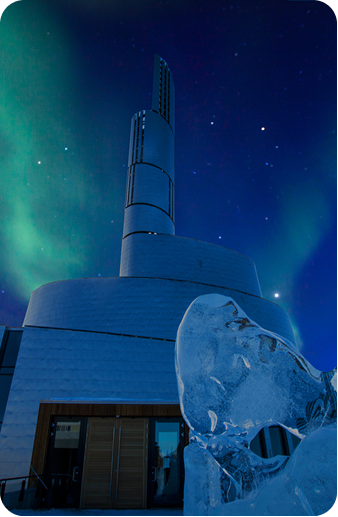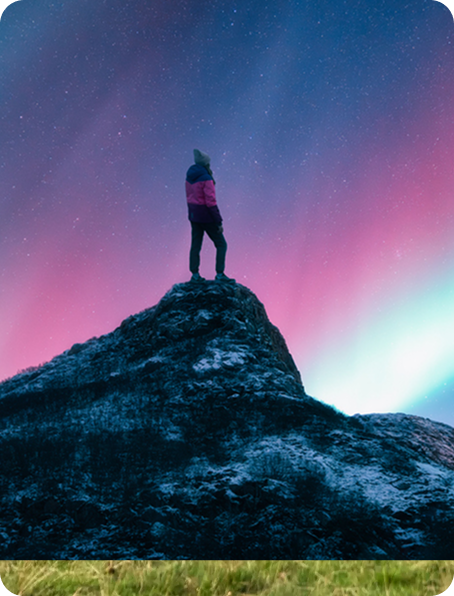
The northern lights don't care about your schedule. They show up on their own terms - sometimes as a faint green wash low on the horizon, sometimes as a full curtain of colour moving faster across the sky than you'd expect. Norway is one of the few places where you can watch this happen with mountains and frozen fjord valleys spread out below you.
2026 is still one of the strongest aurora years in over a decade. Solar activity remains elevated, geomagnetic storms are occurring regularly, and the lights have been pushing further south than usual.
If this trip has been on your list 2026 is your year and this is the season to visit Norway.
When Is the Best Time to See the Northern Light
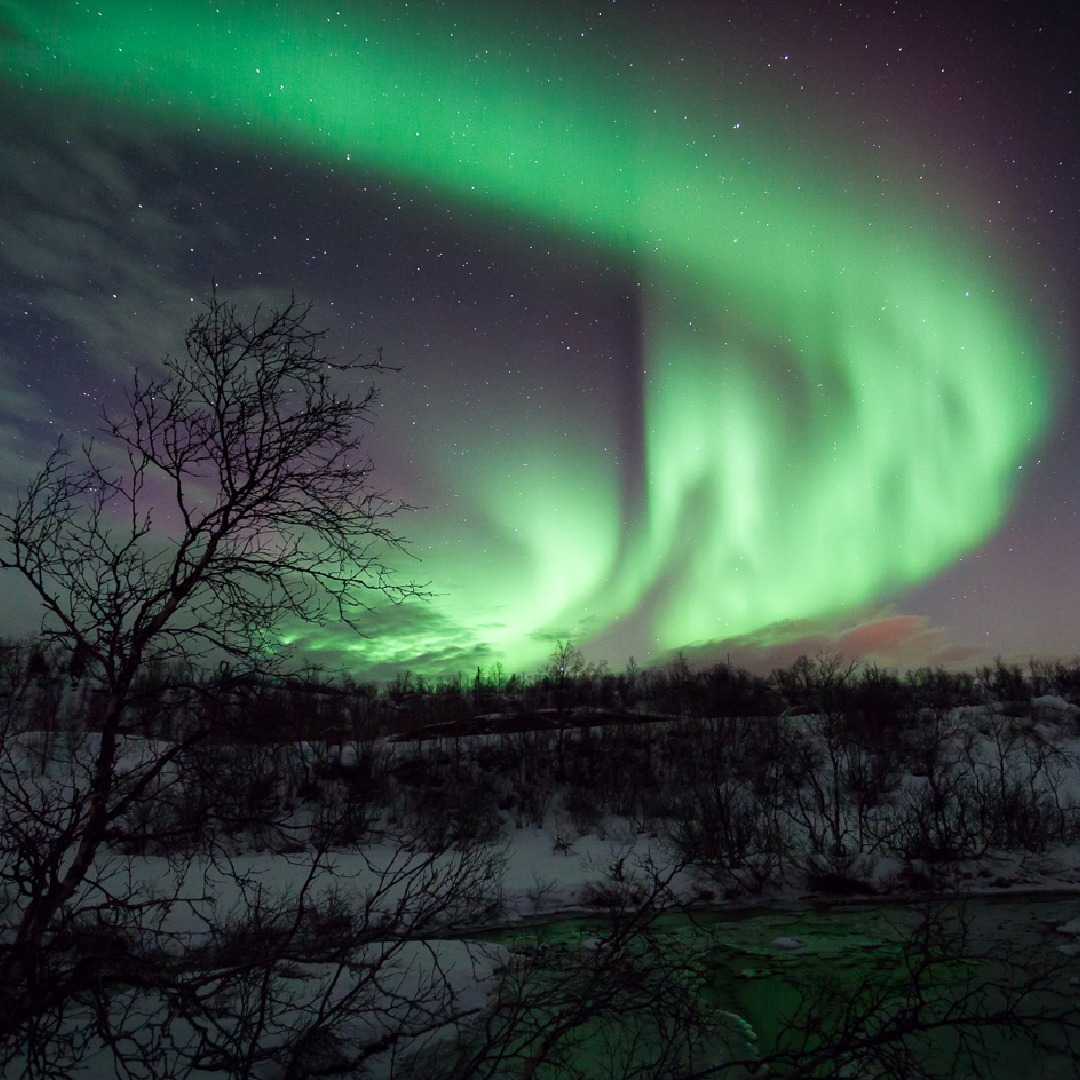
The aurora season in Norway runs from late September to late March. A few things to know before you plan:
- Best months: September to October and March to April. The equinox effect boosts geomagnetic activity, giving those months a statistical edge over deep winter.
- Best hours: Between 6pm and 2am. That's when the sky is at its darkest and aurora activity peaks.
- What matters most: Clear skies. A strong solar event on a cloudless January night outperforms a peak-season evening under heavy cloud cover every time.
- How many nights: Three to four minimum. The lights don't appear on demand, and a longer stay gives you room to wait out bad weather.
For more info, check out our full guide to the best time to see the Northern Lights in Norway.
Best Places to See the Northern Lights in Norway
The far north is where the aurora is most consistent. During the current elevated solar period, strong displays have been pushing further south than normal.
| Location | What to know |
| Tromsø | The main hub. Above the Arctic Circle, direct international flights, highest viewing consistency. |
| Lofoten | Dramatic scenery, above the Arctic Circle, pairs well with a visit to Vesterålen. |
| Bodø | Up and coming, good airport access, less crowded than Tromsø. |
| Alta | Known for clear inland skies, quieter, strong geomagnetic conditions. |
| Svalbard | Most reliable, full polar night from November, most remote. |
| Voss / Western Norway | Visible during strong geomagnetic activity (Kp 4+). Voss's inland position gives clearer skies more often than the Bergen coast. |
Wherever you go, get away from town lights. A 10-15 minute drive from any of these locations puts you in enough darkness to catch a real display. Face north, let your eyes adjust, give it time.
There are nights in Norway when the whole sky moves colours you didn't expect, shifting faster than feels possible. It's like a magical experience that's worth every minute.
What You Need to See the Northern Lights
- Dark sky: away from town lights, with an open view to the north
- Clear sky: check the forecast the afternoon before
- Kp index of 4 or higher: at Voss and western Norway (~60°N), you need a reasonably strong geomagnetic event. Locations further north need less.
- Warm layers: Voss drops to around -5°C to -7°C at night in winter, occasionally lower. Dress for standing still in the cold, not moving.
- 3 to 4 nights minimum: more nights means more chances to hit a clear, active evening
For live aurora forecasting, check Norway Lights at norway-lights.com. It provides hourly and daily forecasts across Norwegian locations from September to March. Check it in the afternoon before you plan to go out as the accuracy drops sharply beyond 24 hours.
Ski the Mountains by Day. Watch the Sky at Night.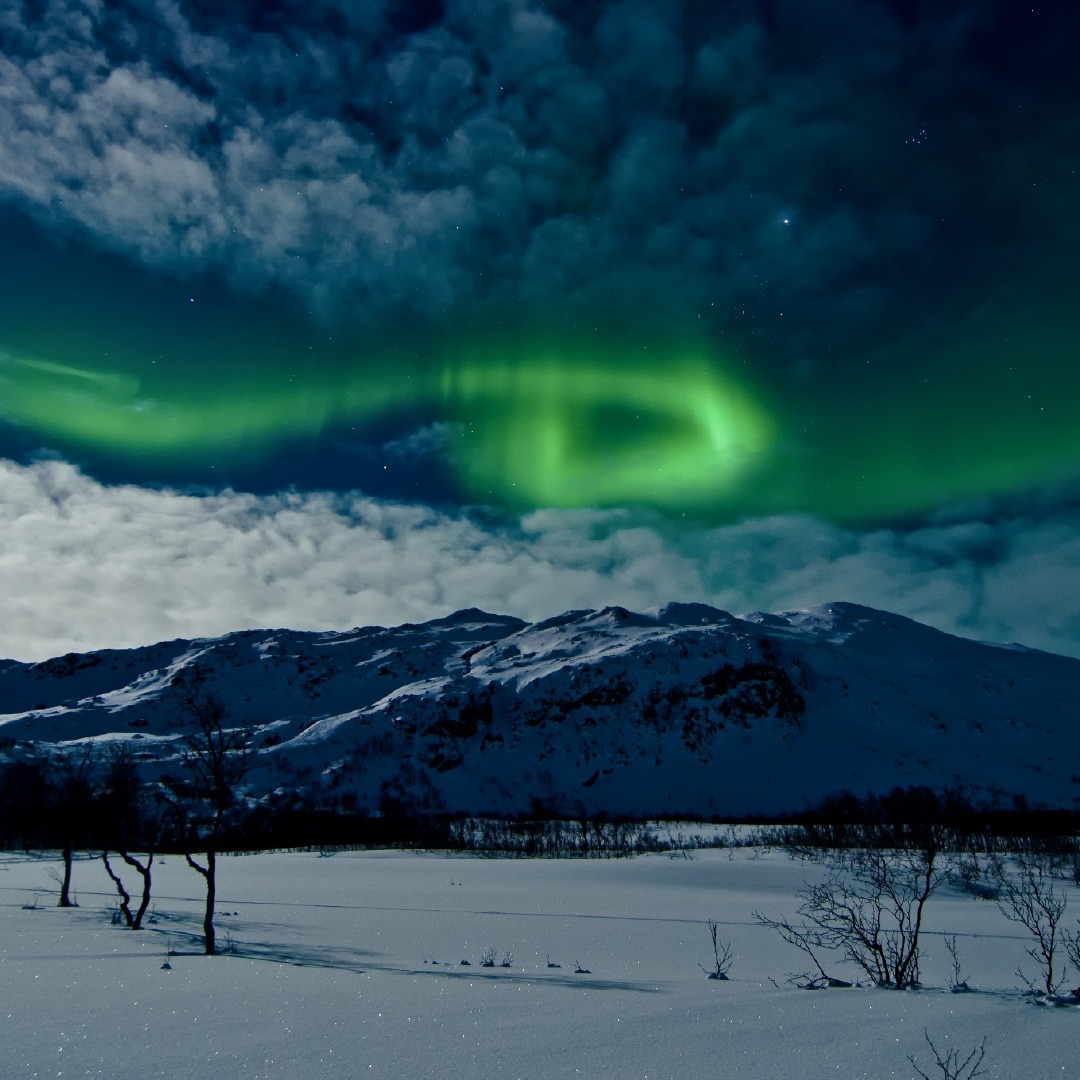
The northern lights are a reason to come to Norway in winter. But, they're not the only ones. The mountains above Voss hold reliable snow from December through April. That means full days on the terrain before the evening.
Outdoor Norway's winter multi-day tours run the full length of that season. The 3-Day Winter Multi-Sport Explorer takes you across the Voss mountains on skis and snowshoes with a professional guide. You cover serious ground during the day. And in the evening, you're already in one of the better inland positions in western Norway for watching the night sky. The winter guide to Voss covers everything else the area offers before you book.
FREQUENTLY ASKED QUESTIONS
IS VOSS A GOOD PLACE TO SEE THE NORTHERN LIGHTS IN NORWAY?
Voss sits at around 60°N - at the southern edge of the auroral zone. You need a Kp index of 4 or higher for a sighting, which happens regularly during active solar periods. Its inland position gives clearer skies than the Bergen coast. Not Tromsø, but a legitimate base during strong conditions.
WHAT IS THE BEST TIME TO SEE NORTHERN LIGHTS IN NORWAY?
September to October and March to April are the best time to visit Norway to see the northern lights because of the equinox effect. Clear skies matter more than the specific month. Plan three to four nights to give yourself a real window.
HOW DO I CHECK THE AURORA BOREALIS FORECAST BEFORE HEADING OUT?
Norway Lights at norway-lights.com provides hourly and daily forecasts across Norway from September to March. Check it the afternoon before you plan to go out. For Voss and western Norway, look for a Kp index of 4 or above.
CAN I COMBINE A NORTHERN LIGHTS TRIP WITH WINTER ACTIVITIES IN VOSS?
Outdoor Norway's guided skiing, snowshoeing, and winter multi-day tours run December through late April - the same window when aurora conditions are strongest. Full days in the mountains, clear evenings to watch the sky.
ARE NORTHERN LIGHTS HOLIDAYS TO NORWAY WORTH IT FROM WESTERN NORWAY?
If aurora hunting is your only goal, go north. If you want the lights alongside real mountain adventure - skiing, snowshoeing, winter terrain that takes your breath away - western Norway and Voss make a strong case. Lower cost than a far-north trip. More to do when the clouds roll in.