
If seeing the Aurora Borealis is high on your Norway bucket list, timing matters. But there isn't one magic week when the lights suddenly switch on.
The best time to see the Northern Lights in Norway is during the darker months, generally from September through March in Northern Norway. The Aurora itself occurs throughout the year, but you need sufficiently dark and clear skies to see it.
Official Norwegian tourism sources place the main viewing season from roughly late August or September through late March or early April, depending on the destination. And we’d agree with them.
Best Time to See the Northern Lights in Norway in 2026/2027 - Our Cheat Sheet
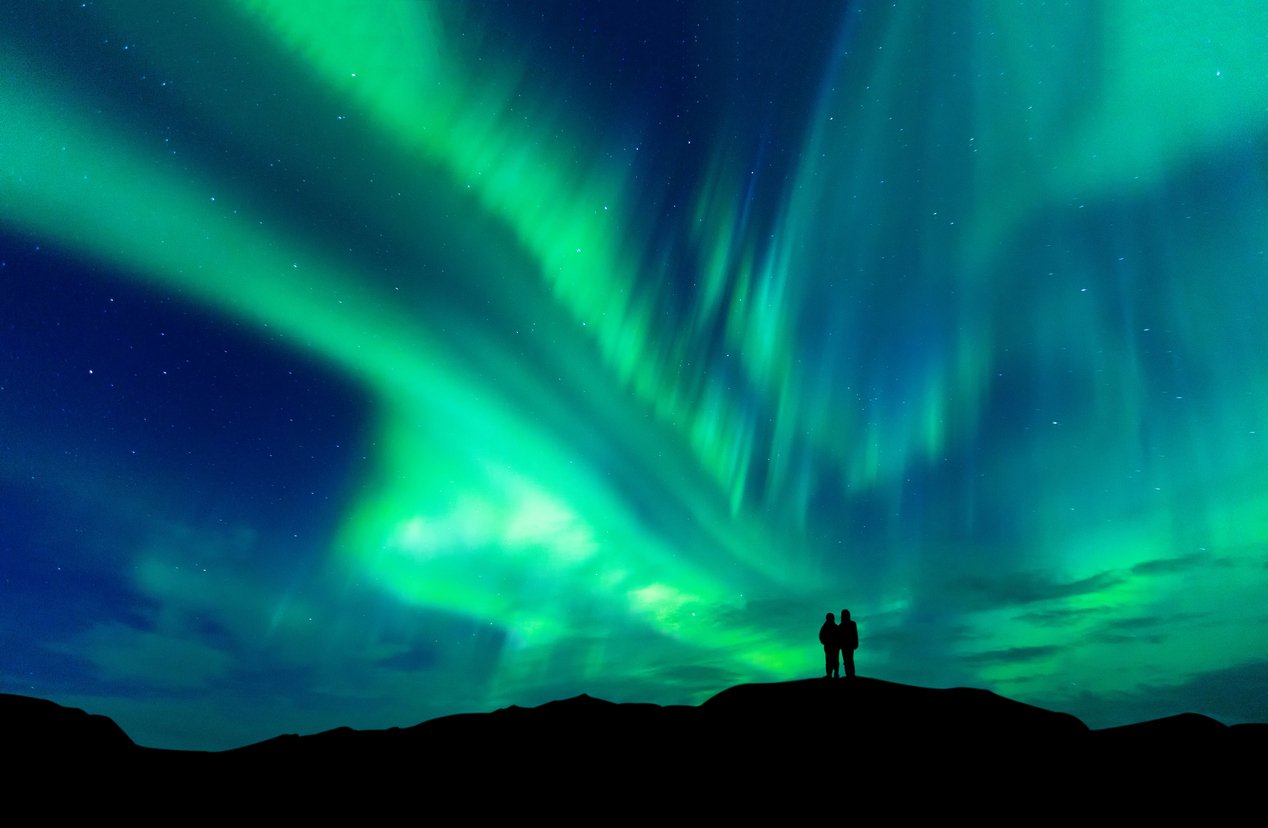
The best month for your trip depends on what you want beyond the Aurora.
September and October offer darkness without the deepest winter conditions. December and January bring exceptionally long Arctic nights. February and March still offer dark evenings while giving you increasing daylight for dogsledding, snowmobiling, snowshoeing and exploring Northern Norway during the day.
|
When to visit |
Northern Lights conditions |
Best for |
|
September–October |
Dark nights return |
Aurora & autumn scenery |
|
November–January |
Very long periods of darkness |
Deep Arctic winter atmosphere |
|
February–March |
Dark nights + increasing daylight |
Aurora & winter adventures |
|
April–August |
Increasing/constant daylight |
Generally not ideal for Aurora trips |
If we had to choose the perfect time for a complete Arctic holiday rather than an Aurora-only trip, February and March would be hard to beat.
When Can You See the Northern Lights in Norway?
You can generally see the Northern Lights in Northern Norway from September until late March, with the exact season varying somewhat by latitude and destination.
For example, the Tromsø region can experience visible Aurora from late August to early April when the sky is sufficiently dark and clear. Visit Norway generally describes Northern Norway's Northern Lights season as running from late August/September through late March.
There's an important distinction here: The Northern Lights don't disappear during summer. You simply can't see them when the sky is too bright.
The Aurora is caused by charged particles from the sun interacting with Earth's upper atmosphere. It occurs year-round, but the long daylight and Midnight Sun of the Arctic summer make it invisible to us.
So when deciding when to see the Northern Lights in Norway, you need three things to come together:
- Sufficient darkness
- Aurora activity
- Clear enough skies
That last one is easily overlooked. A powerful Aurora display taking place above thick clouds isn't much use to you standing underneath them.
And no month guarantees a sighting.
Best Time to See the Northern Lights in Norway by Month
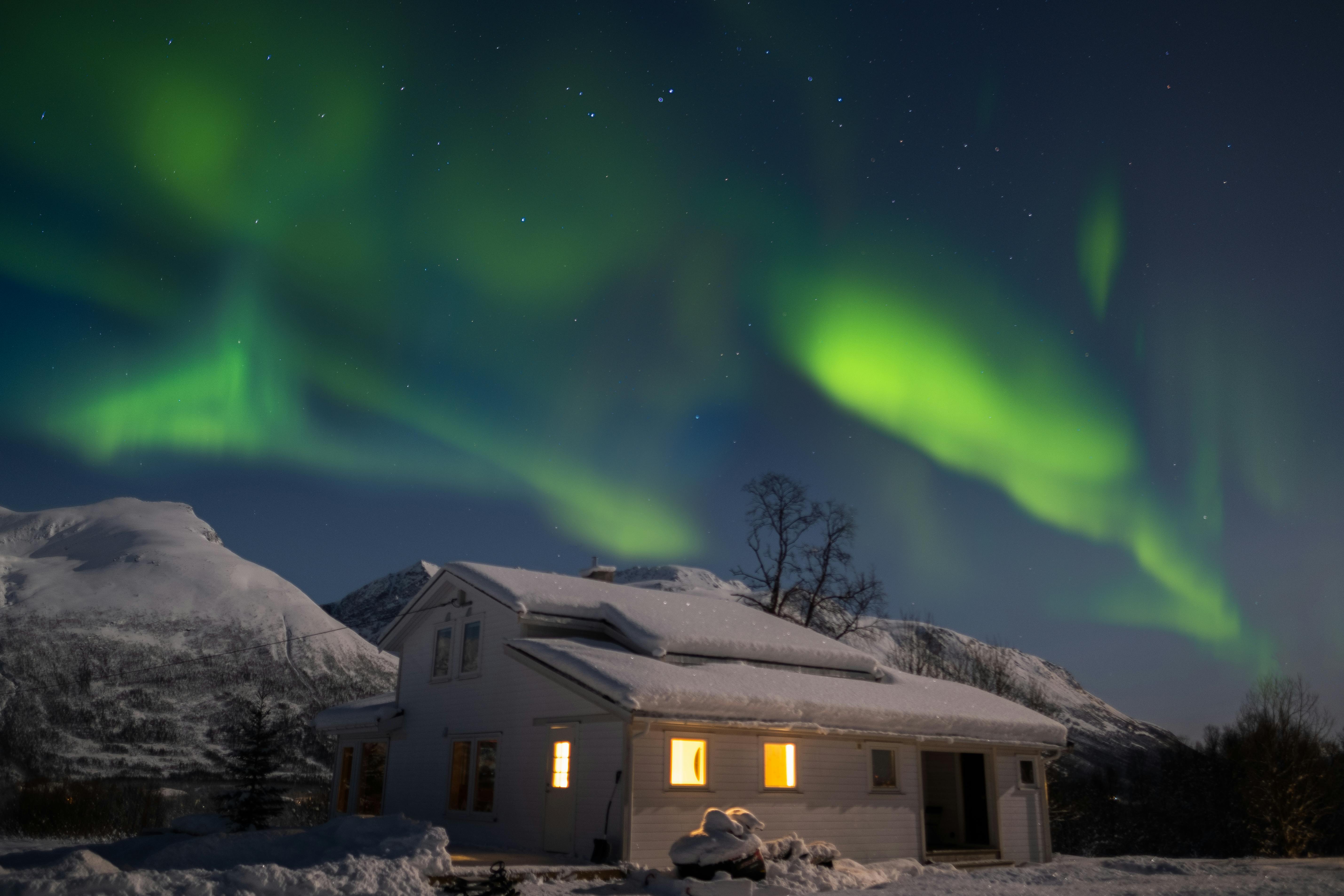
The Northern Lights season stretches across several months, and each part of the season offers a different version of Northern Norway.
That's why asking for the best month to see the Northern Lights in Norway isn't quite as simple as picking the month with the longest nights.
Northern Lights in Norway in September
September marks the return of properly dark nights to Northern Norway after the bright Arctic summer.
It's a great choice if seeing the Aurora is important but you're not necessarily looking for a full winter holiday. Autumn colours, relatively milder conditions and increasingly dark evenings make September very different from travelling in January or February.
September and October are also interesting from an Aurora perspective. Visit Norway notes that autumn, along with spring, statistically experiences high levels of Aurora activity.
The trade-off is obvious: if your dream Norway trip involves deep snow, dogsledding and snowmobiling, early autumn may be too soon for some winter activities.
Northern Lights in Norway in October
By October, nights are getting longer and the Northern Lights season is well underway across the north.
This can be an excellent compromise for travellers who want Northern Lights in Norway without travelling during the darkest part of Arctic winter.
You'll have substantially more darkness than earlier in autumn while still experiencing a very different landscape from the snow-heavy months later in the season.
Northern Lights in Norway in November
November takes you much further into the Arctic winter.
Daylight decreases rapidly in Northern Norway, nights become long and winter conditions begin taking over the landscape. As you travel farther north, you're also approaching or entering the period when the sun remains below the horizon.
For Aurora travellers, that means plenty of darkness. For the rest of your holiday, however, you'll need to be comfortable with limited daylight.
Northern Lights in Norway in December
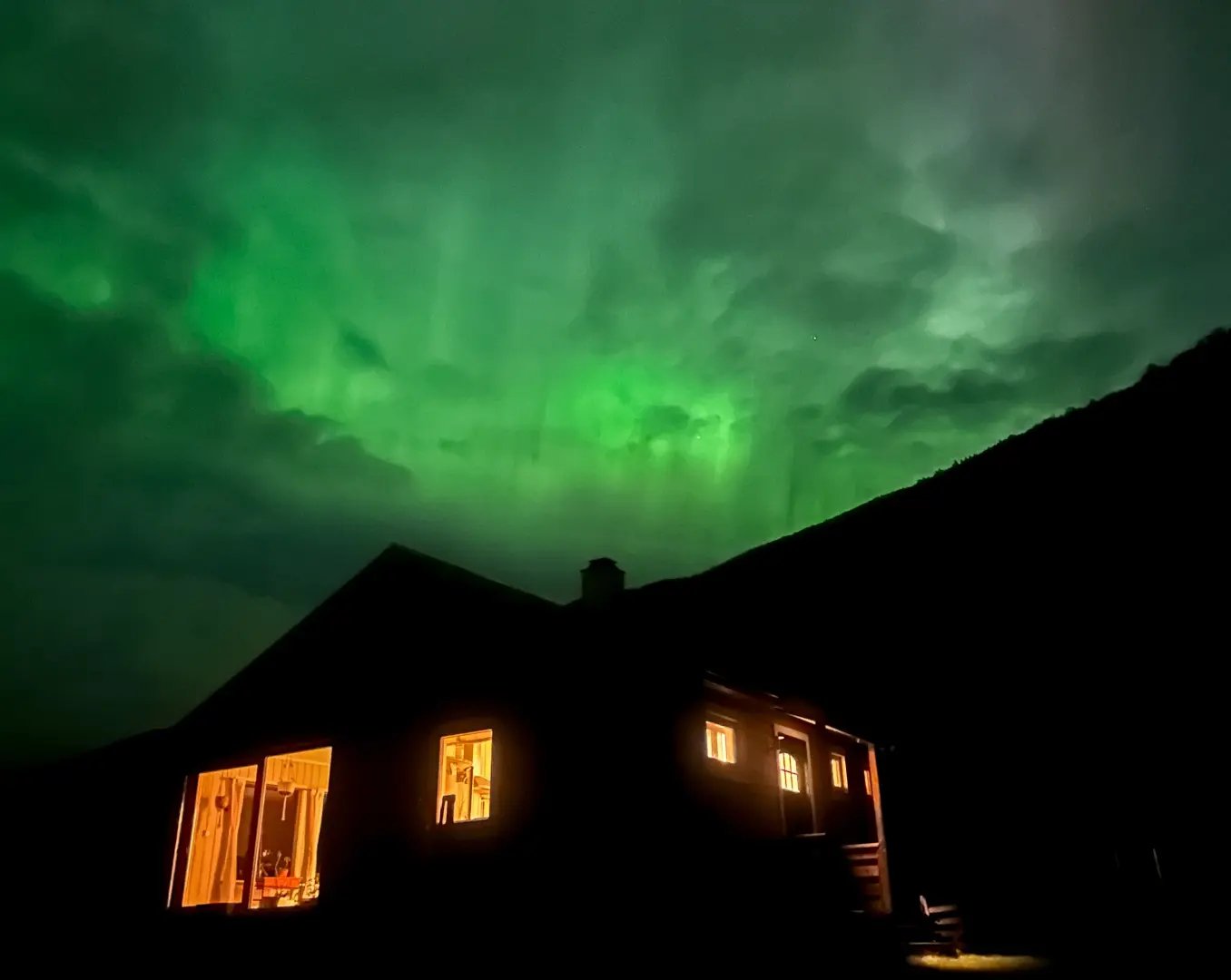
If you imagine your Northern Lights trip surrounded by long Arctic nights, snow and proper winter atmosphere, look at December.
Across much of Northern Norway, the sun remains below the horizon for at least part of winter, although Polar Night doesn't mean complete 24-hour blackness everywhere. Depending on where you are, twilight and the distinctive blue Arctic light can still illuminate part of the day.
December gives you very long windows of darkness, but don't confuse more darkness with a guarantee of seeing the Aurora. Cloud cover and Aurora activity still have to cooperate.
Northern Lights in Norway in January
January remains deep winter territory.
You’ll have long nights, snowy Arctic landscapes and excellent opportunities to build a holiday around classic winter experiences. If you're travelling north specifically because you want the full Arctic winter feeling, January deserves serious consideration.
The compromise is again daylight. There is less of it for sightseeing and daytime winter activities than later in the season.
Northern Lights in Norway in February
For us, February is one of the most interesting months for a Northern Lights trip to Norway.
Nights remain dark enough for Aurora viewing, but daylight is returning. That makes it easier to spend the day experiencing the Arctic before turning your attention to the sky in the evening.
Think dogsledding through a snowy valley during the day, snowmobiling across an Arctic plateau, and then stepping outside after dark to see whether the Aurora makes an appearance.
You're no longer choosing between Northern Lights and daytime adventure quite as much.
Northern Lights in Norway in March
March is another strong contender for the best time to visit Norway for Northern Lights.
You still have dark nights and winter landscapes, but considerably more daylight than during the depths of Polar Night. That balance can make March especially attractive if the Aurora is one major part of your holiday rather than its only purpose.
Official tourism information also identifies the spring period around March/April, along with September/October, as statistically associated with higher Aurora activity.
For an active Arctic trip combining the Northern Lights with daytime winter experiences, March can be excellent.
Can You See the Northern Lights in Norway in April?
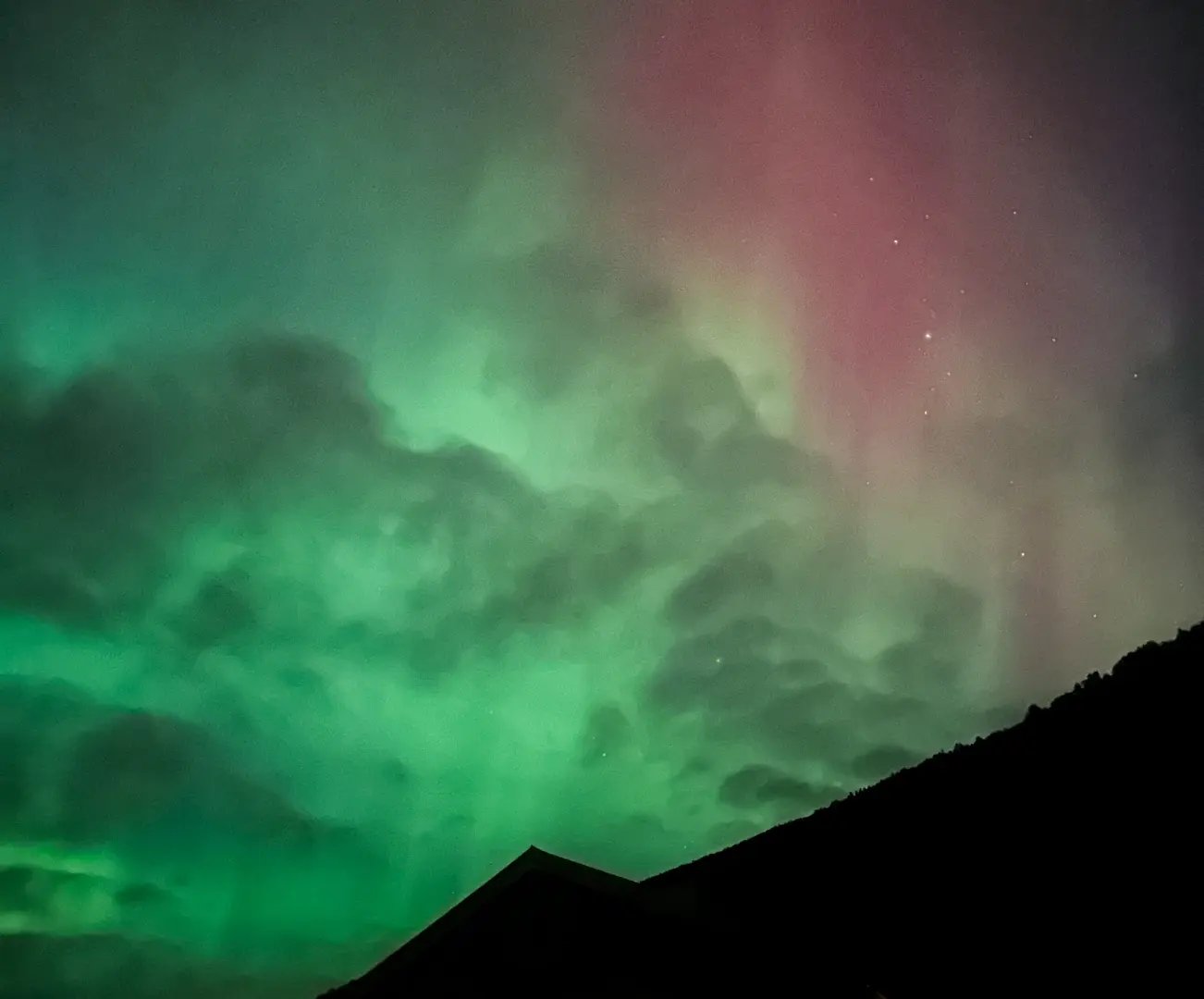
Potentially, particularly in early April and at destinations where sufficiently dark nights remain.
Tromsø, for example, describes its potential Northern Lights season as extending into early April.
But daylight increases rapidly at these latitudes. As April progresses, the viewing window shrinks, and some winter tour seasons begin winding down.
If the Northern Lights are one of your main reasons for travelling, we'd generally choose an earlier month rather than pushing the trip towards the end of the season.
What About May, June, July and August?
This is not the time to plan a Northern Lights holiday in Northern Norway.
The problem isn't that the Aurora stops occurring. The problem is light.
Northern Norway experiences extremely long days and, above the Arctic Circle, the Midnight Sun during part of summer. There's simply not enough darkness to see the Aurora.
By late August, sufficiently dark nights begin returning in places such as Tromsø, and another Northern Lights season begins.
So, What Is the Best Month to See the Northern Lights in Norway?
There isn't one objectively best month.
It depends on what you want your Norway trip to look like.
For the longest periods of darkness consider December and January.
For Northern Lights without the depths of Arctic winter we’d go for September and October.
For Northern Lights combined with snowy winter adventures and increasing daylight we'd look closely at February and March.
If we were planning a complete Arctic adventure rather than travelling solely to tick the Aurora off a list, February through March would be our recommendation.
You retain the dark nights needed for Northern Lights viewing while gaining more daylight to actually experience Northern Norway.
And that's important.
You might travel north because of what you hope to see in the sky. But you shouldn't have to spend the entire holiday waiting for darkness.
Where Is the Best Place to See the Northern Lights in Norway?
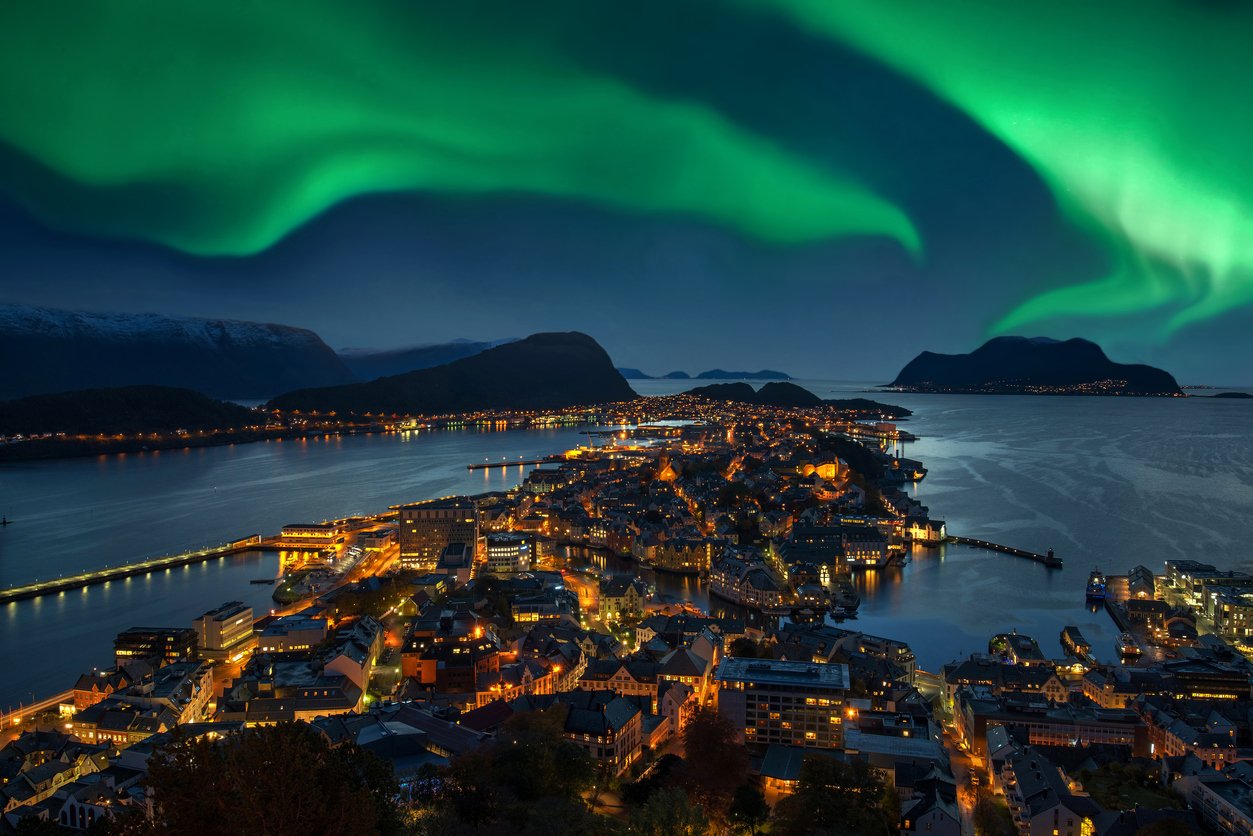
Timing is only half the question. You also need to decide where in Norway you want to go.
Northern Norway sits beneath the auroral zone and offers the country's most consistent Northern Lights opportunities.
Three names are likely to appear repeatedly during your research: Alta, Tromsø and Svalbard.
All three can deliver extraordinary Arctic experiences, but they aren't interchangeable.
Alta, Norway: Northern Lights & Arctic Wilderness
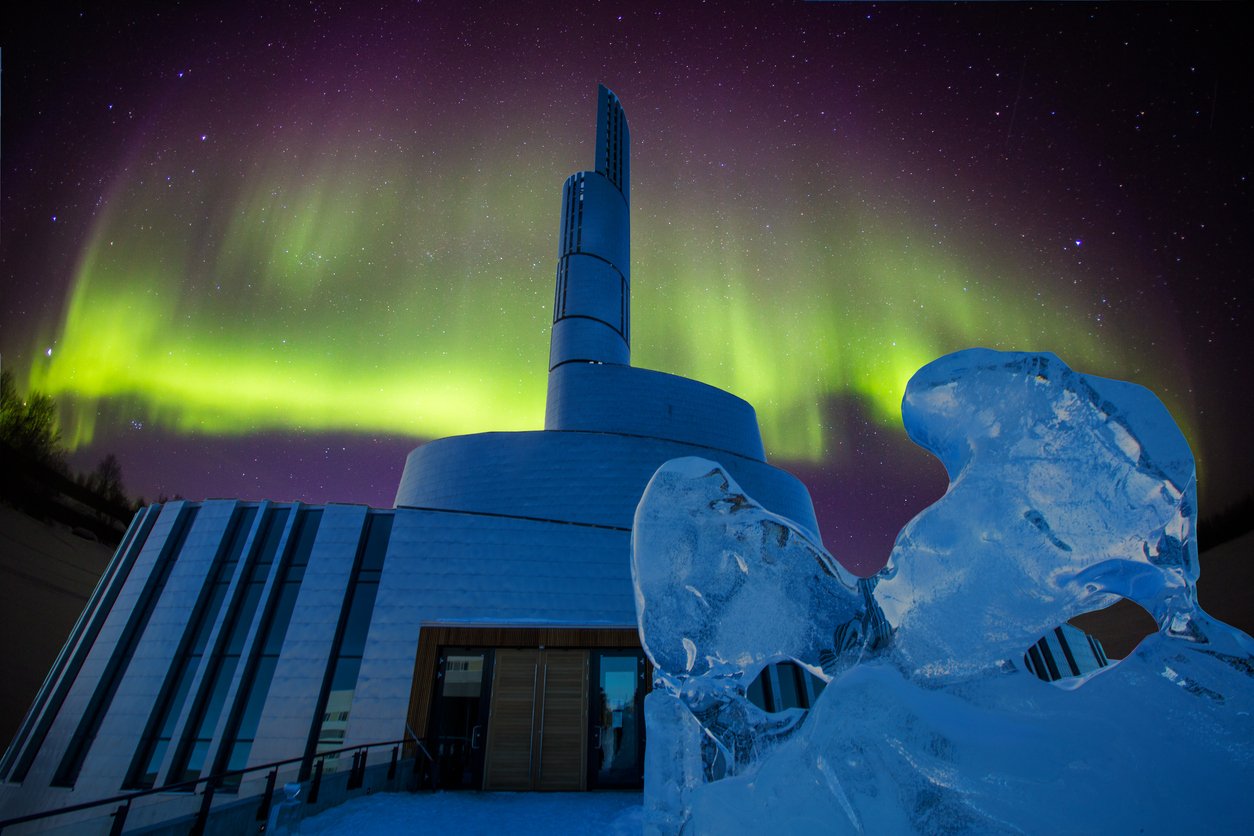
For travellers researching Alta, Norway and the Northern Lights, the biggest advantage is everything you can build around the Aurora.
Alta gives you access to Arctic wilderness, snowy valleys and the vast Finnmarksvidda plateau, creating opportunities to combine Northern Lights evenings with experiences such as dogsledding, snowmobiling and snowshoeing.
That makes it particularly attractive if you don't want your entire trip riding on one Aurora chase.
Spend the day driving your own team of huskies. Cross the winter landscape on a snowmobile. Head out on snowshoes. Then, when darkness arrives, look up.
The Aurora becomes part of a much bigger Arctic journey.
Northern Lights in Tromsø, Norway
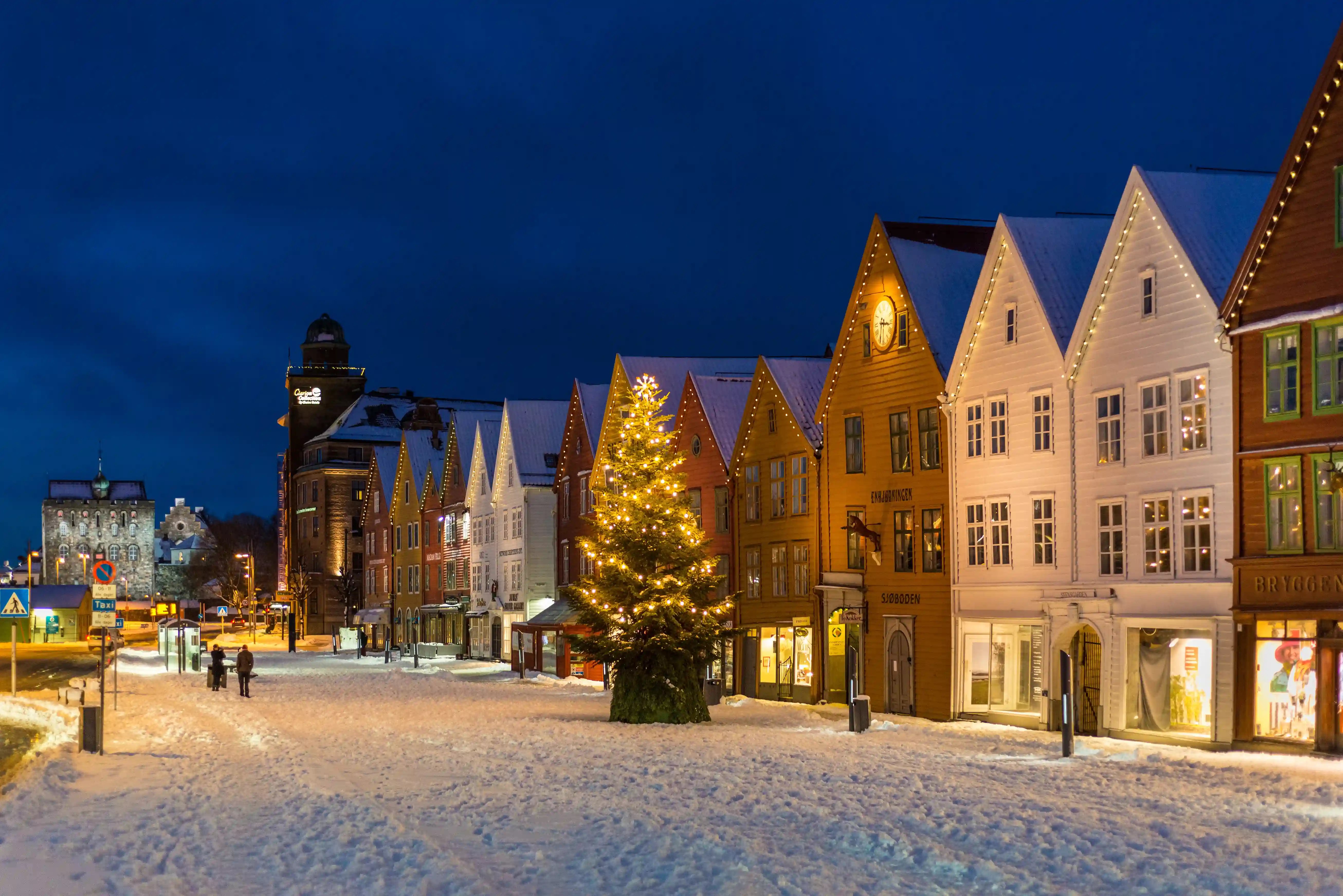
Search for the Northern Lights in Norway and Tromsø won't take long to appear.
The city sits at around 69 degrees north within the auroral zone and has developed a huge range of Northern Lights and winter experiences around its Arctic location. The local tourism authority puts the potential viewing season from late August through early April, provided conditions are dark and sufficiently clear.
If you want Tromsø, Norway Northern Lights winter experiences, one major advantage is the combination of an Arctic city with easy access to surrounding nature.
You can experience restaurants, museums (we always recommend the Polar Museum) and city life while using Tromsø as a base for Aurora tours and other winter activities.
Svalbard, Norway: Northern Lights During Polar Night
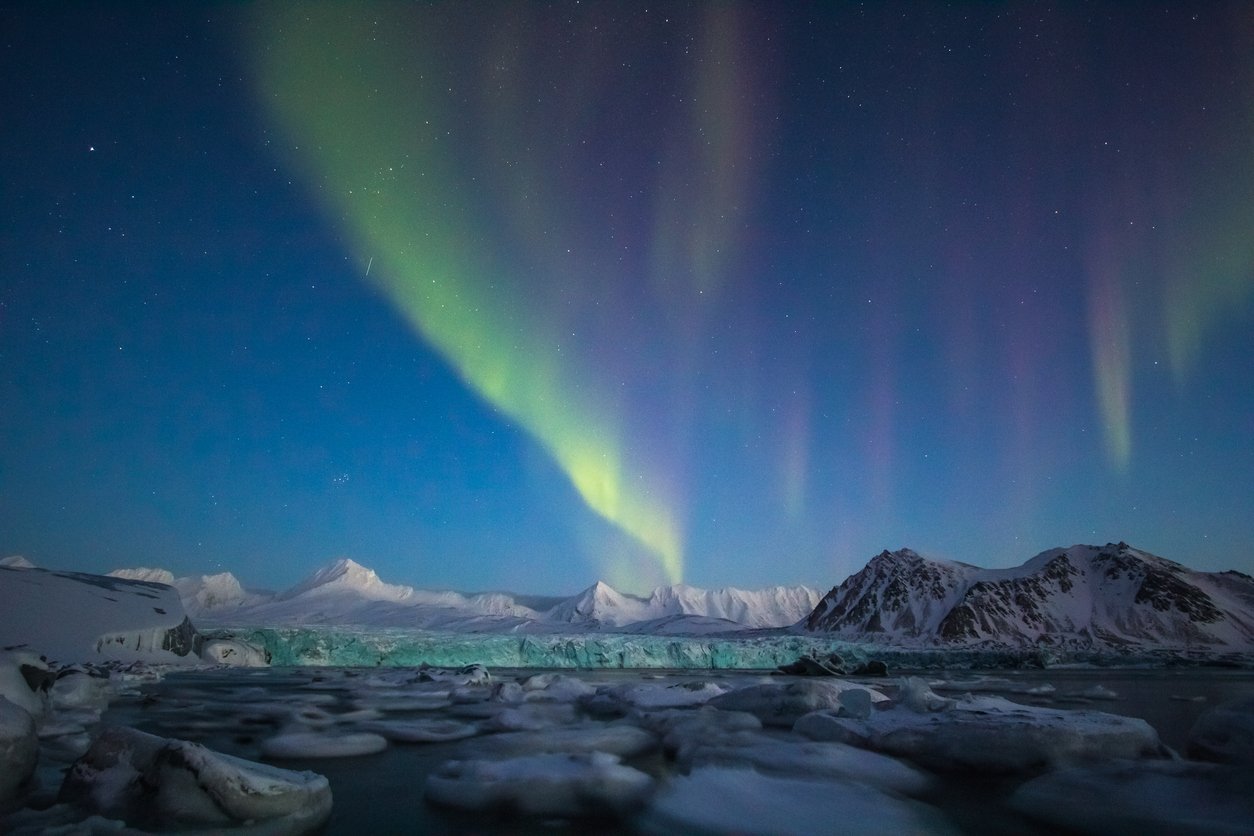
Svalbard offers something very different.
Its official Northern Lights Winter runs from October through February, while the darkest Polar Night period creates the unusual possibility of seeing the Aurora during daytime hours as well as at night.
That's because Svalbard is so far north that the sun remains well below the horizon during the darkest part of winter.
It's an extraordinary environment, but a Svalbard, Norway Northern Lights trip is also a more extreme High Arctic experience than visiting mainland destinations such as Alta or Tromsø.
Alta vs Tromsø vs Svalbard for the Northern Lights
There's no universal winner. Choose based on the Arctic holiday you actually want.
|
Destination |
Particularly good for |
Overall experience |
|
Alta |
Active Arctic adventures and wilderness |
Huskies, snowmobiles, snowshoeing + Aurora |
|
Tromsø |
First-time visitors wanting city + nature |
Large choice of tours and Arctic city experiences |
|
Svalbard |
High Arctic and Polar Night |
Remote, extreme Arctic environment |
If you want restaurants and an Arctic city base alongside a huge choice of activities, Tromsø makes sense.
If you're looking for an adventure built around wilderness, huskies, snowmobiling and time outside, we'd put Alta high on the list.
And if travelling deep into the High Arctic and experiencing Polar Night is itself the objective, Svalbard offers something neither mainland destination can quite replicate.
Best Time to Visit Norway for Northern Lights AND Winter Activities
Here's where we'd change the question.
Instead of asking: “When am I most likely to see the Northern Lights?”
Ask:
“When can I see the Northern Lights and have the Norway holiday I actually want?”
Those aren't necessarily the same thing.
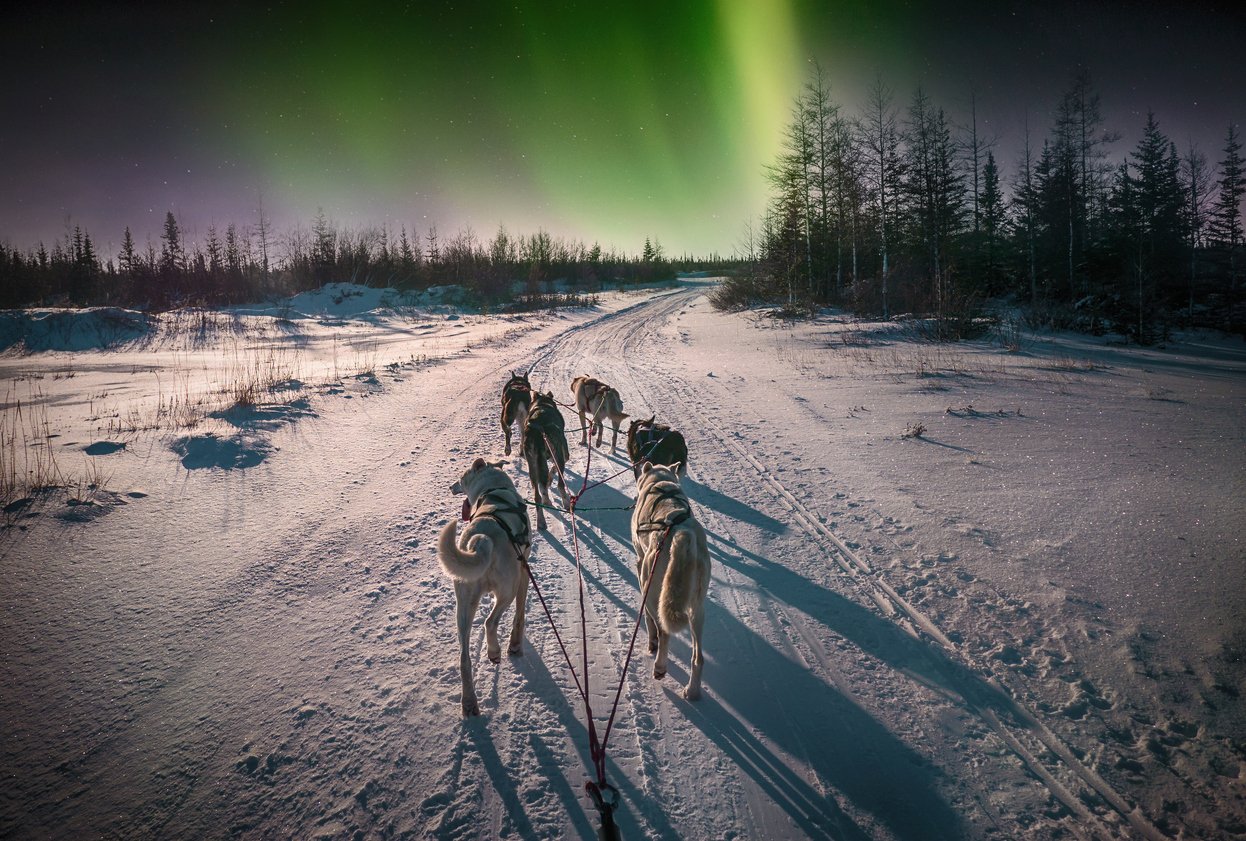
Northern Lights & Dogsledding
If driving through snowy landscapes behind a team of huskies is on your list, you'll want to travel when suitable winter and snow conditions support the experience.
That pushes your trip towards the winter portion of the Northern Lights season rather than early autumn.
Northern Lights & Snowmobiling
The same principle applies to snowmobiling.
Dark skies may return in autumn, but snowmobile adventures depend on winter conditions. If you want to spend your days crossing snow-covered Arctic landscapes and your evenings looking for the Aurora, the core winter months are a better fit.
Northern Lights & Snowshoeing
Snowshoeing is another reason to look beyond simply finding the longest possible night.
A winter visit allows you to experience the landscape on foot during the day or even combine snowshoeing with an evening beneath the Arctic sky.
Northern Lights & Whale Watching
This combination requires more careful planning because whale-watching seasons and locations vary.
If seeing whales is a priority, choose your destination and travel dates around the relevant wildlife season first, then check how that overlaps with Northern Lights season. Northern Norway offers winter whale-watching opportunities in some areas, making it possible to spend the day looking towards the water and the evening looking towards the sky.
The lesson is simple:
Don't choose your Norway dates based on darkness alone.
Choose a period when the Northern Lights and the Arctic experiences you care about overlap.
Best Time to See the Northern Lights in Norway in 2026–2027
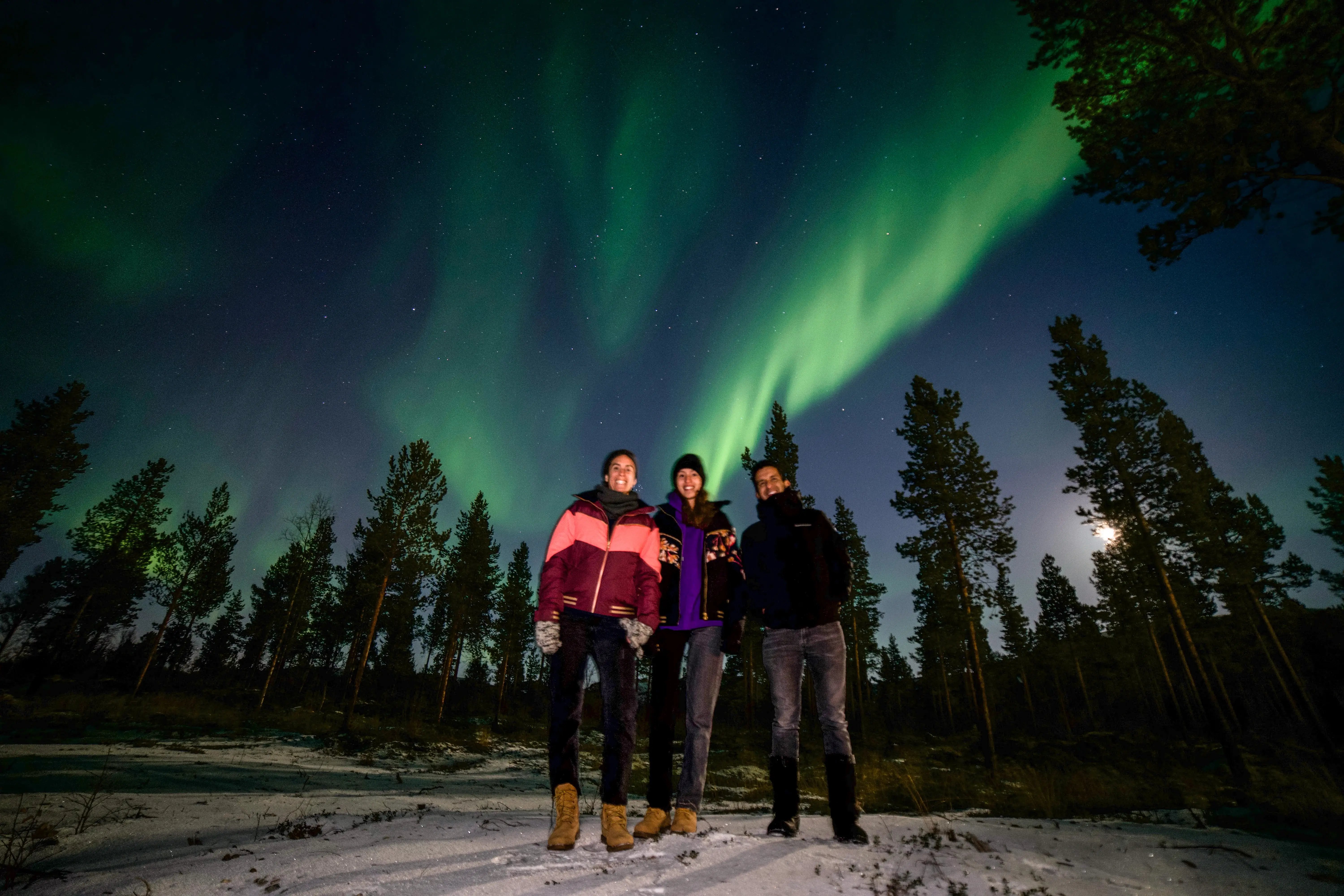
If you're specifically researching the best time to see the Northern Lights in Norway in 2026, there's good reason to plan the trip.
The sun moves through an approximately 11-year solar cycle, with the most recent solar maximum occurring around 2024–2025. Norwegian Space Agency expert Pål Brekke said that favourable conditions around the peak typically remain elevated for several years afterwards.
But don't interpret that as a guarantee that one particular night in 2026 or 2027 will produce a spectacular display.
Your experience still depends on solar activity at the time, darkness and local cloud conditions.
For a 2026–2027 trip, we'd focus less on trying to predict the “perfect” Aurora date months in advance and more on building a smart itinerary:
Stay several nights. Choose Northern Norway. Give yourself more than one opportunity. And fill the days with Arctic experiences you'd travel for anyway.
That's a much stronger strategy than trying to outguess the sky.
How Many Nights Should You Spend in Norway to See the Northern Lights?
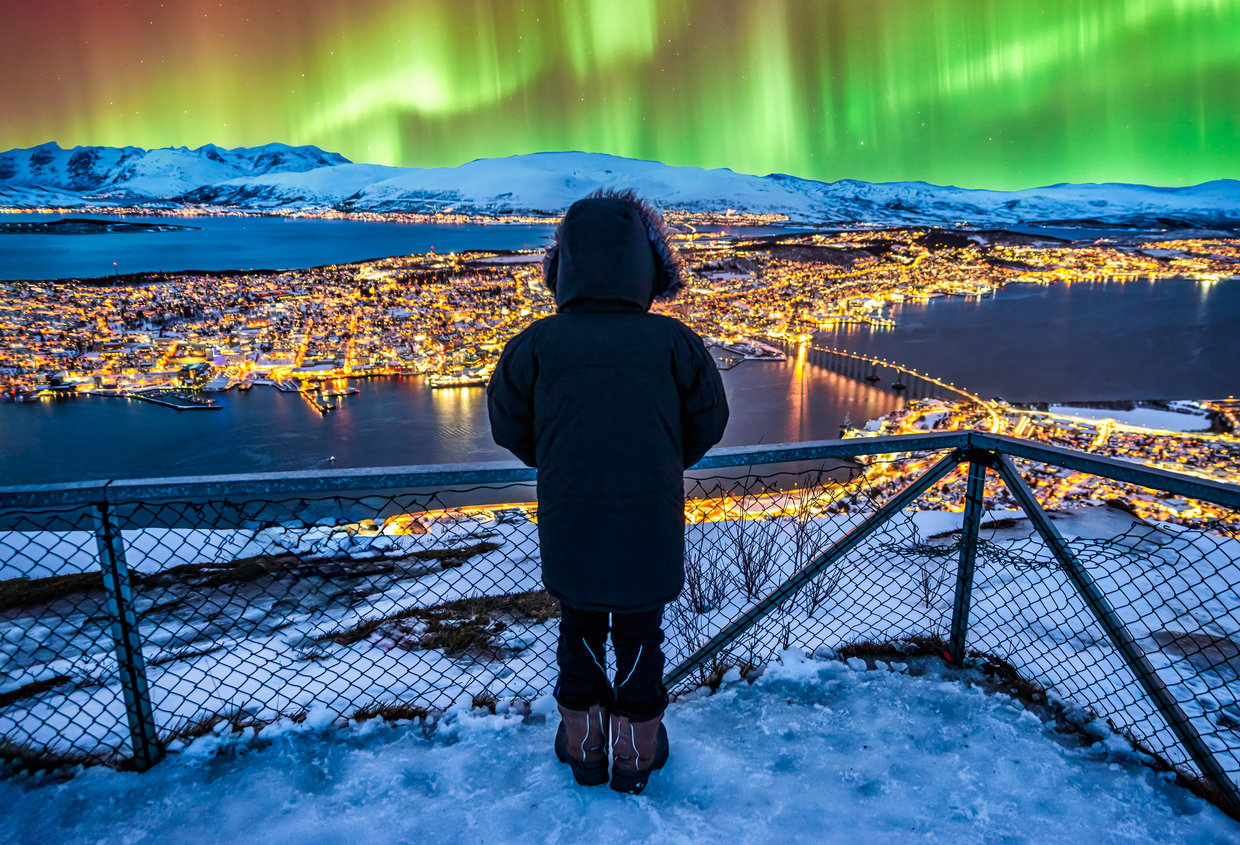
If the Northern Lights matter to you, don't build the trip around a single night.
One evening could be cloudy. The next could be clear. Conditions can change quickly, and Aurora activity itself varies.
Spending several nights in Northern Norway gives you repeated opportunities rather than one all-or-nothing attempt. Tromsø's tourism authority similarly recommends allowing plenty of time when planning an Aurora trip.
This is also where a multi-day Arctic trip starts making a lot of sense.
Instead of flying North, going on an Aurora tour and flying away, you can build a trip around:
Northern Lights + dogsledding + snowmobiling + Arctic wilderness + fjords + wildlife.
If the sky explodes green one evening, fantastic.
If it doesn't, you've still been to Arctic Norway.
What Time of Night Is Best for the Northern Lights in Norway?
There is no exact hour when the Aurora switches on.
It can appear whenever conditions are sufficiently dark and Aurora activity reaches your location.
In the Tromsø region, for example, the lights may appear at any point during the night, although the local tourism authority says they are often most active roughly between 20:00 and 02:00. Visit Norway also identifies late evening into the early hours as an important viewing period.
Don't become too obsessed with the clock.
If skies are clear and Aurora activity is possible, be ready to look up.
How to Improve Your Chances of Seeing the Northern Lights in Norway
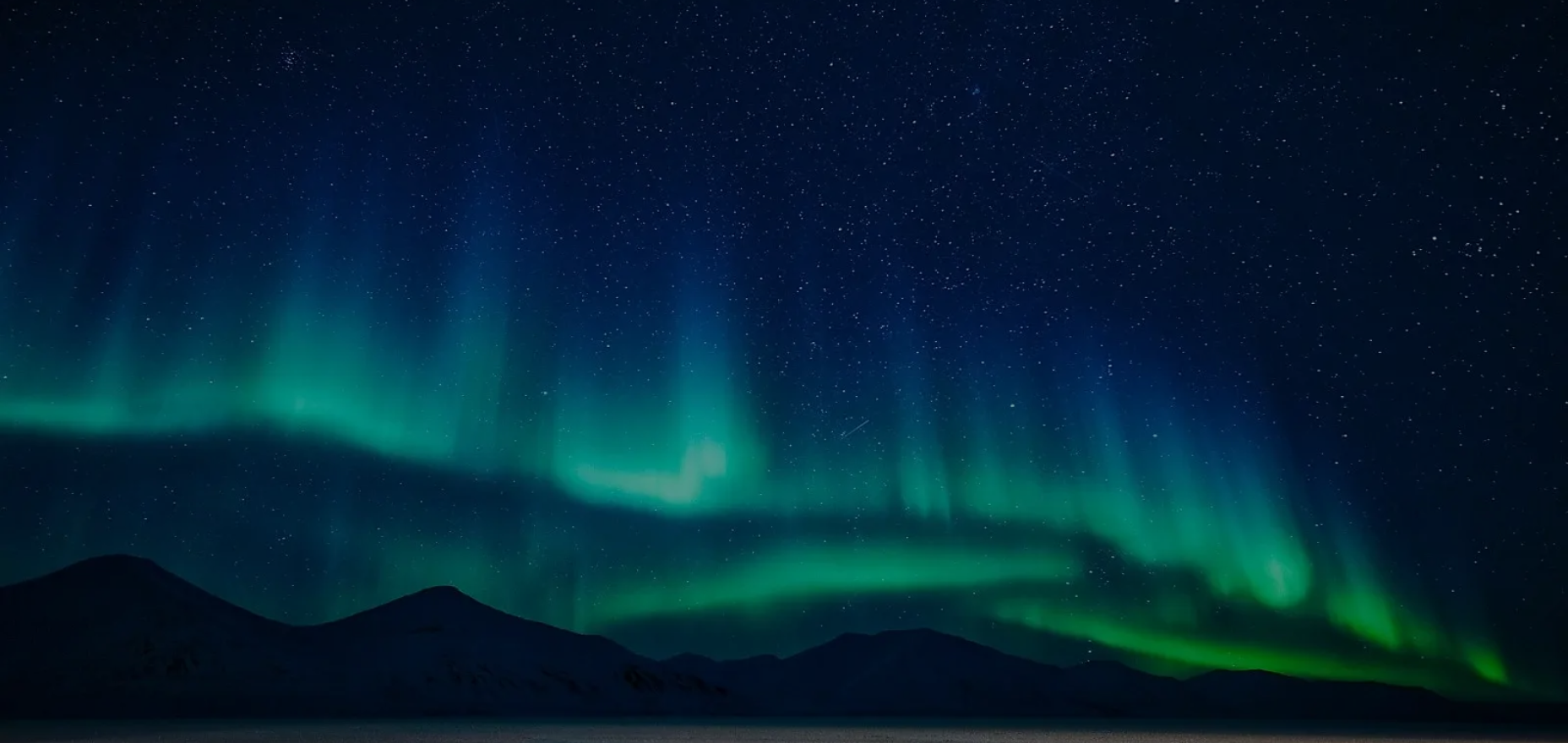
Nobody can guarantee the Aurora, but you can plan your trip more intelligently.
Stay for several nights. More nights mean more opportunities for conditions to come together.
Look for clear skies. Aurora activity doesn't help much when you're underneath thick cloud.
Get away from unnecessary artificial light. Darker surroundings make viewing easier and the experience considerably better.
Give it time. Don't assume nothing will happen because the sky was quiet at dinner.
Dress properly. Northern Lights viewing often involves standing or sitting outside at night. You'll enjoy waiting much more when you're warm.
Consider a guided search. If seeing the Aurora is your highest priority, a dedicated Northern Lights search can adapt to local conditions rather than keeping you in one fixed location.
And perhaps most importantly:
Don't plan a holiday where seeing the Northern Lights is the only thing that can make it successful.
Is a Northern Lights Trip to Norway Worth It If You Don't See Them?
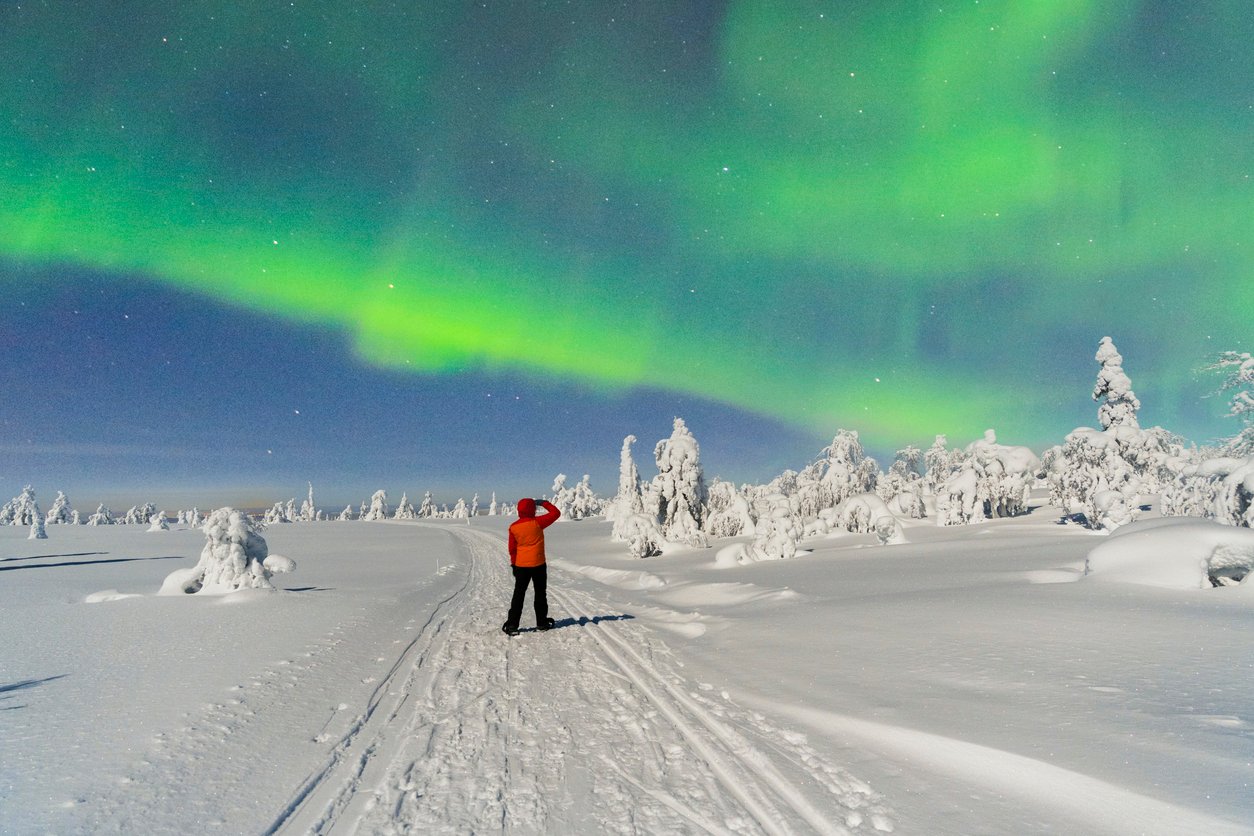
It should be.
And that's something we feel strongly about.
The Northern Lights are unpredictable. You can travel at the best time to see the Northern Lights in Norway, stay in an excellent location, follow every forecast and still meet a wall of cloud.
So build a trip you'd want to take anyway.
Drive a dog team through a snowy valley. Cross an Arctic plateau by snowmobile. Walk through the winter wilderness on snowshoes. Head onto the fjords. Meet the huskies. Experience the strange blue light and long nights of the Arctic winter.
Then go outside after dark and look up.
If the Aurora appears, it becomes the extraordinary moment on top of an already extraordinary trip, rather than the only thing deciding whether travelling to Norway was worthwhile.
Frequently Asked Questions About Seeing the Northern Lights in Norway
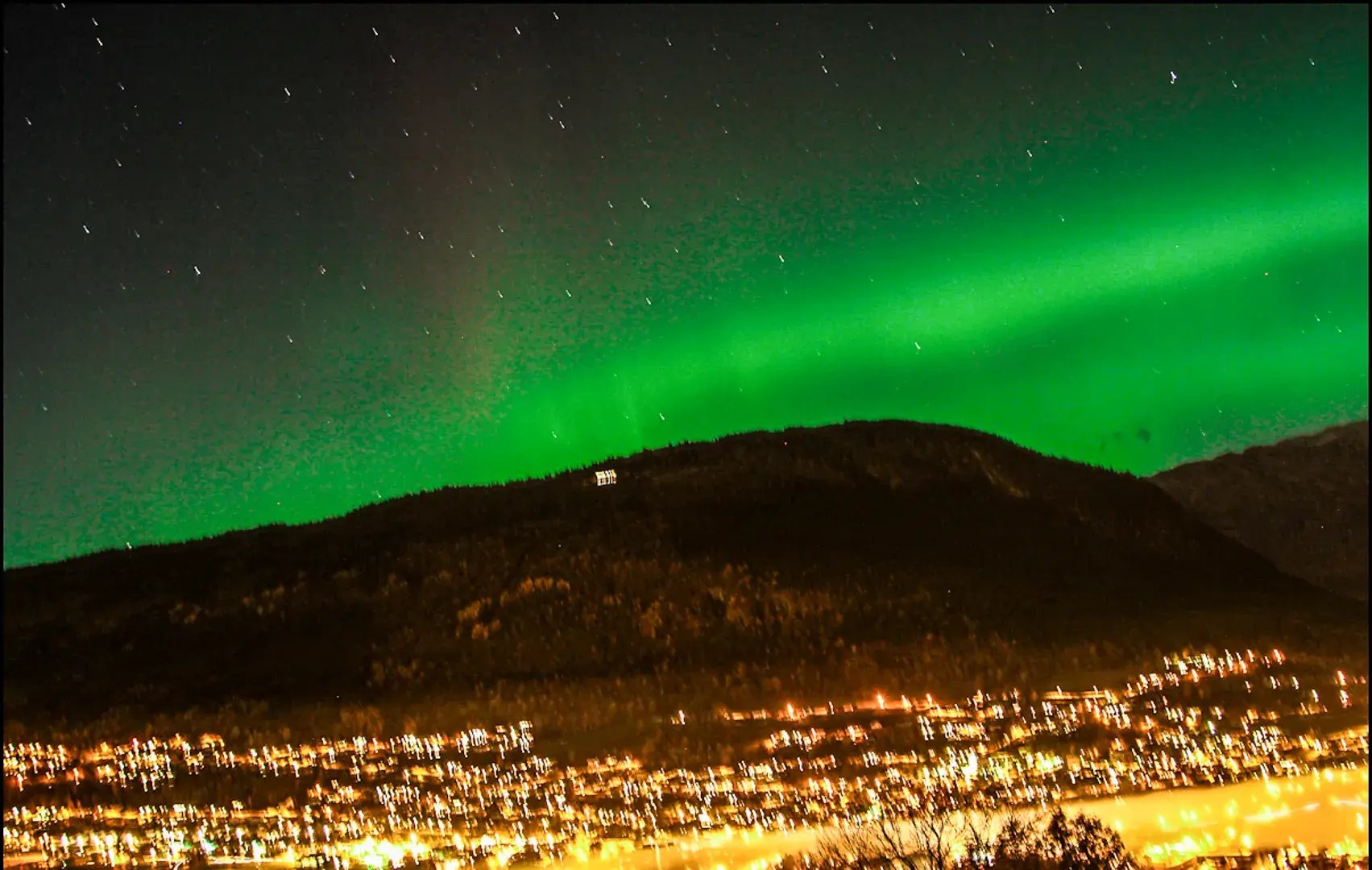
What is the best time to see the Northern Lights in Norway?
The best time to see the Northern Lights in Norway is generally between September and March, when Northern Norway has sufficiently dark nights for Aurora viewing. Late autumn through early spring offers different advantages, so the best month depends on whether you prioritise maximum darkness, winter activities or a balance between daylight and dark evenings.
When can you see the Northern Lights in Norway?
You can typically see the Northern Lights in Northern Norway from around September through March, with some destinations having potential viewing from late August into early April. You need darkness, Aurora activity and sufficiently clear skies for a visible display.
What is the best month to see the Northern Lights in Norway?
There isn't one guaranteed best month. December and January offer exceptionally long periods of darkness, while February and March can provide an excellent balance between dark evenings and increasing daylight for Arctic winter activities.
September and October are also worth considering if you want Aurora opportunities without travelling during the deepest part of winter.
Is September a good time to see the Northern Lights in Norway?
Yes. By September, dark nights have returned to Northern Norway and the Aurora viewing season is underway.
September can be particularly attractive if you want an autumn trip rather than a snowy winter holiday. Visit Norway also identifies September/October as a period that statistically experiences high Aurora activity.
Can you see the Northern Lights in Norway in October?
October is firmly within the Northern Lights season in Northern Norway, with increasingly long nights for plenty of darkness.
It's a good option for travellers interested in the Aurora but who don't necessarily want to visit during the depths of Arctic winter.
Can you see the Northern Lights in Norway in November?
November means long, dark nights to Northern Norway and sits well within the normal Aurora season.
Winter conditions are also becoming more established, although exact snow and weather conditions vary by location and year.
Can you see the Northern Lights in Norway in December?
Yes. December offers very long periods of darkness across Northern Norway and is a popular time for a full Arctic winter experience.
Remember that darkness alone doesn't guarantee the Aurora. You still need suitable solar activity and sufficiently clear skies.
Can you see the Northern Lights in Norway in January?
Yes. January is one of the darkest parts of the winter in Northern Norway and offers plenty of opportunity for nighttime Aurora viewing.
It's particularly attractive if you want to combine your Northern Lights trip with a deep-winter Arctic atmosphere.
Can you see the Northern Lights in Norway in February?
Yes. February can be an excellent month because dark nights remain while daylight begins returning.
That makes it particularly appealing for travellers who want Northern Lights opportunities in the evening and activities such as dogsledding or snowmobiling during the day.
Can you see the Northern Lights in Norway in March?
Yes. March remains within the core Northern Lights season while offering substantially more daylight than the darkest winter months.
For travellers who want to combine Aurora viewing with an active winter holiday, March is one of the periods we'd seriously consider.
Can you see the Northern Lights in Norway in April?
It can be possible in early April in sufficiently northern destinations. Tromsø, for example, describes its potential Northern Lights season as continuing into early April.
However, daylight increases rapidly, so travellers making the Aurora a priority may prefer to visit earlier.
Can you see the Northern Lights in Norway during summer?
Generally not in Northern Norway because the sky doesn't become sufficiently dark.
The Aurora itself still occurs, but long summer days and the Midnight Sun make it impossible to see with the naked eye. Darkness begins returning later in summer, with the viewing season starting again around late August or September depending on location.
What time of night can you see the Northern Lights in Norway?
The Northern Lights can appear whenever the sky is dark enough and Aurora conditions are favourable.
In Tromsø, they can appear throughout the night, although the local tourism authority notes that activity is often strongest between roughly 20:00 and 02:00.
How many nights should I stay in Norway to see the Northern Lights?
There is no guaranteed number, but several nights are considerably better than relying on one evening.
Weather and cloud cover can change from night to night, so a longer stay gives you repeated opportunities while also allowing time to experience Northern Norway during the day.
Is Alta, Norway good for the Northern Lights?
Alta is a strong base for a Northern Lights trip, particularly if you want to combine the Aurora with active Arctic experiences.
The surrounding region gives you access to winter wilderness, dogsledding, snowmobiling and snowshoeing, making Alta appealing for travellers who want the Northern Lights to be part of a broader Arctic adventure.
Is Tromsø, Norway good for the Northern Lights?
Yes. Tromsø is located within the auroral zone and is one of Norway's best-known destinations for Northern Lights tourism.
The potential viewing season extends from around late August to early April, while the city offers a large range of guided Aurora and winter experiences.
Can you see the Northern Lights in Svalbard, Norway?
Yes. Svalbard has an official Northern Lights Winter from October through February, and the darkness of Polar Night can make it possible to experience the Aurora even during daytime hours.
It's a very different experience from mainland Northern Norway and is best suited to travellers specifically interested in the High Arctic.
Is Alta or Tromsø better for the Northern Lights?
Both can be excellent, so we'd choose based on the wider trip rather than trying to crown one as the universal winner.
Tromsø combines an Arctic city with a huge range of tours, while Alta is particularly attractive for travellers interested in wilderness and active experiences such as dogsledding and snowmobiling alongside their Northern Lights opportunities.
Is 2026 a good year to see the Northern Lights in Norway?
Yes, 2026 remains a good time to plan a Northern Lights trip, although no year or individual night guarantees a sighting.
The recent solar maximum occurred around 2024–2025, and Norwegian Space Agency expert Pål Brekke has said that favourable conditions around the peak can remain elevated for several years. Local weather, darkness and Aurora activity on the nights you're actually there remain more important to your individual experience.
Are Northern Lights sightings guaranteed in Norway?
No. Nobody can guarantee the Northern Lights.
Even during the best time of year, visibility depends on natural Aurora activity and local conditions. If a tour promises that you will definitely see them, we'd be sceptical.
Do I need to book a Northern Lights tour in Norway?
No, but a guided tour can make the experience easier, particularly if you're unfamiliar with the destination or don't want to navigate winter roads and changing weather yourself.
If the Aurora is your highest priority, look for a dedicated search or chase. If you want the Northern Lights to be part of a broader Arctic evening, consider experiences that combine Aurora opportunities with huskies, snowmobiling or snowshoeing.
What is the best time to visit Norway for Northern Lights and snow?
If you want both the Northern Lights and a classic snowy Arctic landscape, focus on the winter portion of the viewing season rather than early autumn.
January through March is particularly attractive for travellers who want to combine dark evenings with snow-based experiences, although exact snow conditions and activity seasons vary.
Is it better to visit Norway for the Northern Lights in autumn or winter?
Choose autumn if you prefer relatively milder conditions, autumn landscapes and darkening nights.
Choose winter if you want snow, dogsledding, snowmobiling and the full Arctic winter experience alongside the Northern Lights. For many first-time visitors planning a complete Northern Norway holiday, winter offers the broader experience.
Plan Your Northern Lights Trip to Norway!
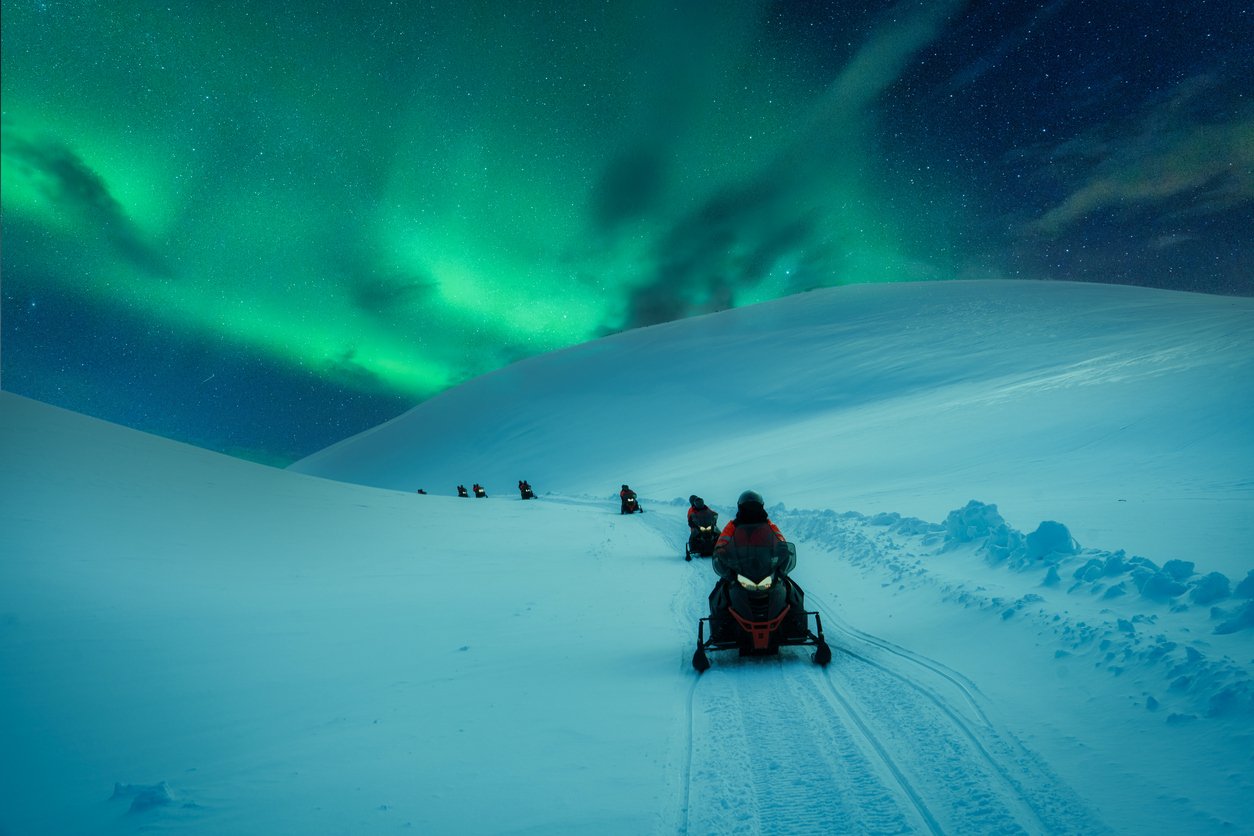
So, when is the best time to see the Northern Lights in Norway?
For the broadest season, think September through March.
For maximum darkness, look towards December and January.
For autumn Aurora viewing, consider September and October.
And for the combination we'd choose — dark nights, snowy landscapes, increasing daylight and Arctic winter adventures — look closely at February and March.
But don't spend your entire trip waiting for the sky to turn green.
Come to Norway for the huskies, snow, fjords, wilderness and Arctic nights. Give yourself several chances to see the Aurora while you're here.
And when the lights do appear, you'll already be exactly where you want to be.