Let's not beat around the bush here. Yes, Norway is expensive to visit, particularly if your holiday includes frequent restaurant meals, drinks in bars, car hire and several hotel stays. But your total budget depends much more on how you travel than on the price of one famously expensive beer.
A week spent sharing a cabin, preparing some meals and exploring one region will cost very differently from a fast-moving itinerary with daily excursions and restaurant dinners.
The useful question is: how expensive is Norway for the holiday you want?
This guide breaks down everyday prices, sample travel budgets, transport, skiing and living costs, with practical ways to make room for the experiences that matter to you.
How expensive is Norway? In Short…
Before we get into the meat of it, here are some useful reference points before you start planning:
|
Expense |
Price or reference figure |
What to know |
|
Hotel room |
Around NOK 1,725 (€165) per night |
Published national reference; per room, not per person |
|
Basic campsite cabin |
From around NOK 700 (€67) per night |
Facilities and occupancy vary |
|
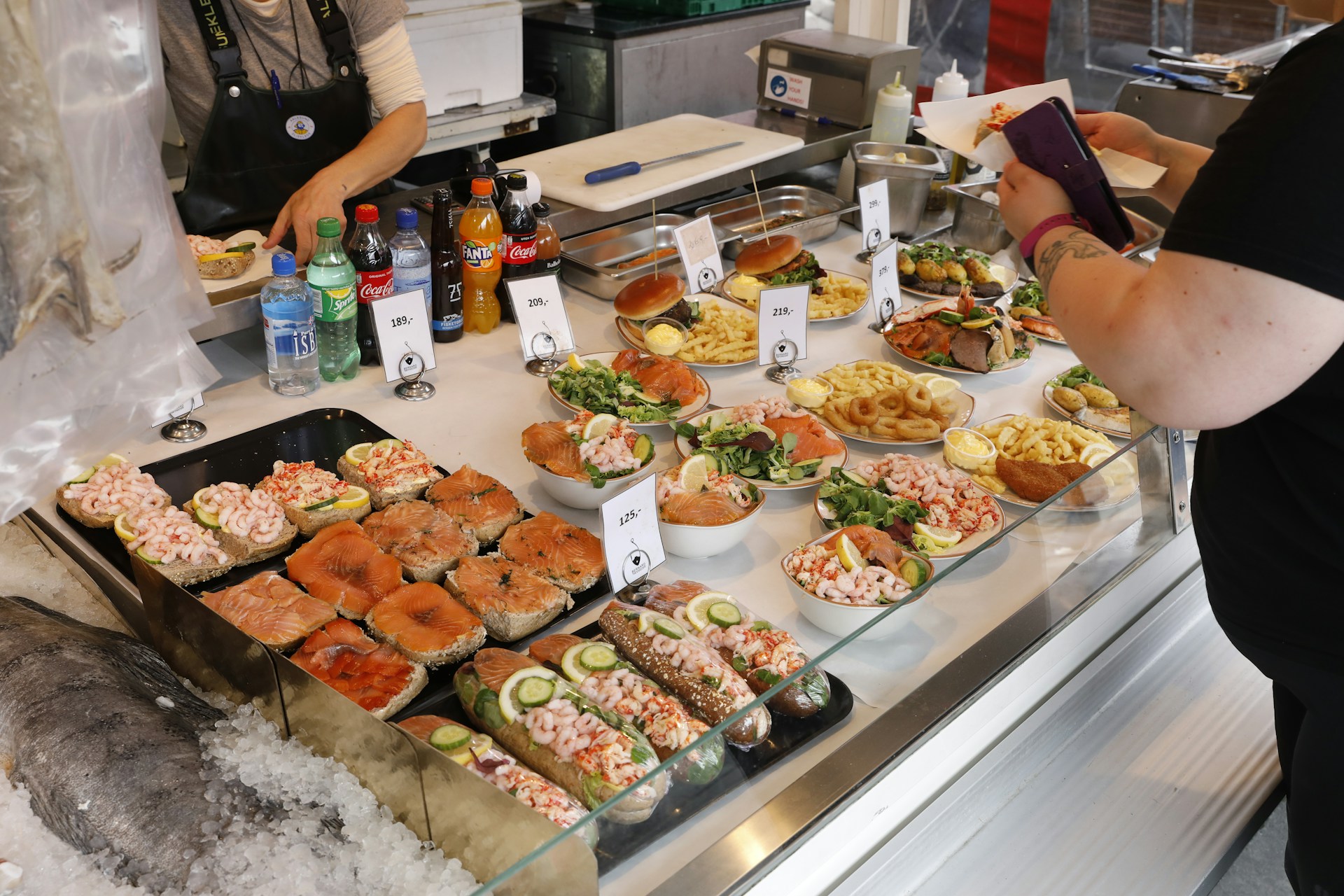
Budget restaurant meal |
NOK 190–350 (€18–33) |
Per person |
|
Main course in a mid-range restaurant |
From NOK 250 (€24) |
Drinks and other courses add to the bill |
|
Cappuccino |
NOK 35–65 (€3.34–6.21) |
Depends on the café |
|
Supermarket beer, 0.5 litres |
NOK 35–50 (€3.34–4.78) |
Published reference range |
|
Bottle of beer in a bar |
NOK 100–140 (€9.55–13.37) |
Check serving size and venue |
Please note that hese accommodation, food and drink figures are starting points rather than prices you can expect at every establishment.
Fuel needs a separate, dated reference because prices can move considerably. Statistics Norway has average retail prices at NOK 26.18 (€2.50) per litre for 95-octane petrol and NOK 27.52 (€2.63) for diesel in September 2026, including taxes and fees. These are monthly averages, not today’s pump prices.
Prices checked in October 2026. Published figures refer to the periods stated; example budgets are planning estimates, not quotations. Euro equivalents are approximate, using €1 = NOK 10.47 on 23 October 2026. Most conversions are rounded to the nearest euro; small purchases and fuel prices use cents. Exchange rates and card-provider charges vary.
How much should you budget for a trip to Norway?

Start with accommodation, transport and the activities you most want to do. Then add food and a buffer for changes.
The examples below illustrate three possible travel styles.
Example daily and weekly budgets
|
Daily expense per person |
Budget trip |
Comfortable mid-range trip |
Activity-focused trip |
|
Accommodation |
NOK 500 (€48) |
NOK 900 (€86) |
NOK 1,100 (€105) |
|
Food and drink |
NOK 300 (€29) |
NOK 600 (€57) |
NOK 650 (€62) |
|
Transport allowance |
NOK 150 (€14) |
NOK 250 (€24) |
NOK 350 (€33) |
|
Activities allowance |
NOK 100 (€10) |
NOK 300 (€29) |
NOK 700 (€67) |
|
Daily total |
NOK 1,050 (€100) |
NOK 2,050 (€196) |
NOK 2,800 (€267) |
|
Seven-day total |
NOK 7,350 (€702) |
NOK 14,350 (€1,371) |
NOK 19,600 (€1,872) |
These are illustrative allocations, not national averages. Accommodation assumes a shared room or cabin, except where you find a suitable hostel bed. Weekly totals assume seven days and seven nights. International flights, shopping, insurance and a contingency buffer are excluded. Rounded euro figures may not sum exactly.
Activity allowances are spread across the week: NOK 100 (€10) per day doesn’t mean a guided activity costs NOK 100 (€10). Likewise, transport allowances won’t necessarily cover car rental, fuel and long-distance travel on a busy itinerary.
A budget trip to Norway
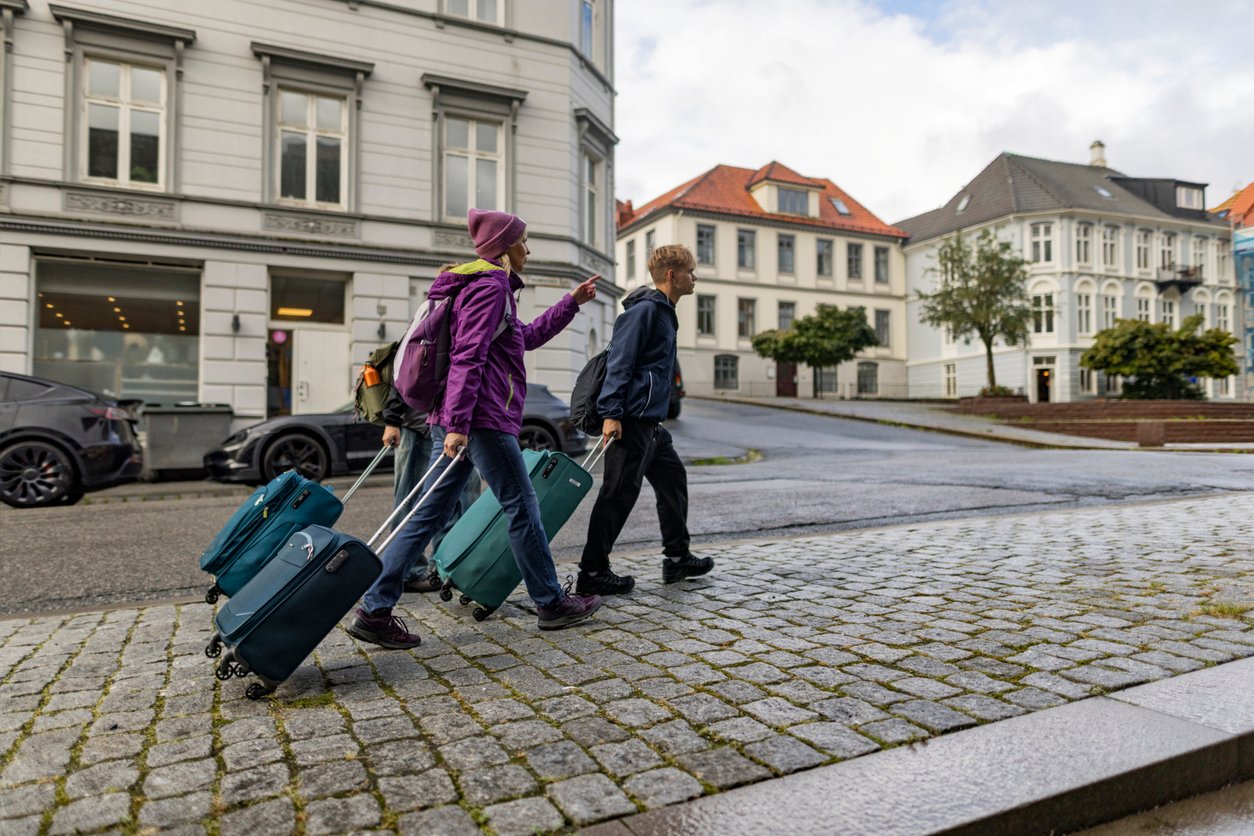
A lower-cost trip usually involves sharing accommodation, preparing meals and limiting expensive transfers between destinations.
You can still include a paid experience. Choose one or two activities you particularly want, then balance them with independent sightseeing and suitable walks.
The important step is checking your accommodation and transport before assuming a daily budget will work.
A comfortable mid-range holiday
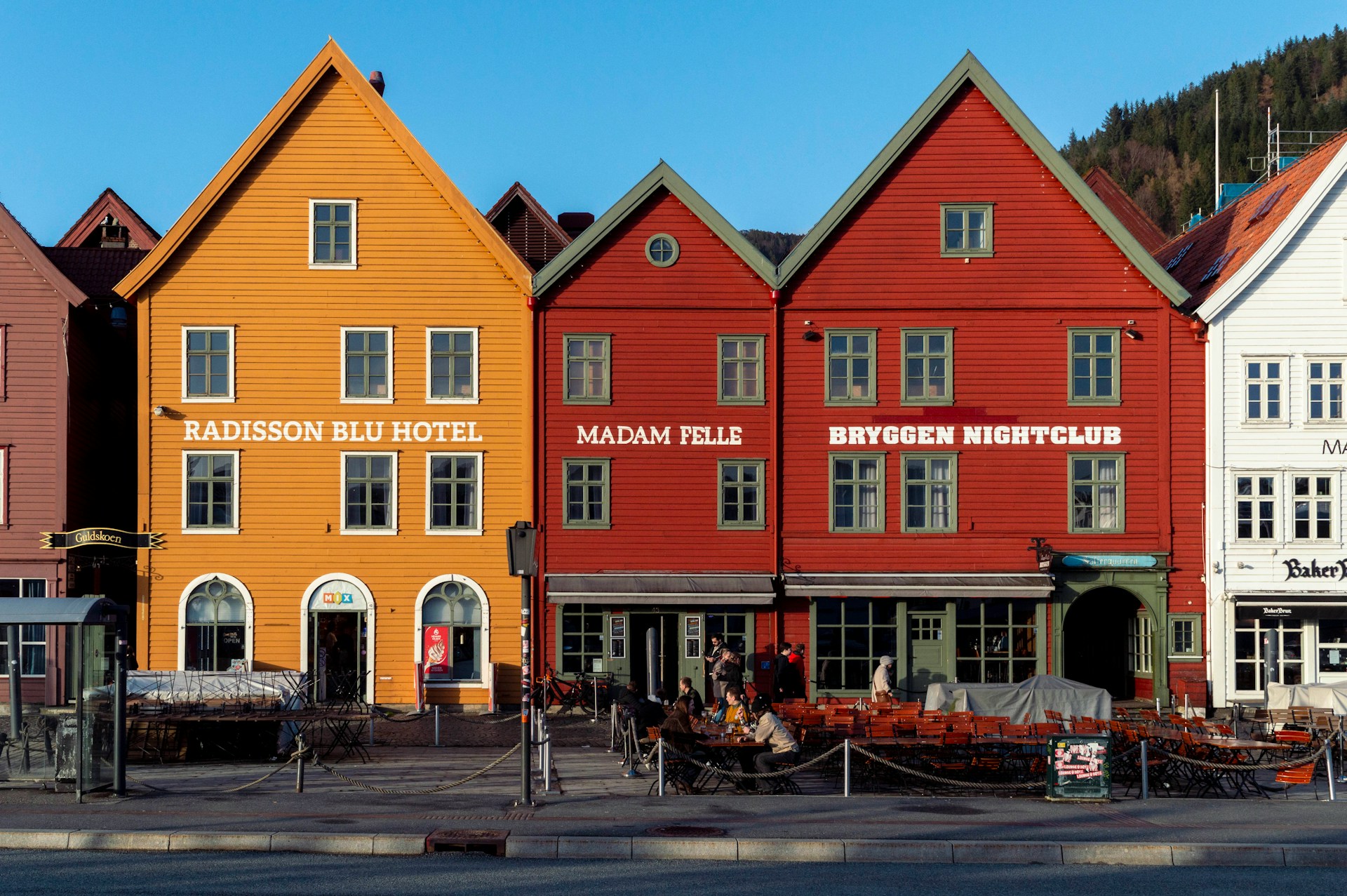
This budget gives you more room for a shared hotel room, restaurant meals and selected excursions.
Breakfast included in your room rate can simplify the calculation. You might buy a picnic lunch, eat out in the evening and book a guided activity on a few days rather than every day.
Deciding how many days to spend in Bergen also helps you avoid paying for nights that don’t contribute much to your itinerary.
An activity-focused Norway holiday
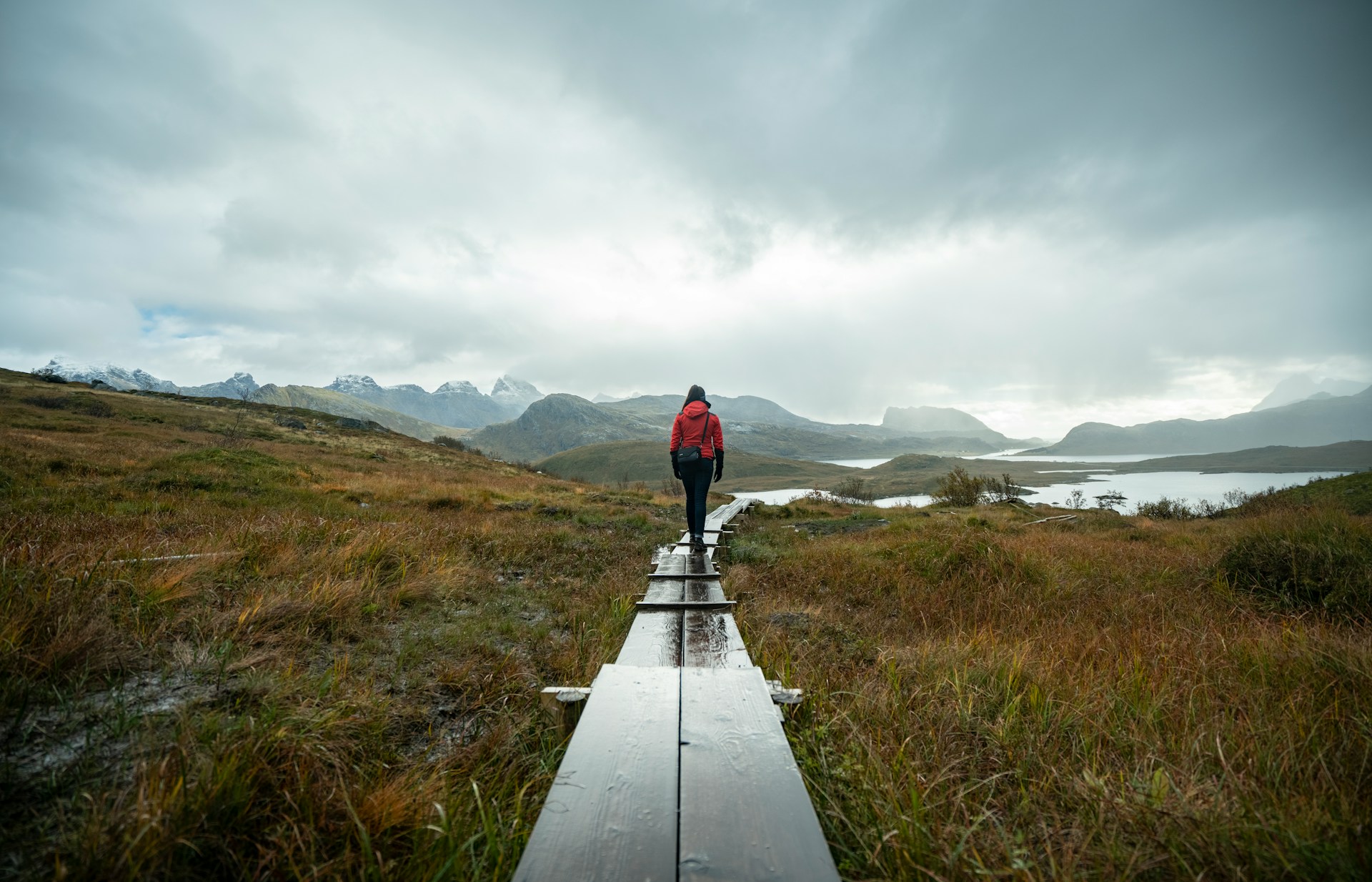
If kayaking, rafting, skiing or Arctic experiences are the reason you’re coming, budget for those first.
Check the inclusions carefully when looking up trips. An experience with equipment and transport will compare MUCH differently from a cheaper activity that requires separate arrangements.
For a multiday package, rebuild the budget around what is included so you don’t count accommodation, meals or transfers twice.
Why is Norway so expensive?
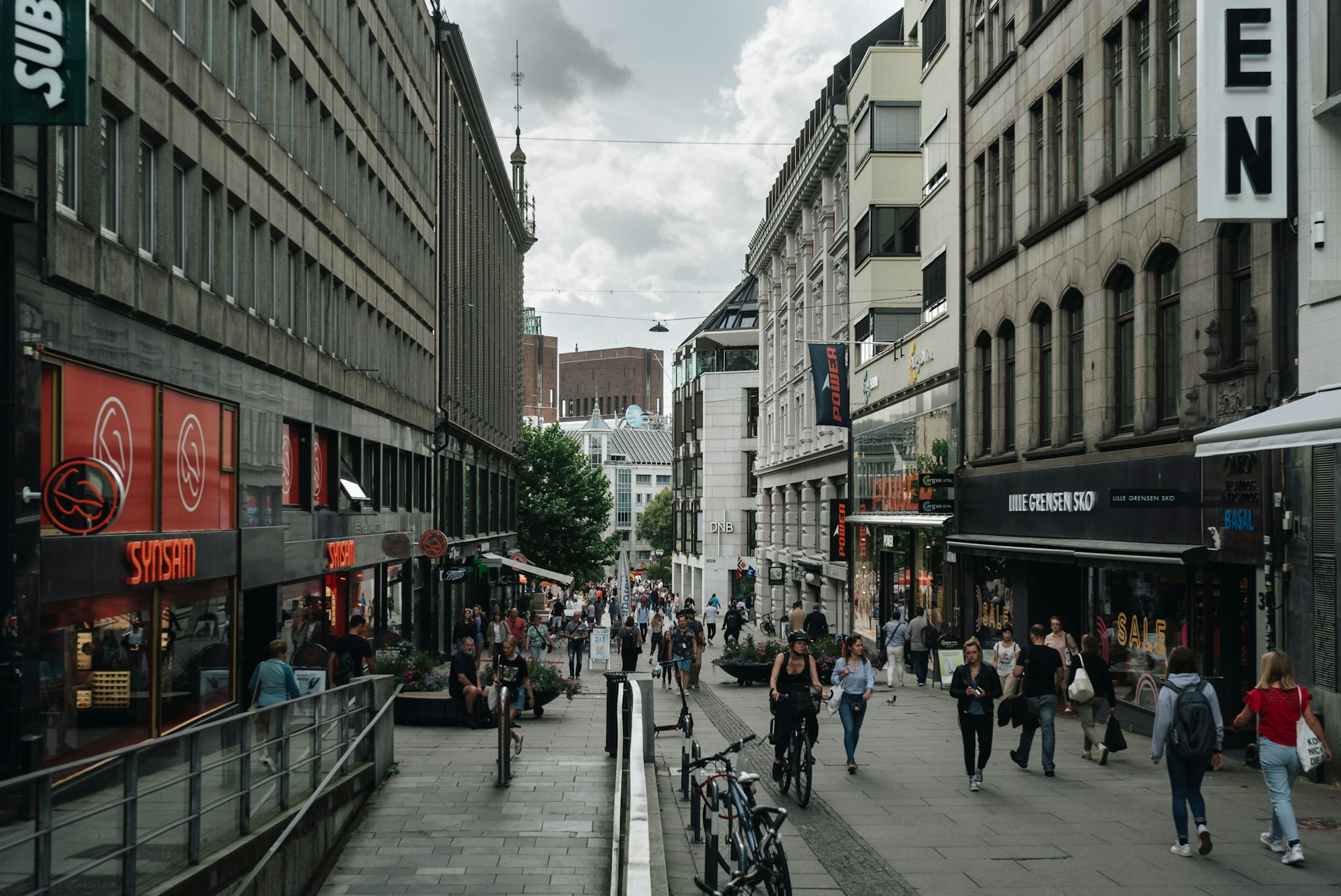
There isn’t one explanation for every high price.
Labour-intensive services reflect the cost of staffing and operating a business. Taxes and duties contribute to some purchases, while sourcing, distribution and transport affect others. Delivering an experience in a remote location also involves different logistics from operating in a city centre.
For travellers, exchange rates add another variable. A price in NOK can remain unchanged while becoming cheaper or more expensive in your home currency.
Norway’s reputation is supported by comparative data, although it isn’t Europe’s most expensive country on every measure. Preliminary 2025 figures put its household consumption price level 28.6% above the EU average. That is a broad economic comparison, not a prediction that your holiday will cost exactly 28.6% more.
Accommodation costs in Norway
Accommodation is often the best place to start adjusting your budget because it is a repeated expense.
Hotels

Compare the full room offer: breakfast, parking, location and cancellation flexibility can all affect value.
Remember that a room price and a per-person price are different. Sharing a NOK 1,800 (€172) room means NOK 900 (€86) each; travelling alone means carrying the full cost yourself.
Hostels, cabins and apartments

A hostel bed can suit solo travellers, while cabins and apartments may work better for families or friends sharing costs.
Check the details before comparing prices. Cooking facilities, bedding, cleaning and private bathrooms can change what you need to spend or arrange.
A slightly more expensive place with a kitchen may reduce your food costs enough to justify the difference.
Location matters
Cheaper accommodation outside town is only useful if getting around remains practical.
Add the cost and time of reaching restaurants, transport connections and activity meeting points. Saving on the room can become a false economy if it creates repeated taxi journeys.
Food, drink and the price of beer in Norway
How much does eating out cost?
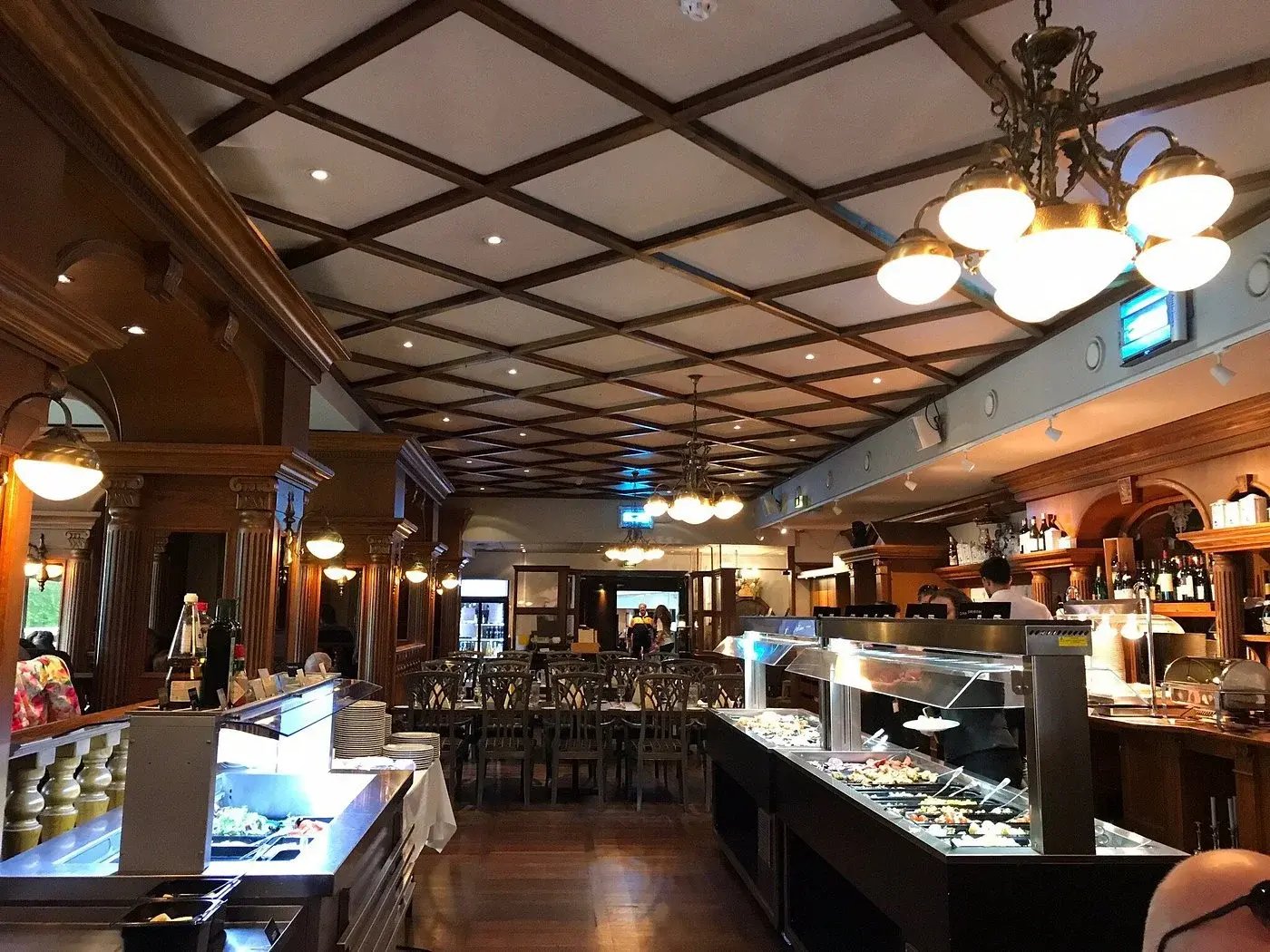
Restaurant spending becomes significant when repeated several times a day.
Breakfast at a café, lunch, dinner and drinks can add up quickly. A simple compromise is to choose the meals you want to enjoy out and keep the others straightforward.
If Voss is on your itinerary, explore where to eat in Voss and decide which meals deserve a reservation.
How much do groceries cost?

Build a supermarket budget around what you’ll actually eat rather than comparing an enormous list of individual products.
Breakfast ingredients, sandwich supplies, fruit and a few easy dinners are a useful starting point. Check that your accommodation provides the equipment needed to prepare them.
For a short stay, avoid buying so many ingredients that much of your shopping gets left behind.
What is the price of beer in Norway?
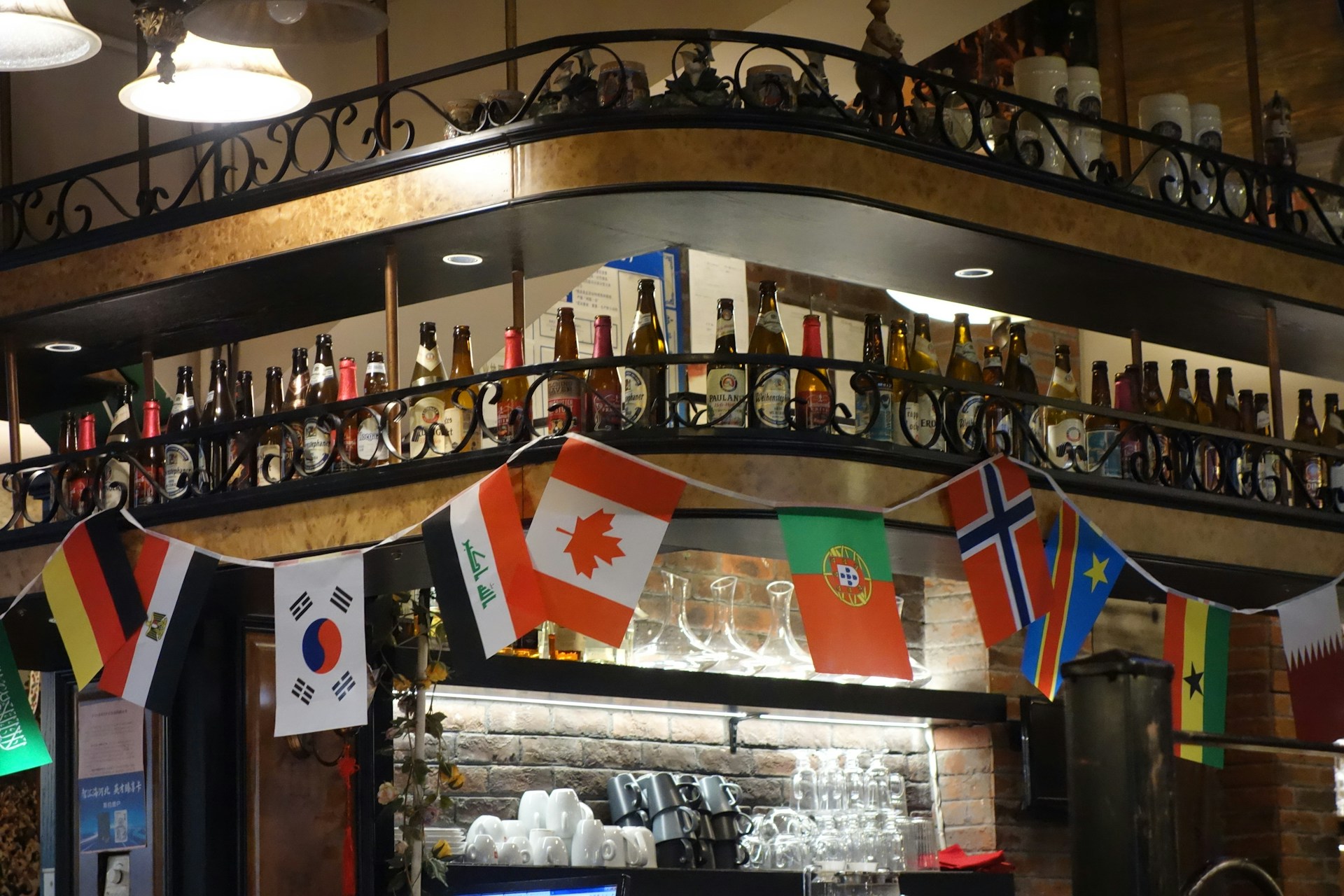
The price of beer in Norway depends heavily on where you buy it.
A supermarket beer will set you back NOK 35–50 (€3.34–4.78). A beer at a restaurant or nicer bar could go up to NOK 100–140 (€9.55–13.37). Serving size is a factor too: a bottle, a small glass and a half-litre draught beer aren’t directly comparable.
Pro tip from the beer enjoyers on our team? If drinks are part of your evenings, give them a separate budget. That makes it easier to enjoy them without discovering that your daily food allowance has quietly become a drinks allowance.
Transport and fuel prices in Norway
Public transport versus renting a car
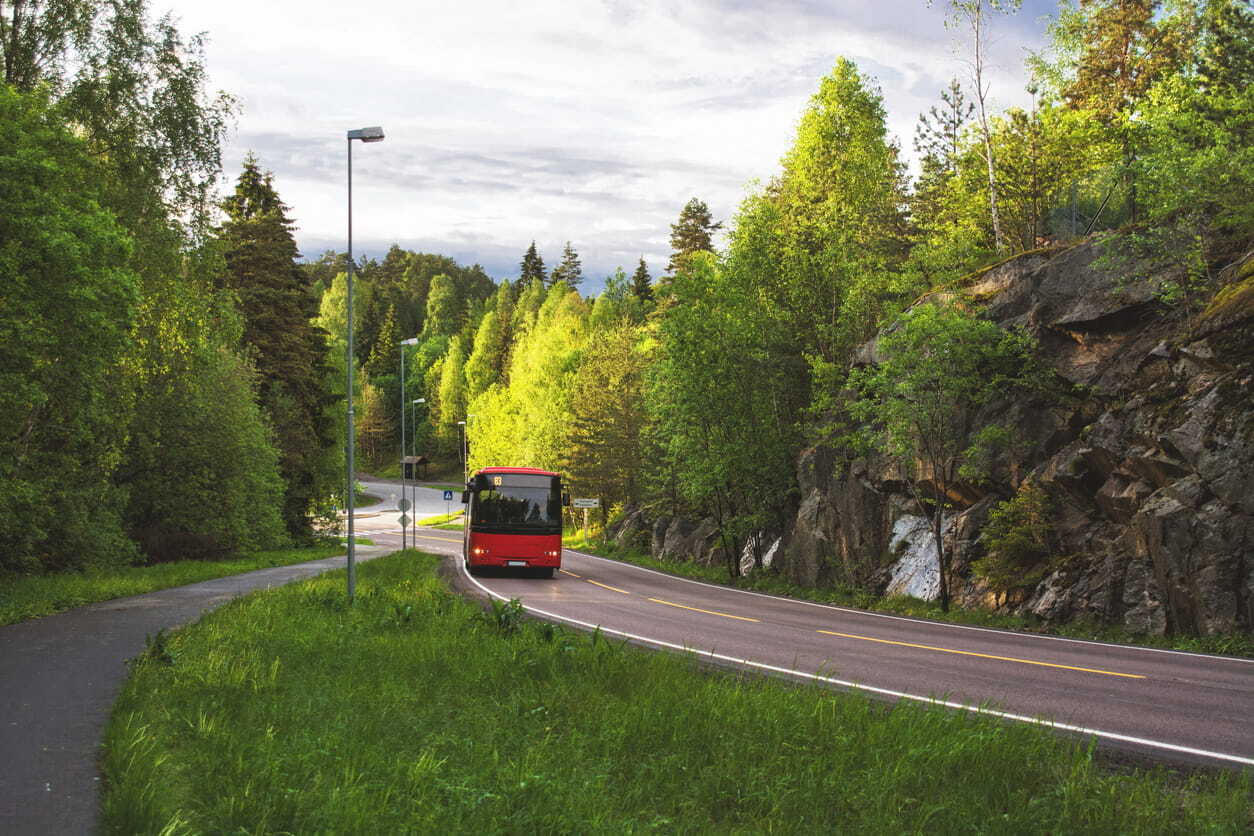
Choose transport around your route rather than assuming Norway requires a rental car.
For a city stay with organised excursions, you may have little use for one. A more dispersed itinerary might make a car useful, particularly when several people share the costs.
For journeys such as travelling from Bergen to Voss, compare public transport with the full cost of driving. If you’re crossing the country, our guide to getting from Oslo to Bergen can help you see all the options.
Petrol and diesel prices in Norway
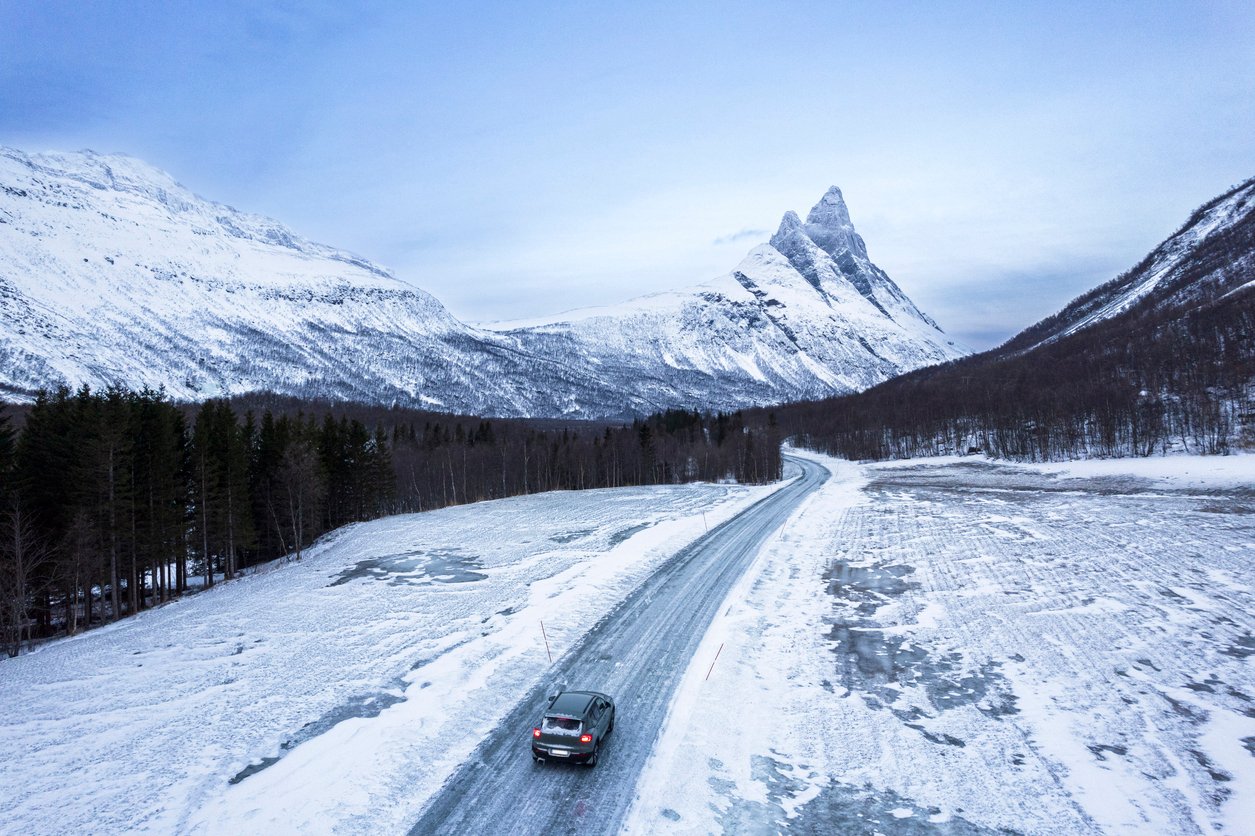
Fuel price in Norway varies by station and date. Use current local prices when finalising your road-trip budget.
The September 2026 averages above also show why it is risky to assume diesel will always be cheaper than petrol.
To estimate fuel expenditure - distance in kilometres × consumption in litres per 100 km ÷ 100 × price per litre.
For example, driving 1,000 km in a car using 6 litres per 100 km, at an illustrative NOK 26 (€2.48) per litre, would cost 1,000 × 6 ÷ 100 × NOK 26 (€2.48) ≈ NOK 1,560 (€149)
That is fuel alone. Sharing between two people reduces the individual contribution, but doesn’t change the vehicle’s total expenditure.
Other road-trip costs
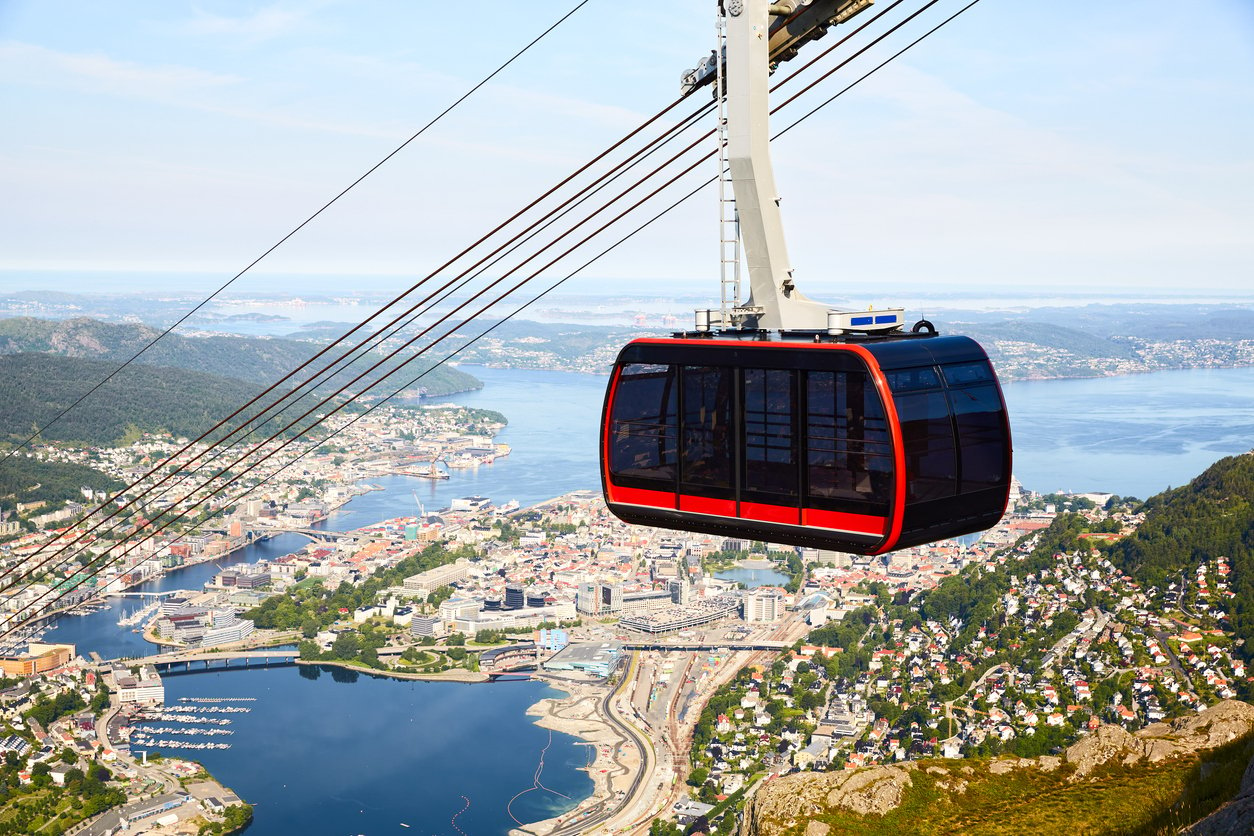
Allow separately for:
-
Vehicle rental and any additional insurance.
-
Tolls and ferries.
-
Parking.
-
Extra drivers or one-way rental charges, where applicable.
Our rec? Check what the rental agreement includes and how road charges are handled. A low daily rental rate often doesn’t describe the entire cost of the journey.
Are activities and guided tours expensive in Norway?
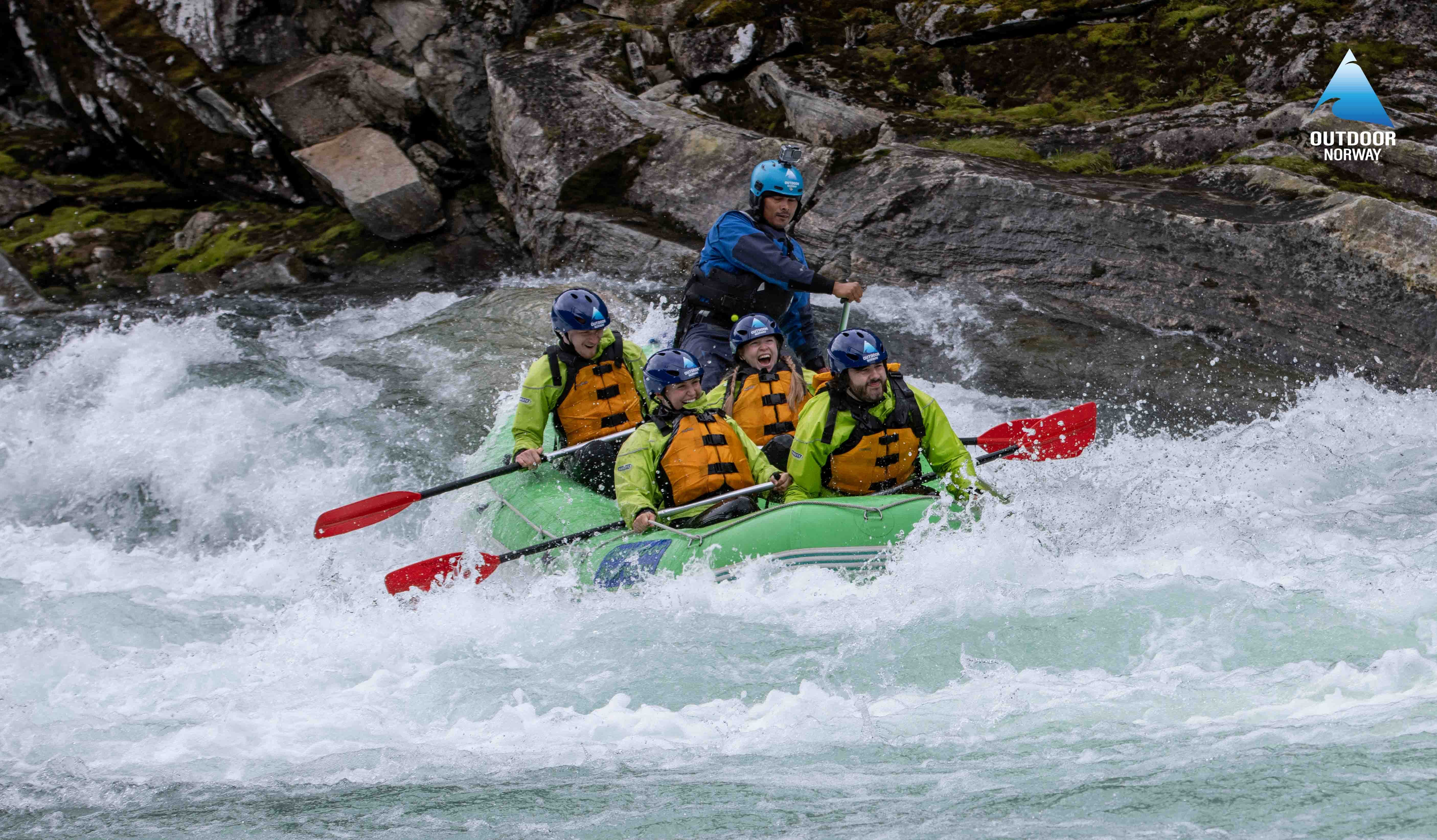
Activities can take a meaningful share of your budget, but the headline price only tells part of the story.
A guided experience may involve specialist equipment, instruction, preparation, transport and staff time. Check the individual description to understand what you’re paying for.
If kayaking the Norwegian fjords is a priority, compare the duration, setting, group arrangements and equipment inclusions. The same approach applies to whitewater rafting in Voss.
You can balance organised activities with independent exploration. Our selection of hikes in Norway offers ideas, but choose routes appropriate to your skills and the conditions. Transport, parking and suitable equipment may still cost money.
We’d suggest reserving money for the experience that brought you to Norway, then finding savings elsewhere in the itinerary.
Is skiing in Norway expensive?
Skiing in Norway can be expensive, especially when you combine accommodation, equipment hire, lift passes and lessons. The useful comparison is the complete holiday rather than the lift ticket alone.
What goes into a ski holiday budget?
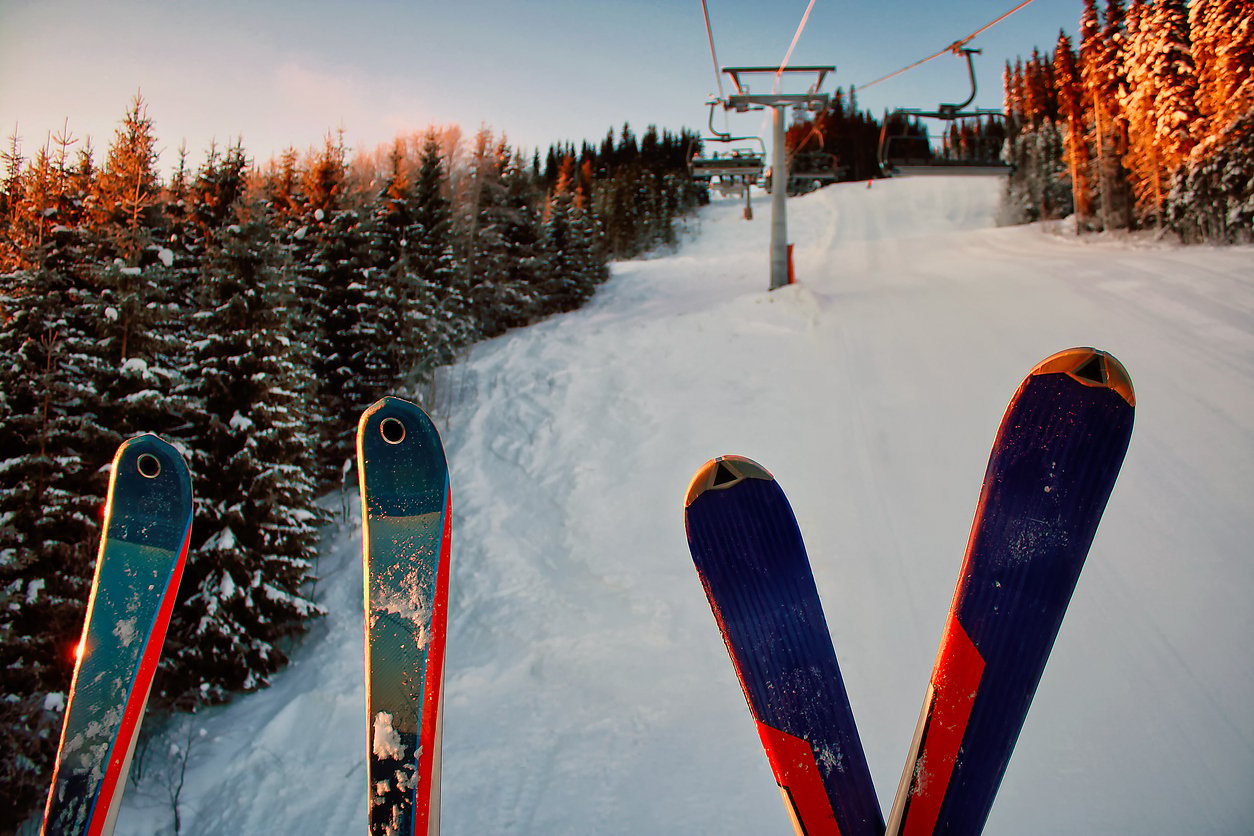
Before booking, list:
- Accommodation and meals.
- Lift passes for the days you’ll ski.
- Equipment hire or transport of your own equipment.
- Lessons or guiding.
- Travel to the destination and local transfers.
If you’re planning a ski trip to Voss, check prices for your actual dates and group. Compare winter equipment rental in Voss with bringing your own gear.
For occasional skiers, hiring equipment can avoid the need to purchase and transport a full setup.
Resort skiing versus guided ski touring
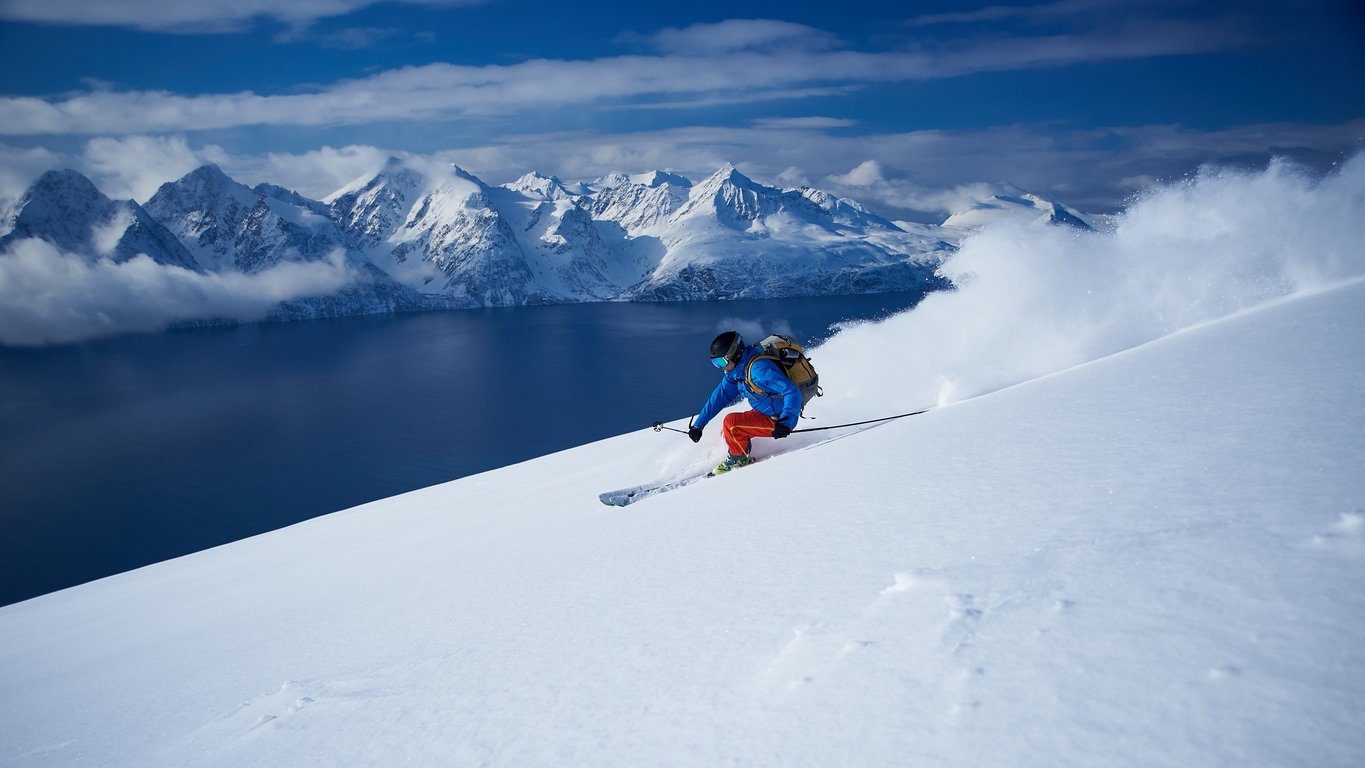
These are different experiences with different requirements.
A resort day might involve a lift pass, rentals and a lesson. A guided touring day may require specialist equipment and guiding, with participation depending on the terrain, conditions and your abilities.
Removing a lift pass doesn’t automatically make touring cheaper. Choose the skiing experience first, then compare its full cost.
How to visit Norway without overspending
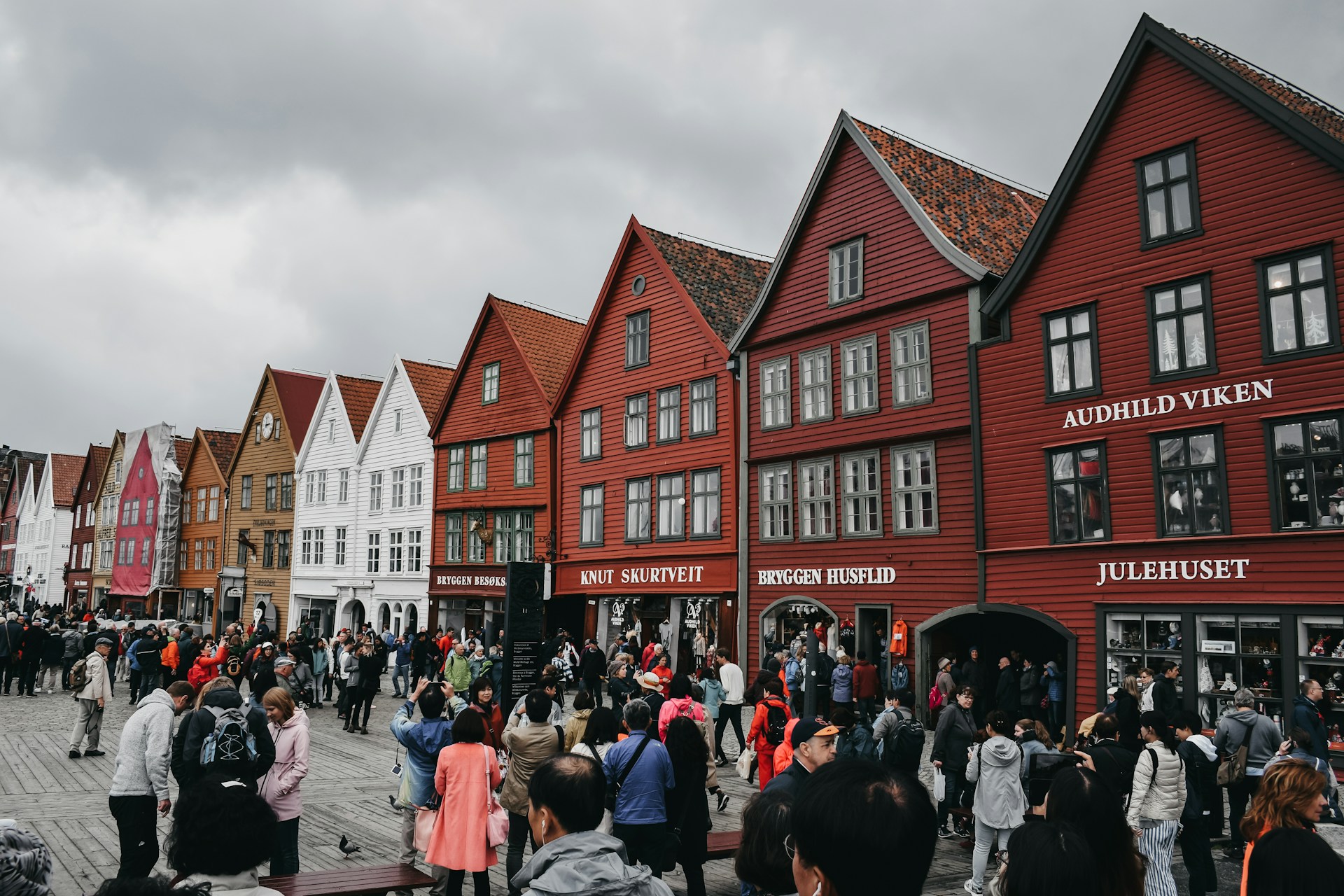
Spend longer in fewer places
Every change of base can introduce another travel expense and use time you could spend enjoying the destination.
Compare a few day trips from Bergen, or stay in Voss for several activities rather than repeatedly travelling back and forth.
Choose dates around both price and availability
Compare alternative dates, but make sure the experiences you want are running.
Our guide to the best time to visit Norway can help you narrow the season. An autumn fjord holiday may suit your plans, but check actual offers rather than assuming every autumn date is cheaper.
Mix restaurant meals with simple alternatives
You don’t need to cook every meal to reduce spending. Hotel breakfast, a picnic lunch and a restaurant dinner can be a comfortable balance.
Check what you already own
Before buying clothing for one holiday, work through a relevant packing list. Our winter packing guide can help identify what you need.
Ask your activity provider which specialist items are supplied.
Keep a contingency allowance
Weather changes, an extra transfer or an unplanned meal can affect even a careful budget.
Leave some room so one change doesn’t require you to cancel an experience you were looking forward to.
Is it expensive to live in Norway?
Living in Norway requires a different calculation from visiting. Long-term housing, utilities, transport and household spending matter more than hotel rates or excursion prices.
Affordability also depends on income. Someone earning locally faces a different situation from a person supporting the same lifestyle with income from abroad.
Everyday living costs
Housing deserves particular attention.
Statistics Norway’s 2025 rental survey reported average monthly rent of NOK 11,790 (€1,126) nationally for a two-room dwelling, compared with NOK 15,260 (€1,457) in Oslo and Bærum and NOK 11,870 (€1,134) in Bergen. “Two-room” refers to the room classification, not a two-bedroom property. These are survey averages rather than current rental offers.
Add utilities according to the tenancy agreement, groceries, transport and personal expenses before judging a monthly salary or relocation budget.
What is the average house price in Norway?
Eiendom Norge reported an average residential property price of approximately NOK 5.02 million (€479,465) at the end of September 2026. This covers homes generally, rather than detached houses alone.
A national average is only an initial reference. Location, size, condition and property type make a substantial difference, so research the area and kind of home you actually want.
Is Norway Expensive: Frequently Asked Questions
Is Norway expensive to visit for a week?
Yes, but the total depends on your itinerary.
Our illustrative seven-day budgets from above range from NOK 7,350 (€702) to NOK 19,600 (€1,872) per person, excluding international flights and a contingency buffer. Private accommodation, extensive driving or premium experiences can take spending beyond those examples.
How much spending money do I need per day in Norway?
Separate prepaid costs from money you’ll spend during the trip. If accommodation and activities are already booked, you may only need to allow for meals, local transport and extras. A full daily travel budget must include those prepaid costs too.
Is food expensive in Norway?
Eating out regularly can be a significant expense. Preparing some meals and using included breakfasts can reduce the total while leaving room for restaurants you want to try.
Can you visit Norway on a budget?
Yes. Sharing accommodation, preparing meals, choosing a manageable route and combining independent sightseeing with selected activities can help. Confirm the main bookings before relying on a low daily estimate.
Is Norway more expensive than Sweden or Denmark?
Preliminary 2025 household consumption data placed Norway above Sweden but below Denmark overall: the respective indices were 128.6, 121.0 and 139.7, against an EU average of 100. Your holiday can differ considerably depending on the destinations, dates and services you choose.
Norway might be expensive, but is worth the cost?
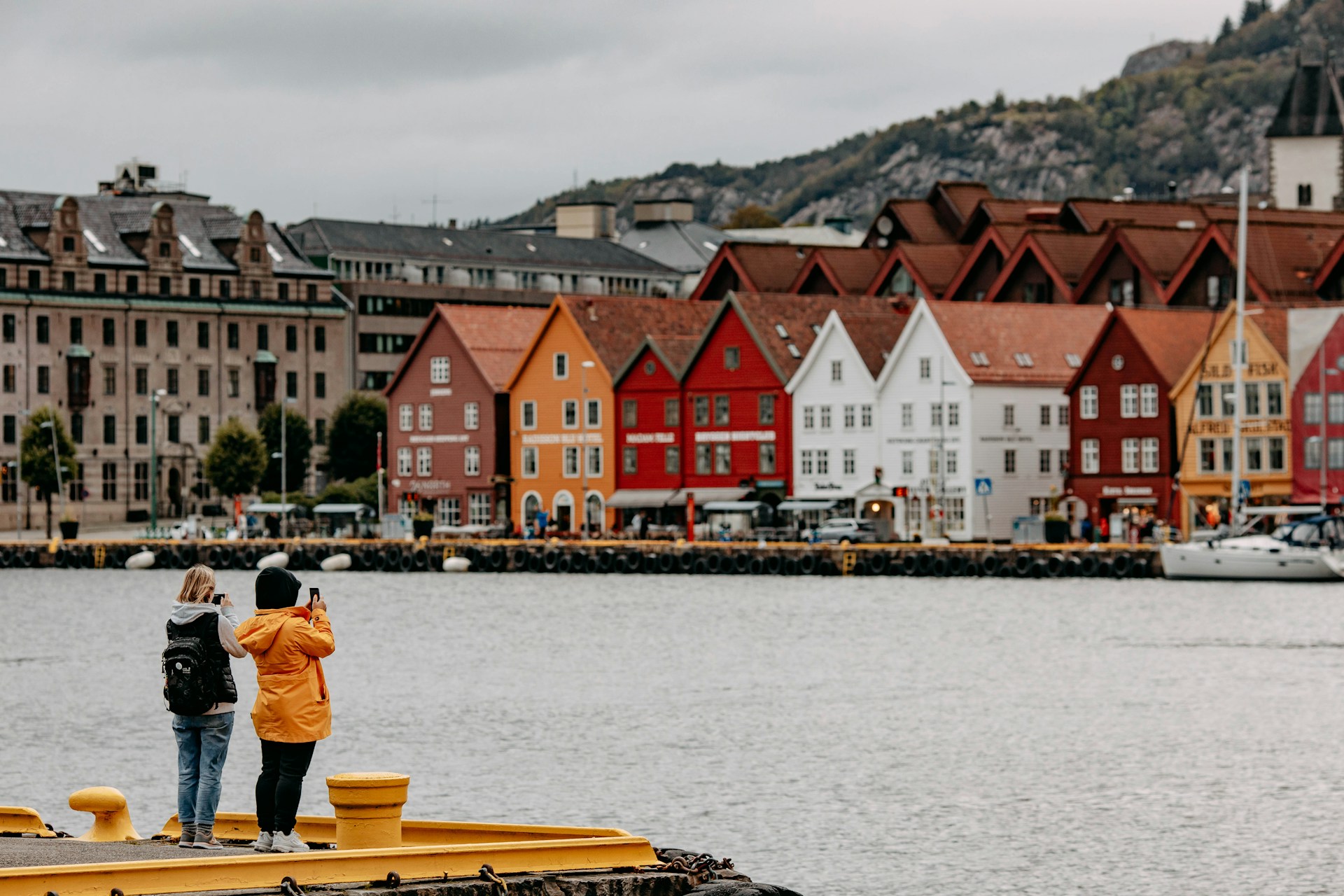
For us, yes! But realistically, that depends on what you want from the holiday.
If your priorities are fjords, mountain landscapes and active days outdoors, build the budget around those experiences. Our list of reasons to visit Norway can help you decide what matters most.
You don’t have to spend heavily on every part of the trip. Share accommodation where practical, choose transport carefully and be deliberate about restaurant spending.
Then give yourself room for something memorable: a paddle beneath steep fjord walls, a guided river adventure or several days exploring Western Norway.
Explore Outdoor Norway’s multiday tours and check inclusions against the arrangements you would otherwise book separately.